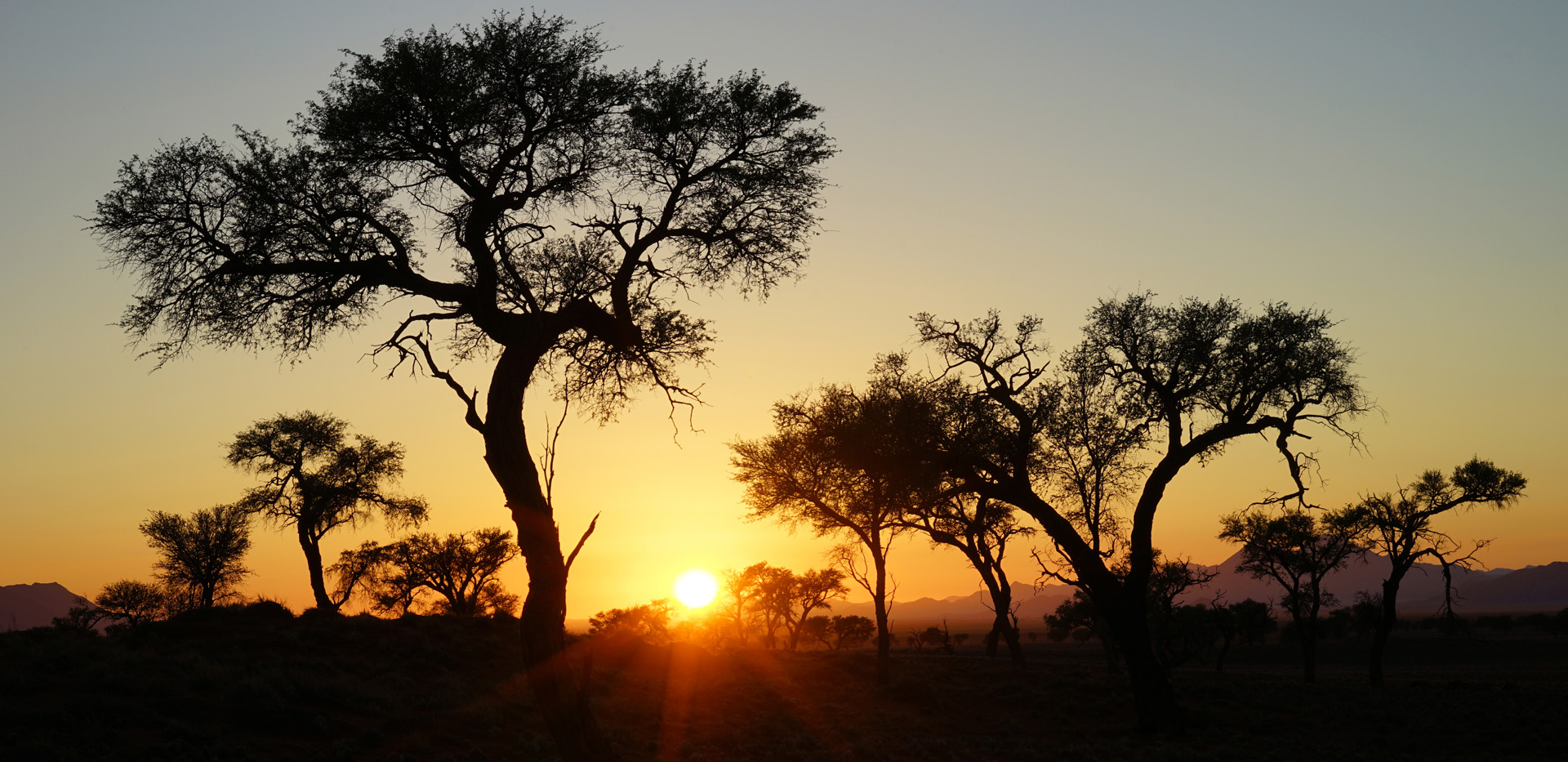

Grand South-North-Tour | Guided | Group | from Windhoek
Grand-South-North-Tour
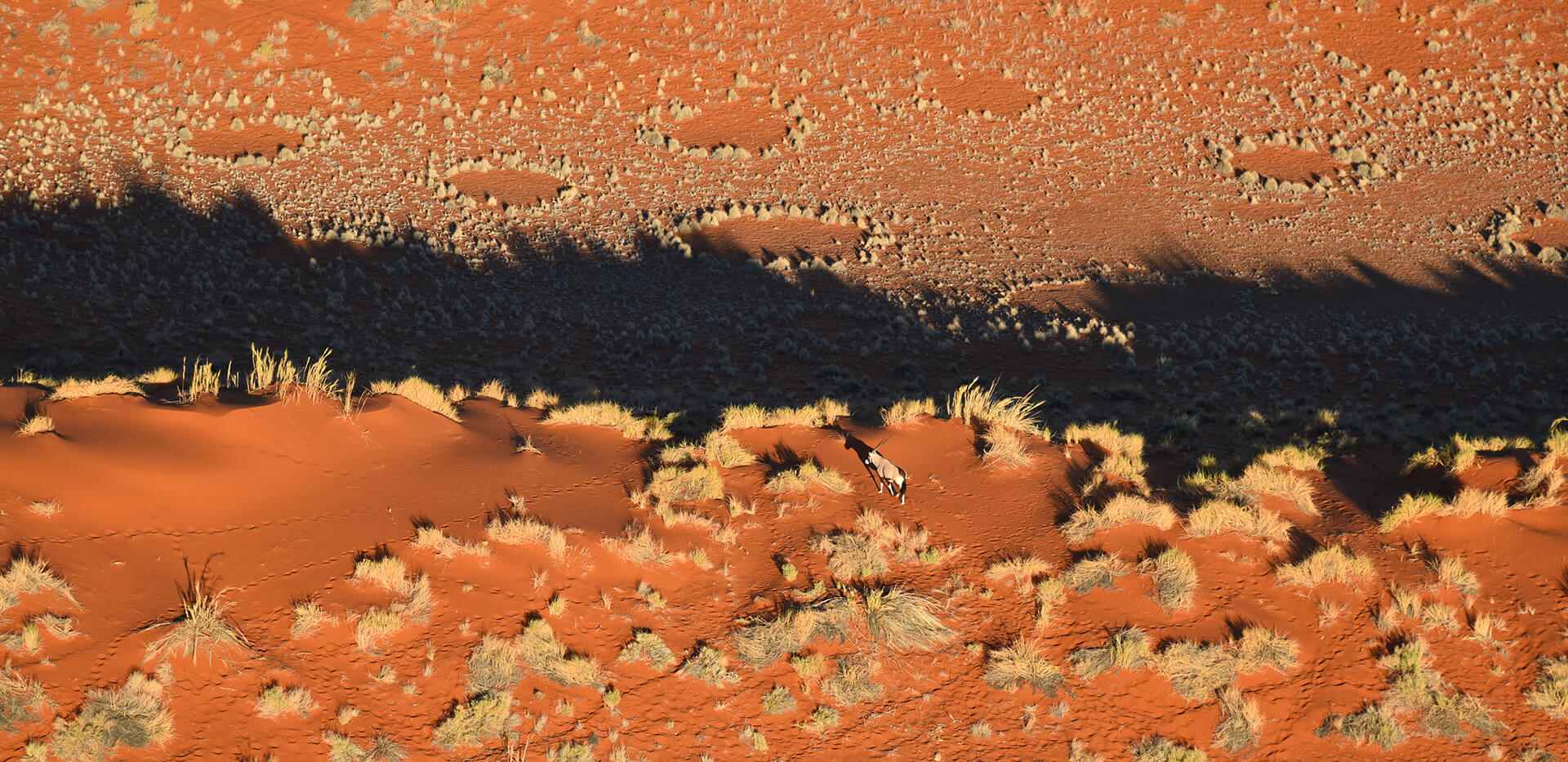
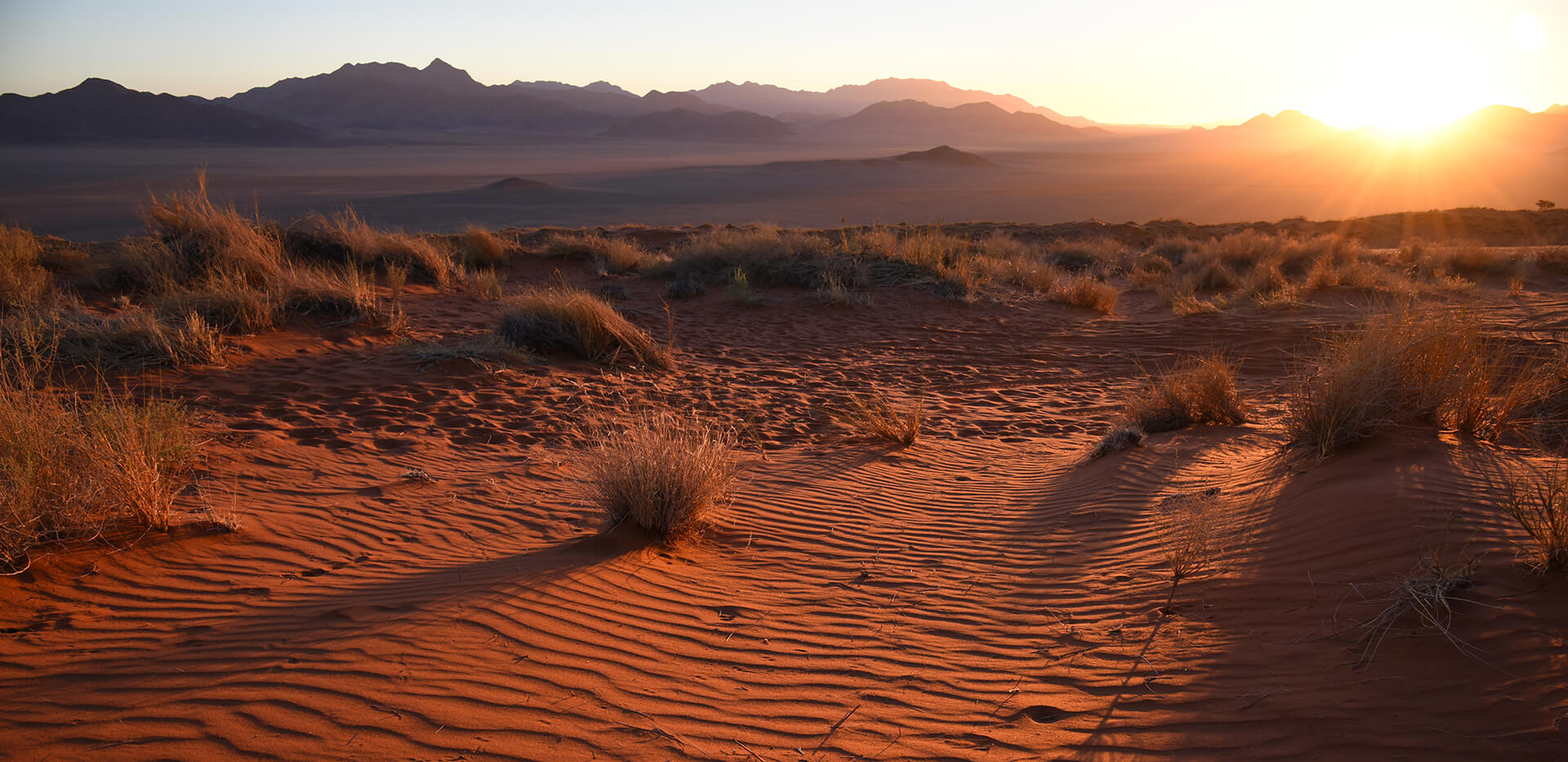
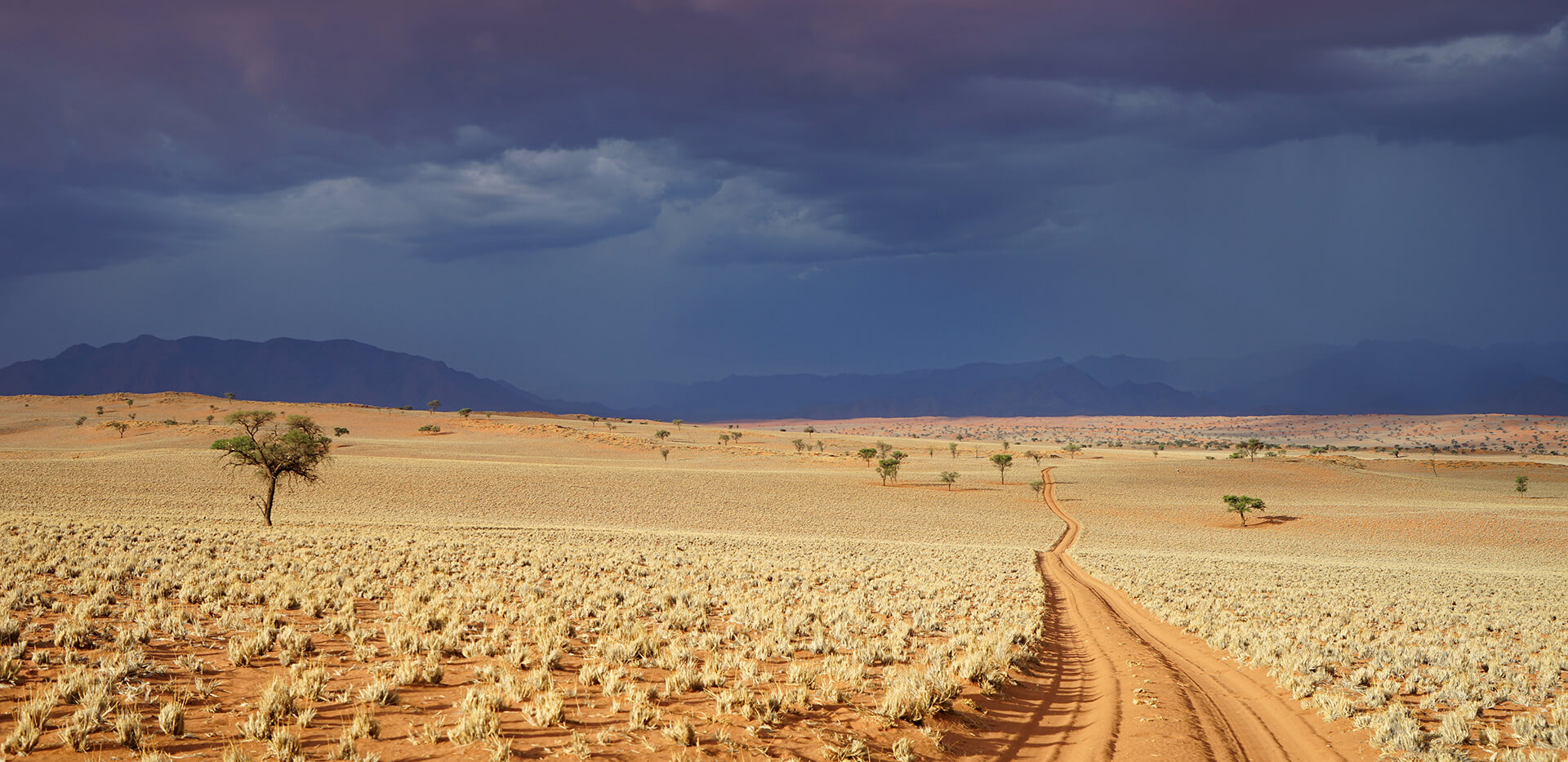
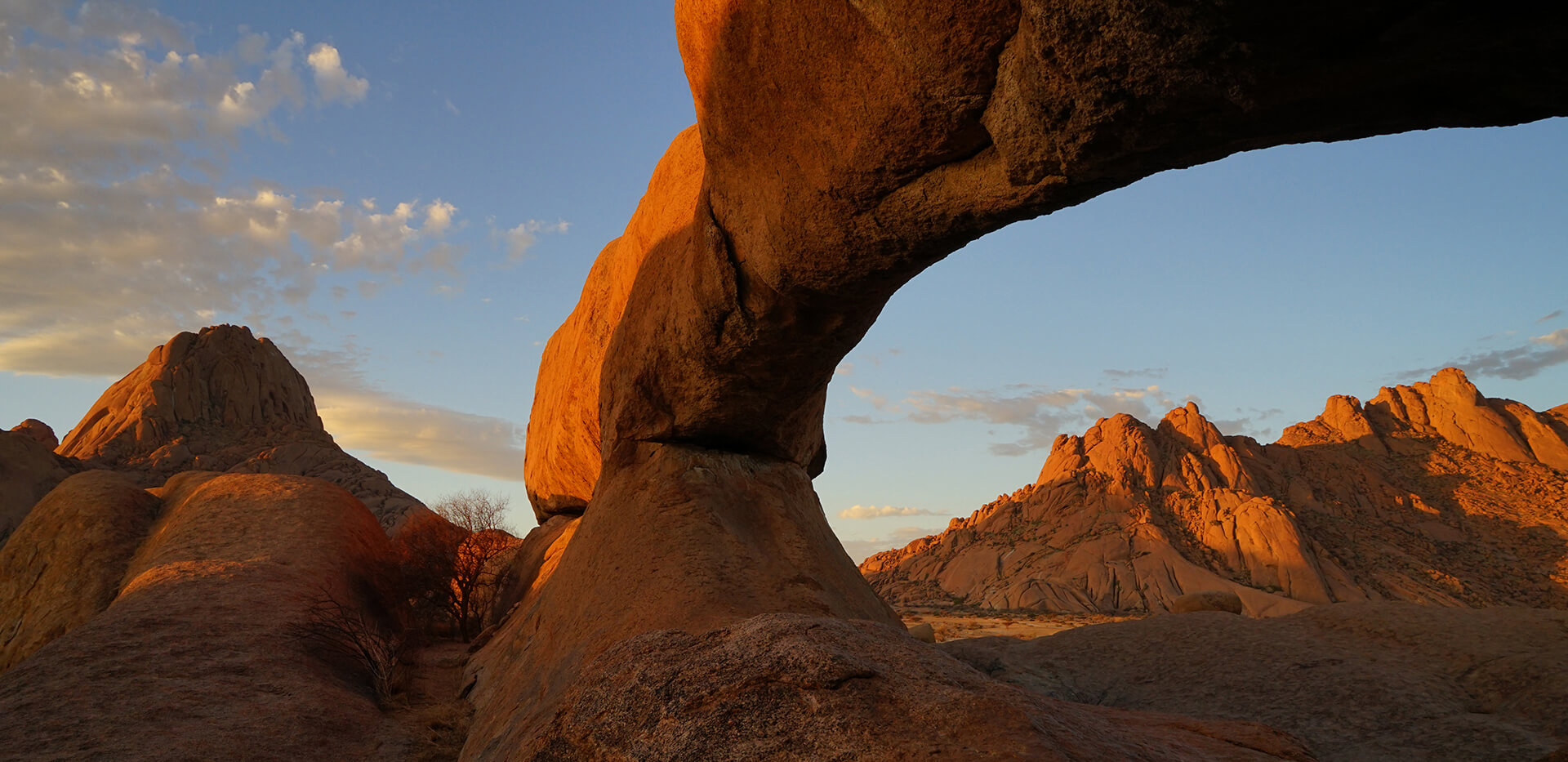
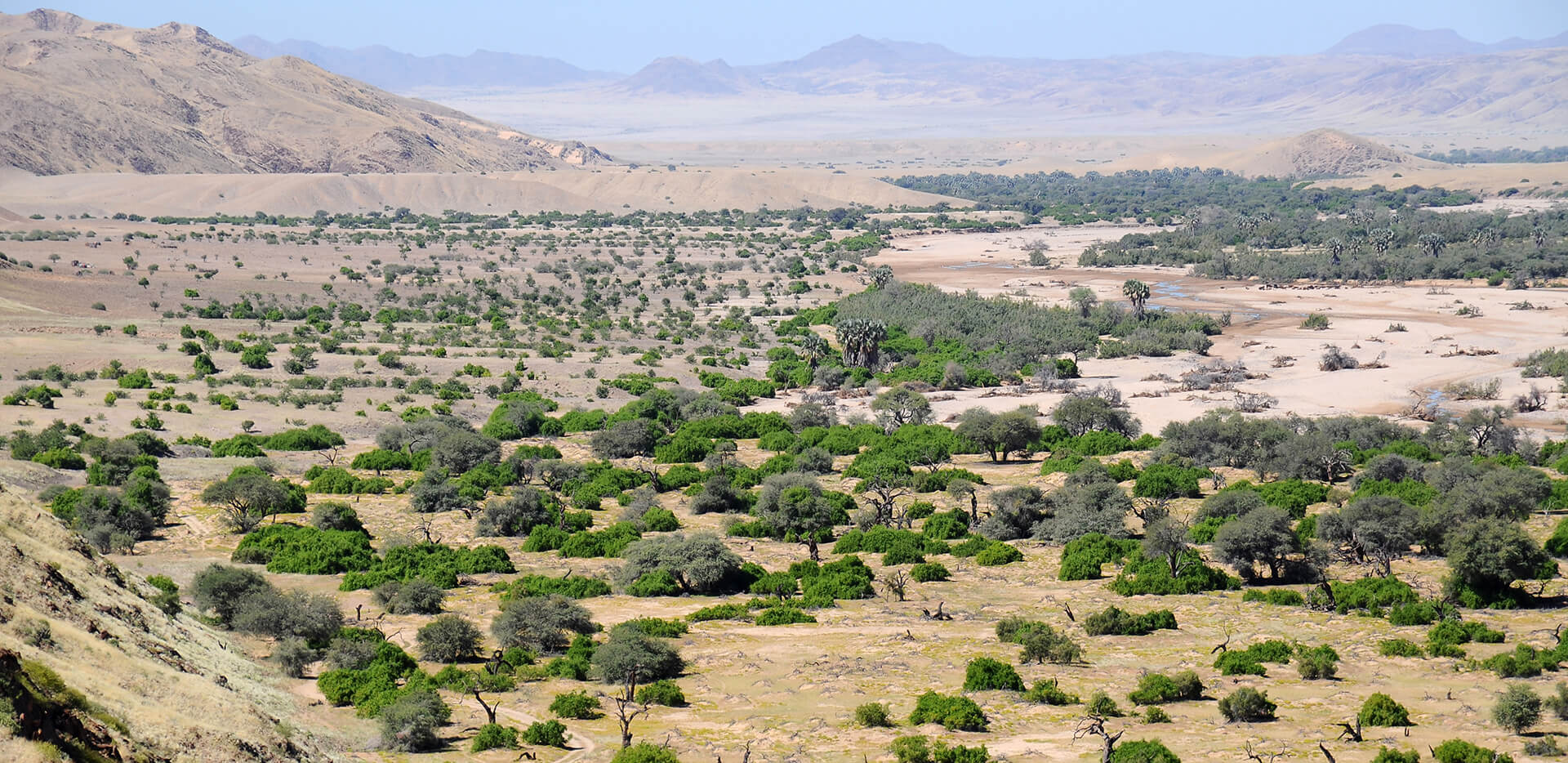
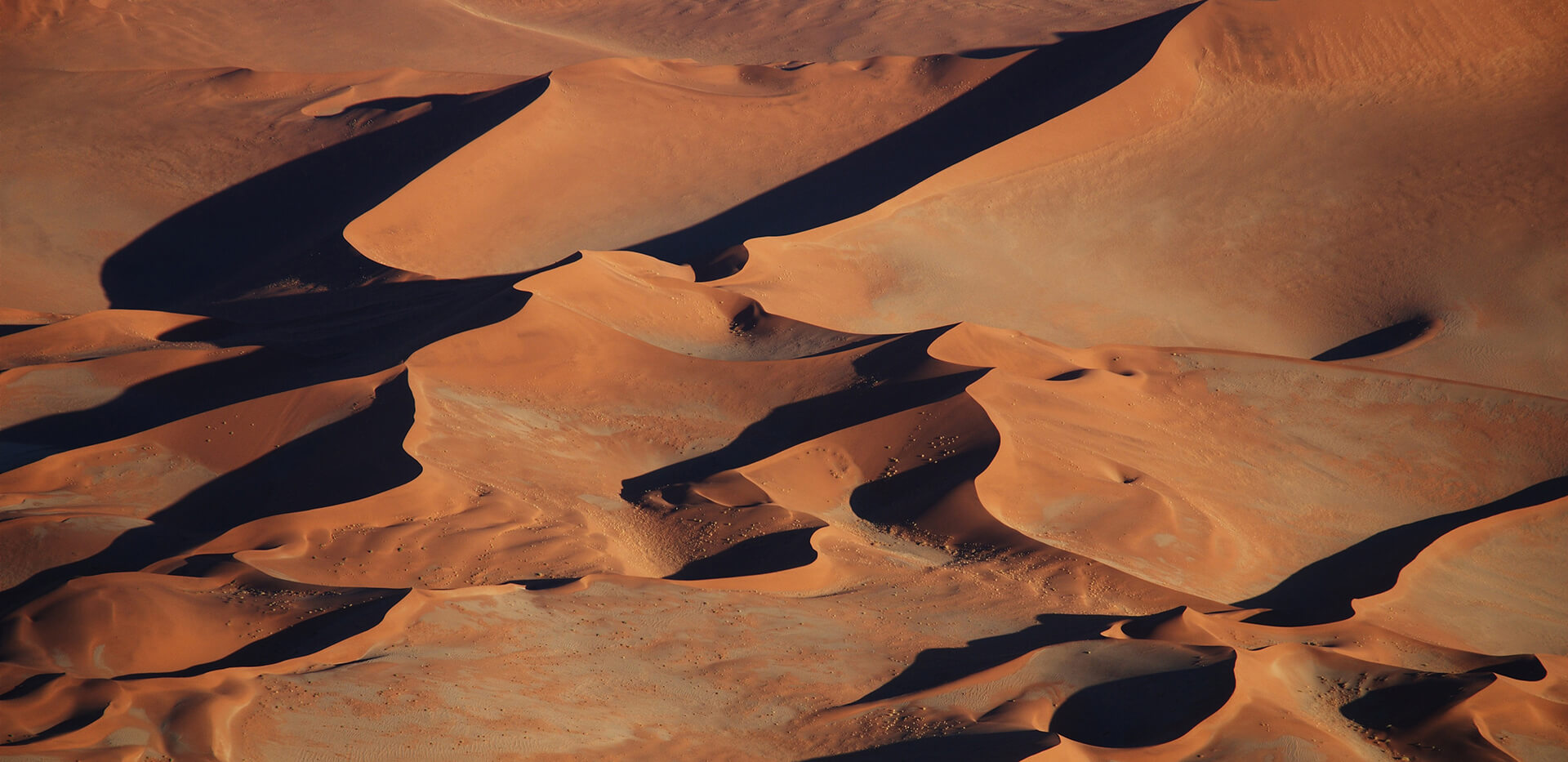
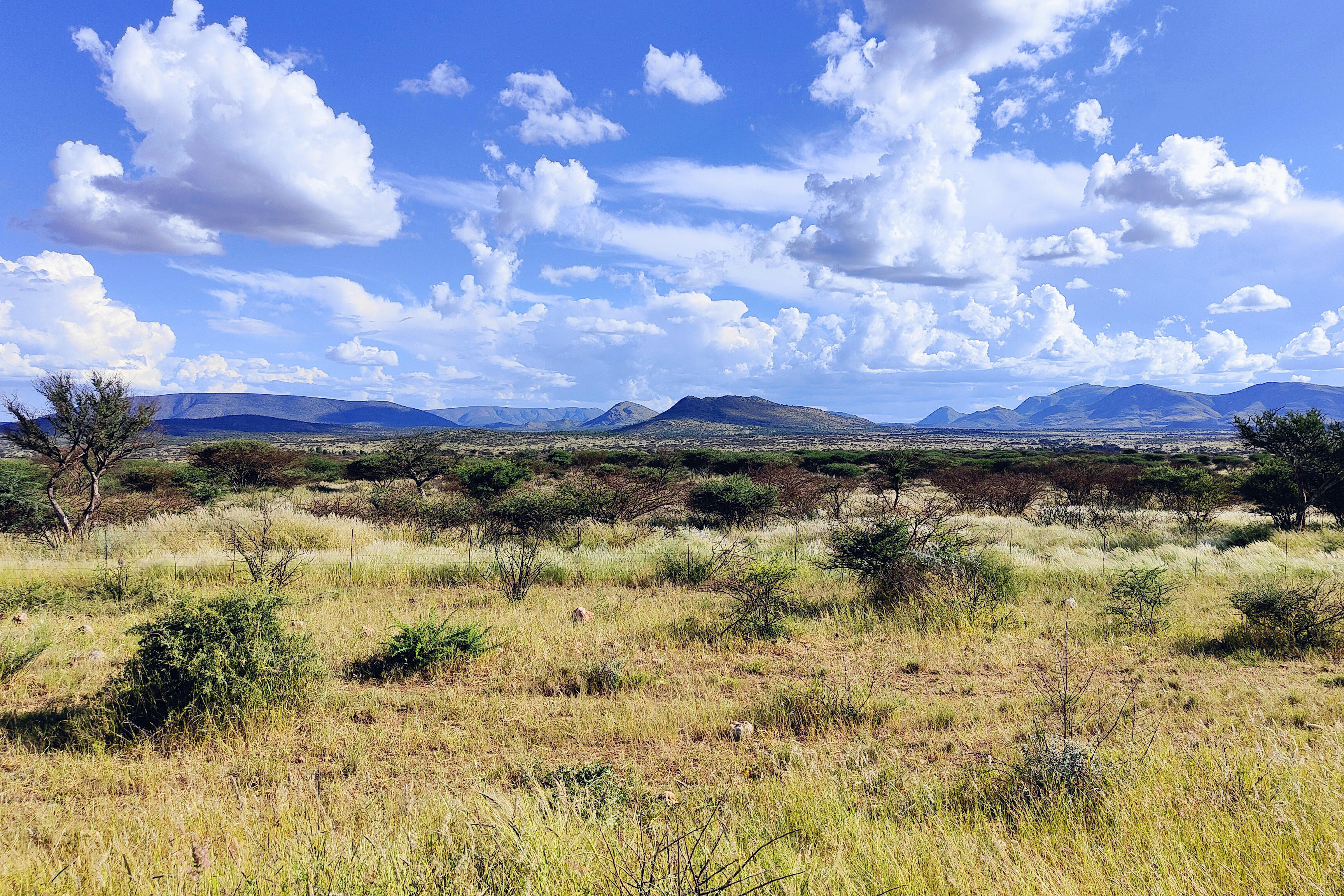
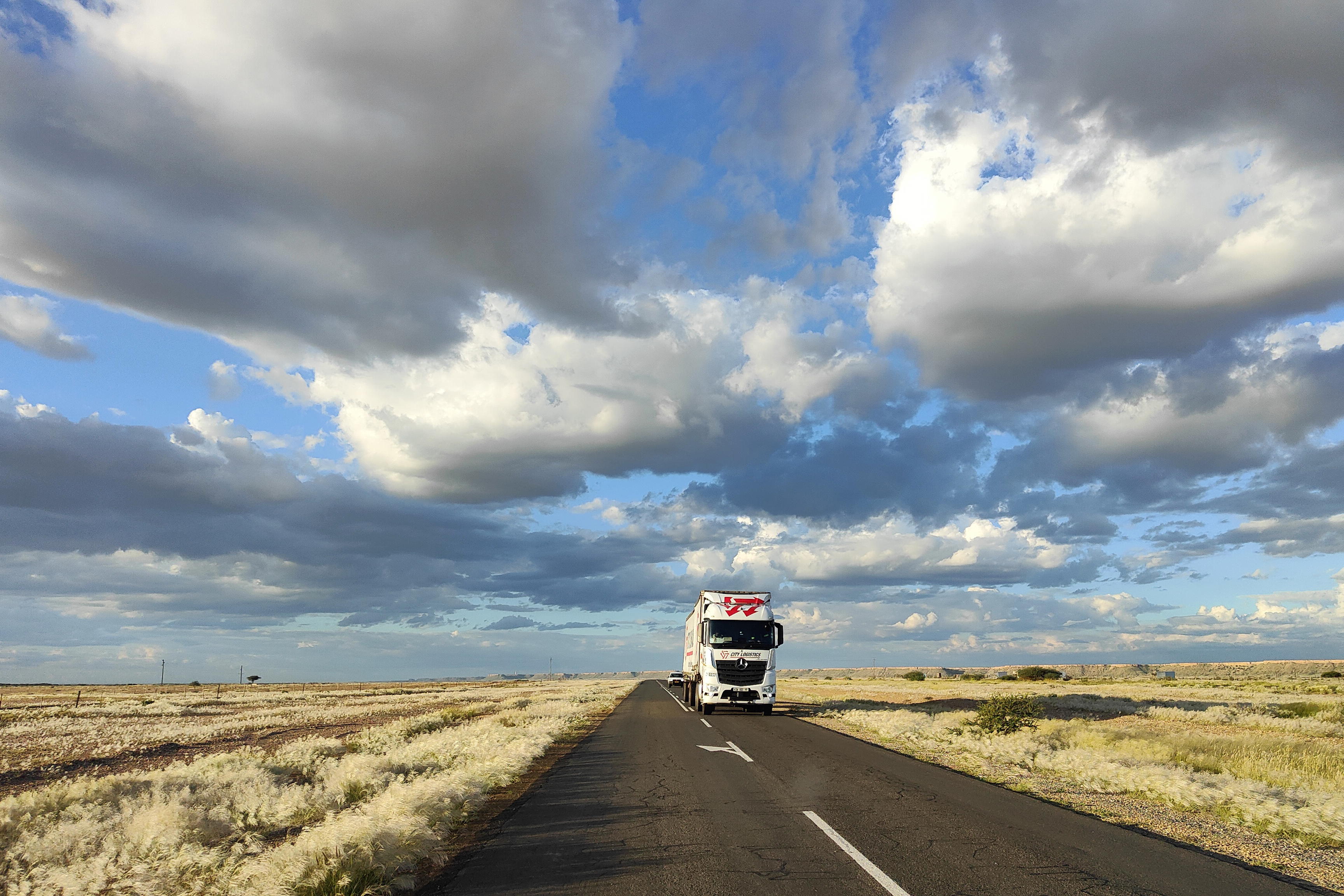
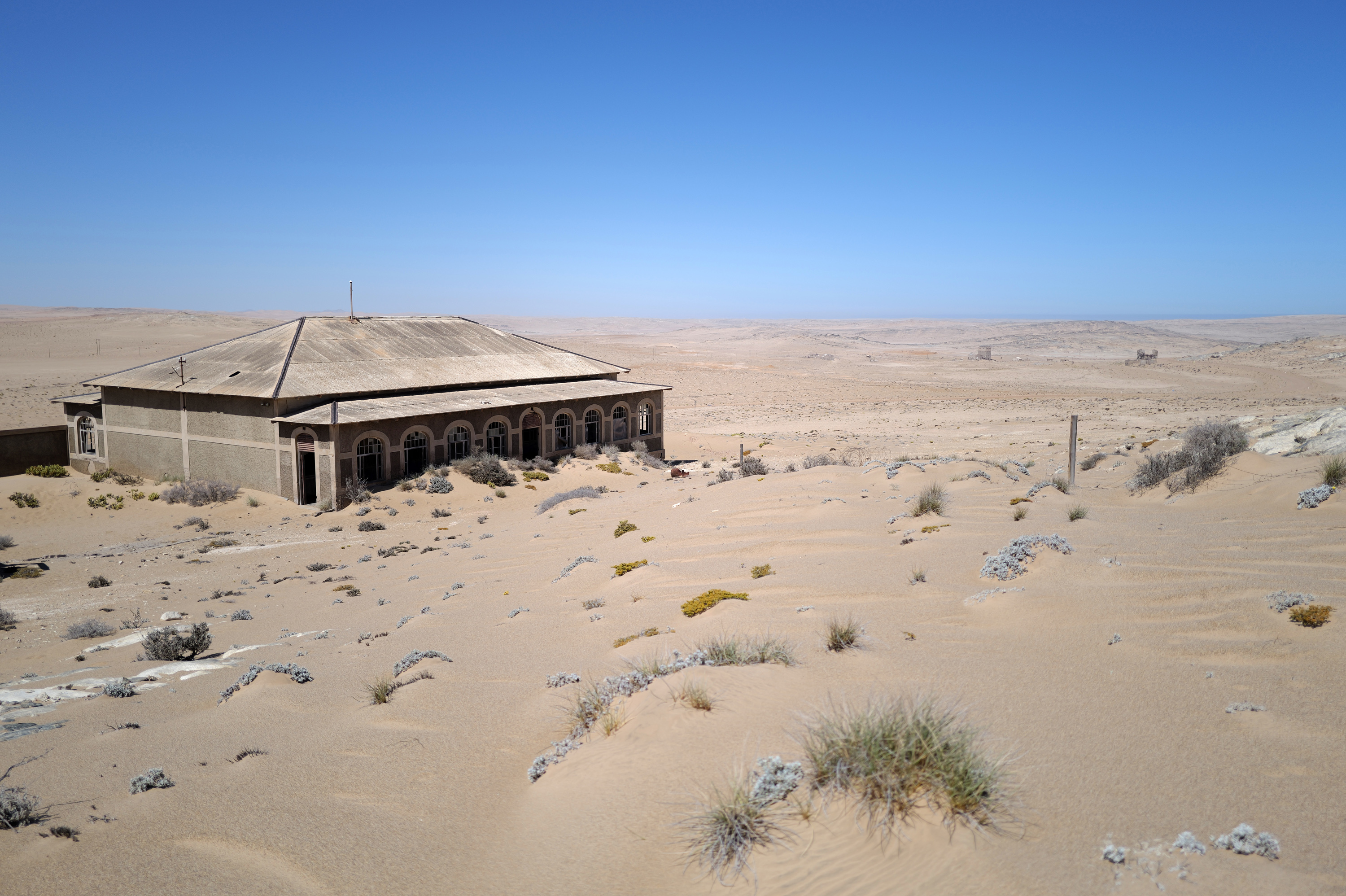
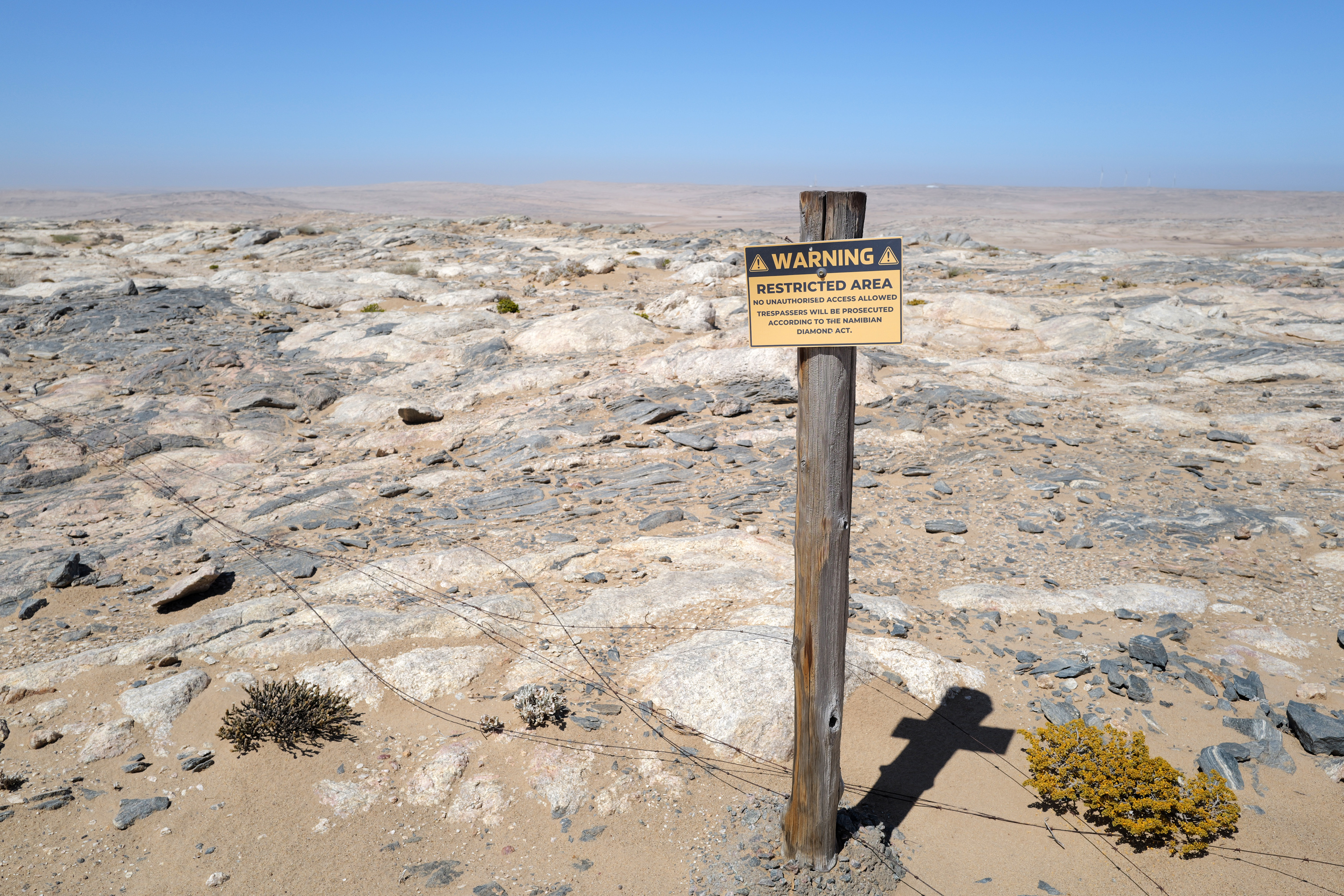
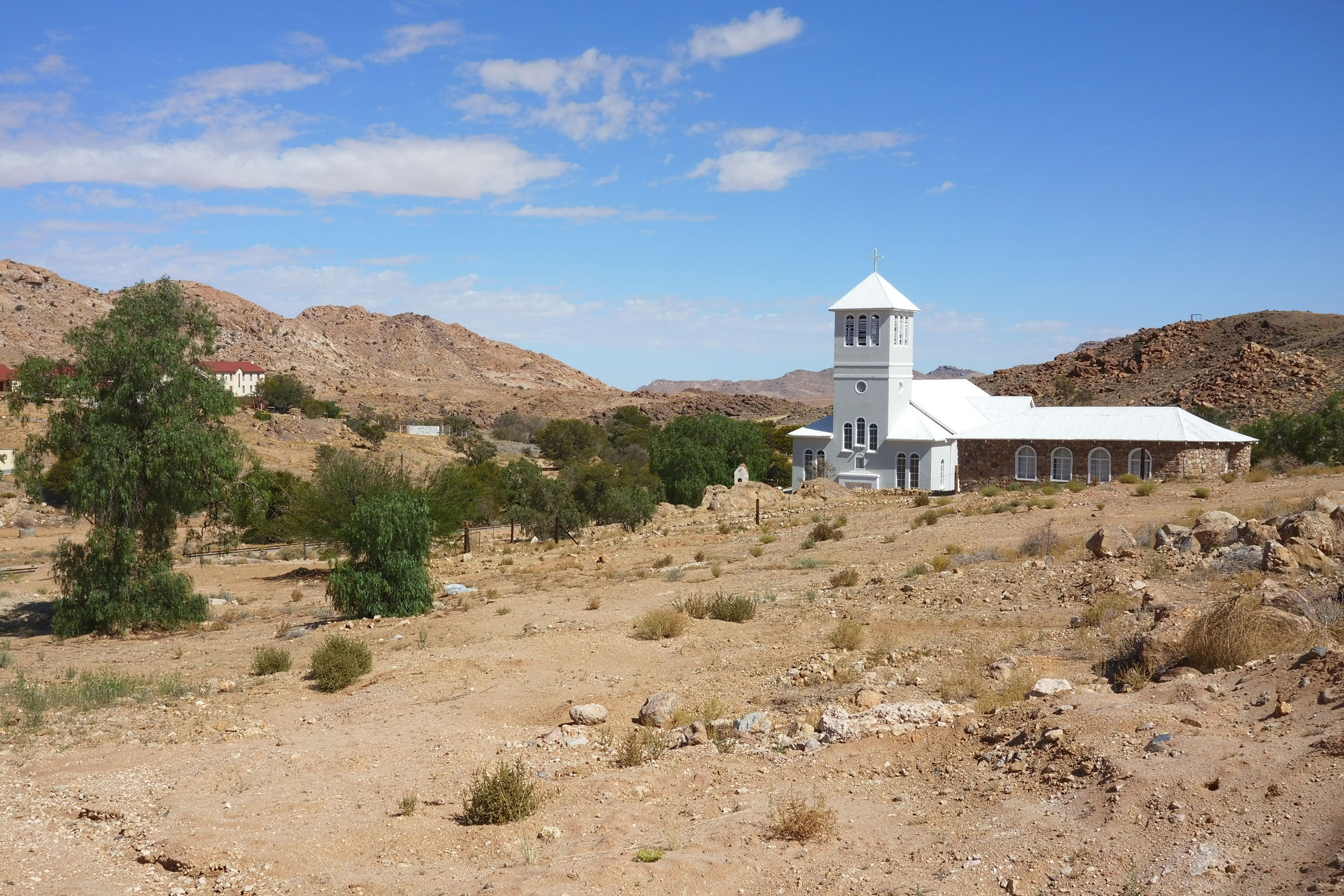
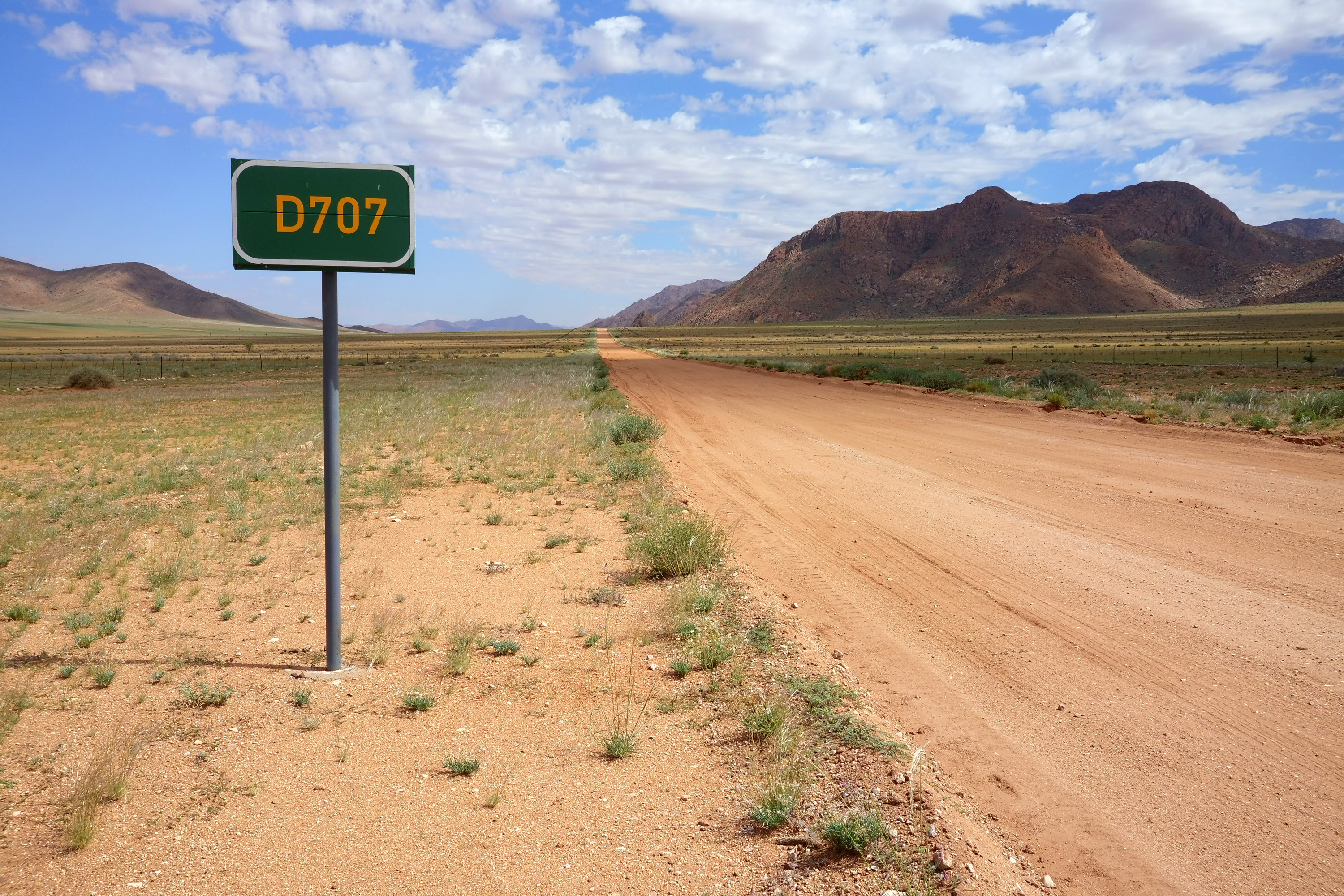
The Grand-South-North-Tour is a 20-day lodge tour through Namibia, during which you will get to know the vastness of the country extensively. “Grand” stands for both large and grandiose, because the tour is not only large in length, but also grandiose in terms of scenery. The first eight to nine days of the tour take you to the deserted south, which is even more sparsely populated than the rest of the country. First, you will experience the red sand dunes of the Kalahari, which, similar to the Namib Sand Sea in the west, stretch for hundreds of kilometers along southeastern Namibia. Then it's on to the second largest canyon in the world – the Fish River Canyon. Here you will stay for two days at this canyon, which is over 500 m deep. You will then spend the night at the southernmost point of the tour – the mighty Orange River, which forms the border with South Africa. It is the only river in southern Namibia that flows permanently. The journey continues to the coast to Lüderitz, where the German tobacco merchant of the same name landed in 1883 and founded the town. In 1908, diamonds were discovered near Lüderitz at Kolmanskop, which led to the establishment of the restricted diamond area, the Sperrgebiet. A visit to this extremely photogenic ghost town is also on the agenda. After visiting these historic sites, we head to the granite mountains of Aus, where you can go on wonderful hikes to impressive viewpoints. From there, we drive on one of Namibia's most beautiful roads – the D707 – to the Greenfire Desert Lodge, which is also located in a deserted and untouched area of the southern Namib. From here, we continue to Sossusvlei, Swakopmund, Damaraland to see the desert elephants, and finally to Etosha. The itinerary from Sossusvlei onwards is similar to the classic Namib-Lodge-Tour.
The Grand-South-North-Tour is designed for visitors who want to spend a longer vacation in Namibia than the typical two-week trips offer. Above all, this tour offers one thing: especially during the first eight to nine days, you will learn to appreciate the magnificent vastness of the south!
-

Day 1
Arrival day in Windhoek
-

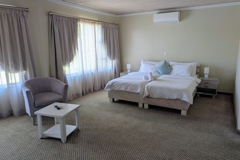
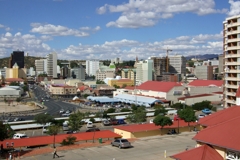


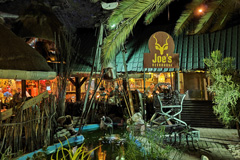
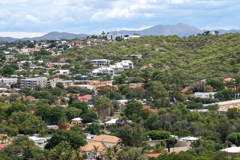
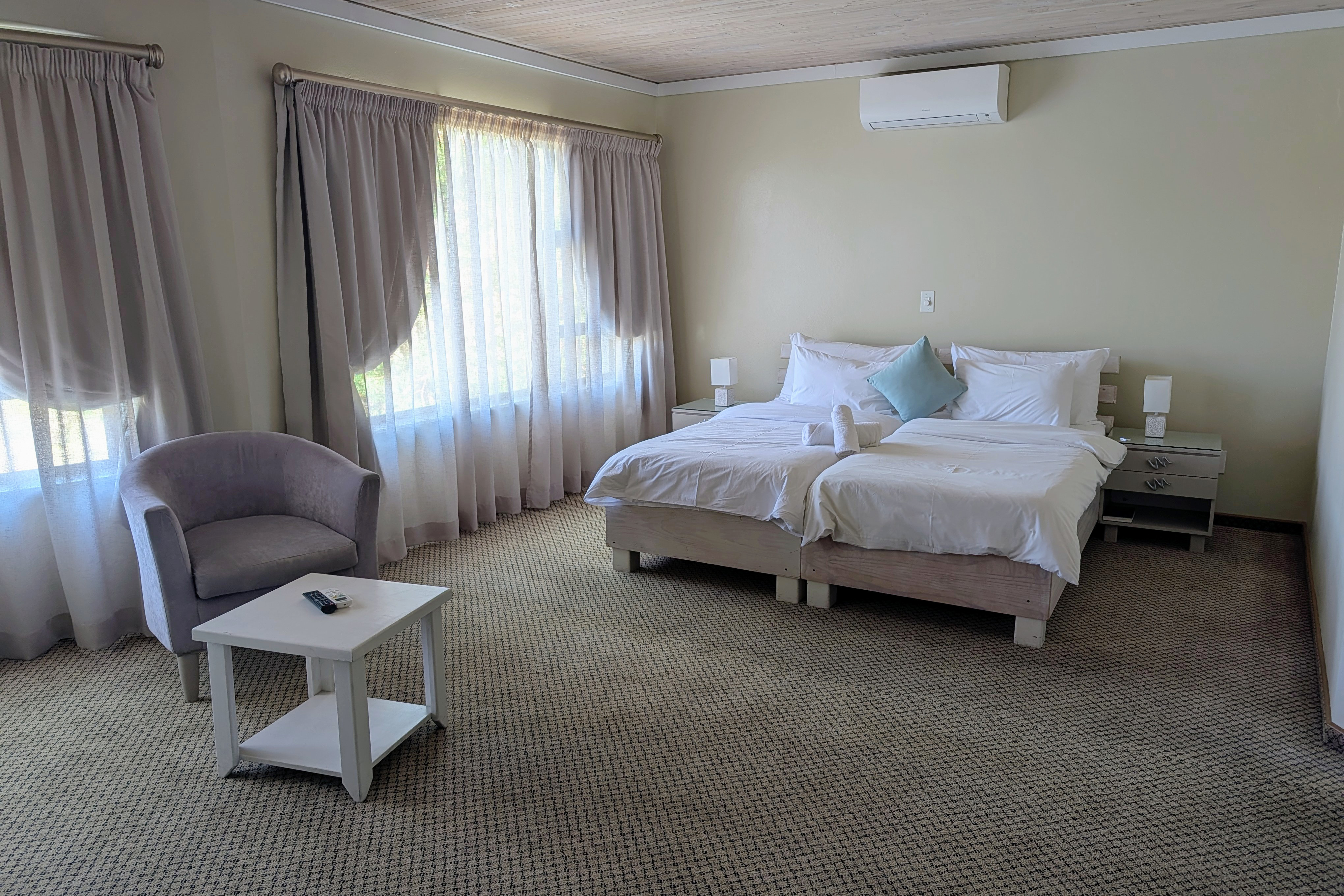
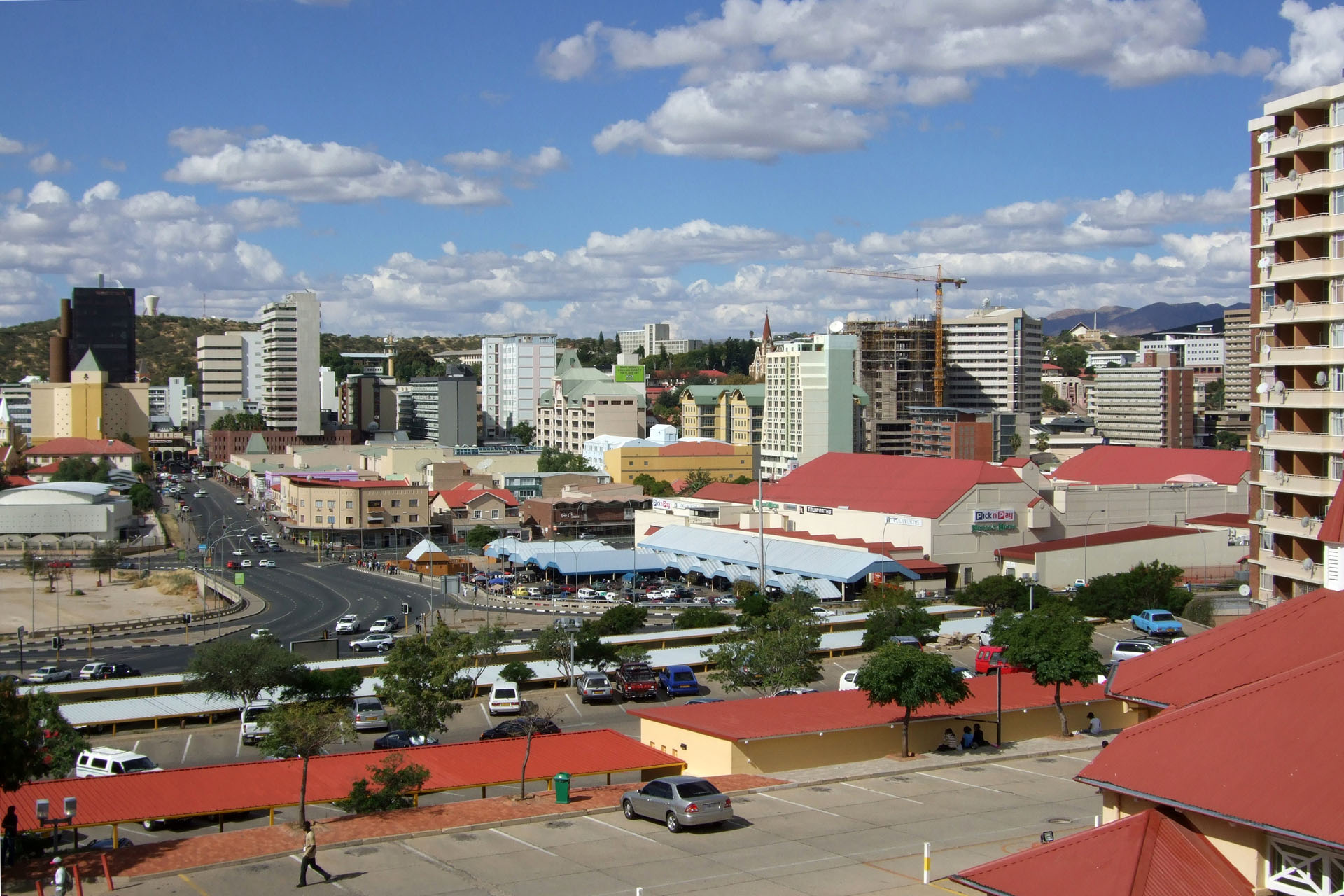
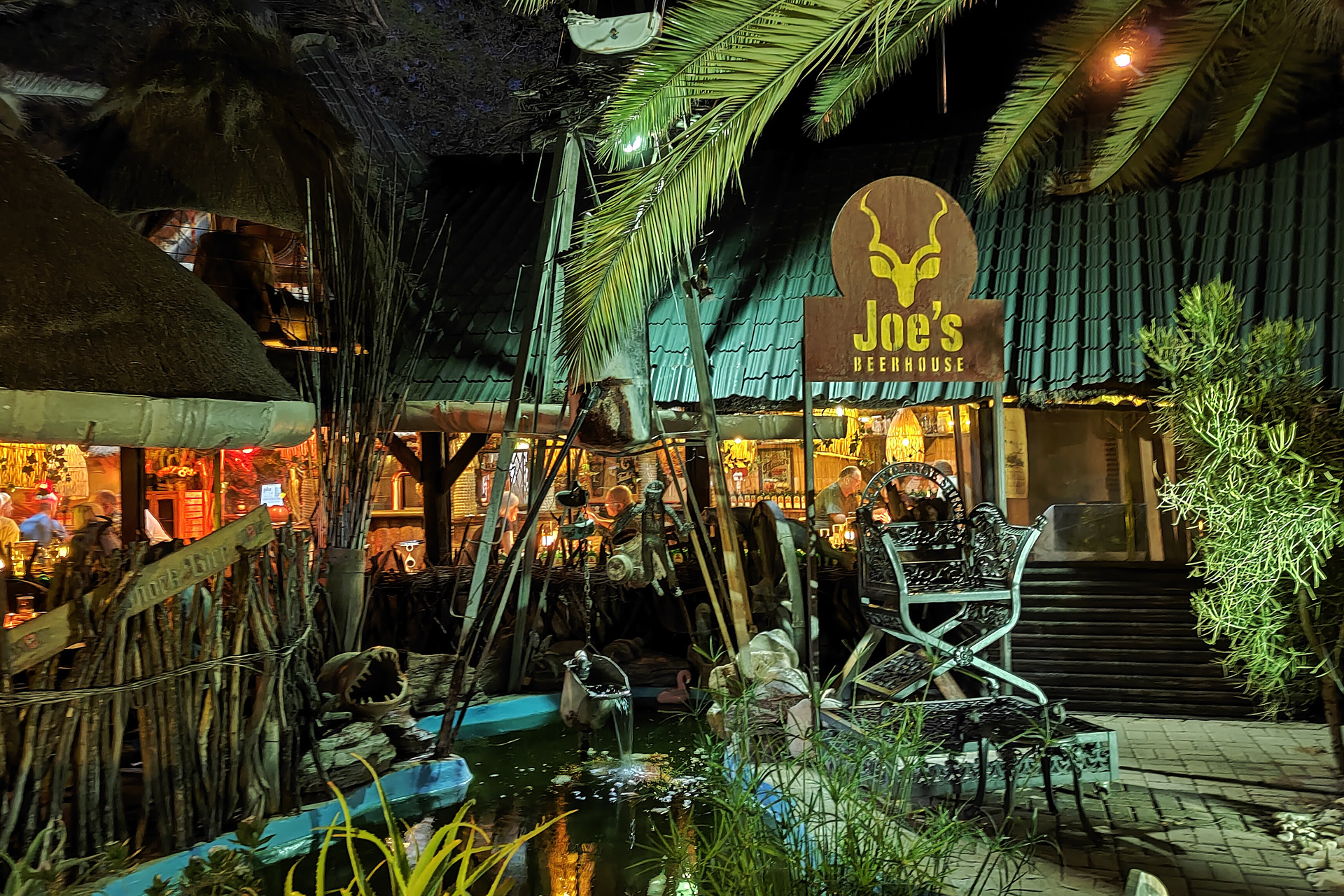
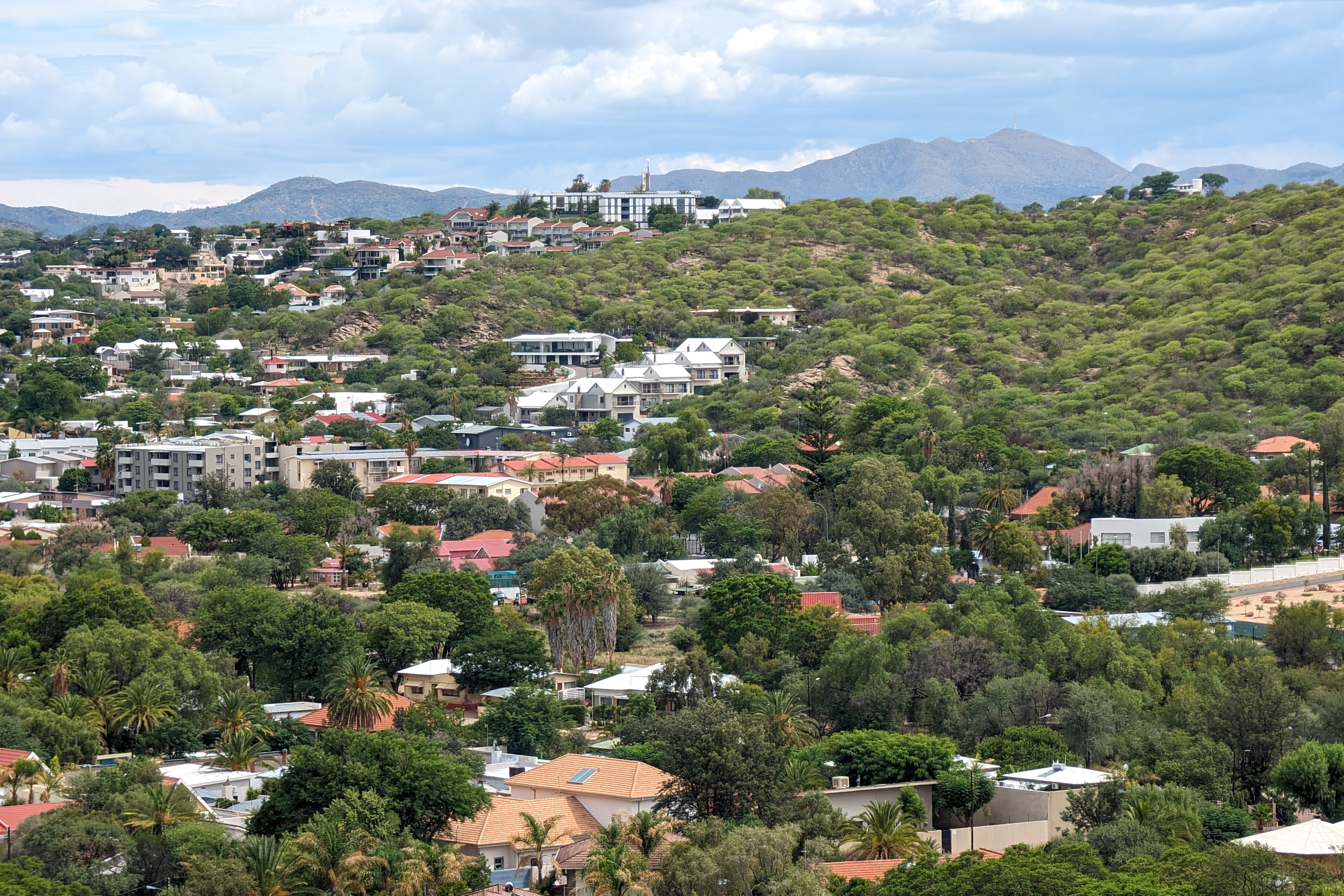
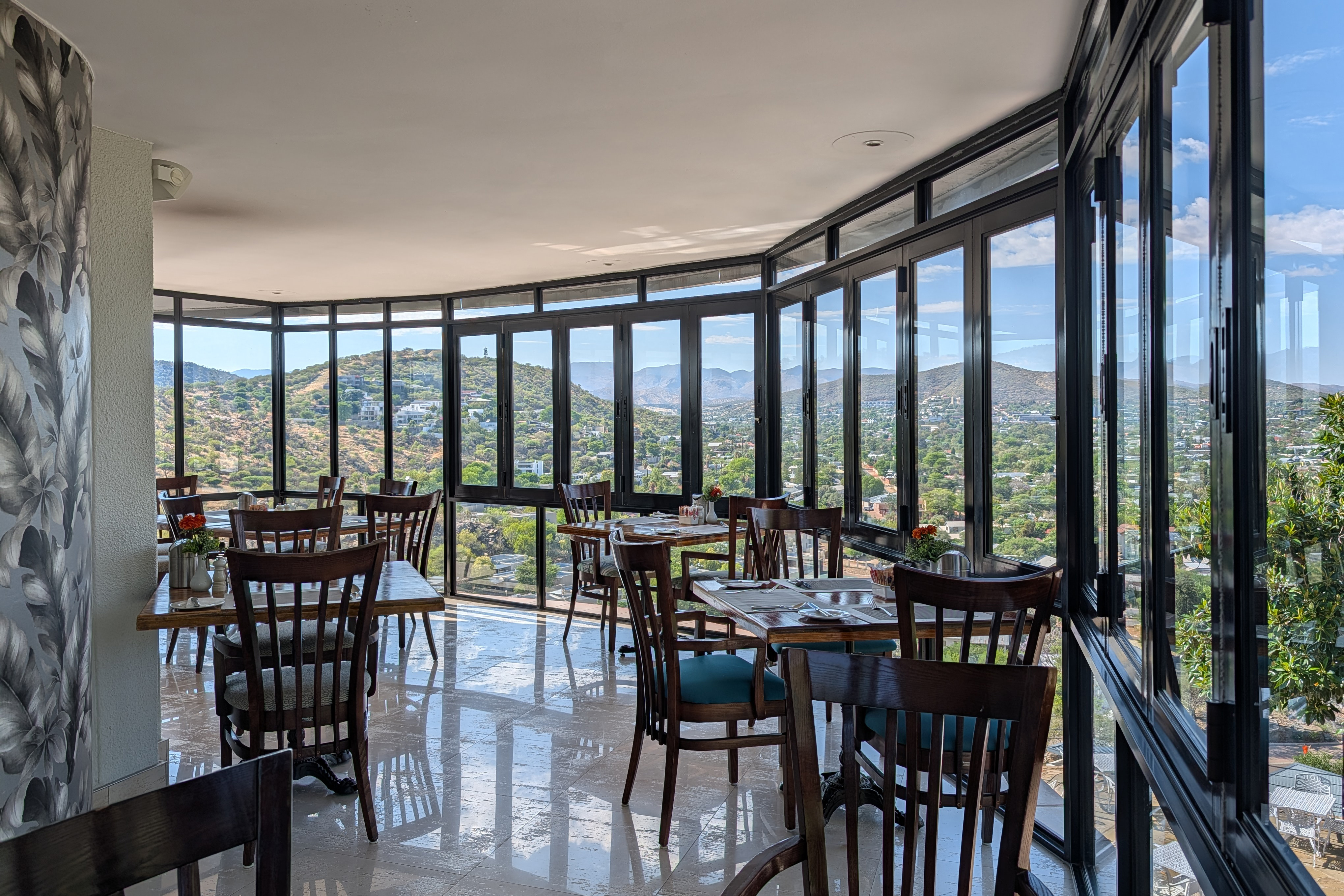
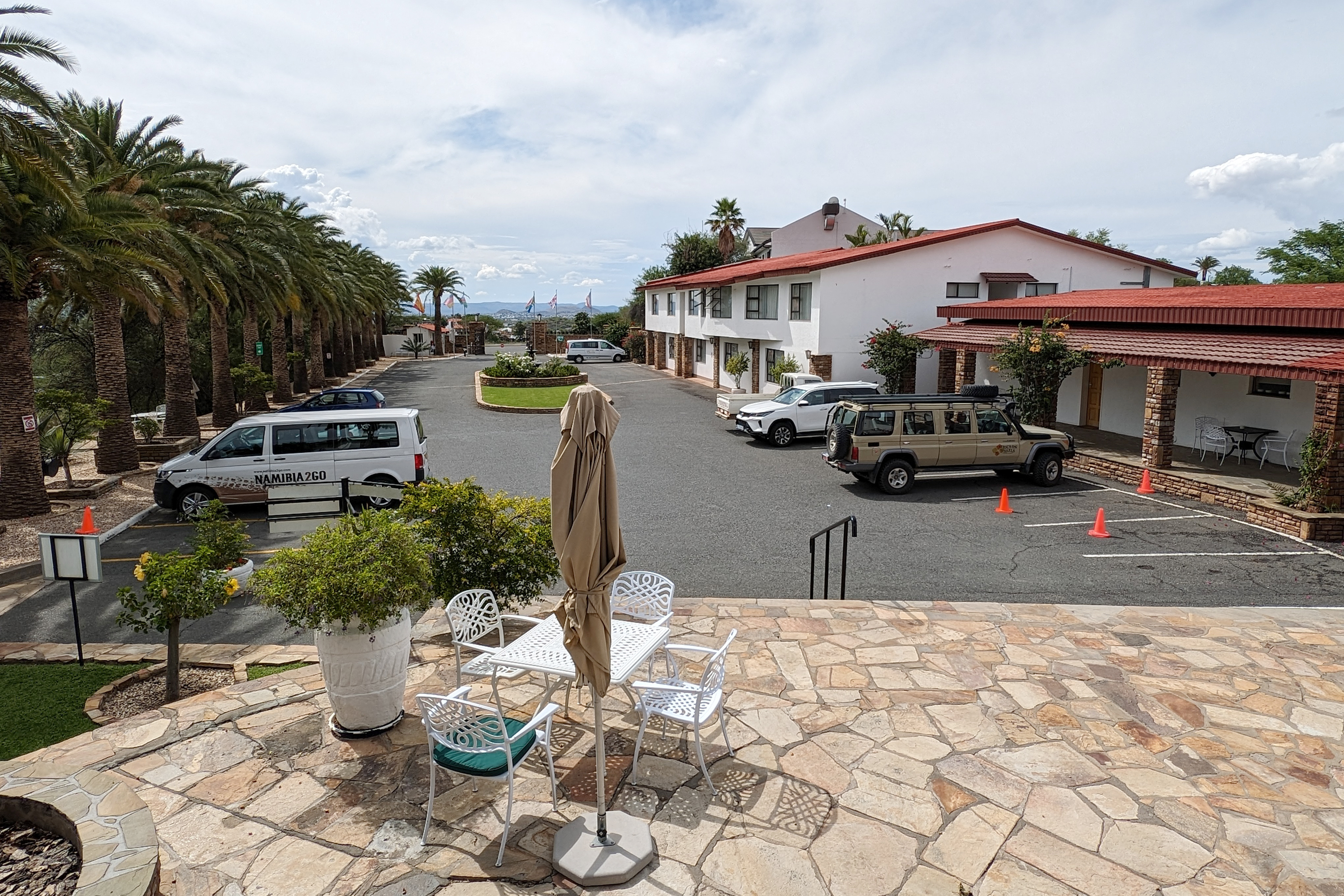
At the beginning of your trip, you will be transferred from the airport to the Hotel. Since most flights arrive in Windhoek in the morning, you will have time in the afternoon to get to know the city a little or to buy travel items such as a hat. We will prefer to stay at the remarkable Hotel Thule, which was originally the villa built in 1960 by the factory owner and millionaire Edmund Lafrenz. A suburb that still exists today was named after Lafrenz, the Lafrenz Industrial Area in the north of Windhoek. Should you wish to take a tour of the city, we will at first visit the Independence Memorial Museum which was inaugurated in 2014. The look-out platform of the Panoramic Hall provides a magnificent view over Windhoek and its surrounding landscape. Here is the best location to explain the dynamic development that Windhoek has gone through since its independence in 1990. According to an official census, Windhoek’s population has risen alone between 2001 and 2011 from over 233 000 to over 325 000 inhabitants. A census from 2023 already revealed a population of over 486 000. I have known Windhoek since 1996 and studied there from 1997 to 2000. The socio-cultural and urban development changes that Windhoek has undergone since then are remarkable. Especially during the past twenty years, new buildings have been built at many locations and have thereby changed the town picture. The current townscape consists thus of small old buildings from German colonial times around 1900 and modern fronts from the recent past. Our city continues via the Christus church and down to the Independence Avenue and Post Street Mall with its many stores, restaurants and gift shops. The first evening in Windhoek we will end in the legendary Joe’s Beerhouse where you get delicious and Namibian authentic barbecue food. Since 1991, Joe’s is THE address for visitors of the country and there is an un-official saying “You have not been to Namibia if you have not been to Joe’s”.
Included services: Airport transfer, accommodation
-
Day 2
Windhoek - Kalahari
-
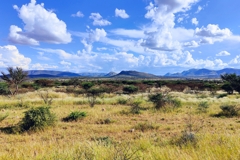
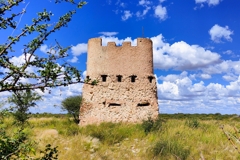
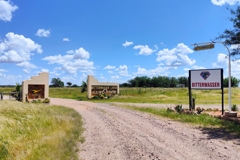
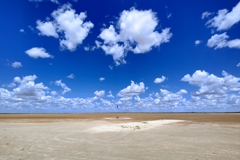
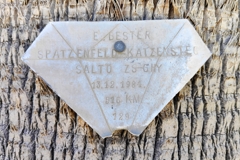
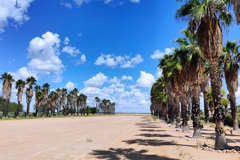
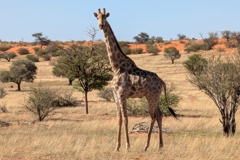
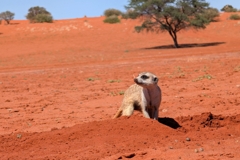
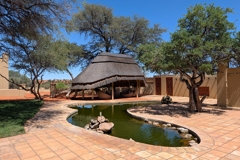
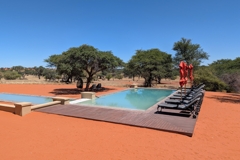
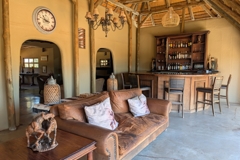
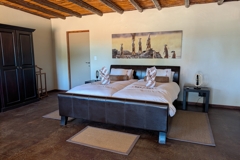
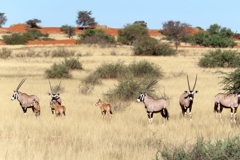
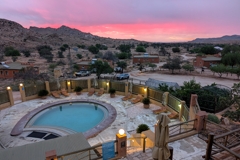
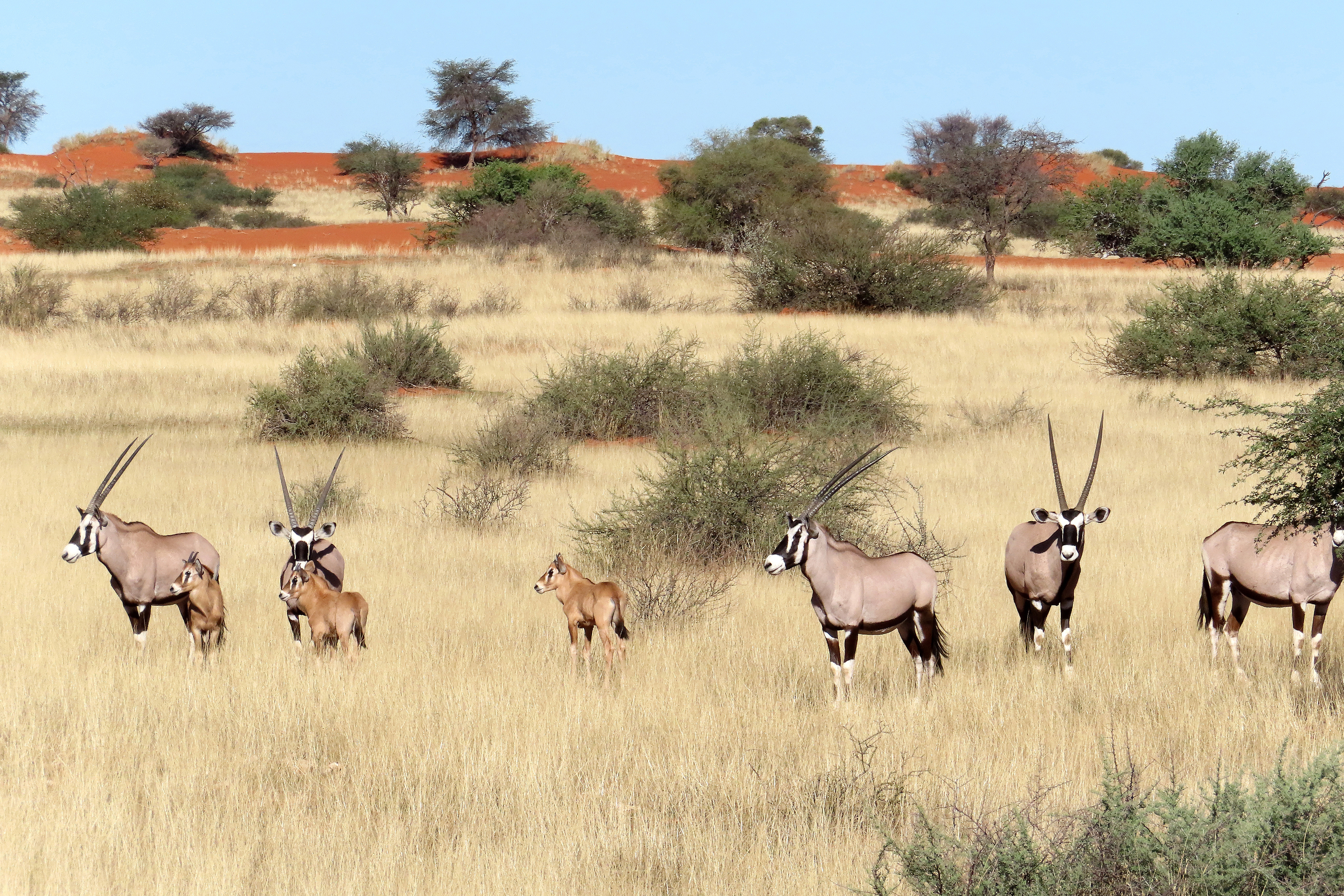
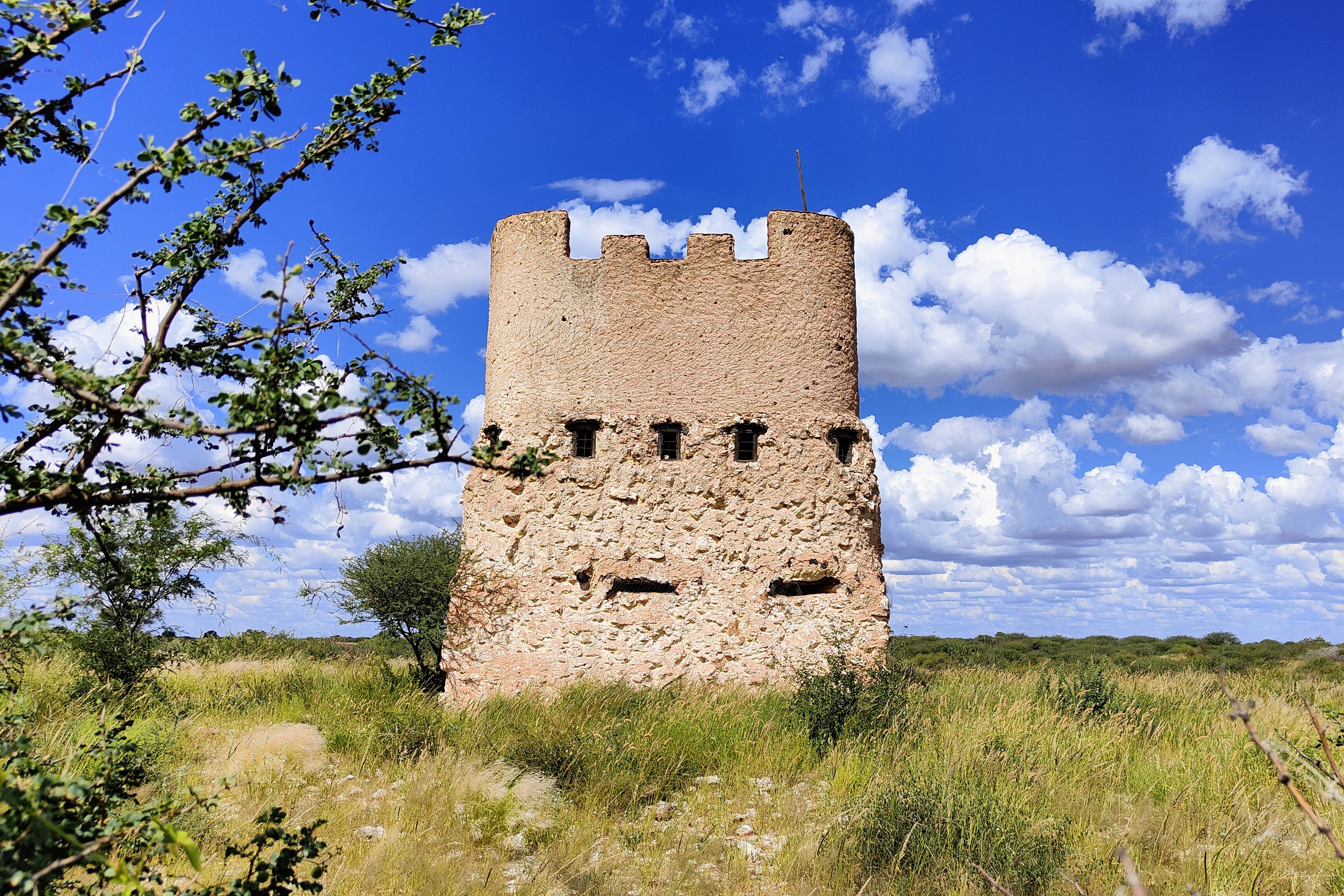
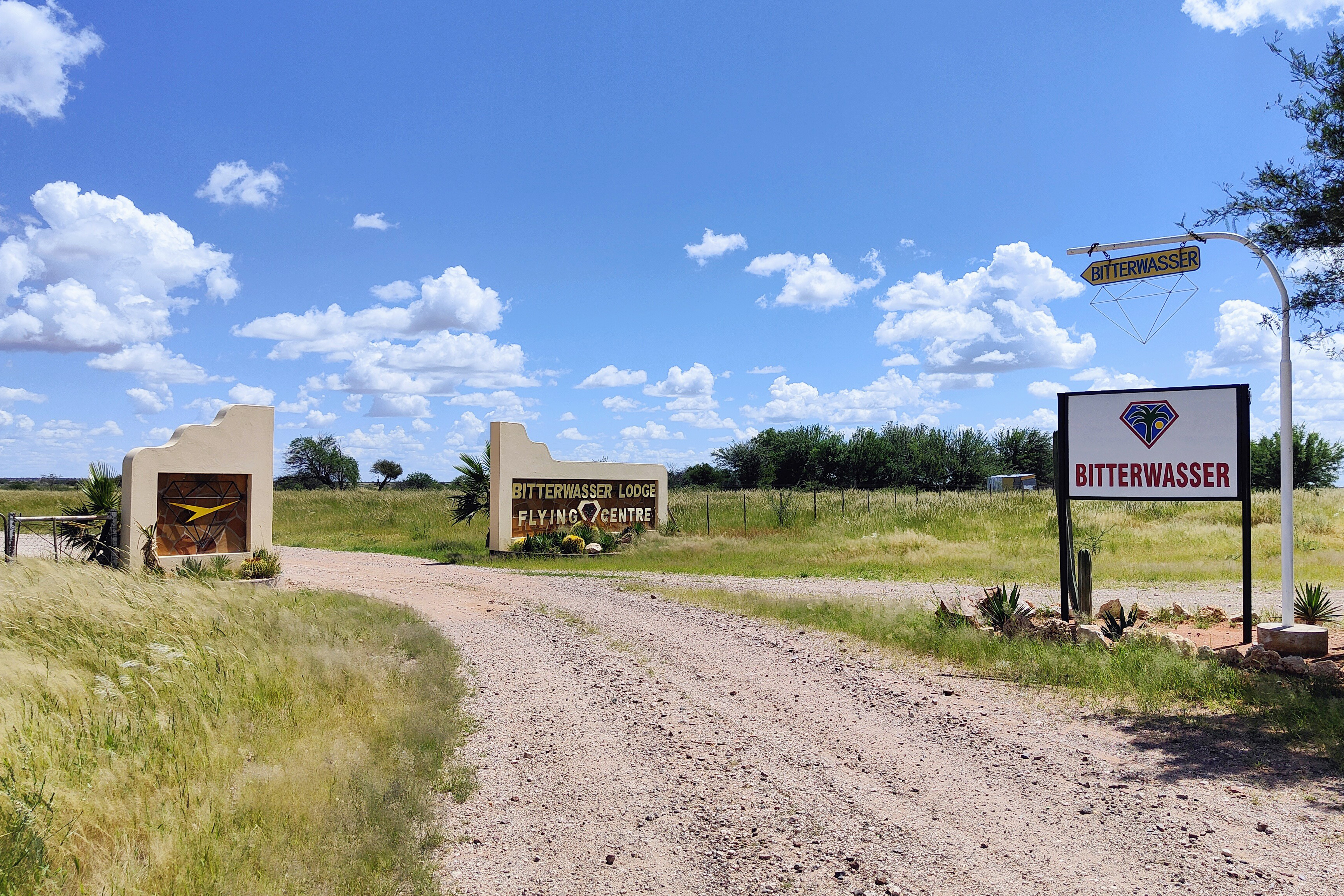
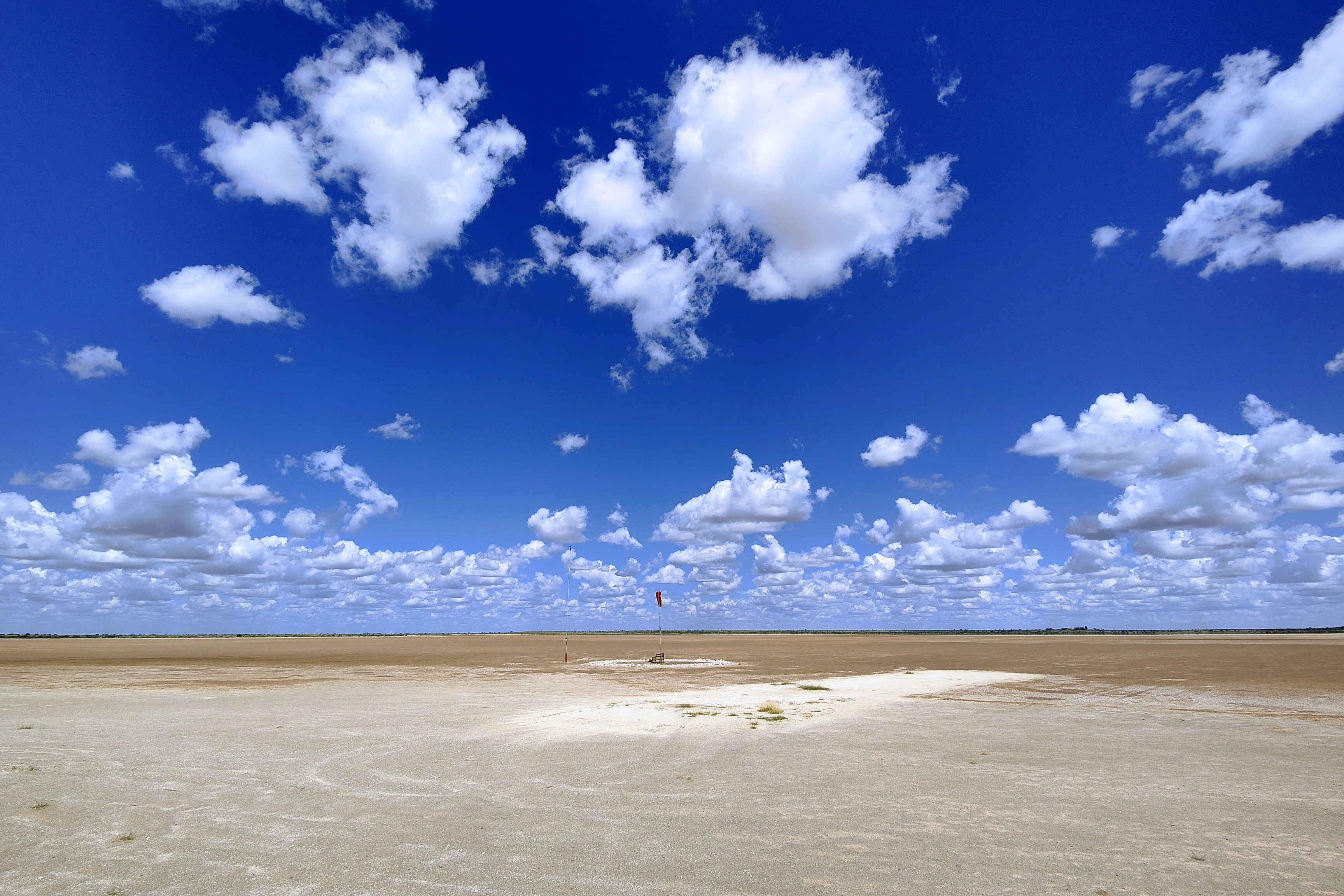
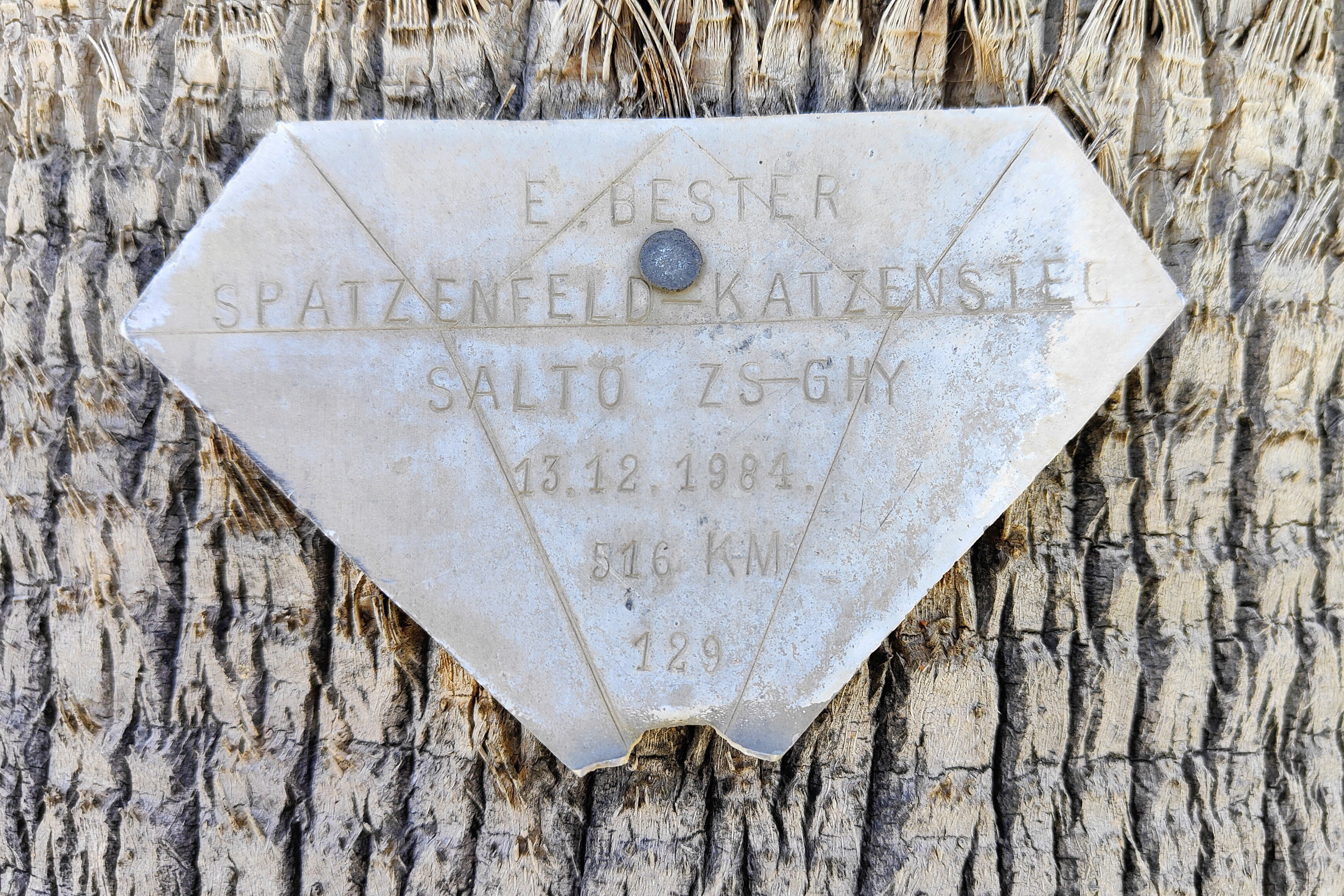
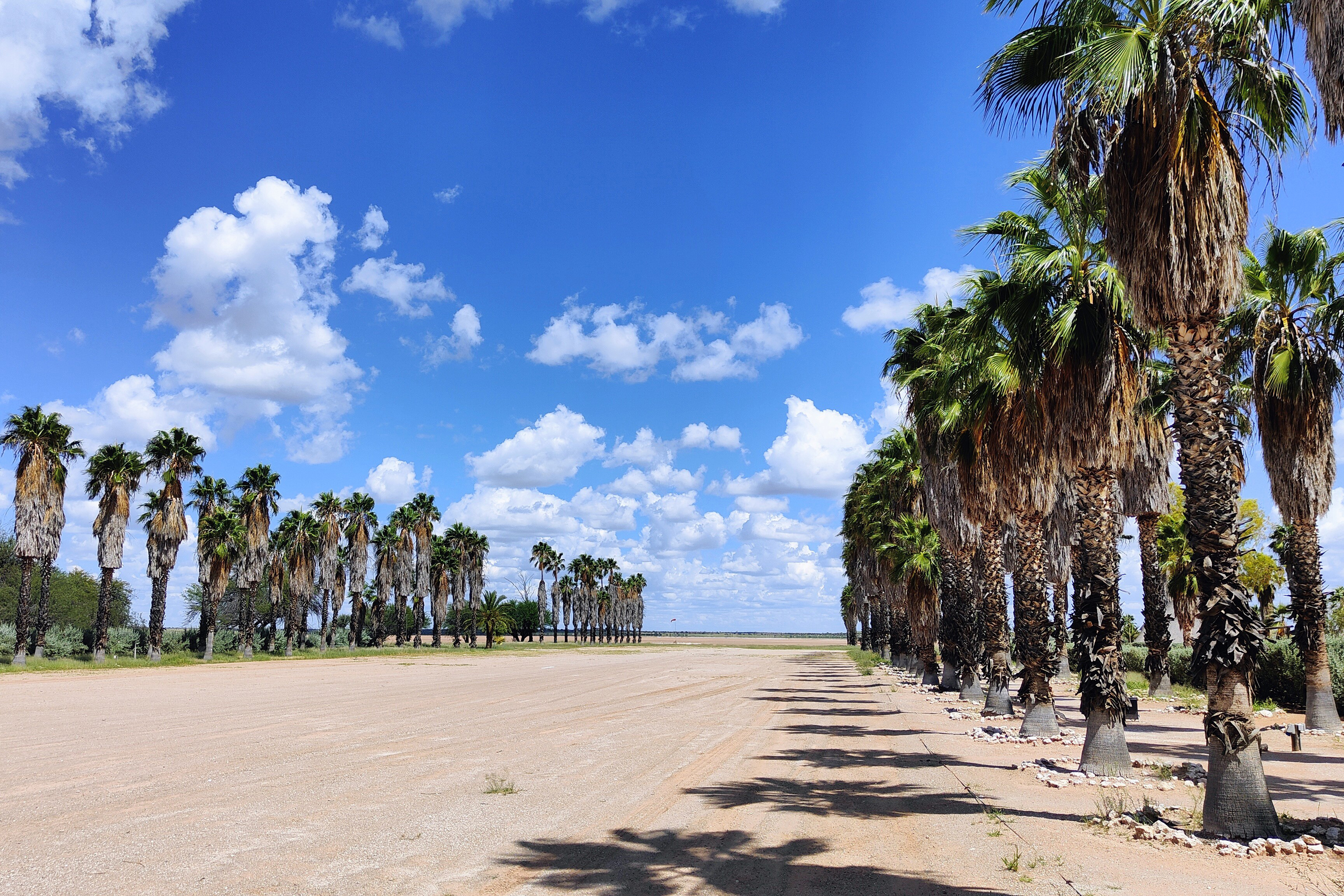
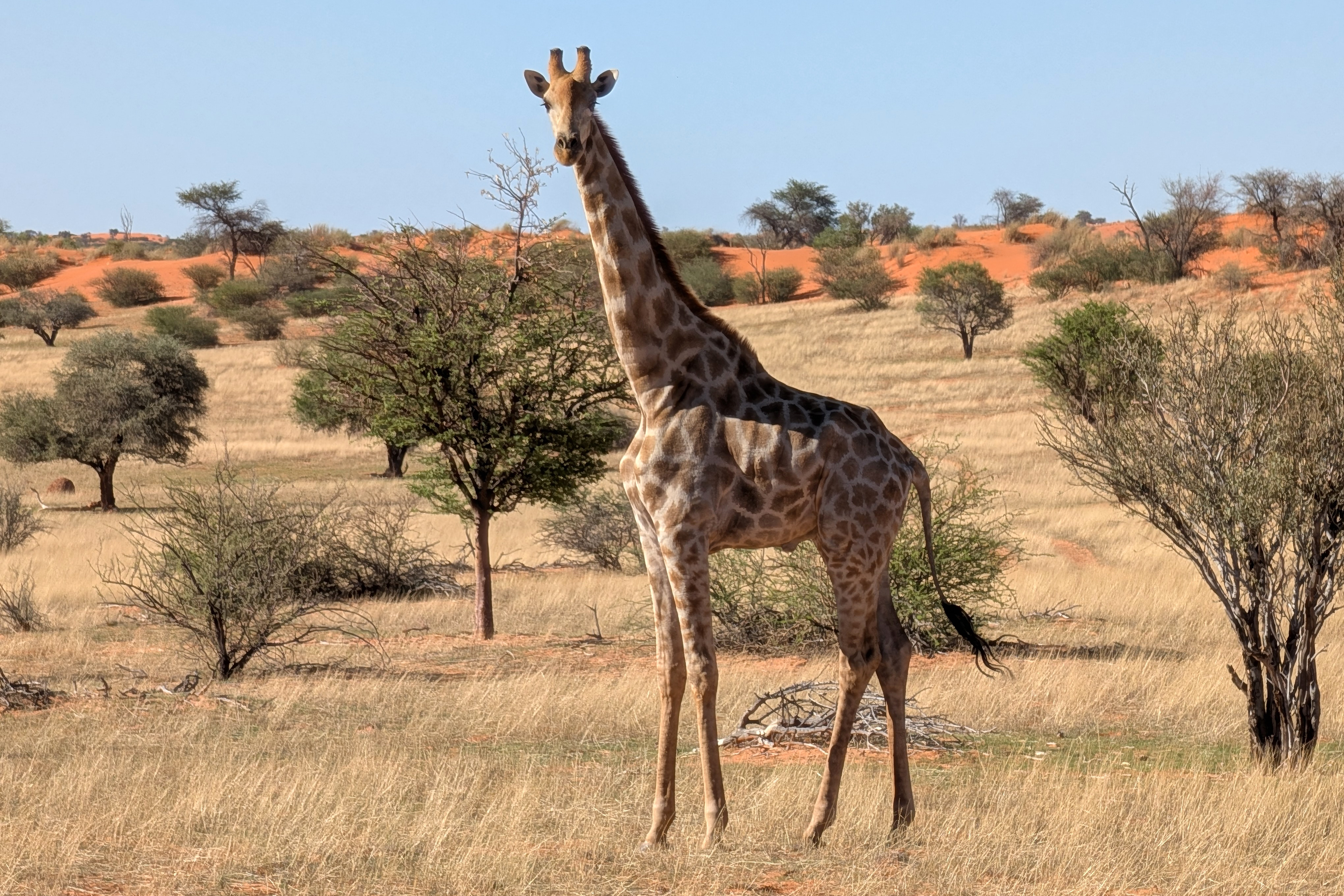
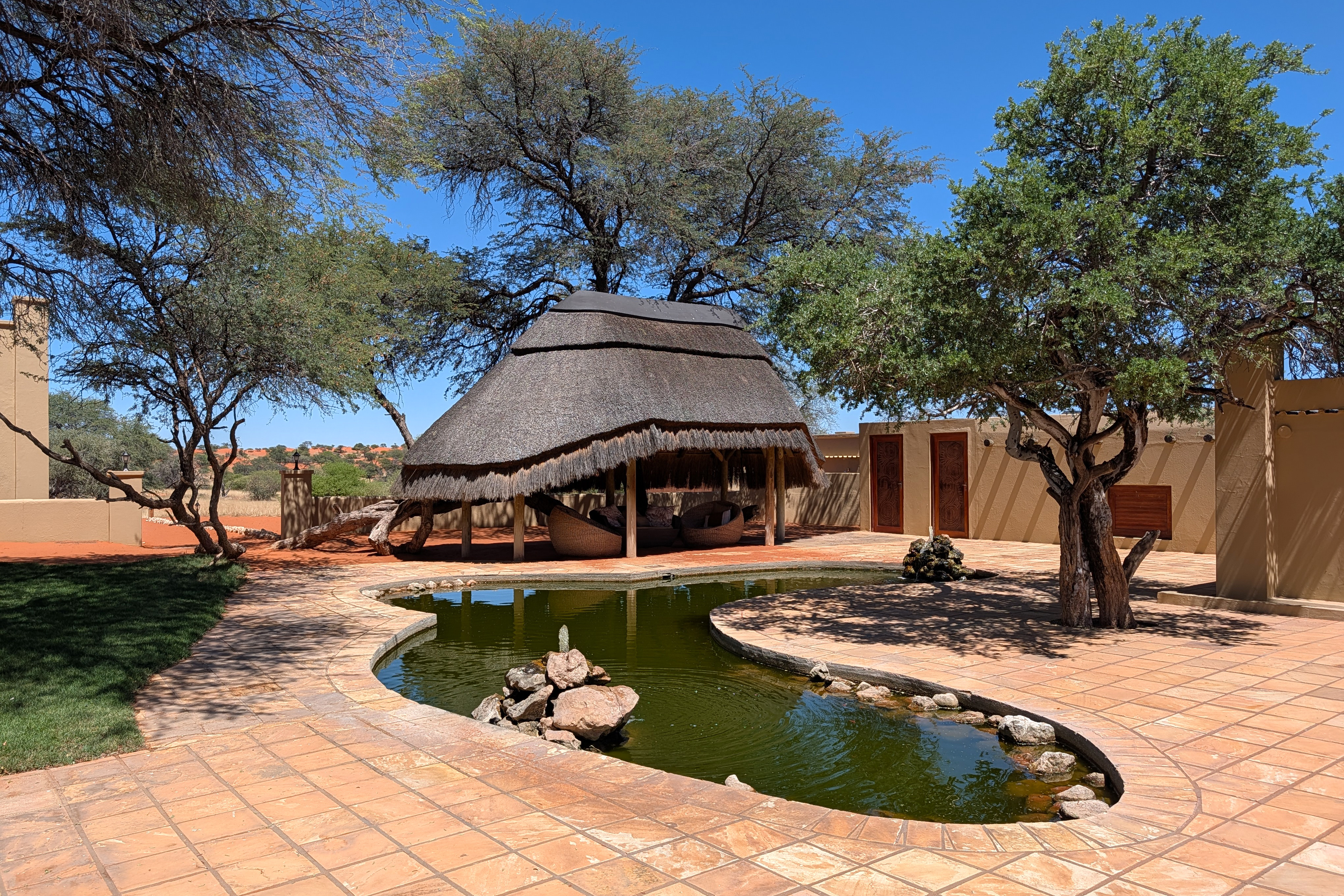
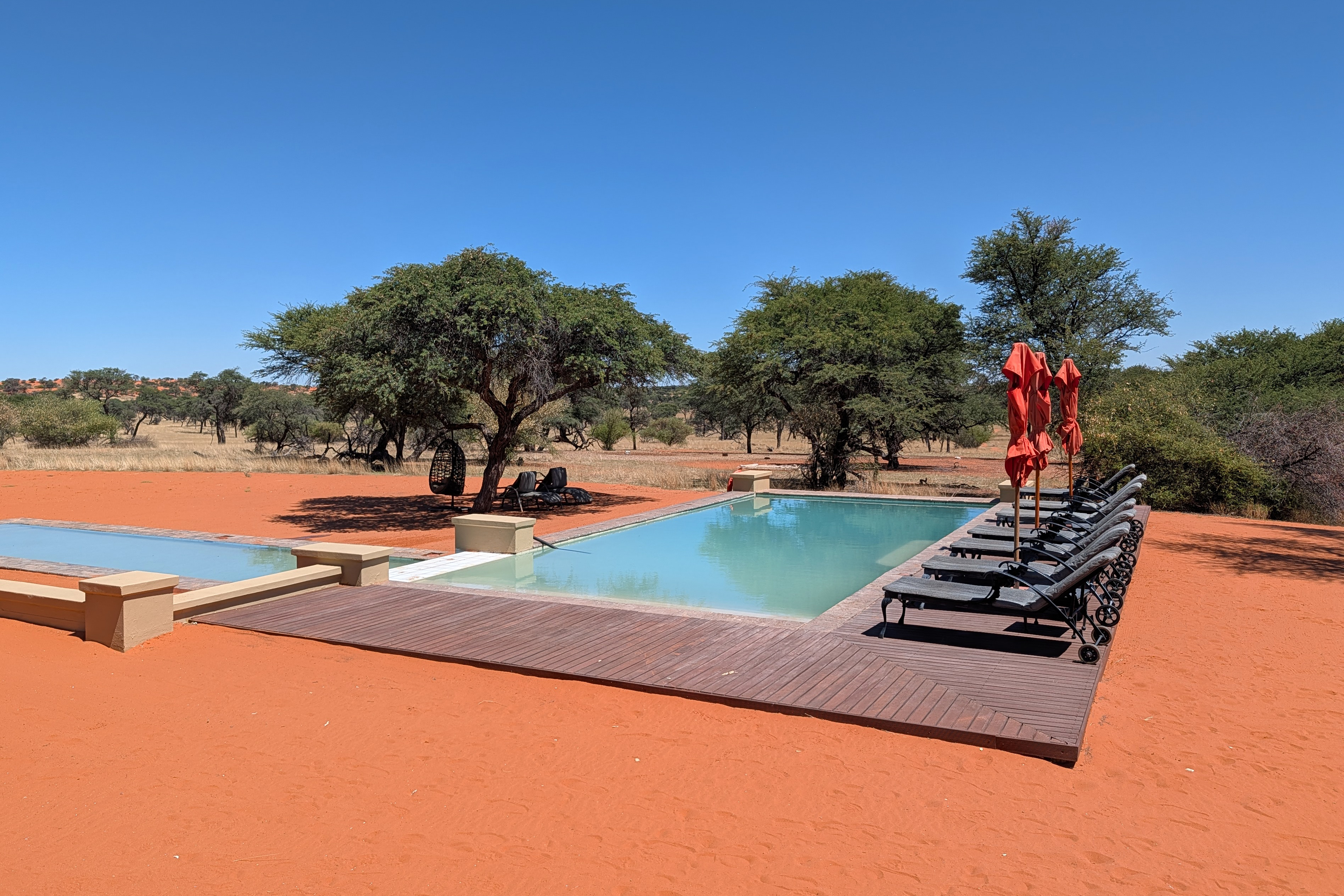
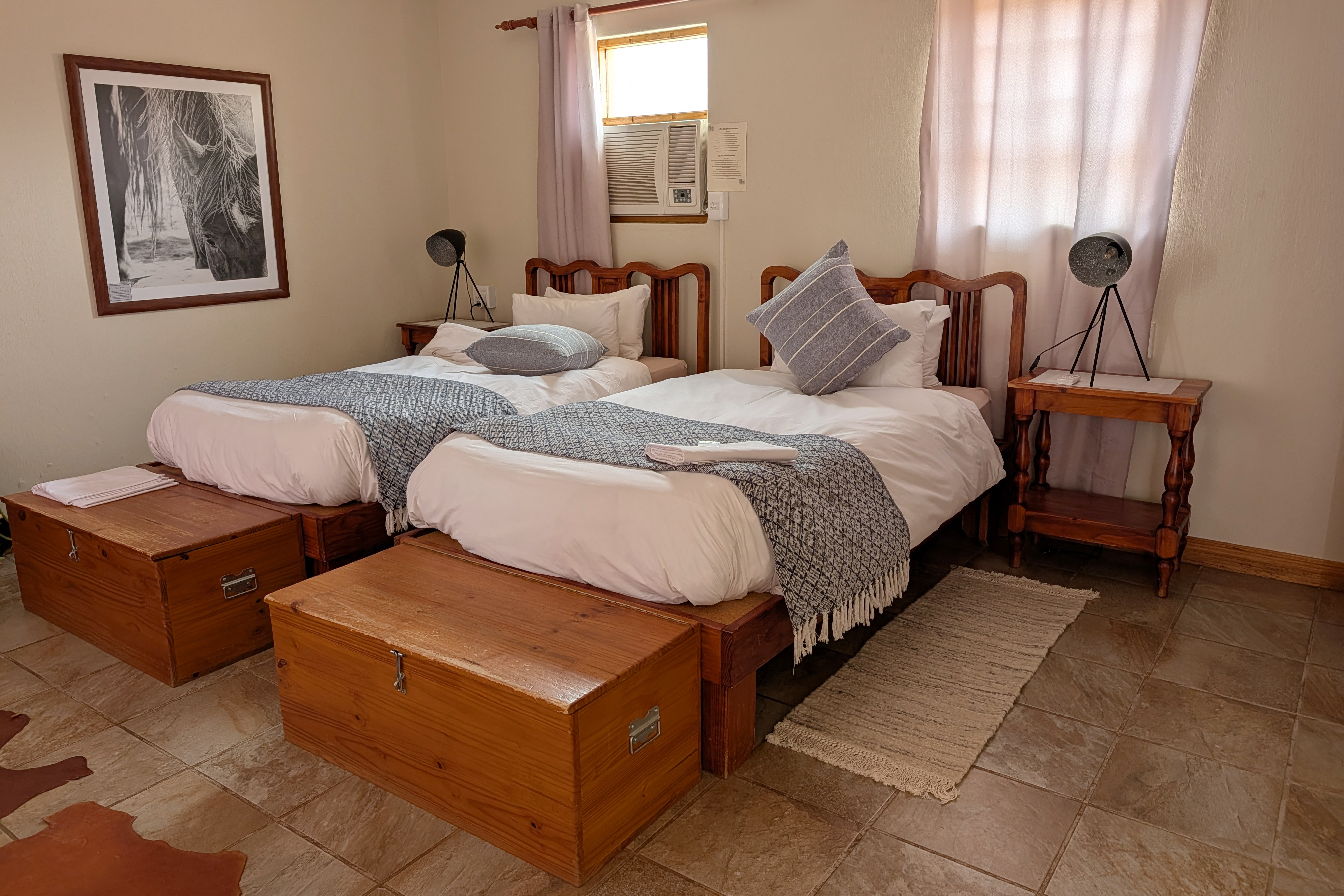
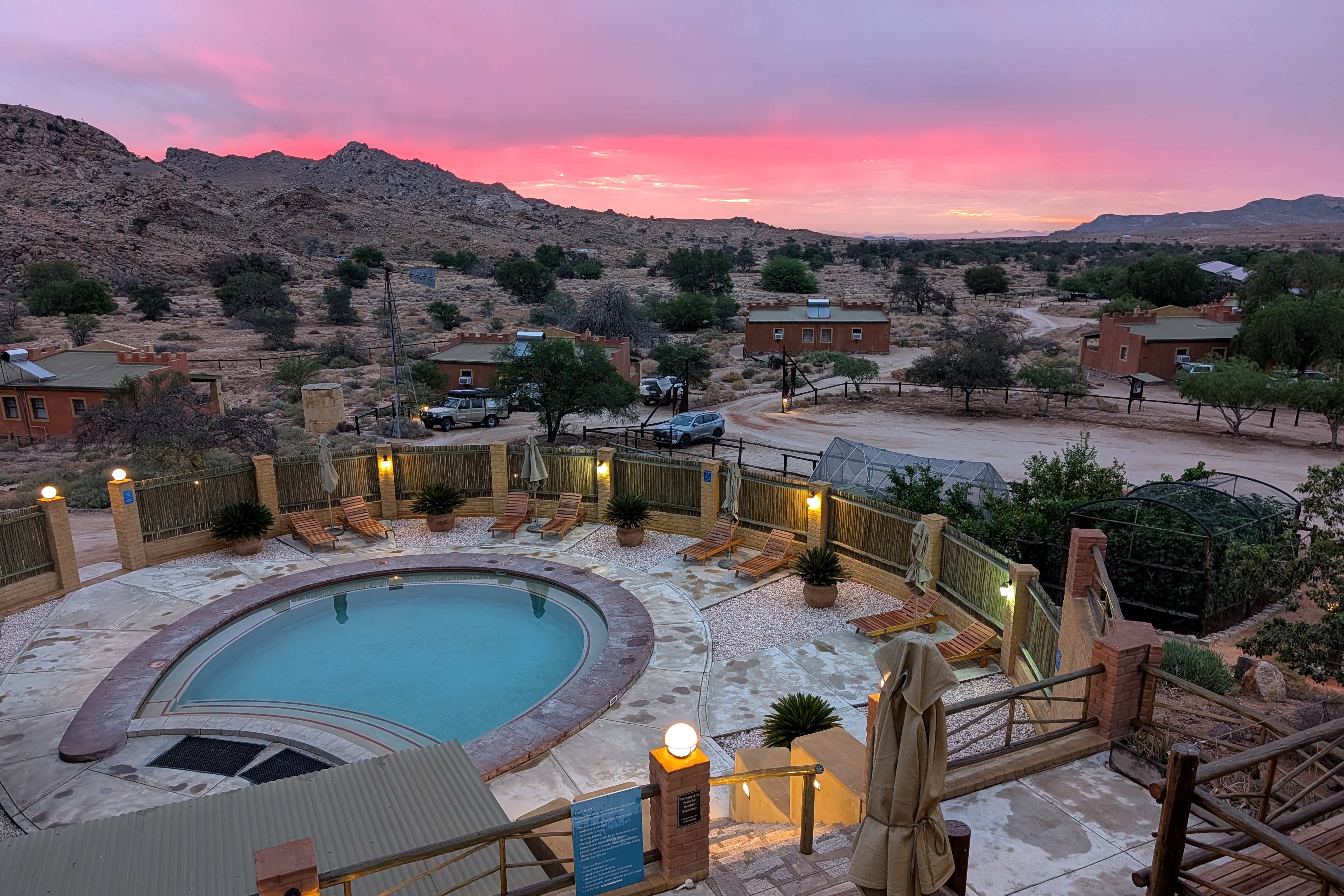
Today, the Grand-Tour begins with a trip to the south. We are heading for the red dunes of the Kalahari. The typical longitudinal dunes or linear dunes of the Kalahari are usually strongly overgrown with grasses, shrubs, and trees. This means that the positions of the dunes do not change, which distinguishes them from many of the dunes of the Namib in the west. On our way south, we will not take the asphalt road, but will drive on a route further east on gravel roads via Dordabis and Uhlenhorst. This remote route is much more scenic and offers a few interesting places to visit. Right at the beginning, we pass the Schutztruppenturm, which is a defence tower near Klein Nauas. This defensive tower of the German Schutztruppe was built during colonial times to combat the Rehoboth Baster uprising. On the drive, we will soon discover the first red sand dunes. Behind Uhlenhorst lies a place that is world-famous in gliding circles: more than 40 world records in gliding have been set at the Bitterwasser Farm because the thermal conditions there are so excellent. For particularly long flights – over 500 km, for example – a palm tree is planted in honor of the pilots. Over the years, this has resulted in an avenue of palm trees leading to the launch site. The launch site consists of a huge white clay pan, typical of the Kalahari, which is often flooded during the rainy season. The soil of the pan is highly alkaline, giving the water a bitter taste. The airfield is therefore not used during the rainy season from February onwards. From Bitterwasser, it is not far, and we drive directly through the longitudinal dunes to our accommodation, the Zebra Kalahari Lodge. The lodge is beautifully situated between the dunes. It offers air-conditioned rooms, a veranda overlooking the waterhole, and a beautiful pool. In the late afternoon, you can enjoy a game drive or go on a short Bushman walk. In the evening, various residents of the Kalahari can be seen at the waterhole. With a little luck, you will see giraffes, springboks, wildebeests, oryx or zebras.
Included services: Accommodation, breakfast, dinner, game drive in 4WD
-
Day 3
Kalahari - Fish River Canyon
-
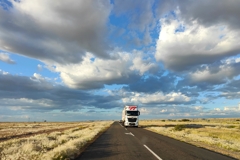
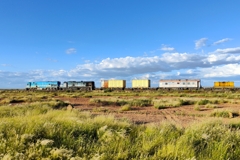
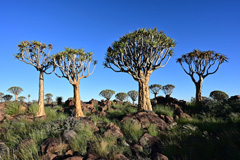
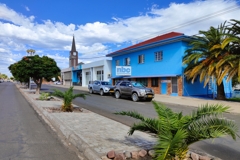
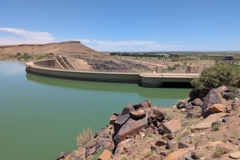
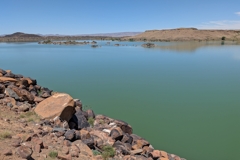
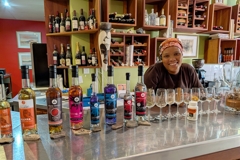
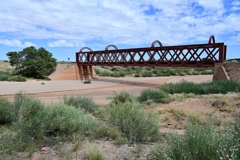
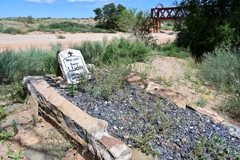
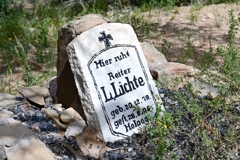
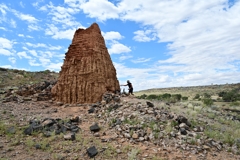
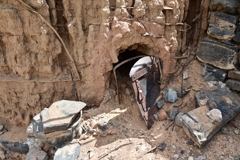
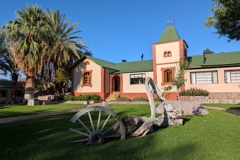
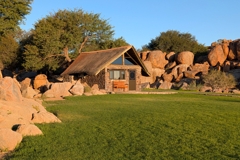
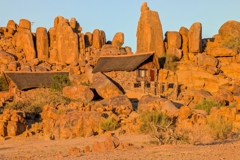
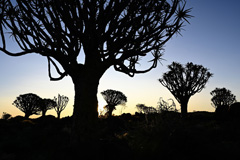
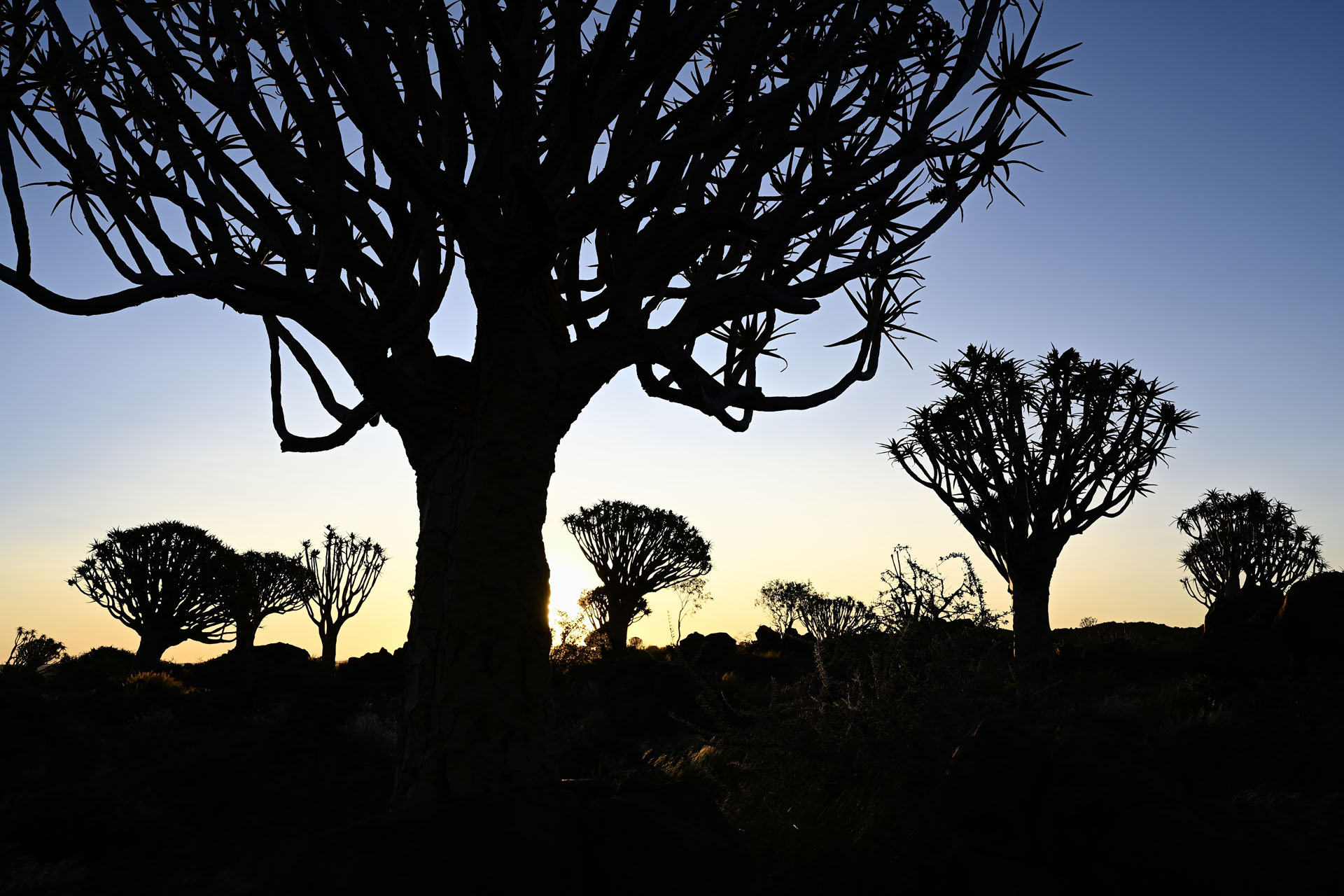
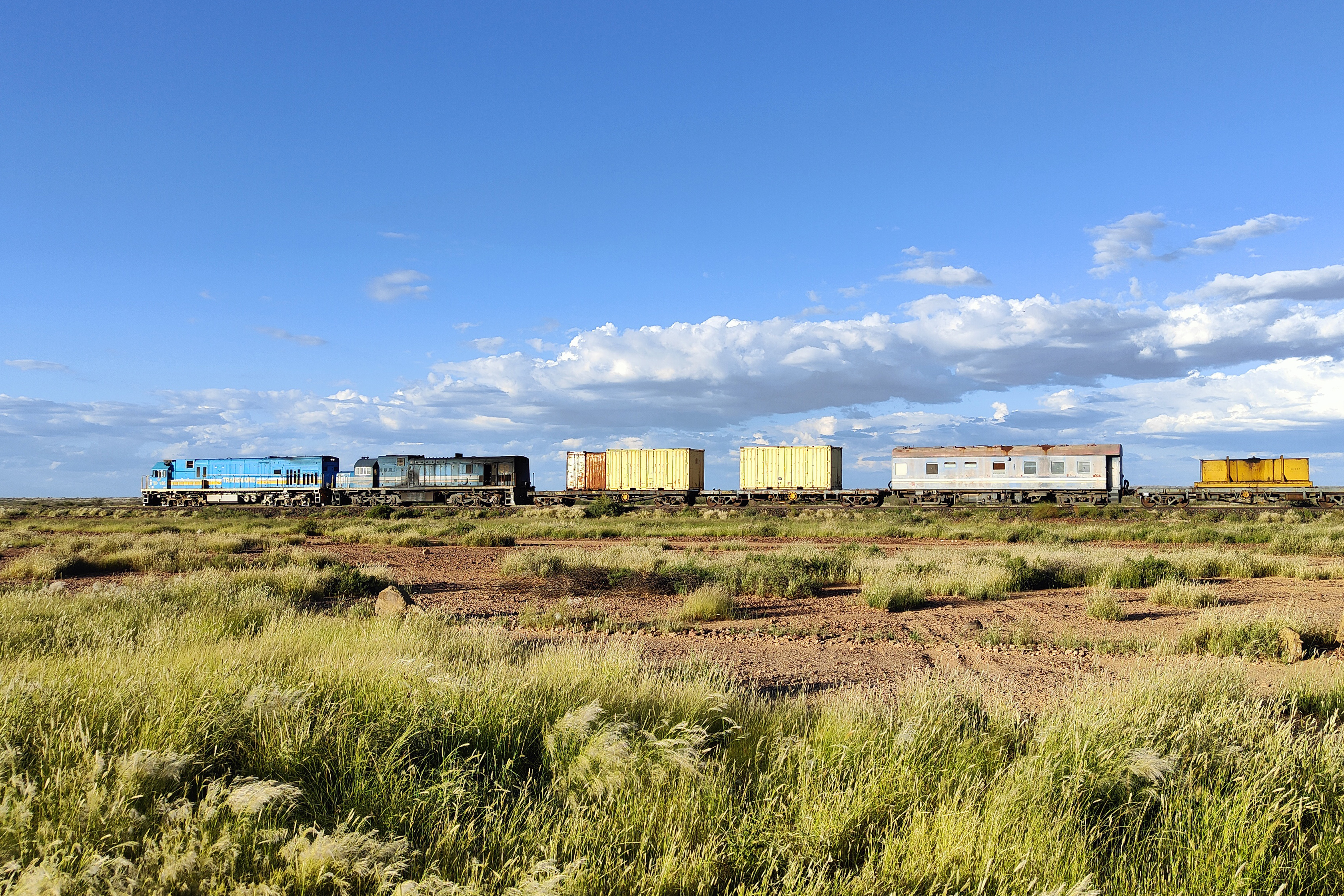
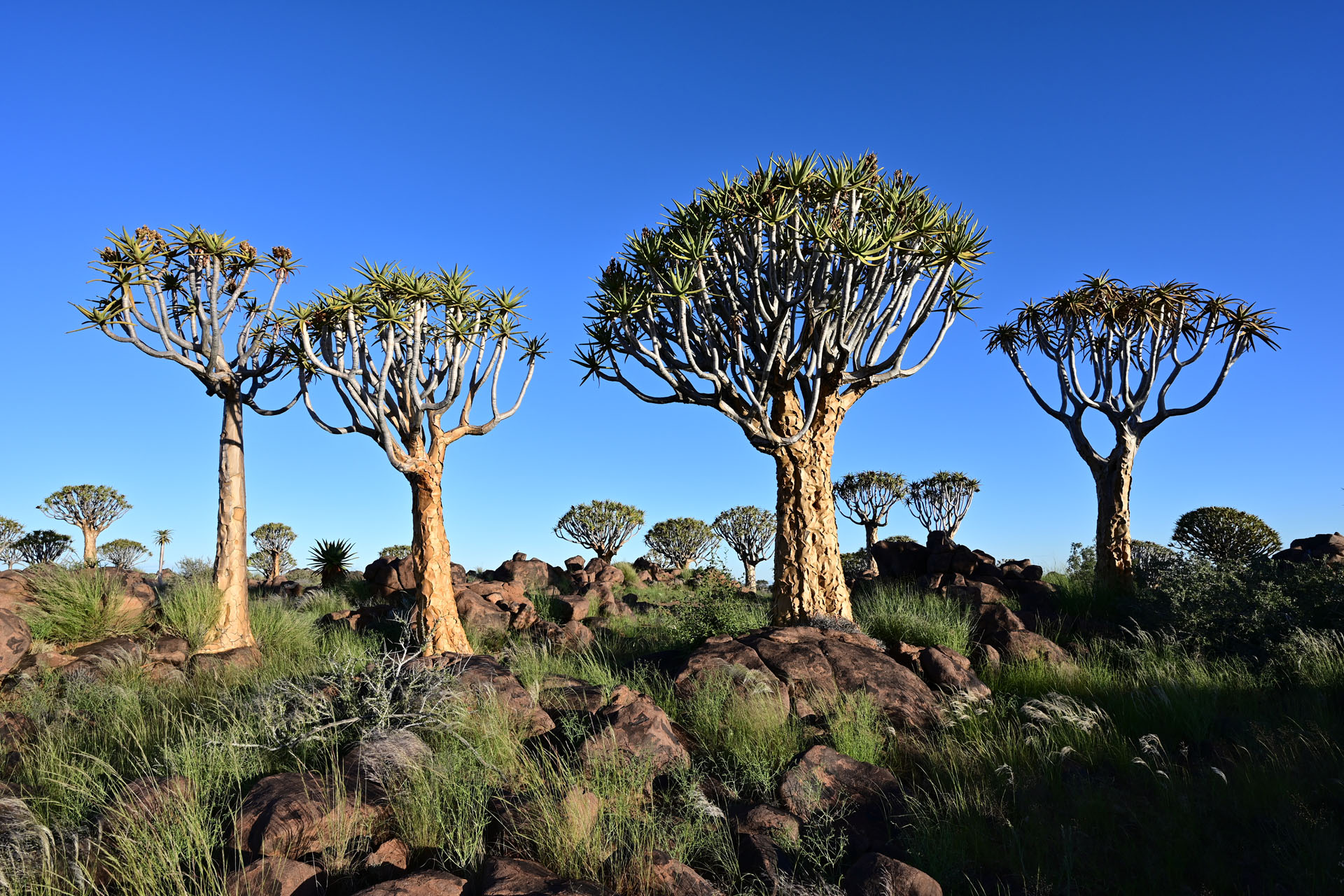
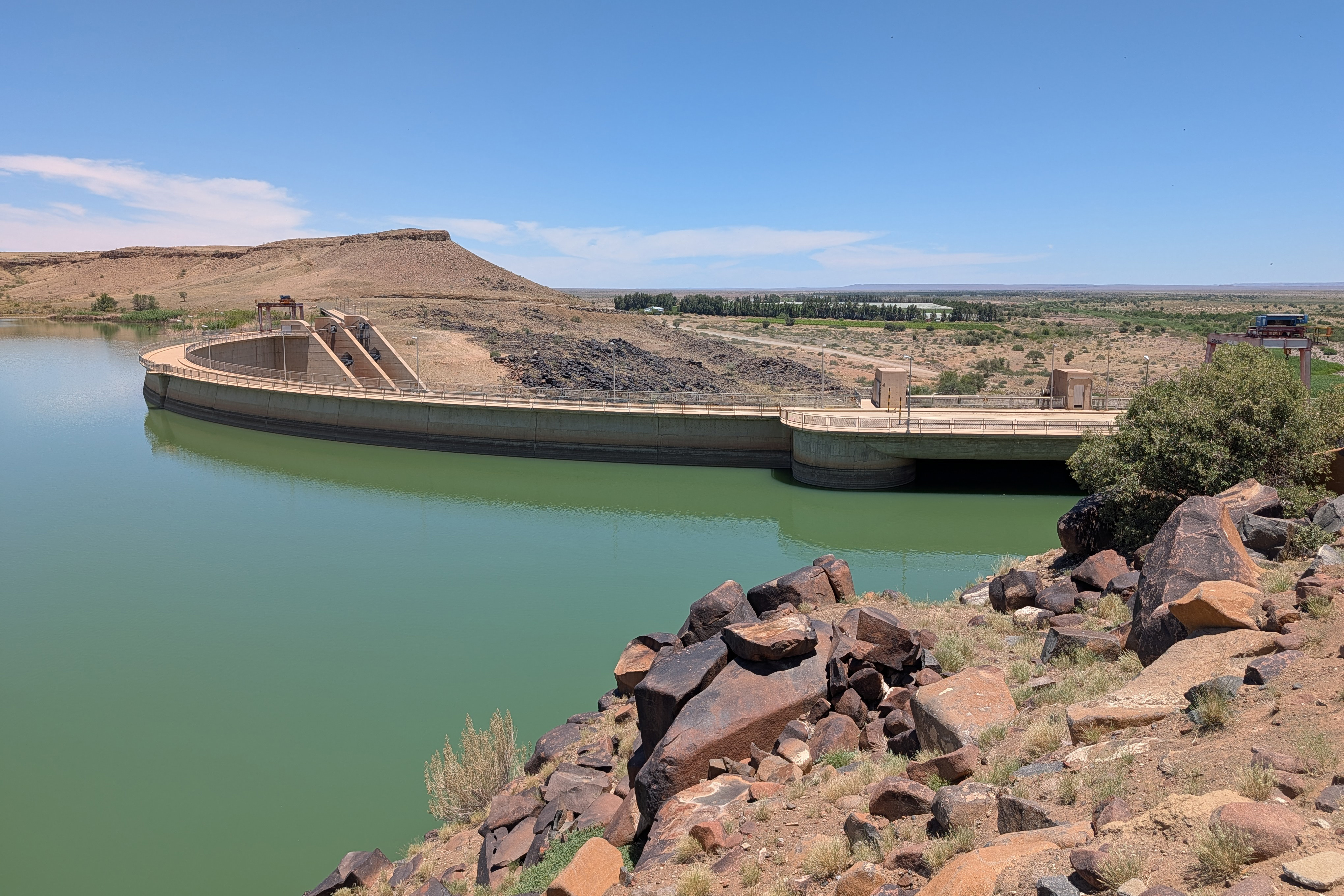
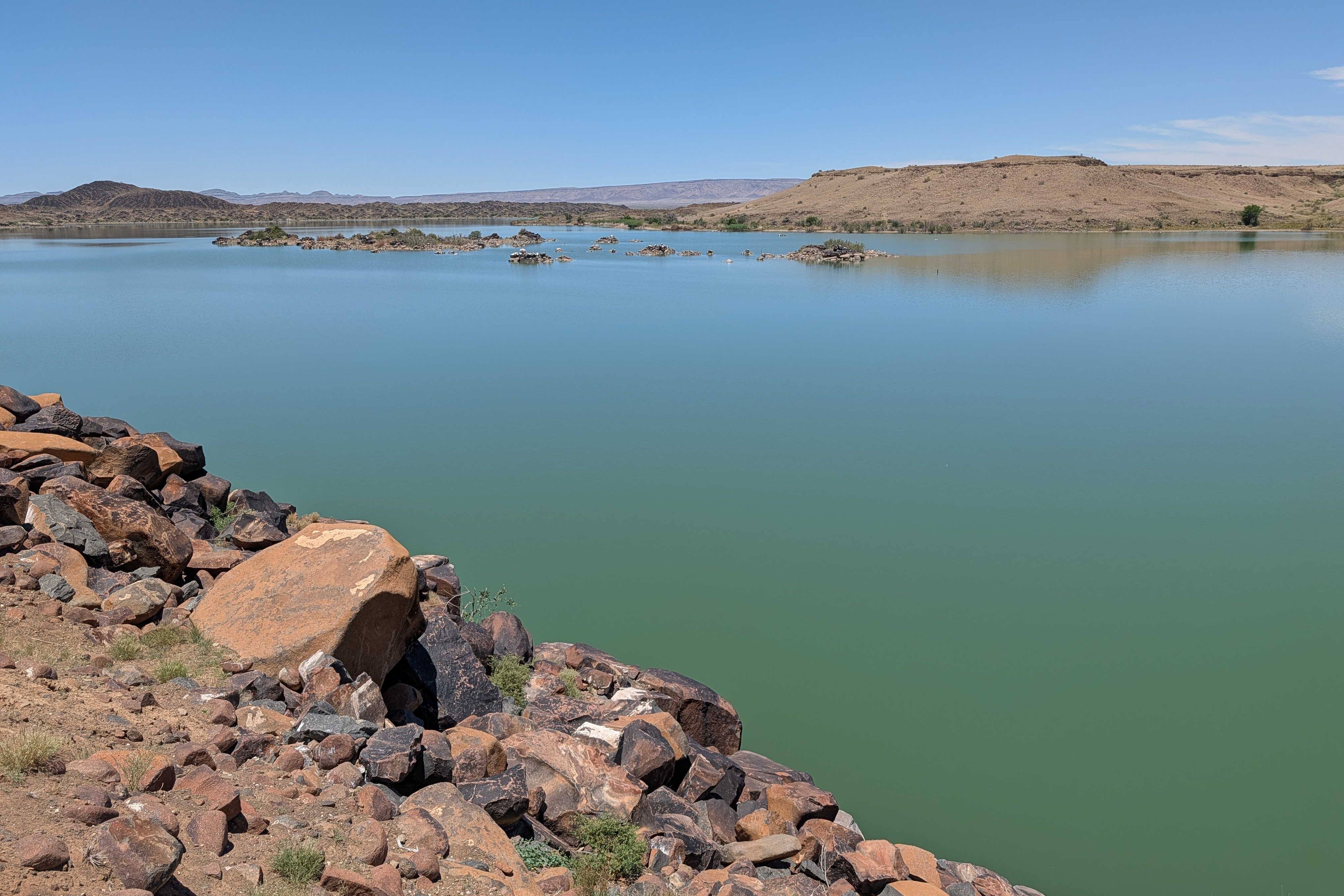
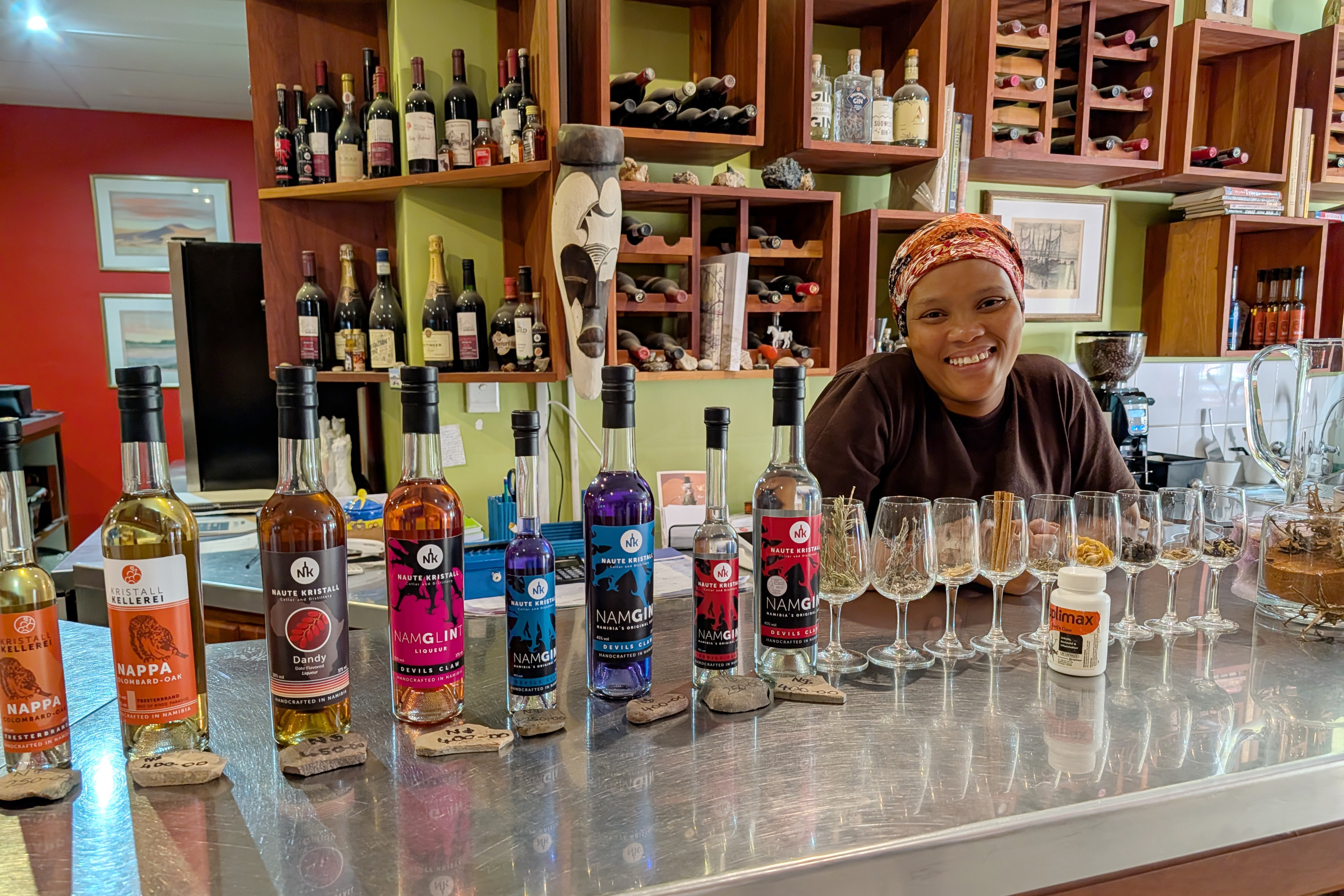
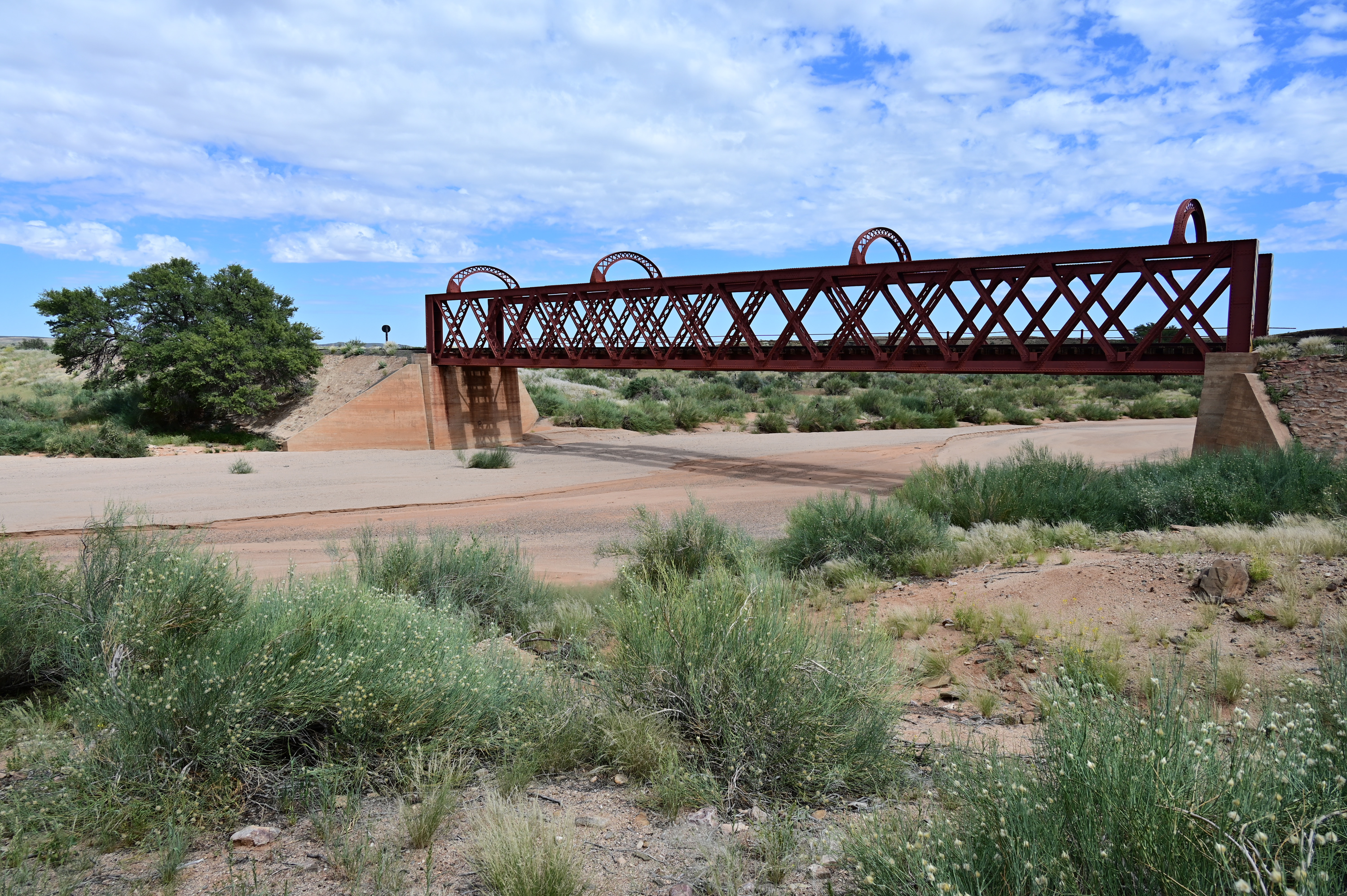
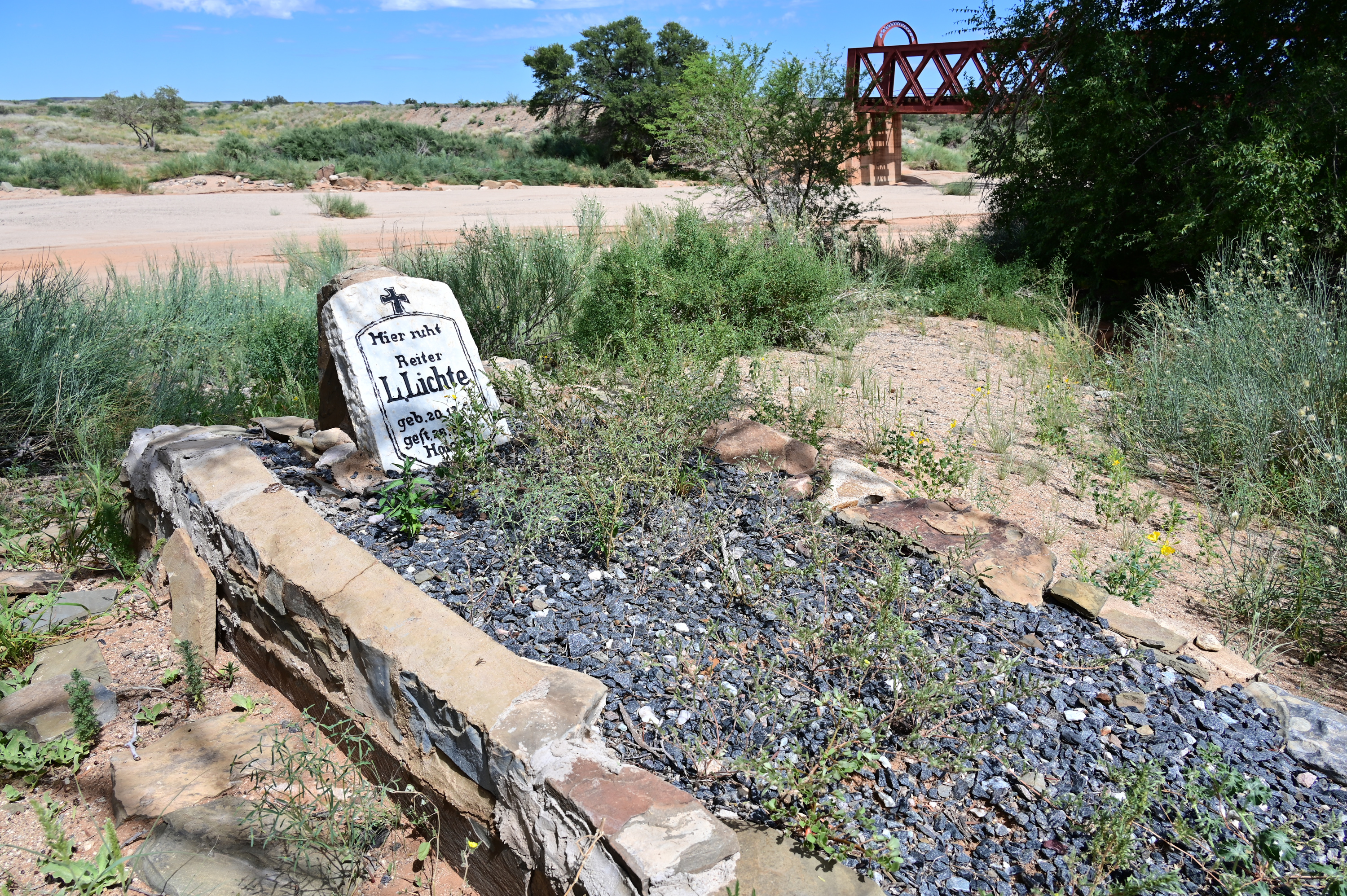
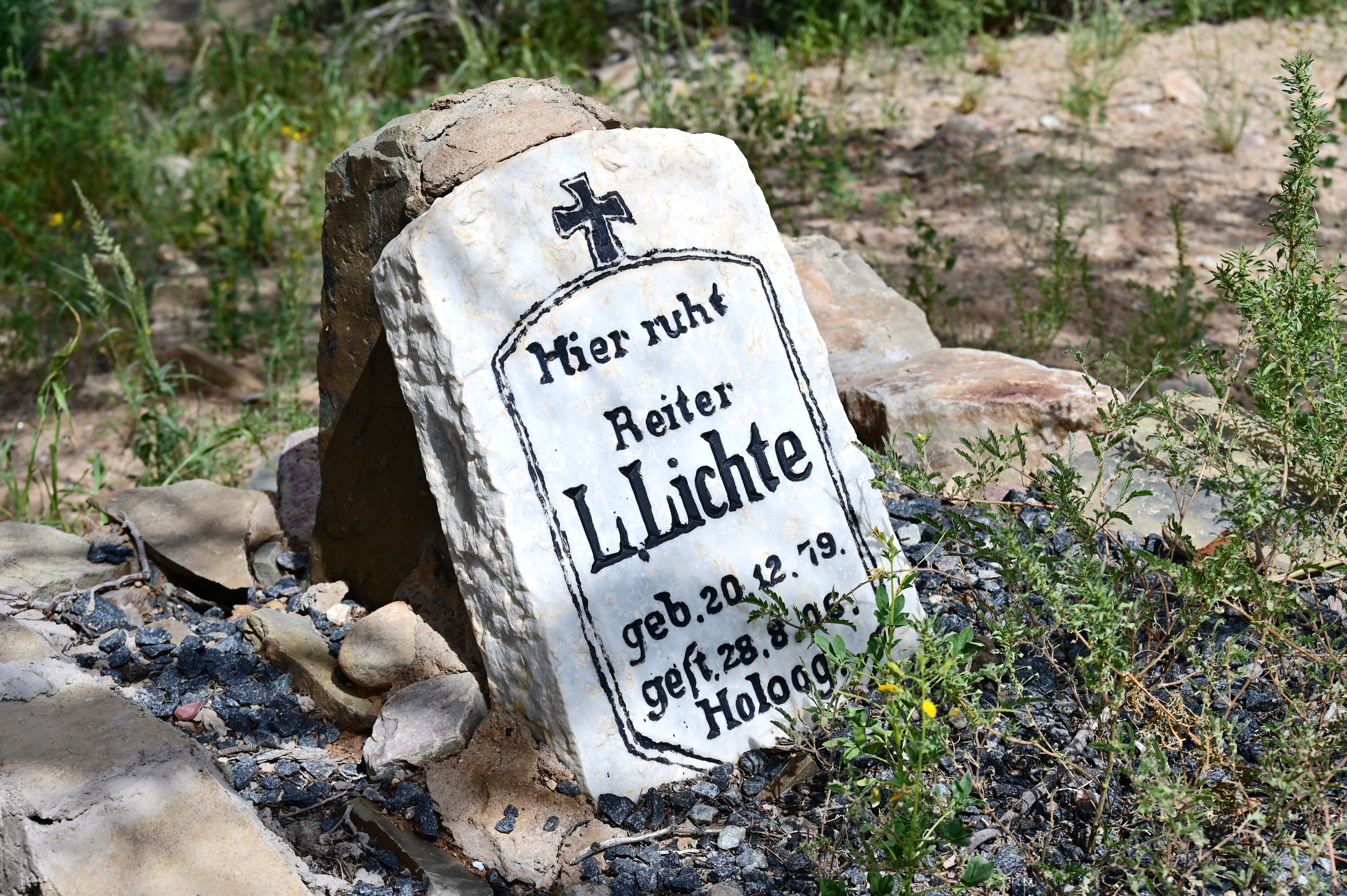
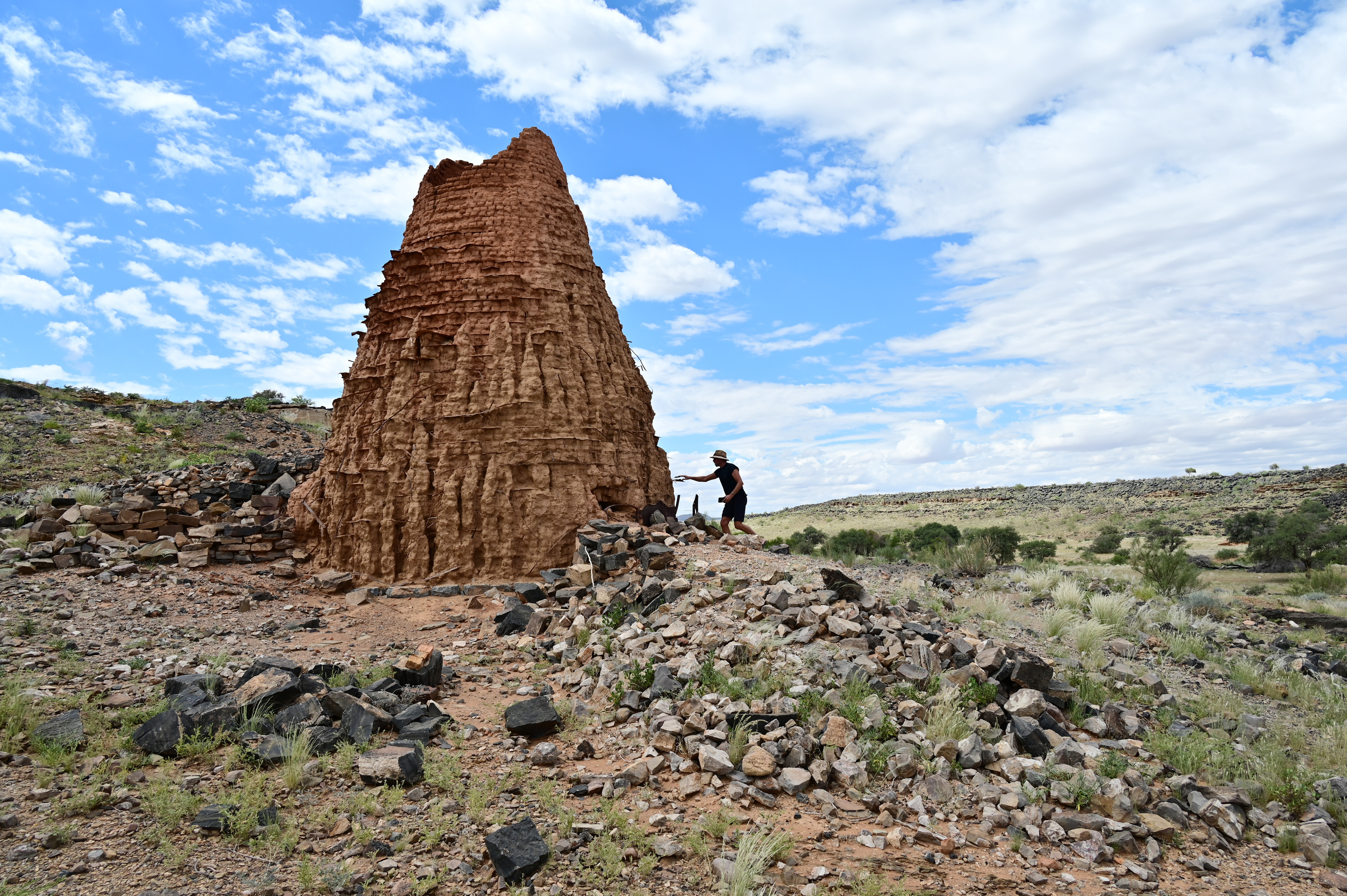
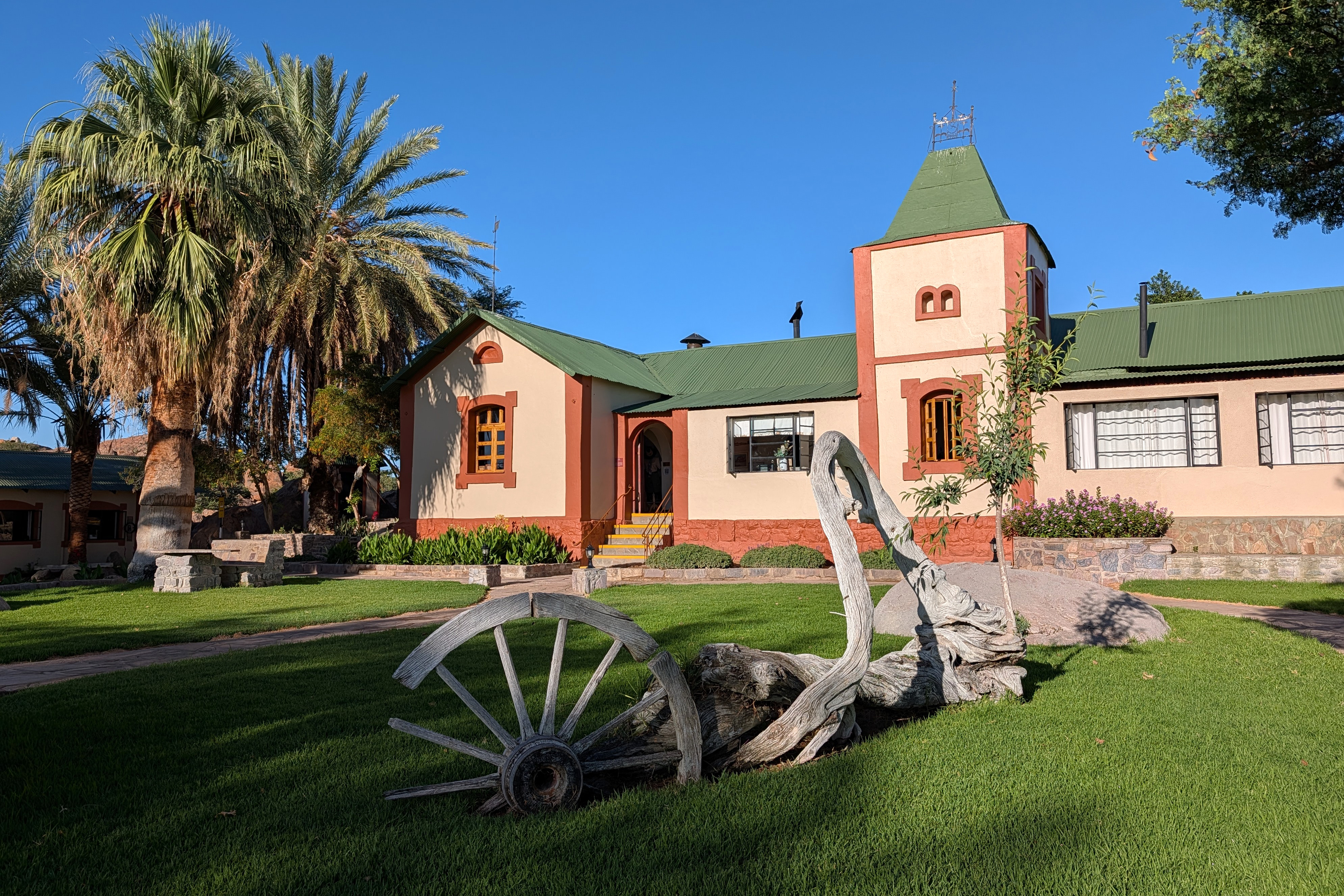
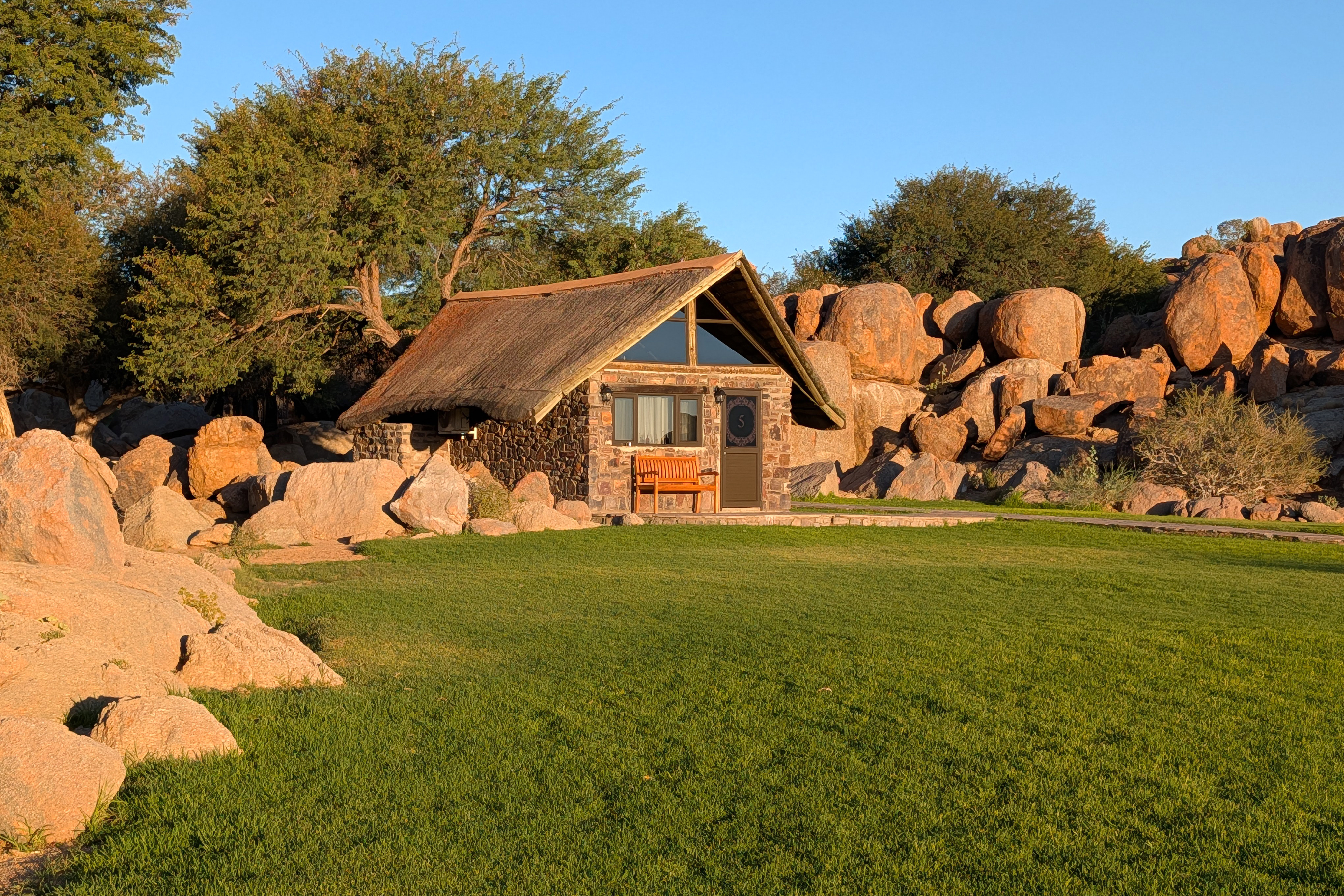
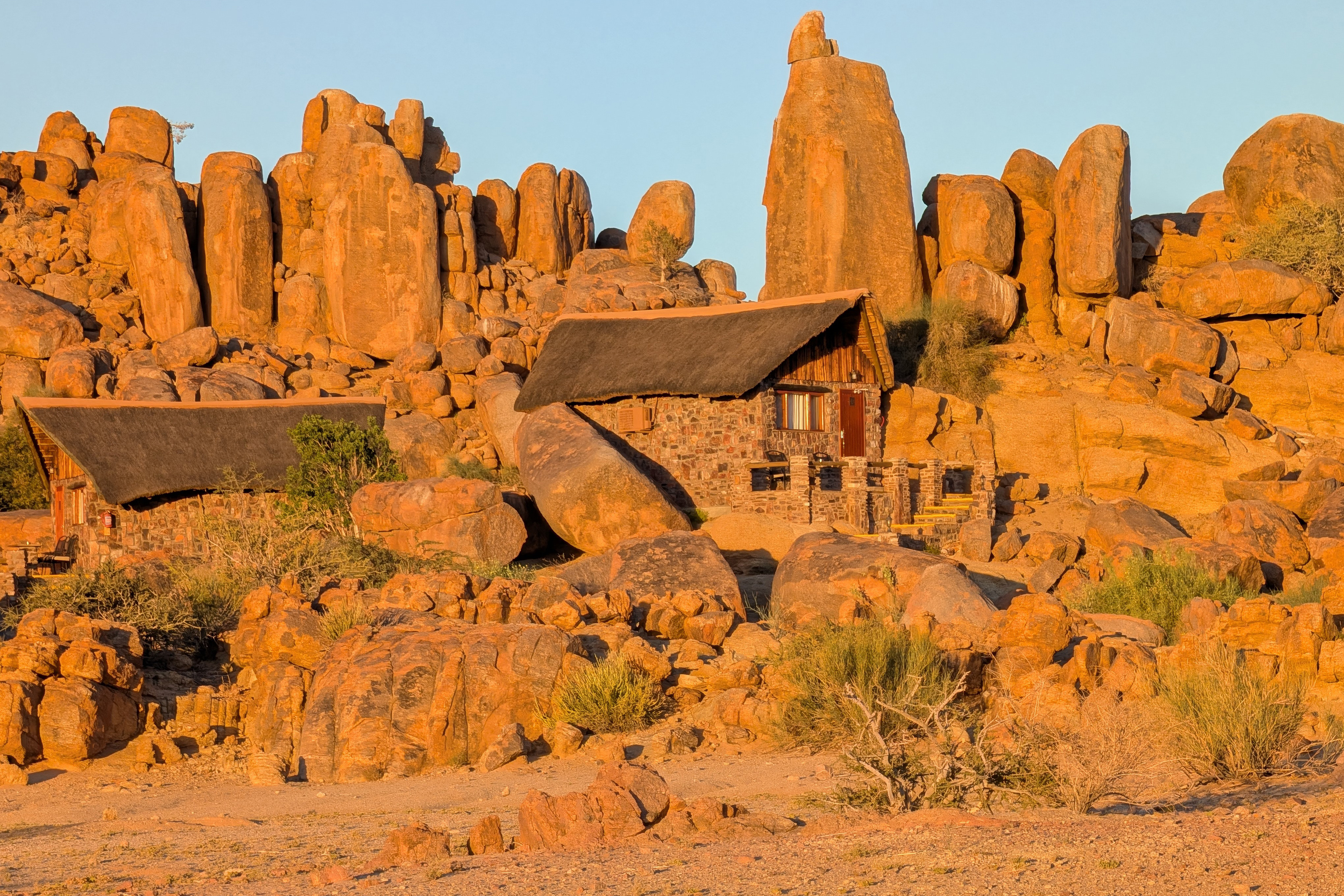
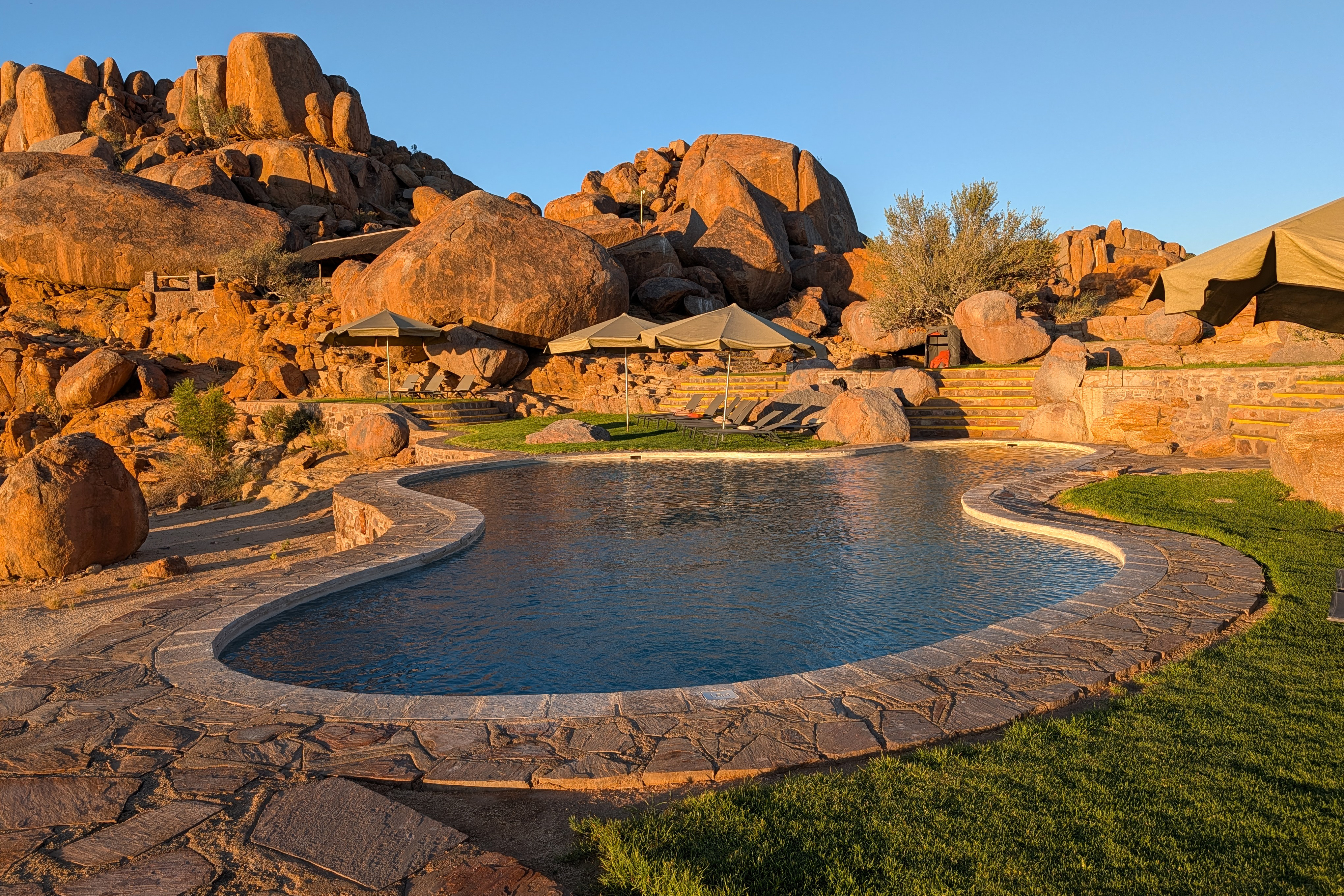
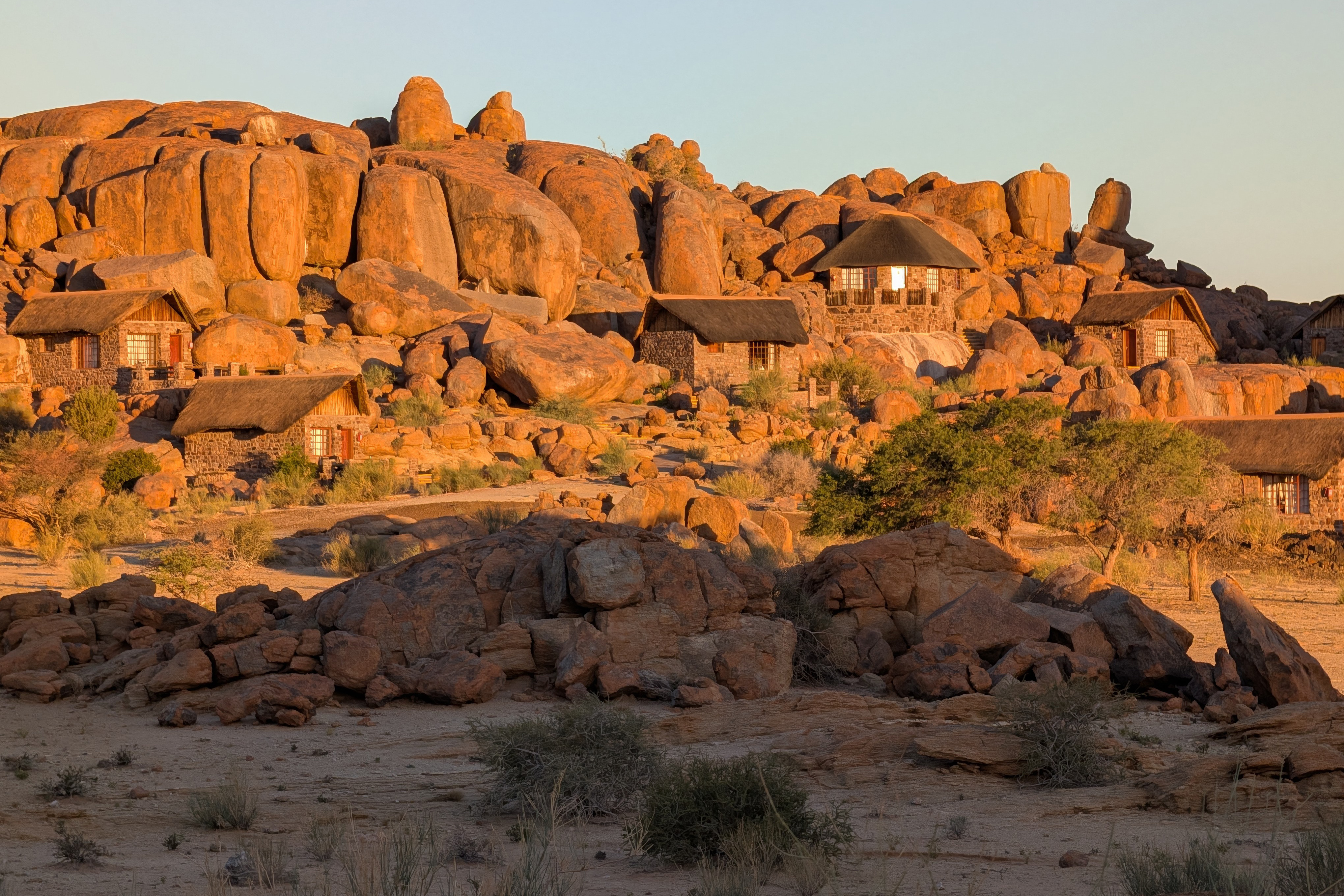
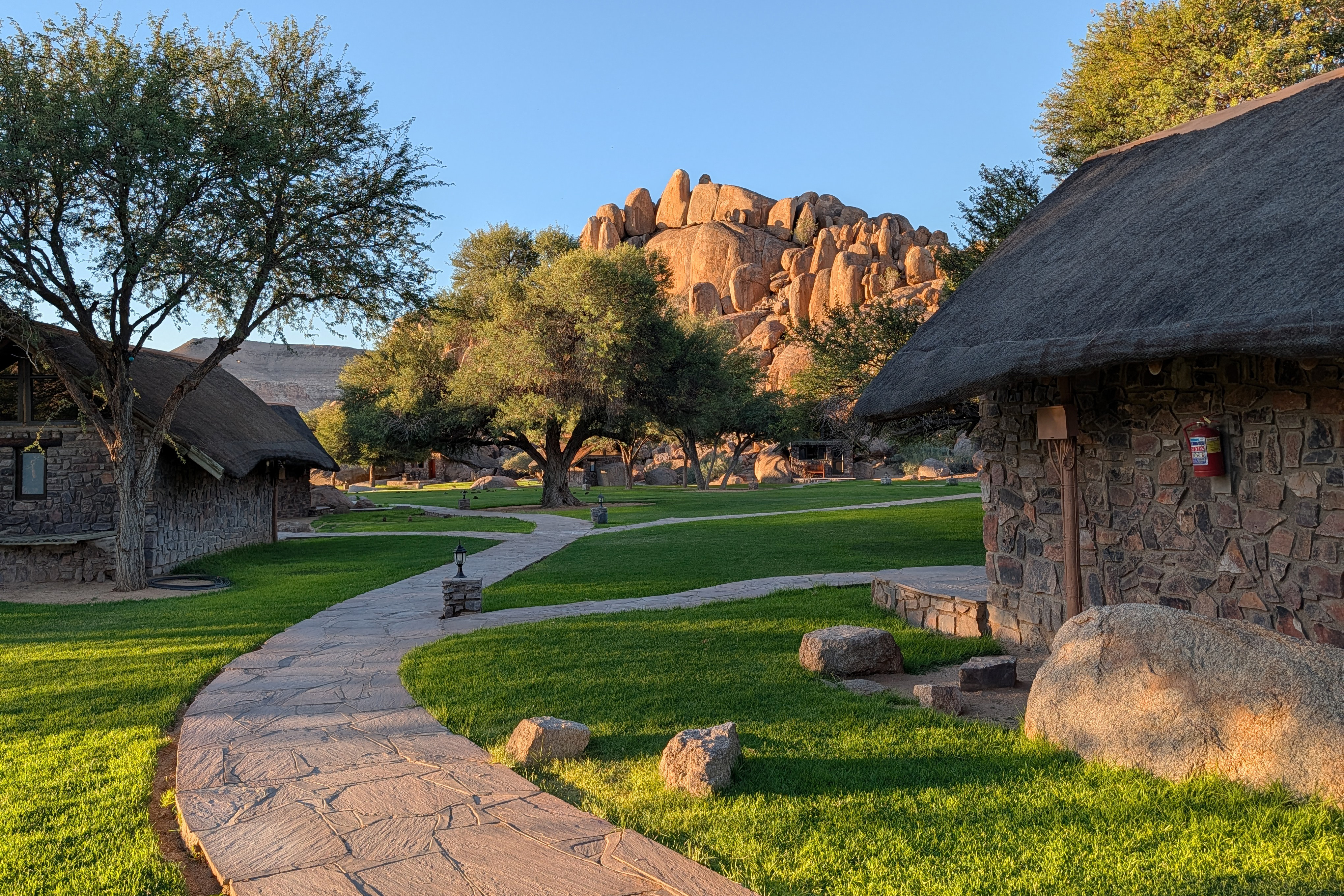
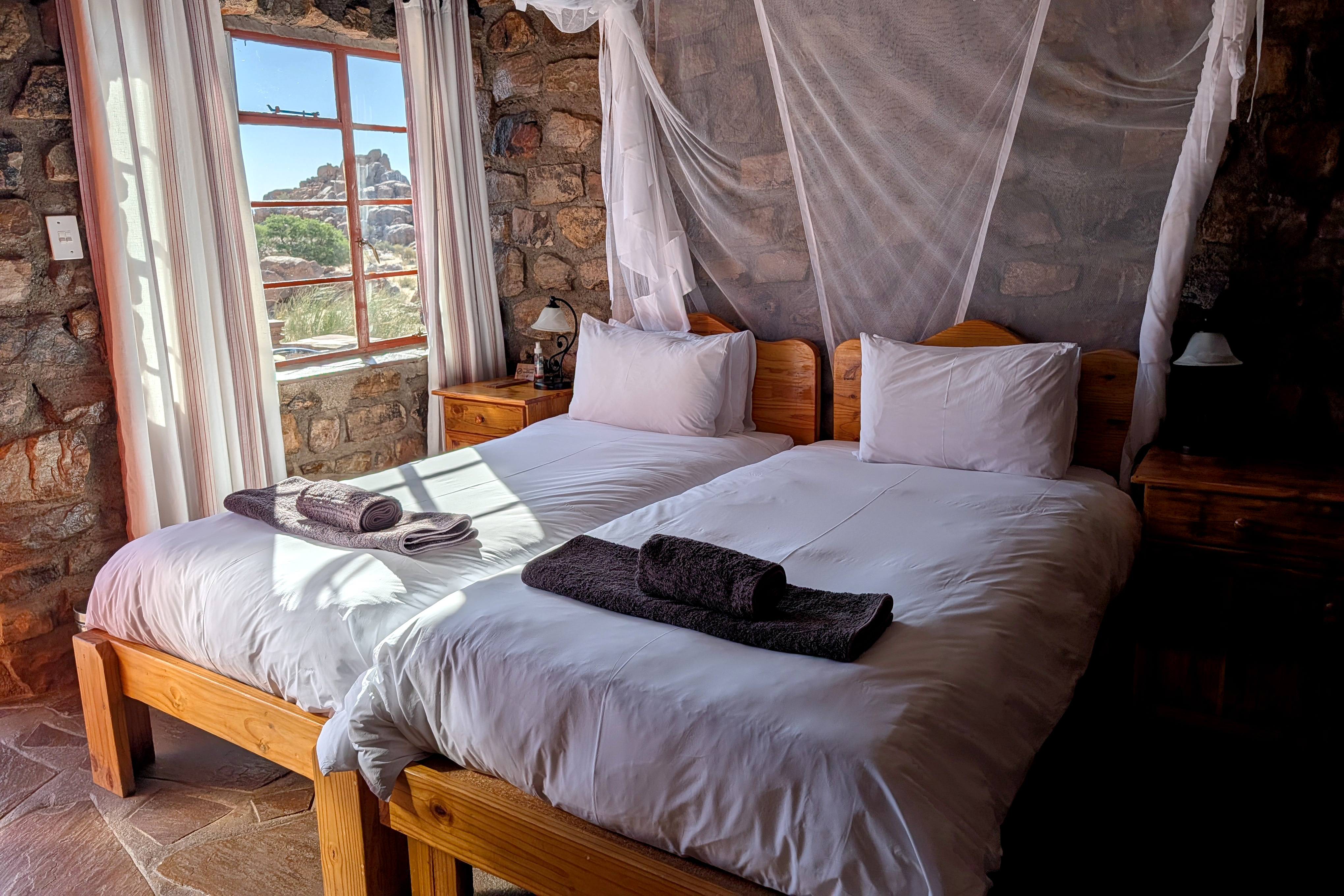
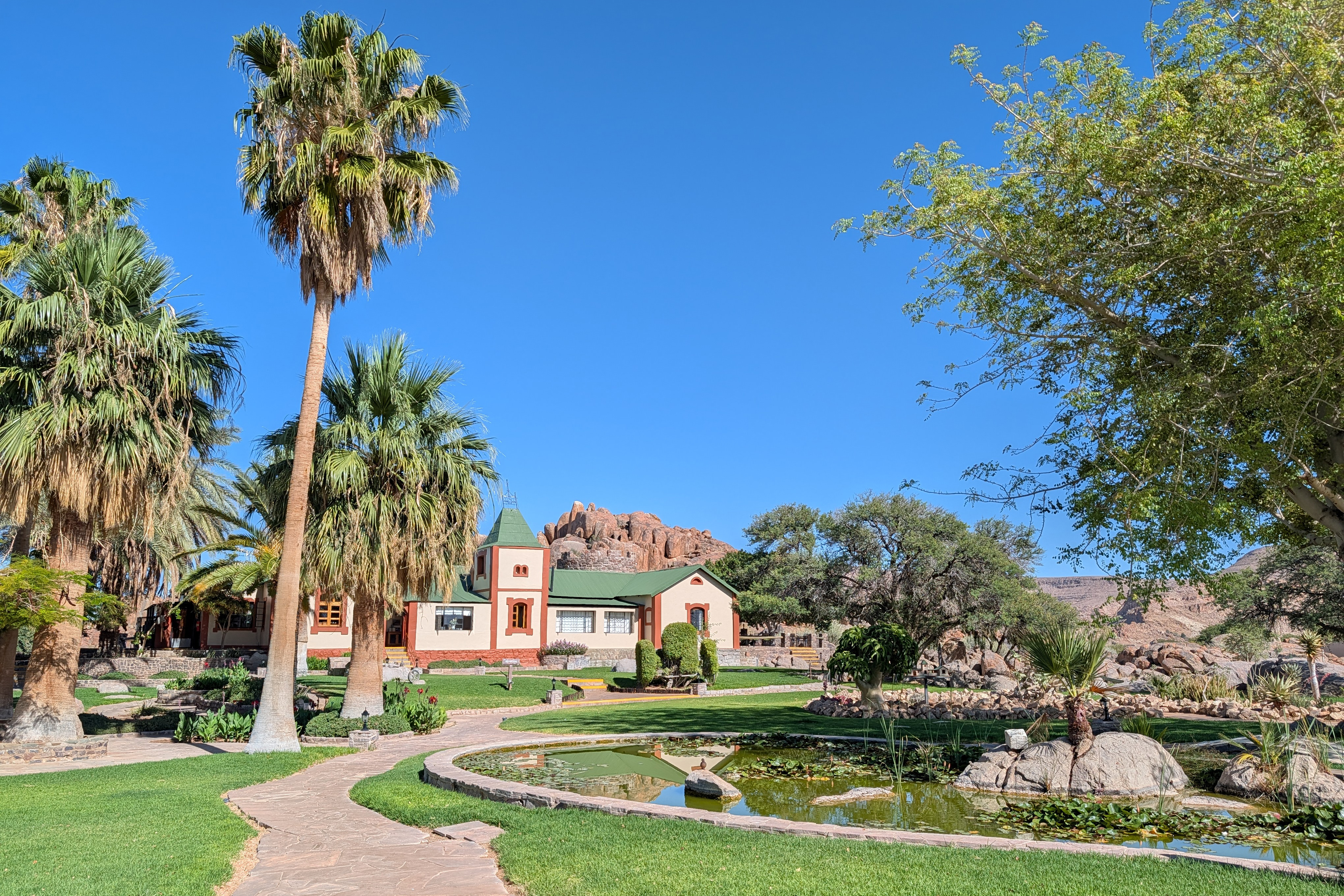
After a leisurely breakfast, we continue deep into the south of Namibia. We will first drive on the B1 asphalt road to the quiver tree forest just before Keetmanshoop. On the left-hand side of the route, you can see the Namibian railway, and on the right-hand side, you can spot the striking Brukkaros Mountain. This is a volcanic crater visible from afar, rising 600 m above the plain. Once you arrive at the quiver tree forest, you can take a short walk through this considerable cluster of trees typical of the country. In Latin, this species is called Aloe dichotoma (recently Aloidendron dichotomum), which refers to the fact that each branch divides into two further branches. The Bushmen of the San people used to use the branches as quivers for their arrows. After this break, we drive through the tranquil town of Keetmanshoop, which was named in 1866 after the German merchant Johann Keetman. However, he never visited the town himself. He merely provided financial support for a mission station there. We continue to the Naute Dam, which is the third largest dam in Namibia. Only the Neckertal and Hardap dams are larger. Birds can be observed at the reservoir, and below it there is a large date plantation, including a distillery where local gin is produced. We now continue south and pass the Holoog railway bridge. It is located on the old railway line built around 1908 from Lüderitz via Seeheim to Karasburg. Next to the bridge are two very old graves from the German colonial era. The horse rider Lichte and private Lietz of the German Schutztruppe are buried there. Another monument to the colonial era is located on the other side of the gravel road. Here stands an old lime kiln, which was also built around 1908 for the production of quicklime. The quicklime was mixed with sand and water to make cement, which is said to have been very resistant to termites. These old lime kilns can be found in many places in Namibia. Another one is located at Simplon on the railway line on the way to Aus, after which the “Alte Kalköfen Lodge” is named. Natural limestone and its use in the production of quicklime has been important for Namibia in the past, as evidenced by place names such as Kalkrand, Kalkfontein (today's Karasburg) and Kalkfeld. At the end of today's journey, we arrive at Canyon Lodge, which offers plenty of greenery and relaxation. The lodge consists of many individual houses that are integrated into the rocky landscape. Other houses stand alone in front of a green meadow. The lodge is ideal for staying and relaxing for two days.
Included services: Accommodation, breakfast, dinner, entrance to quiver tree forest
-
Day 4
Fish River Canyon
-
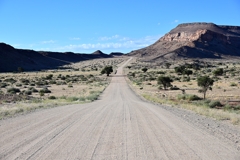
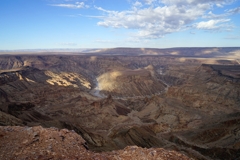
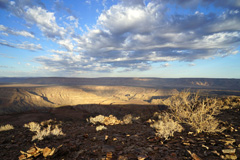
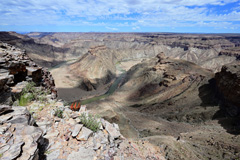
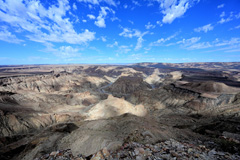
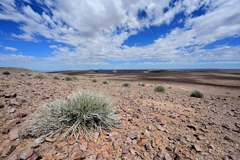
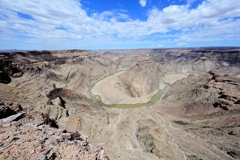
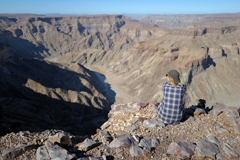
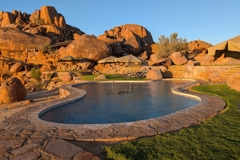
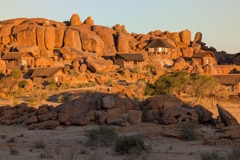
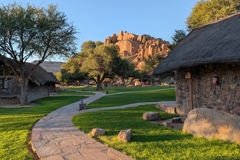
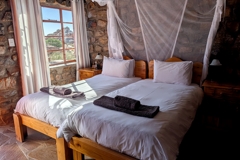
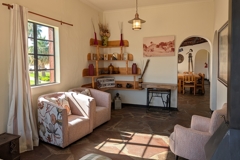
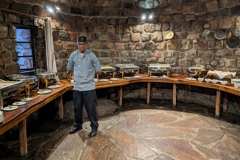
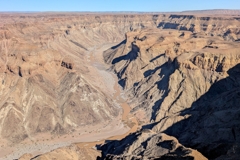
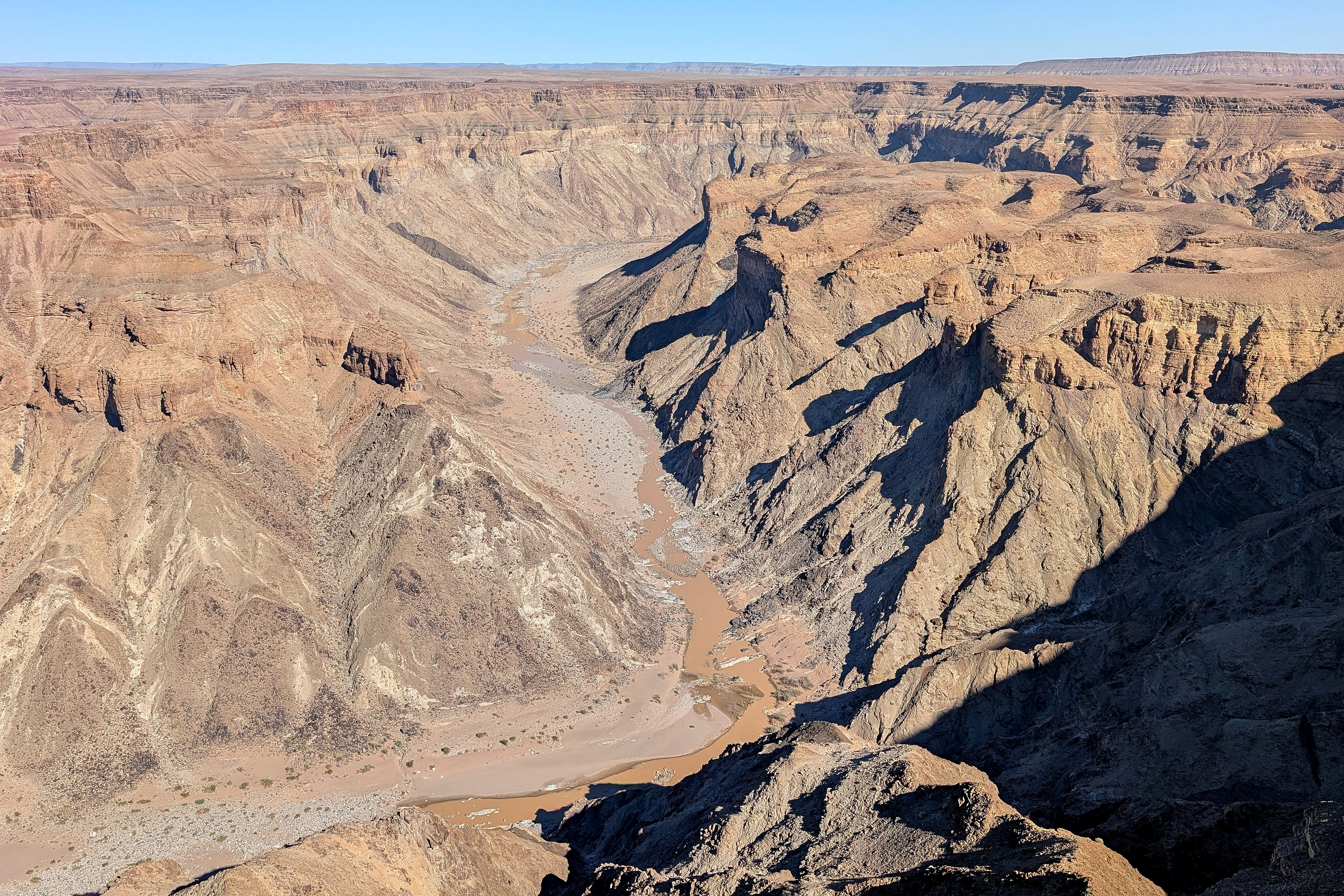
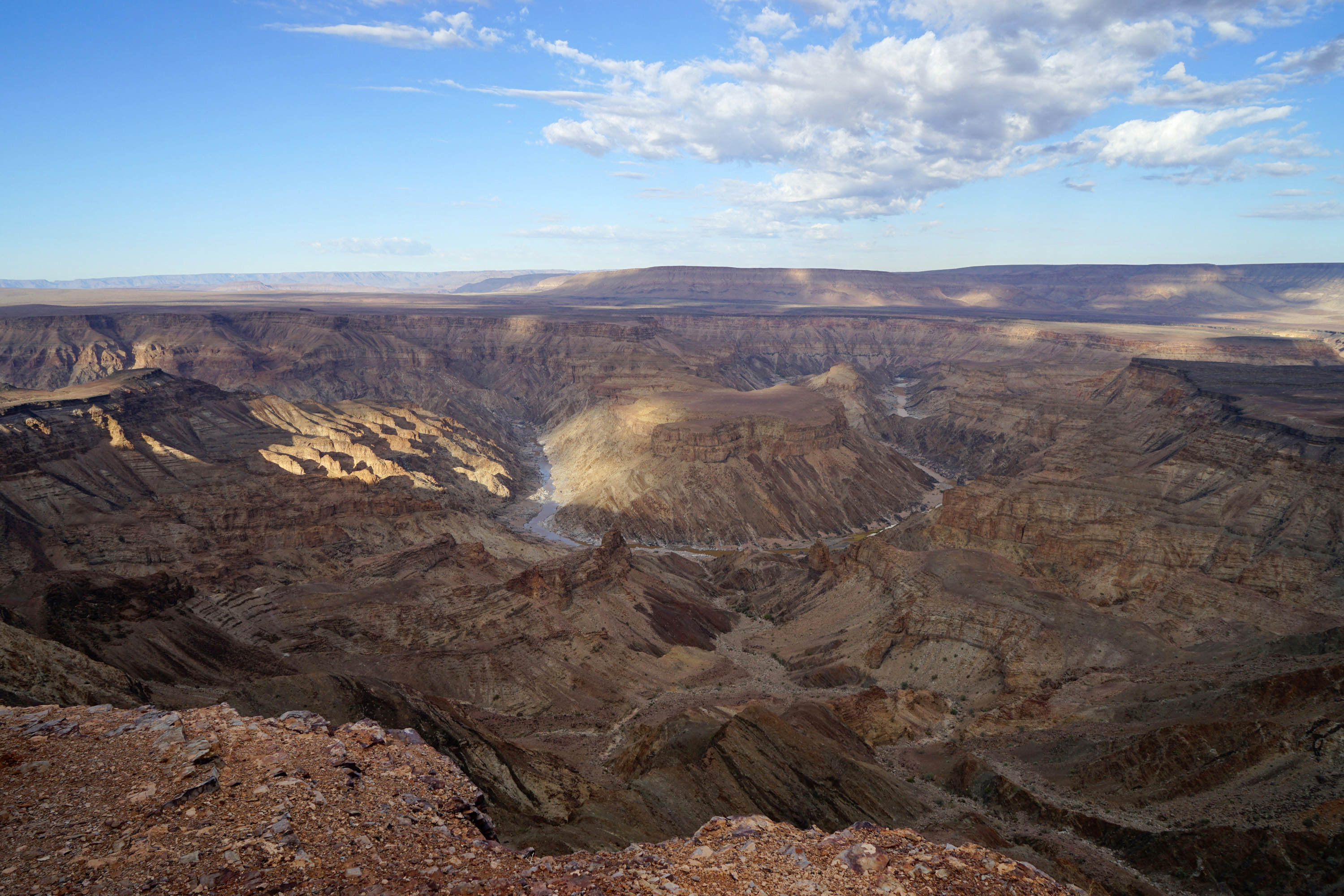
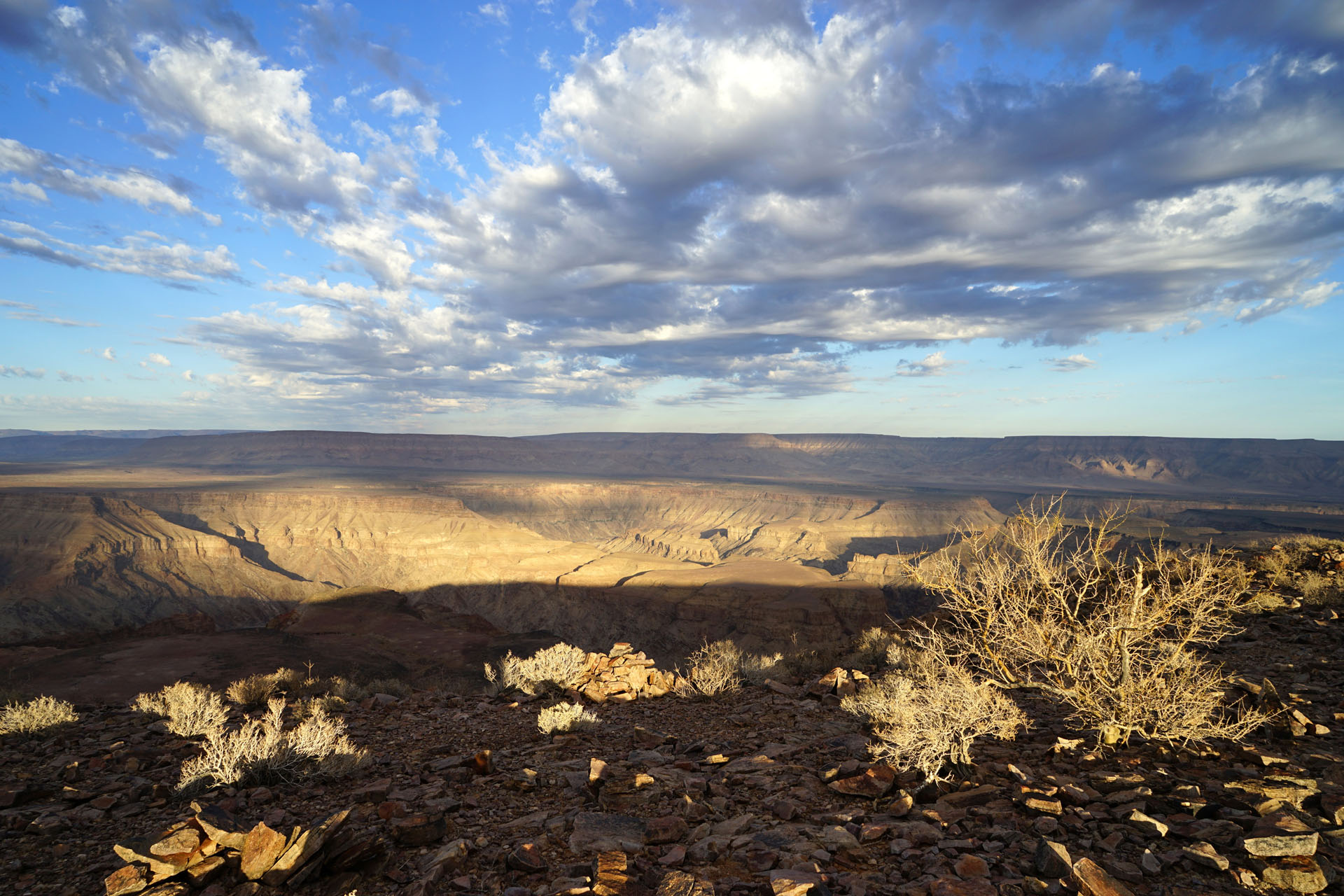
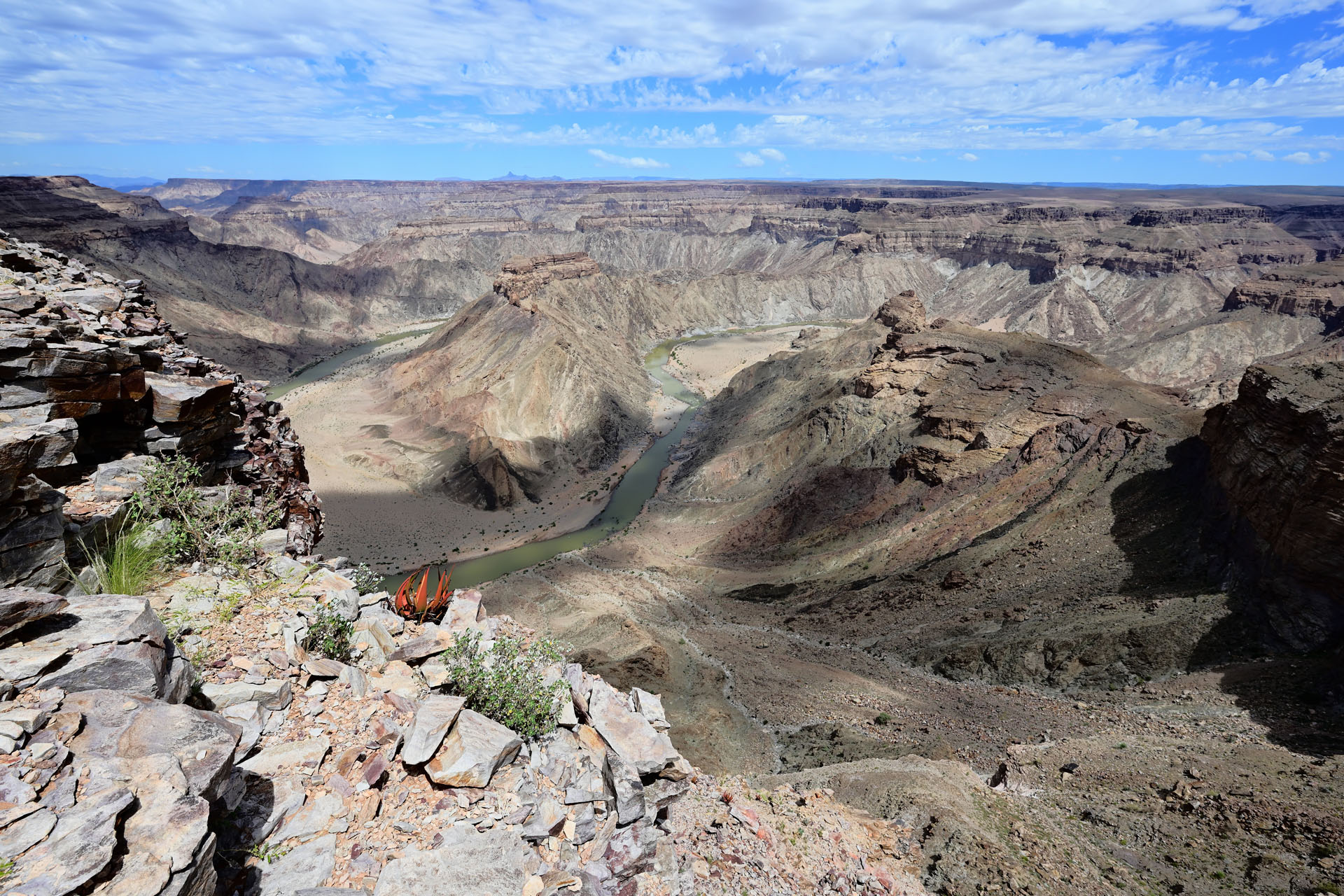
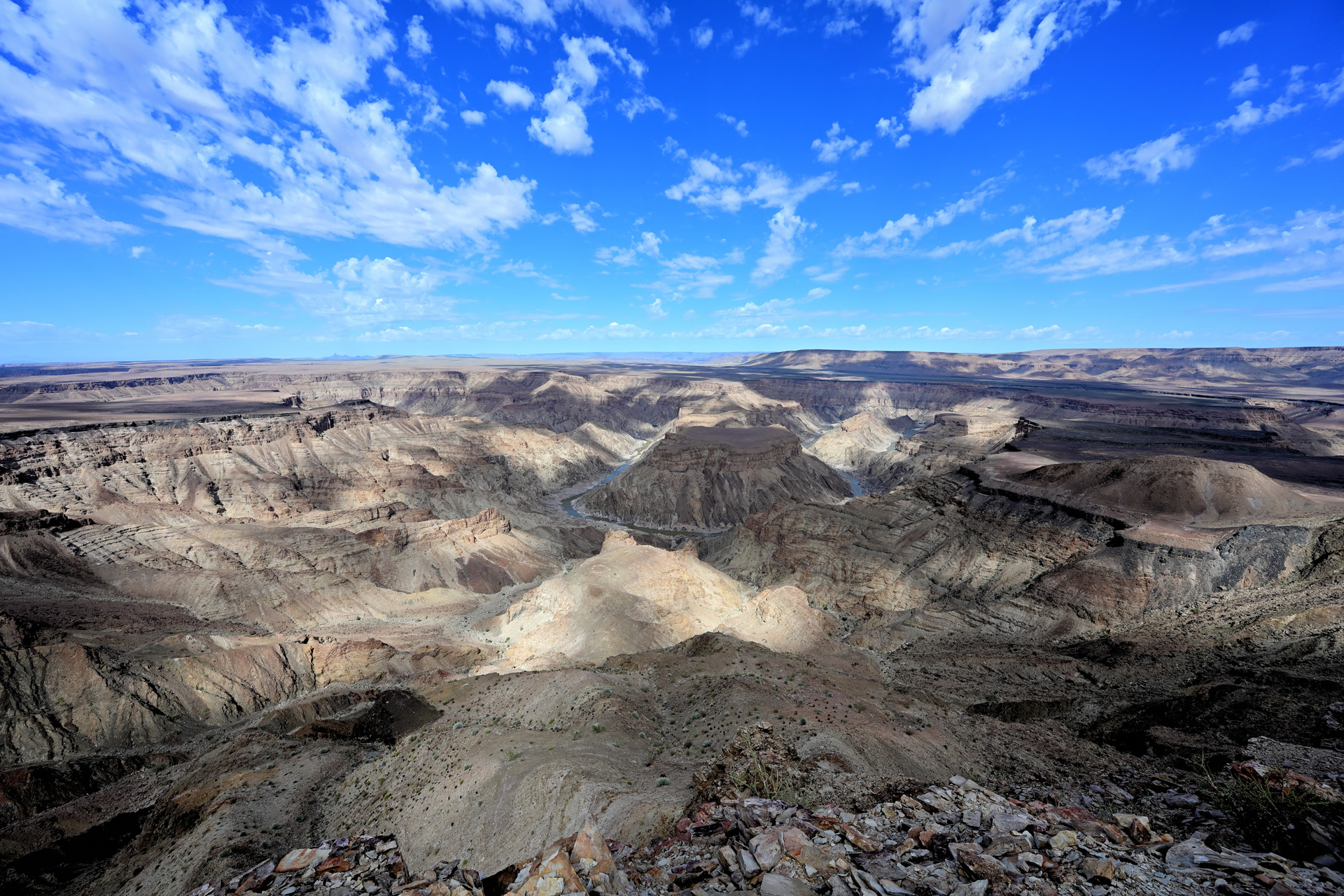
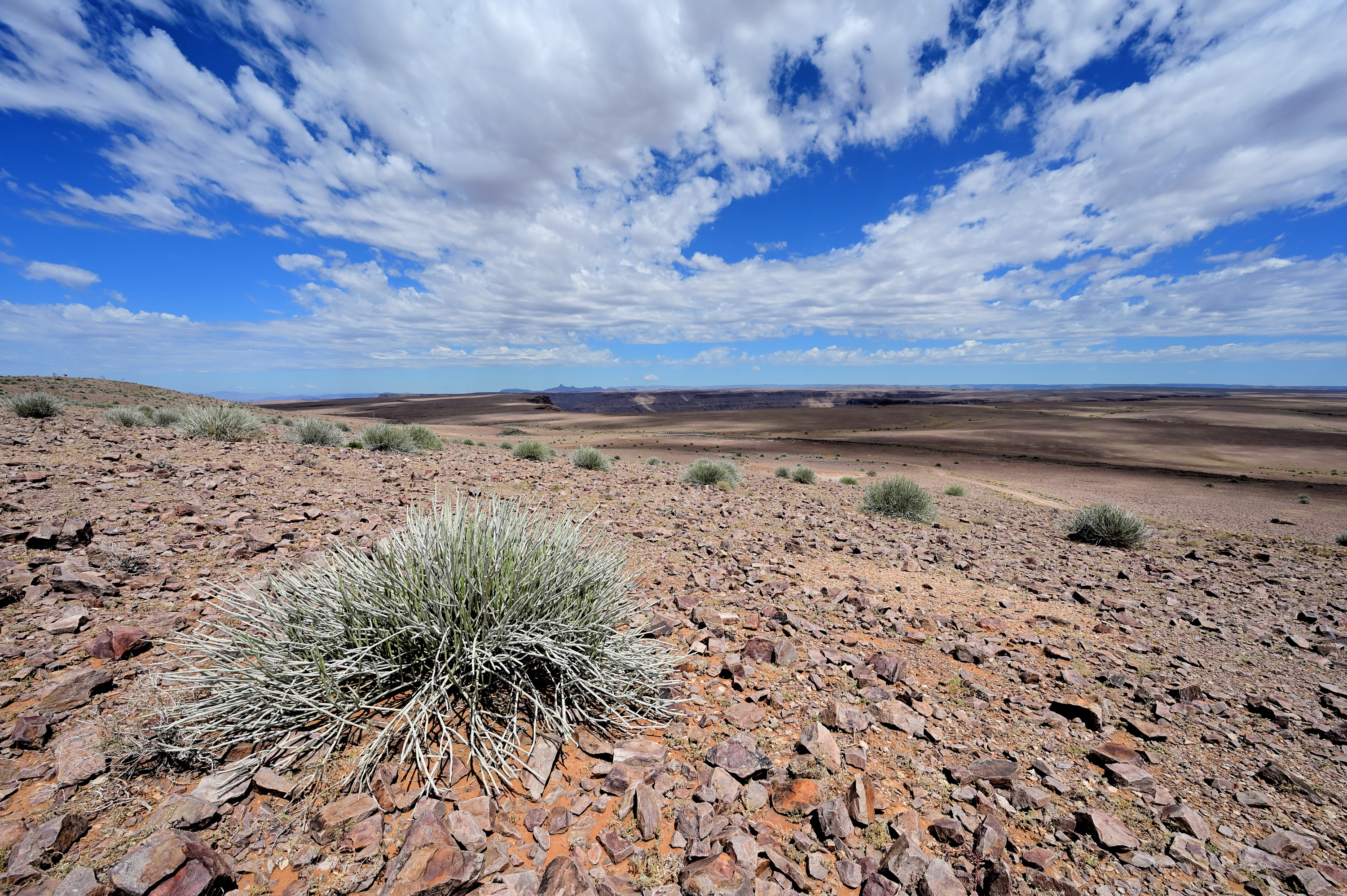
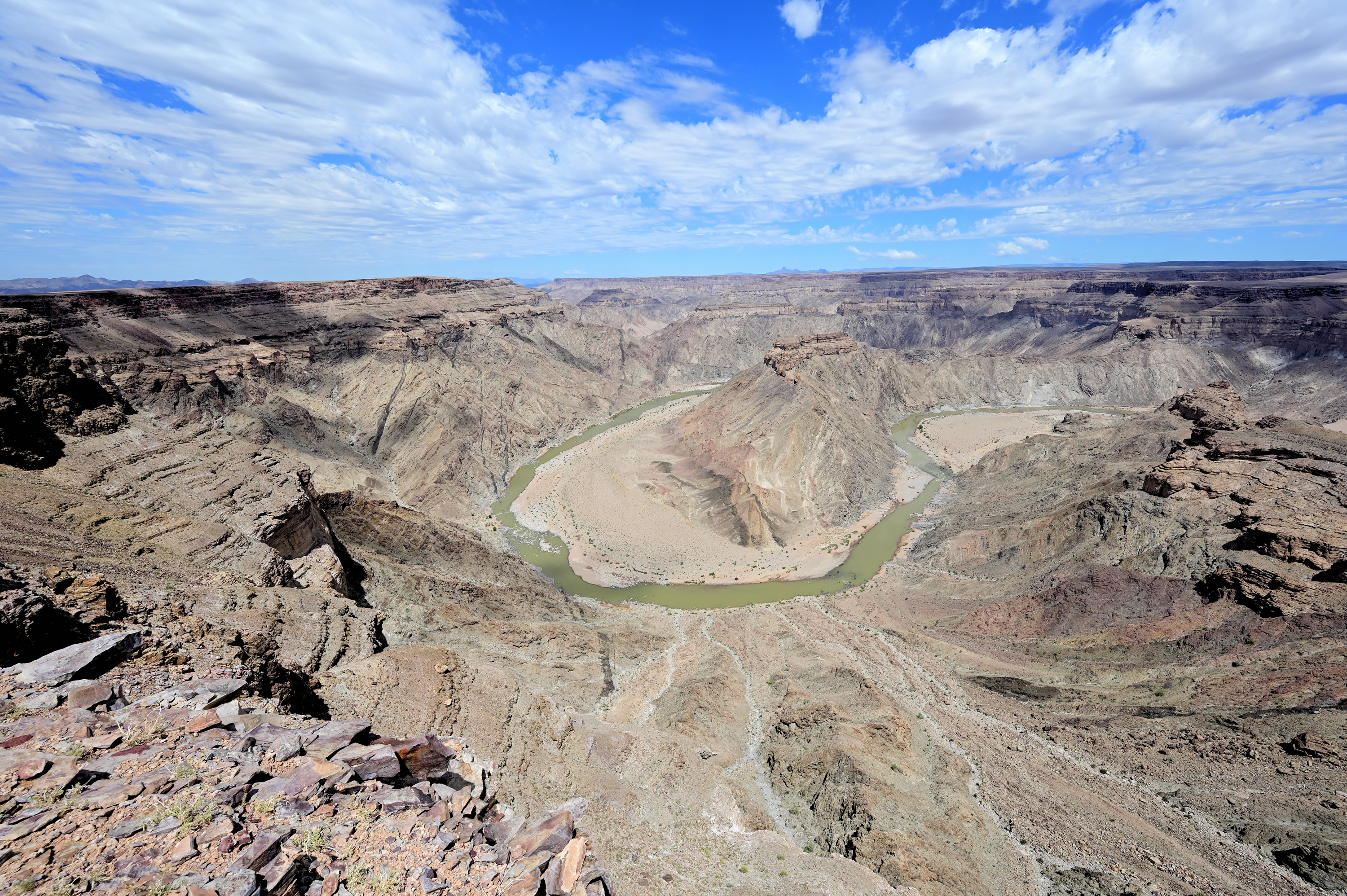
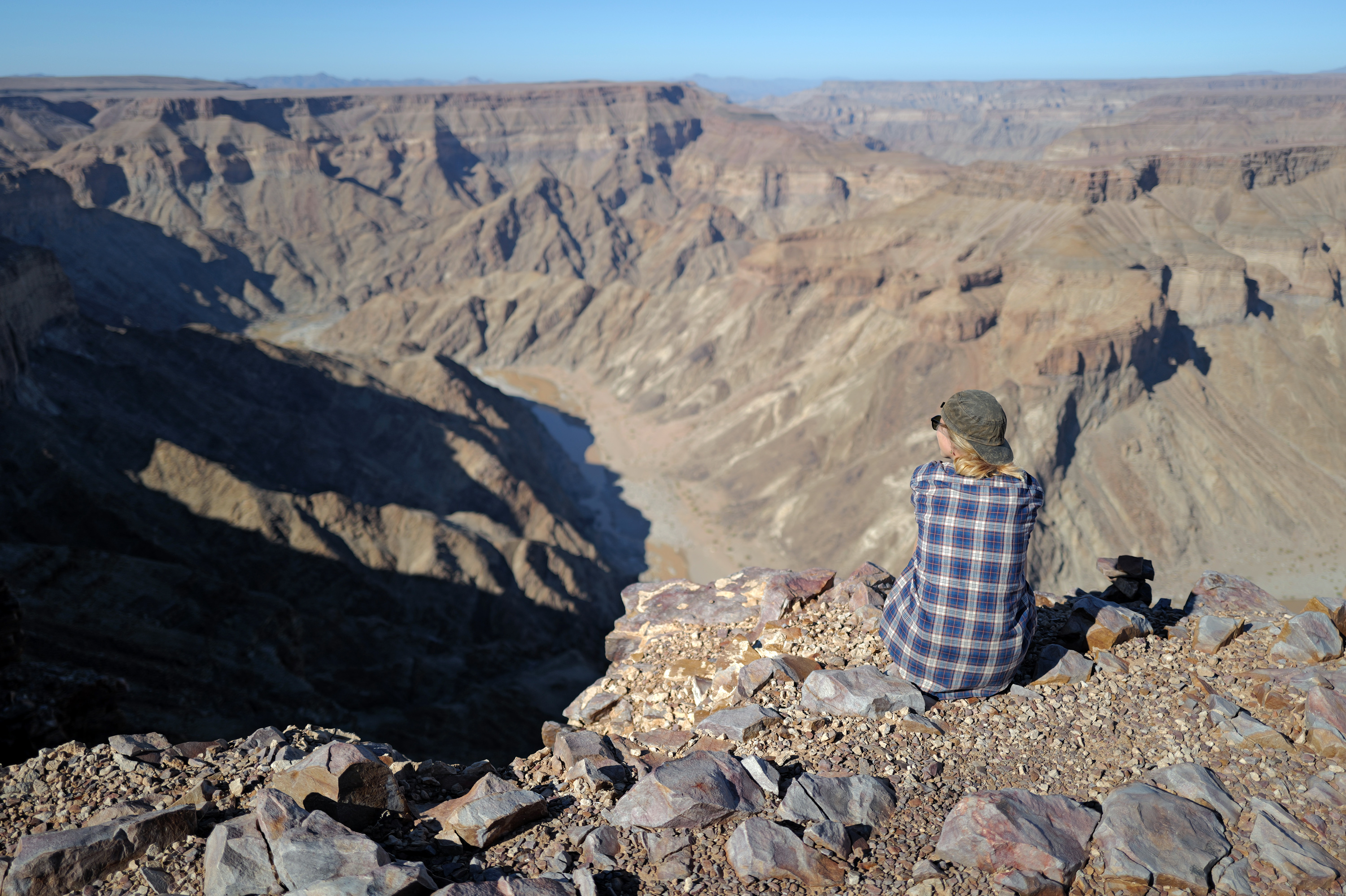
On the fourth day of the tour, you will have plenty of time to enjoy the unique landscape. In the morning, we will drive to the Fish River Canyon viewpoint. There, you can look down into the canyon, which is up to 550 meters deep. The dimensions of the gorge are enormous. With a width of up to 27 kilometers and a length of 160 kilometers, the Fish River Canyon is the second largest canyon in the world. Only the Grand Canyon in the USA is larger. The canyon began to develop 300 million years ago and was given a boost by the tectonic break-up of the Gondwana continent 120 million years ago. It begins at Seeheim in the north and ends at Ai-Ais in the south. The Fish River, which created it, is Namibia's longest river at 650 kilometers. It flows into the Orange River south of Ai-Ais, and this border river with South Africa flows into the Atlantic Ocean. Hiking is also permitted in the Fish River Canyon, but only from May to September, as it otherwise becomes too hot in the gorge and floods could take hikers by surprise. We will take plenty of time to explore the canyon this morning. On a three-hour round trip along the edge of the escarpment, we will follow the course of the river southwards. Along the way, we will come across new viewpoints every few kilometers. Here you can see how beautifully the river meanders through the landscape in deep gorges. On the tour, you will also see typical shrubs of Euphorbia gregaria, which is poisonous and belongs to the spurge family. After our tour of the canyon, we will return to the lodge. Now you have the whole afternoon to relax by the pool or somewhere in the shade. The Canyon Lodge is a true green oasis in the middle of the barren dry landscape. Here you can also sit back and relax in the lodge's own beer garden. Beer on tap tastes particularly delicious in the warm south of Namibia. An outdoor dinner on the veranda will round off the day perfectly.
Included services: Accommodation, breakfast, dinner, park fees
-
Day 5
Fish River Canyon - Orange River
-
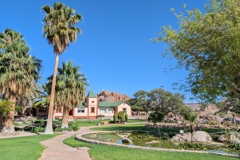
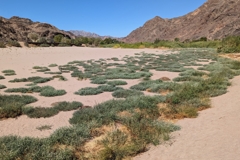
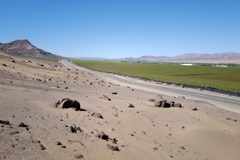
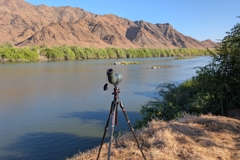
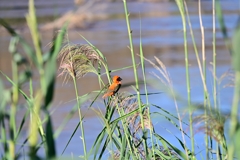
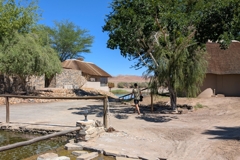
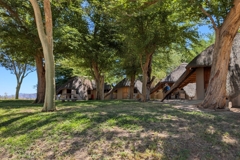
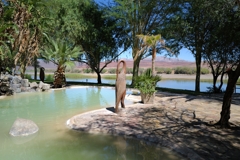
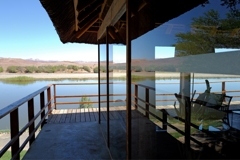
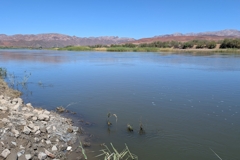
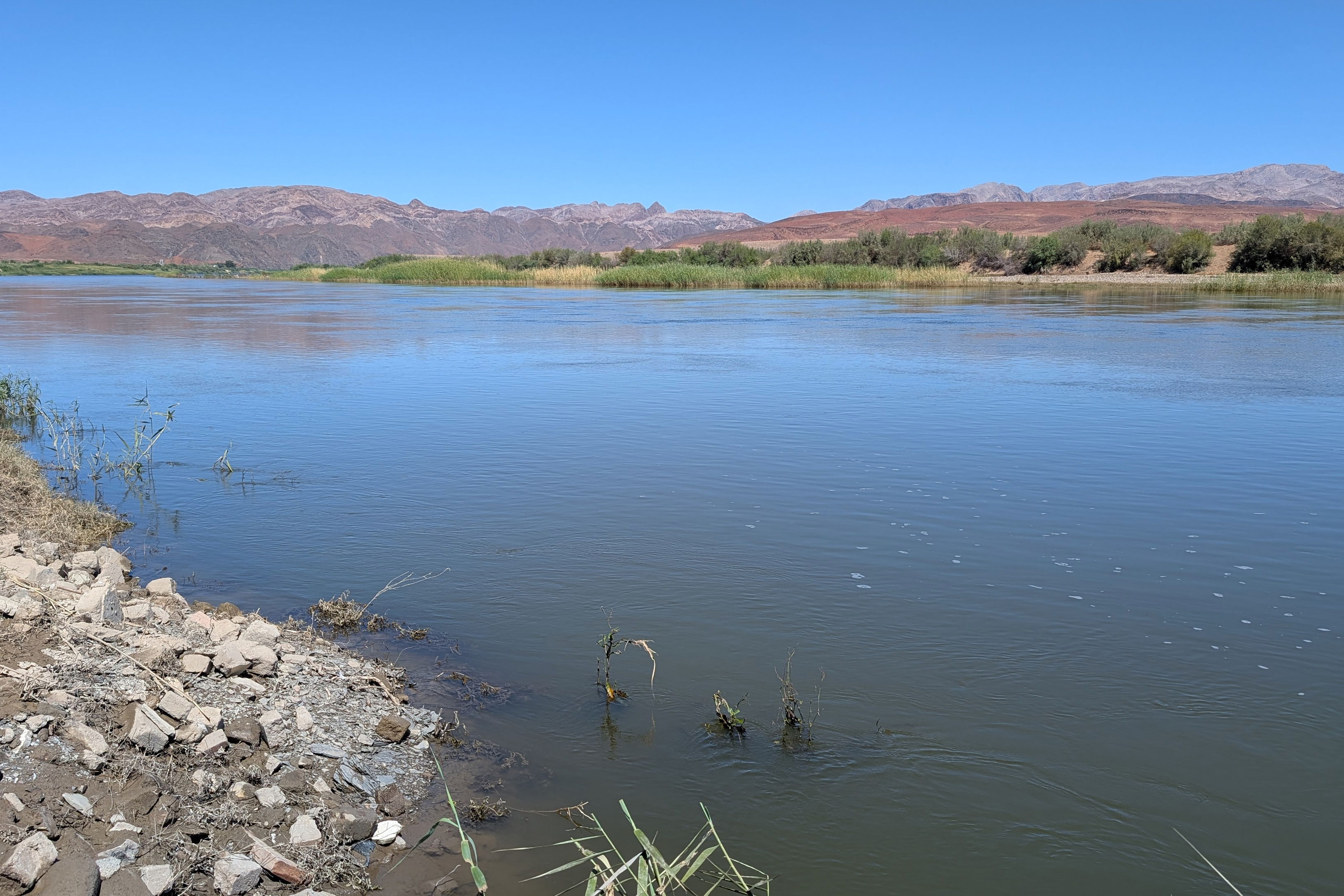
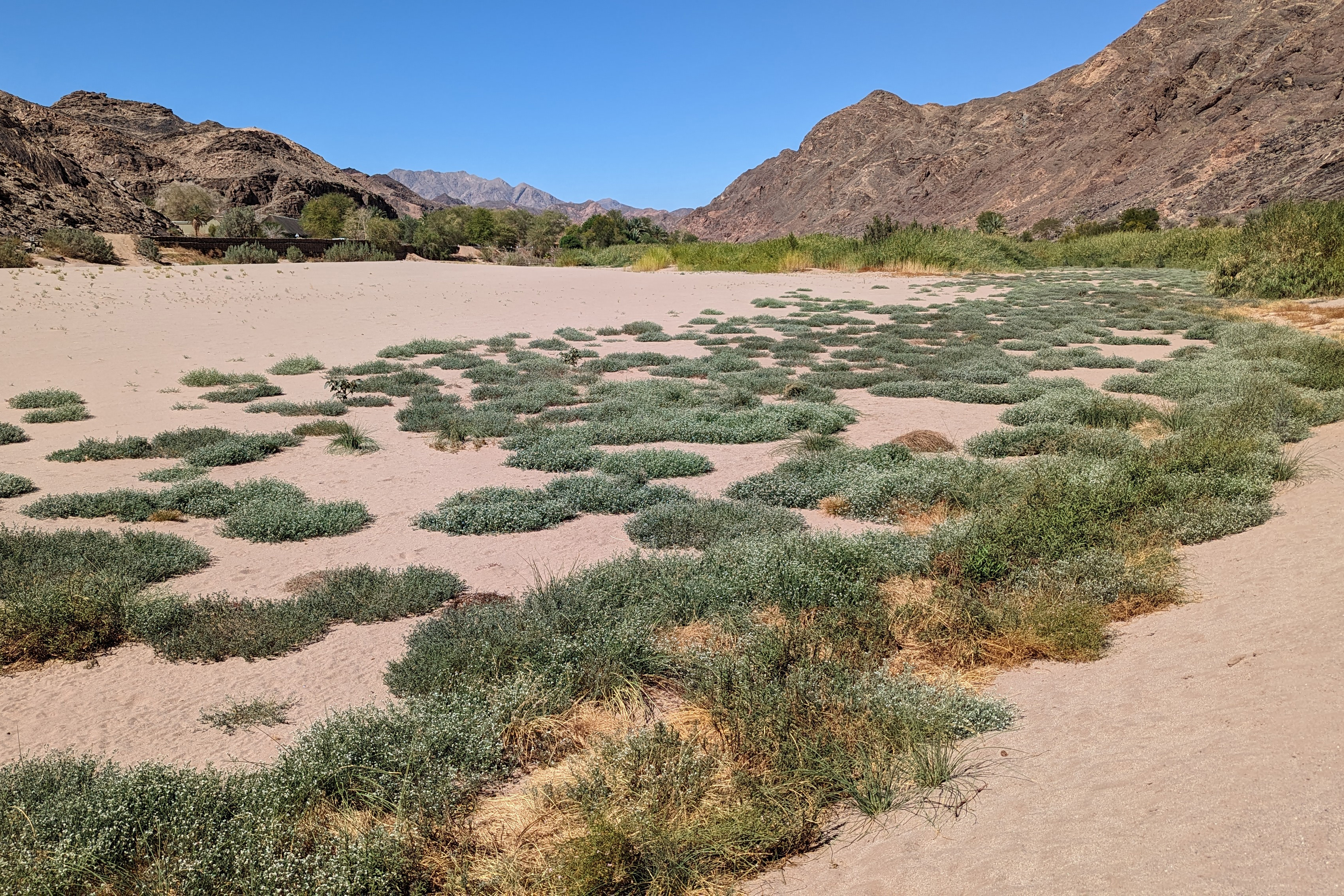
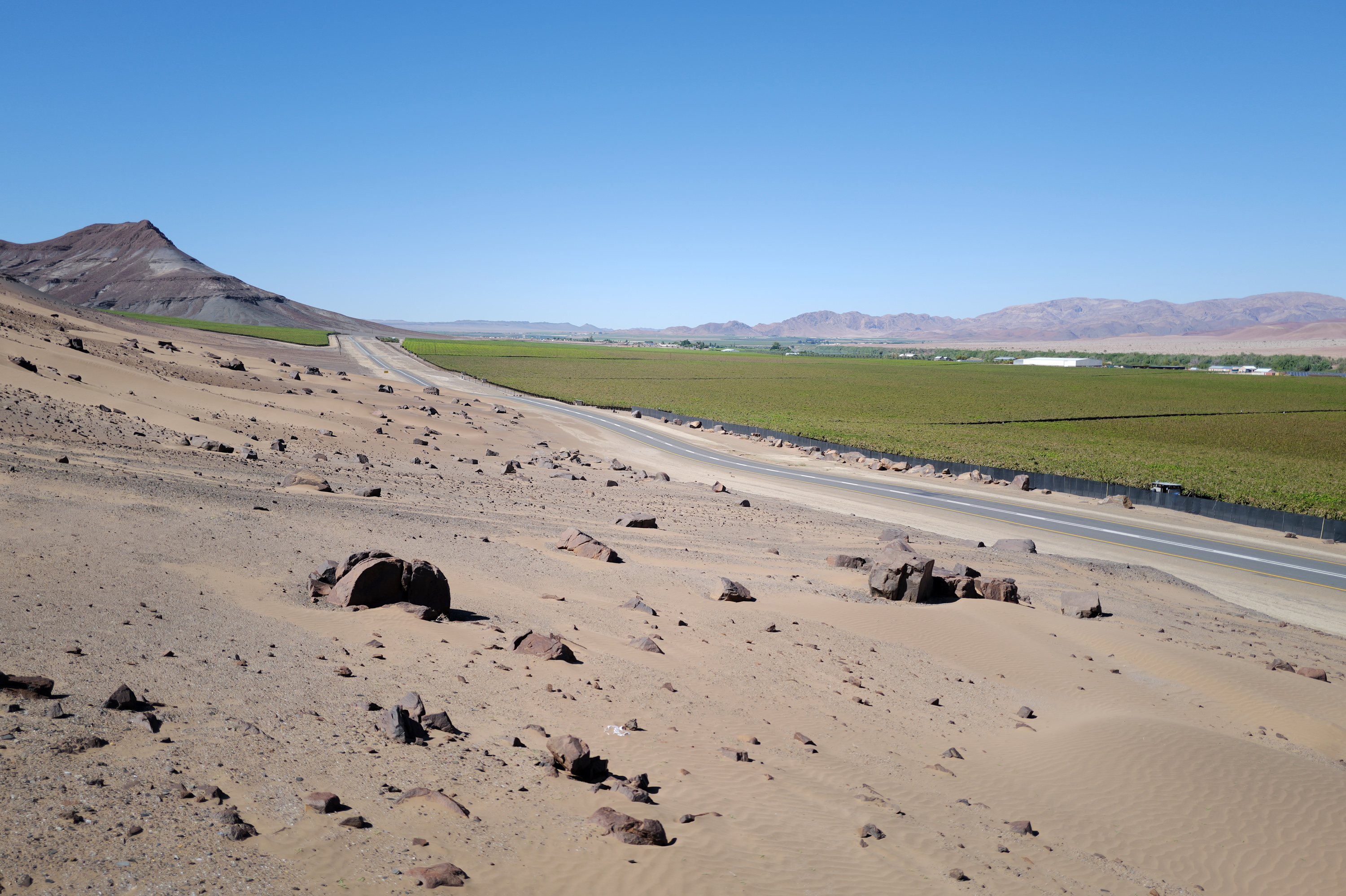
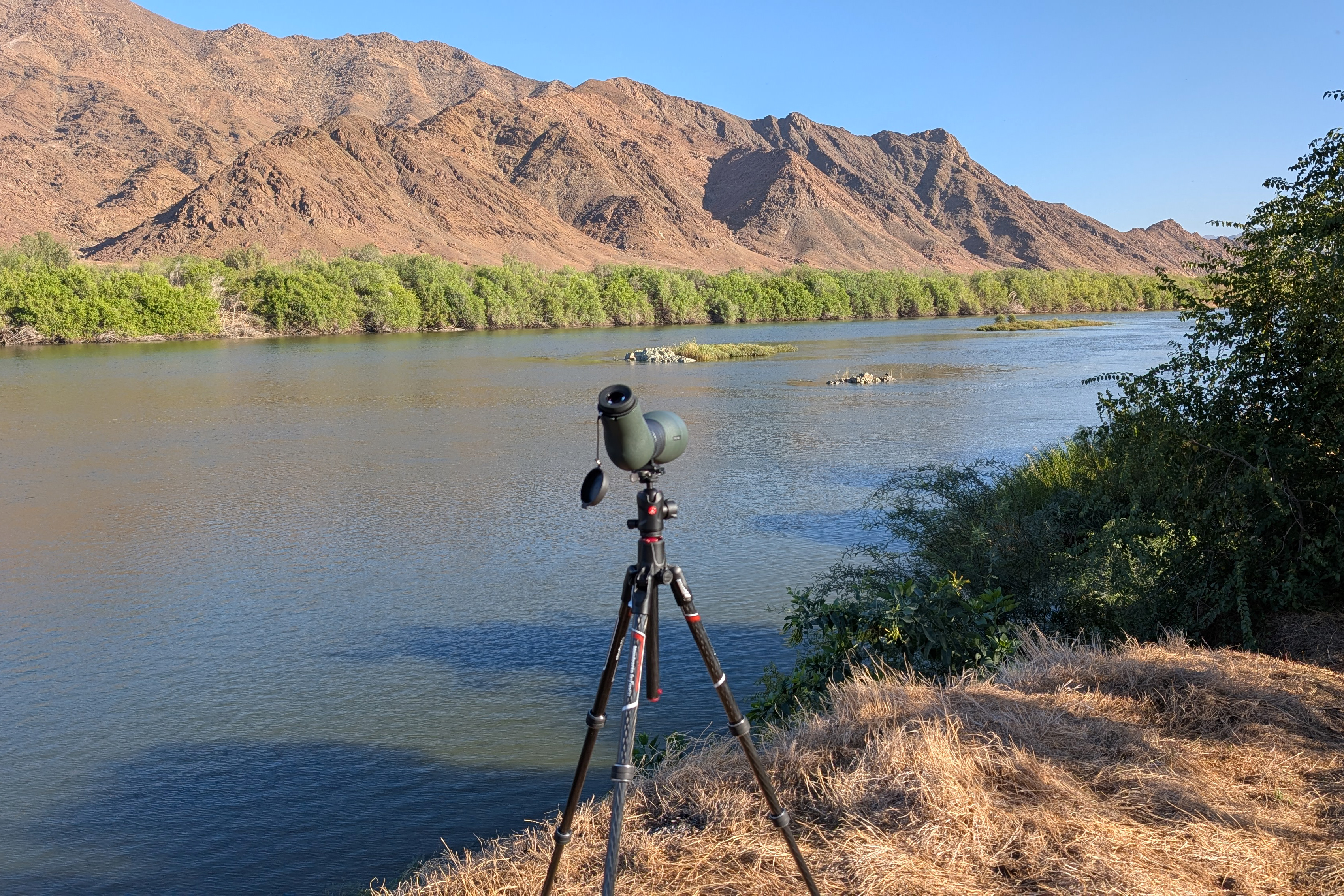
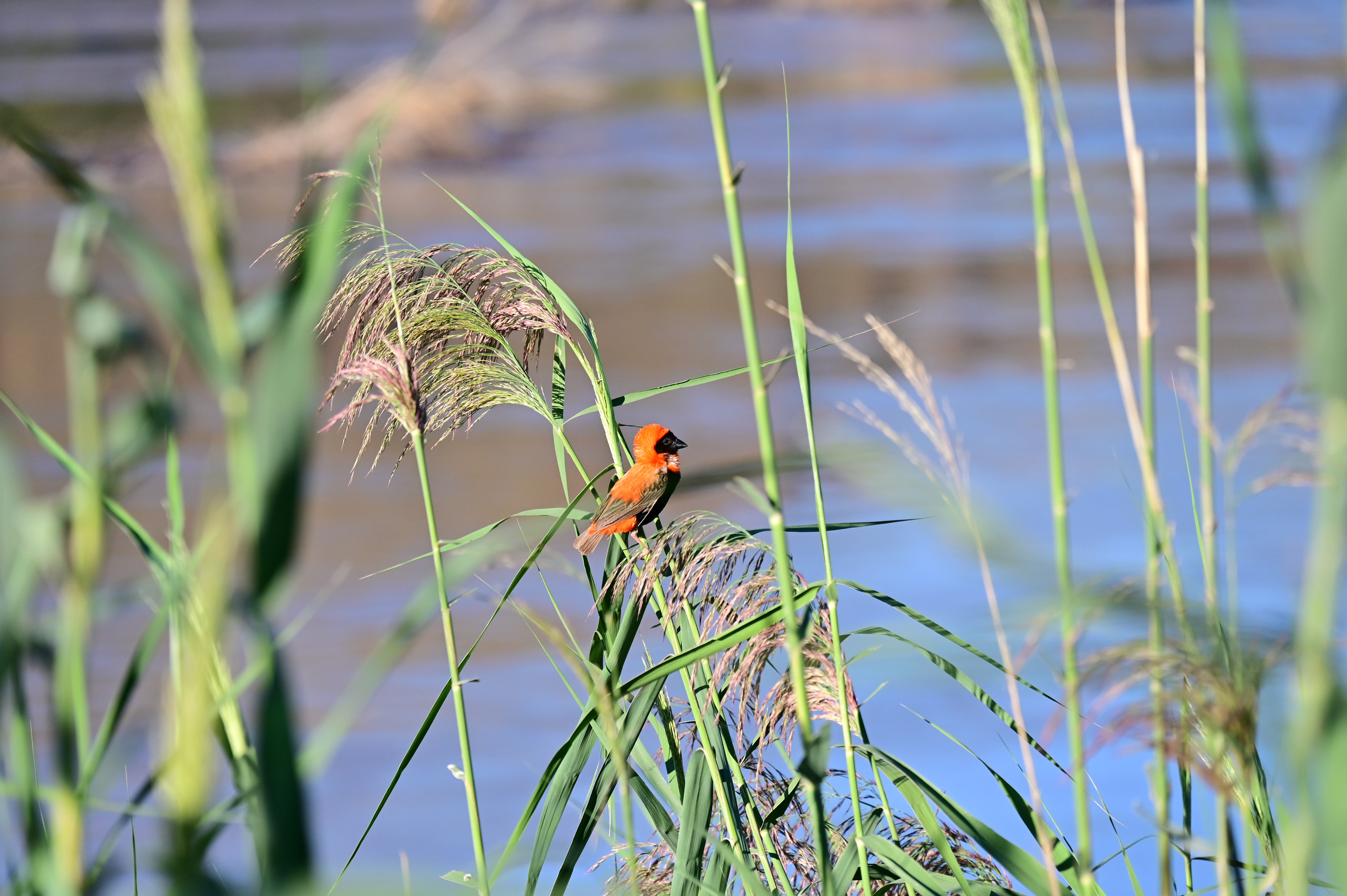
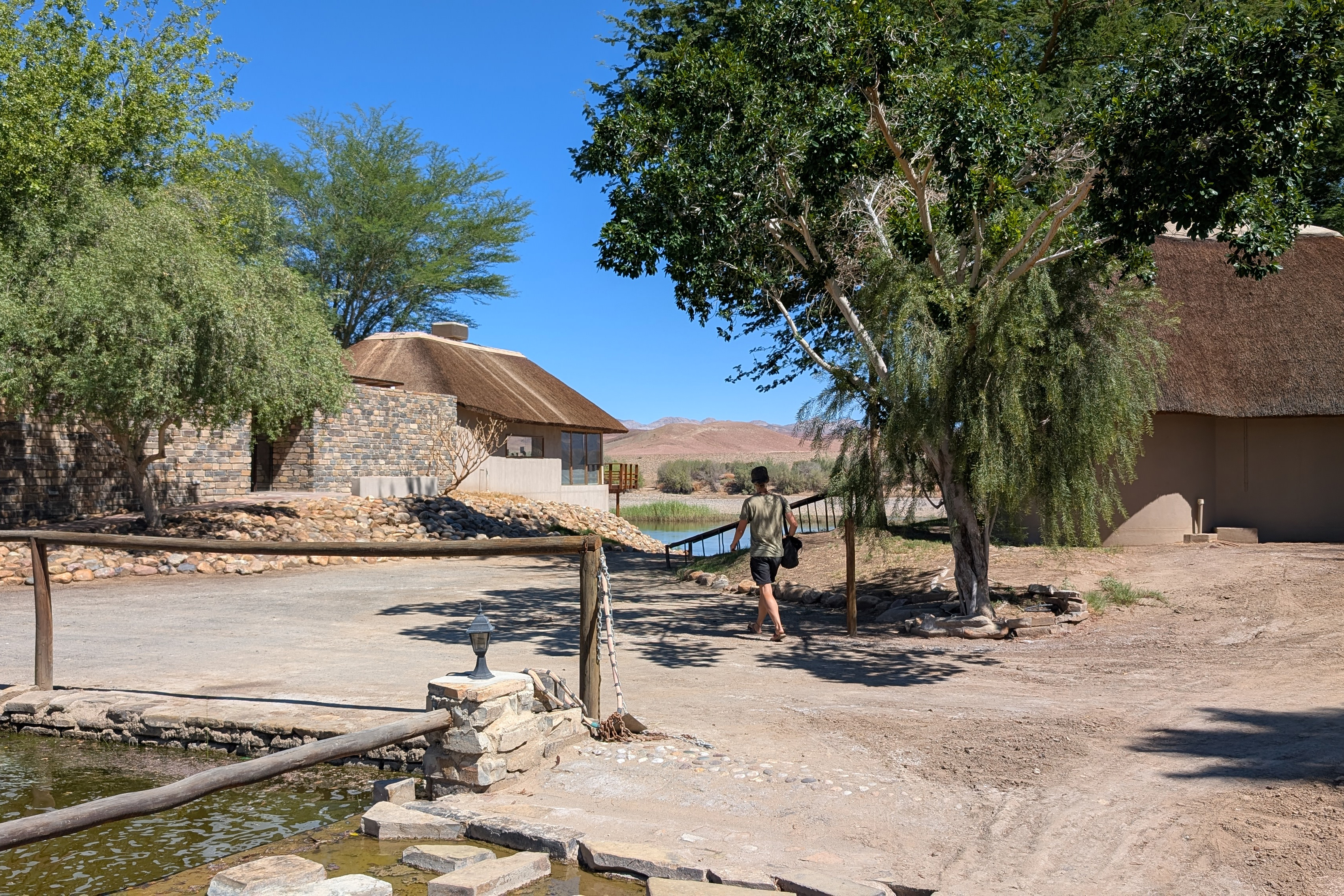
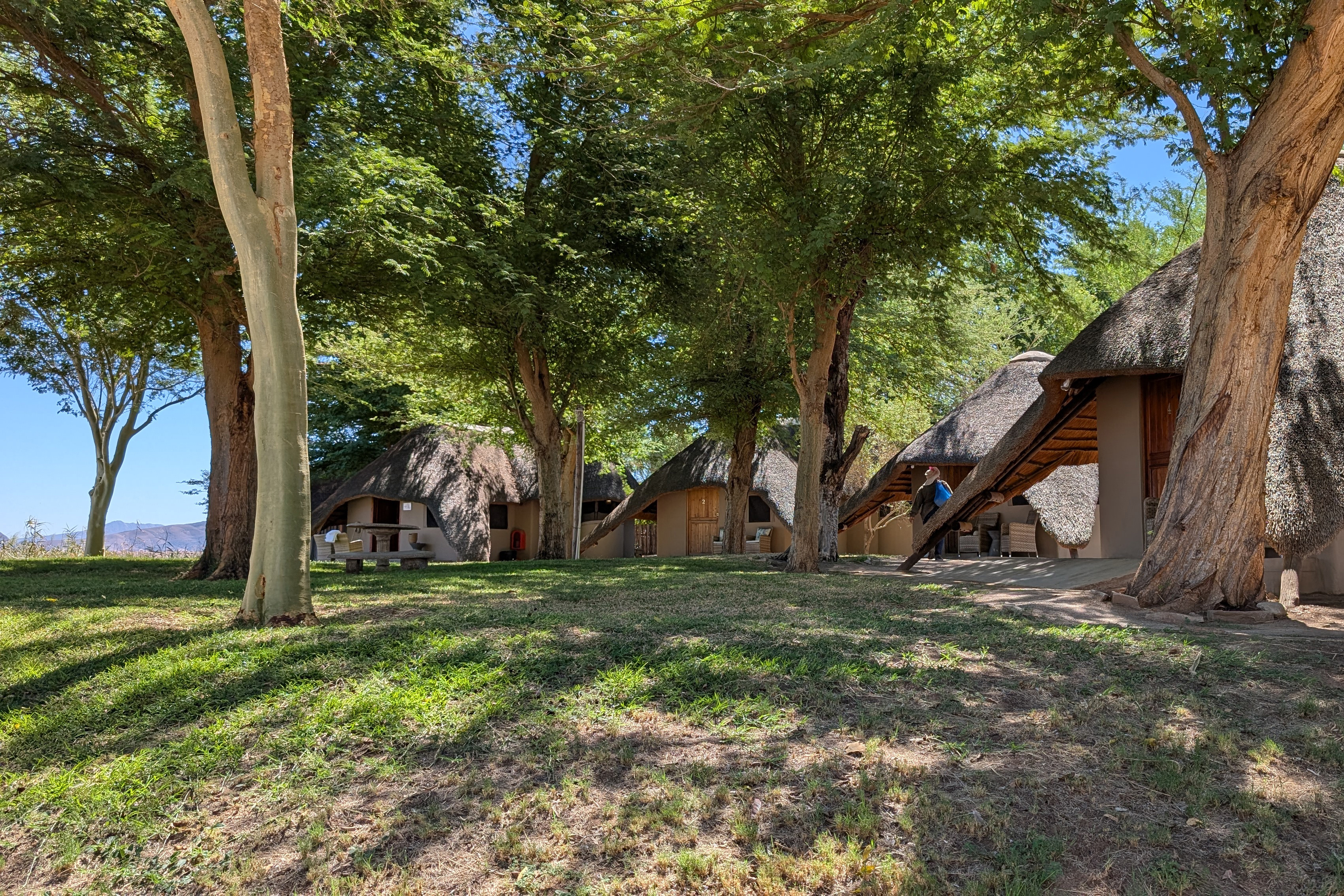
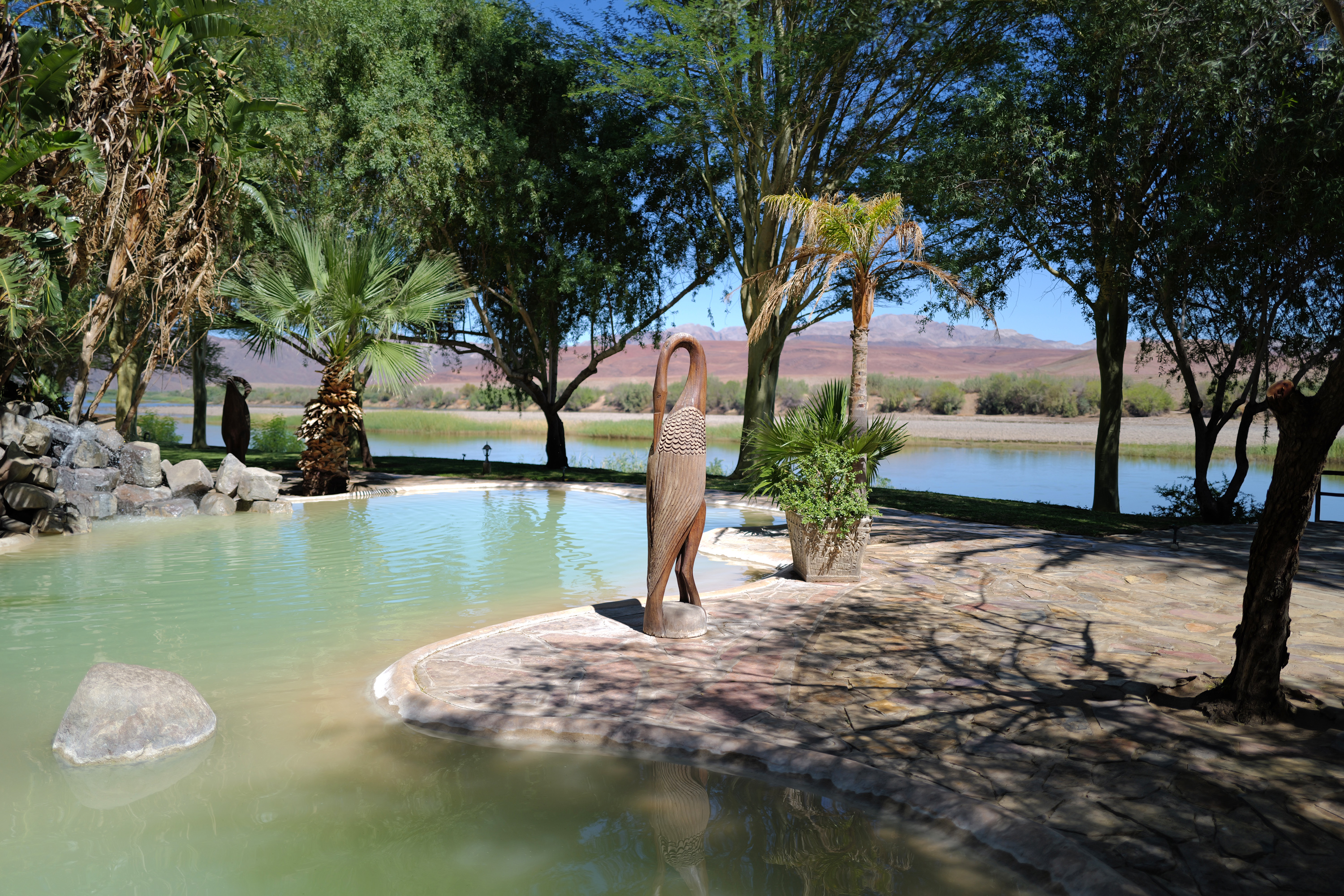
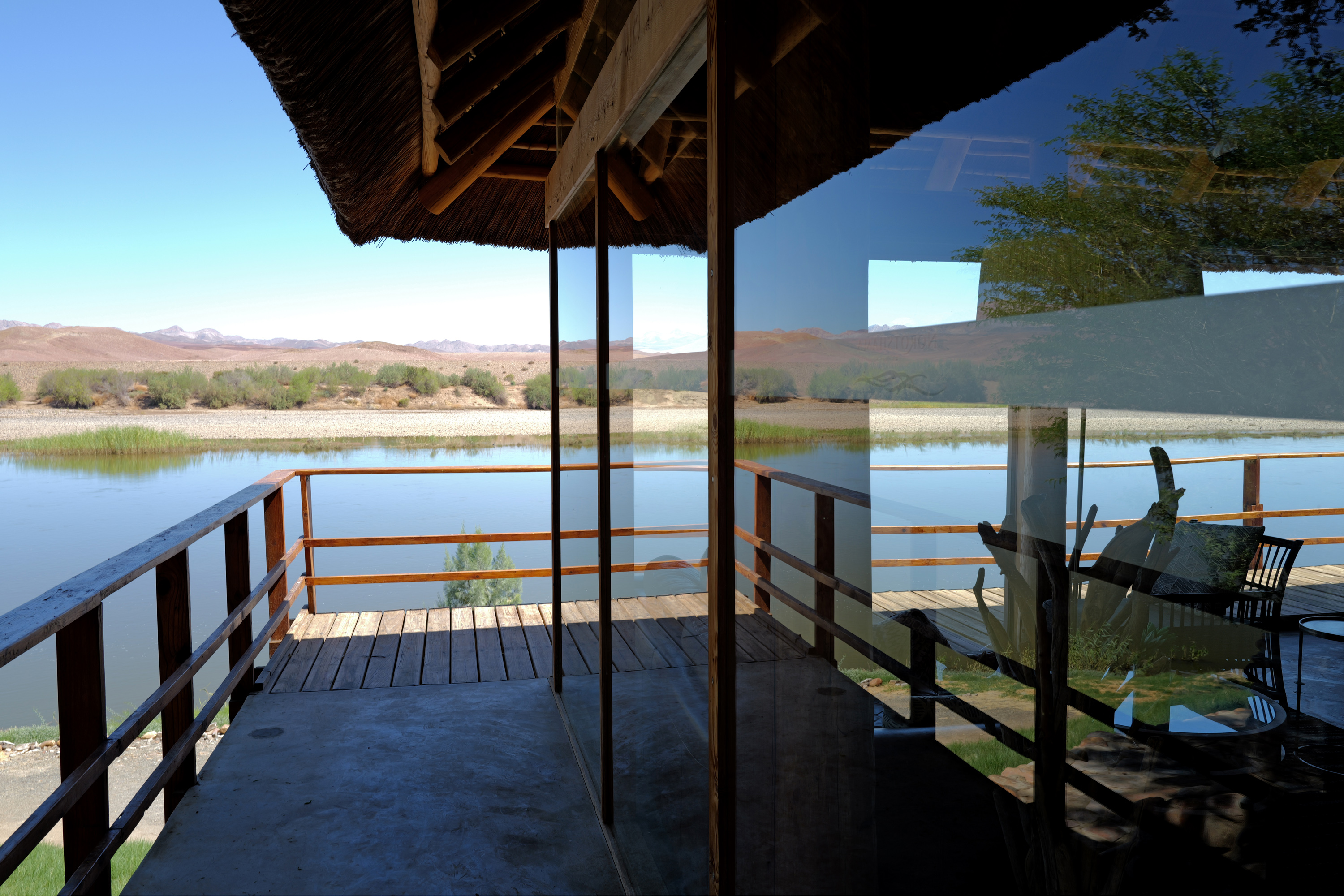
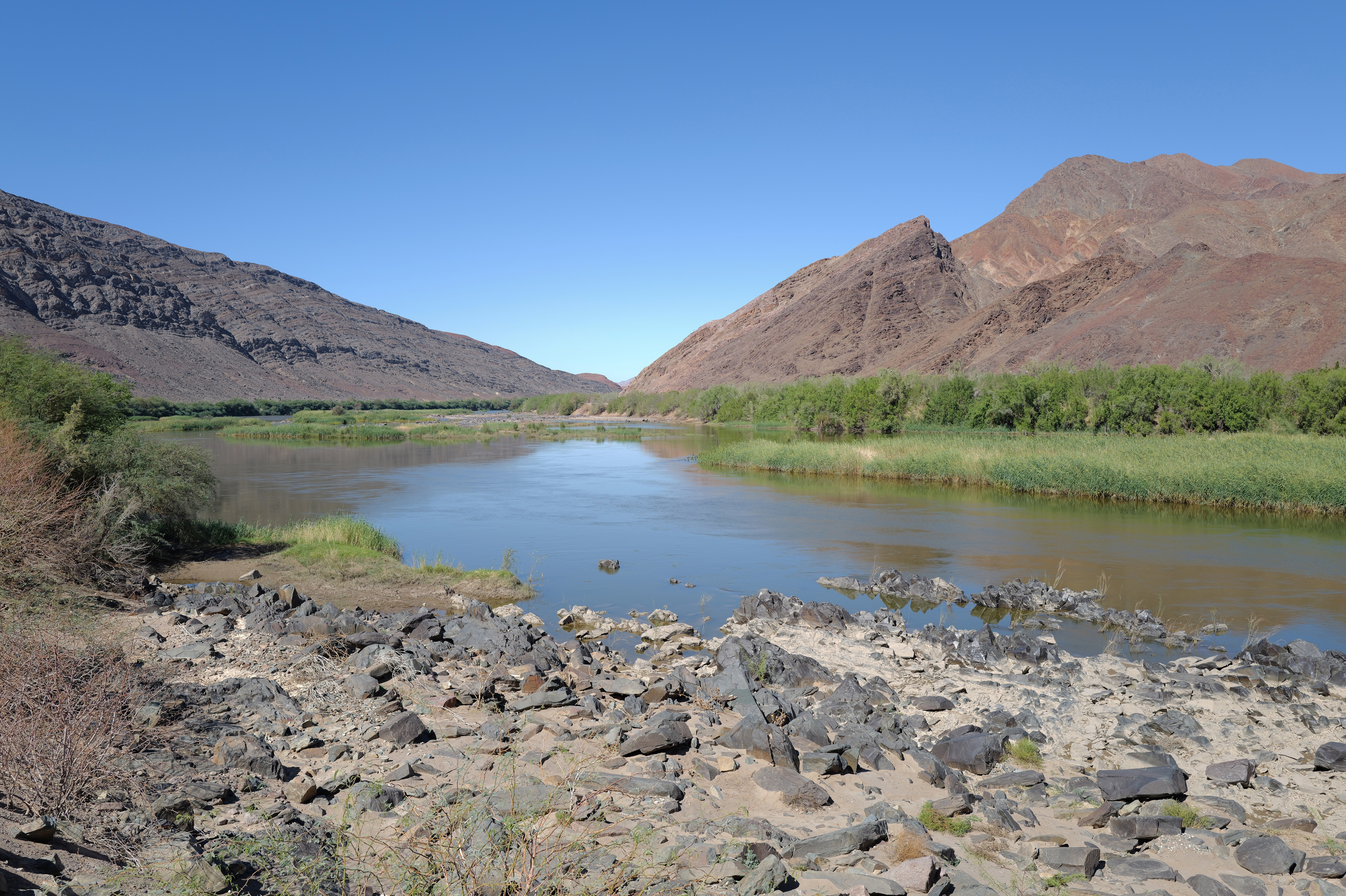
In the morning, we will say goodbye to Canyon Lodge and continue on to the southernmost point of our journey – the Orange River, known as Gariep in Afrikaans. This leg of the journey is very short, at around 130 km, so it will be a particularly relaxed day. We will drive through the landscape dotted with euphorbias and see the foothills of the canyon on the right. Afterwards, we can make a short detour to the hot springs of Ais-Ais. There you can see the foothills of the ever-shrinking Fish River Canyon even better. Then, we will drive to the village of Aussenkehr, which is located directly on the Orange River. The Orange River is one of the few permanently flowing rivers in Namibia and therefore worth a visit. The next permanently flowing river, the Kavango, is located almost 1,200 kilometers away on the border with Angola. In between, there are only dry rivers in Namibia that flow only during the rainy season. The Orange River is home to an interesting bird population, but no crocodiles. These reptiles are only found in rivers on Namibia's northern borders. It can get very hot in the Orange River valley, and the generally dry climate means that there is very little vegetation in the surrounding mountains. This makes the green belt around the Orange River all the more impressive. In Aussenkehr, grapes are grown on large plantations, as the Orange River provides a steady supply of water for the vines. The contrast between the green plants and the rocky surroundings is very impressive. We will spend the night at the Norotshama River Resort, right on the Orange River. There you can relax and, if you want, even swim in the Orange River. It is also a great place to observe the bird life along the riverbank. In the evening, you can sit on the terrace above the river and look across to the other side of the river in South Africa.
Included services: Accommodation, breakfast, dinner
-
Day 6
Orange River - Lüderitz
-
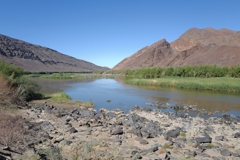
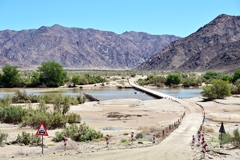
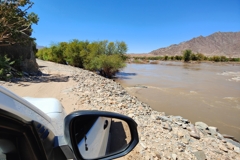
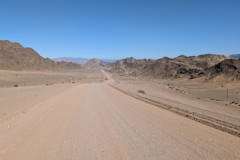
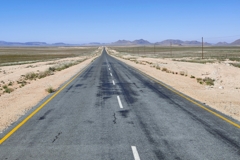
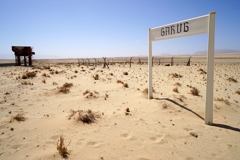
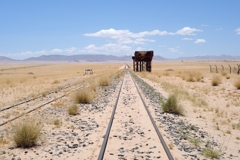
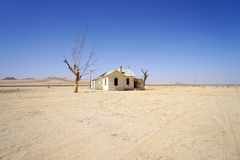
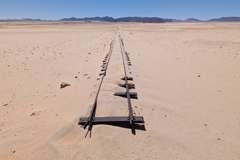
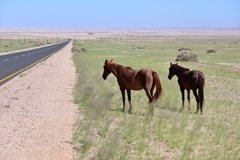
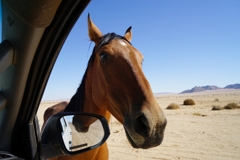
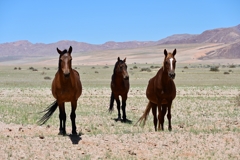
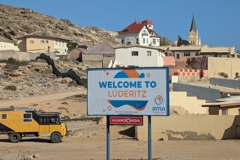
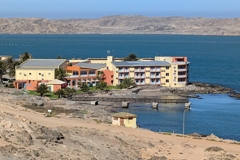
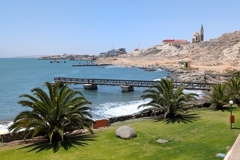
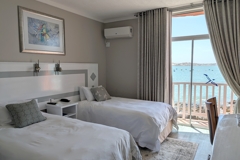
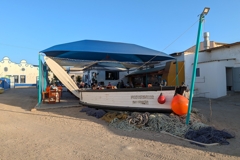
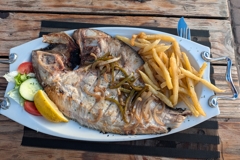
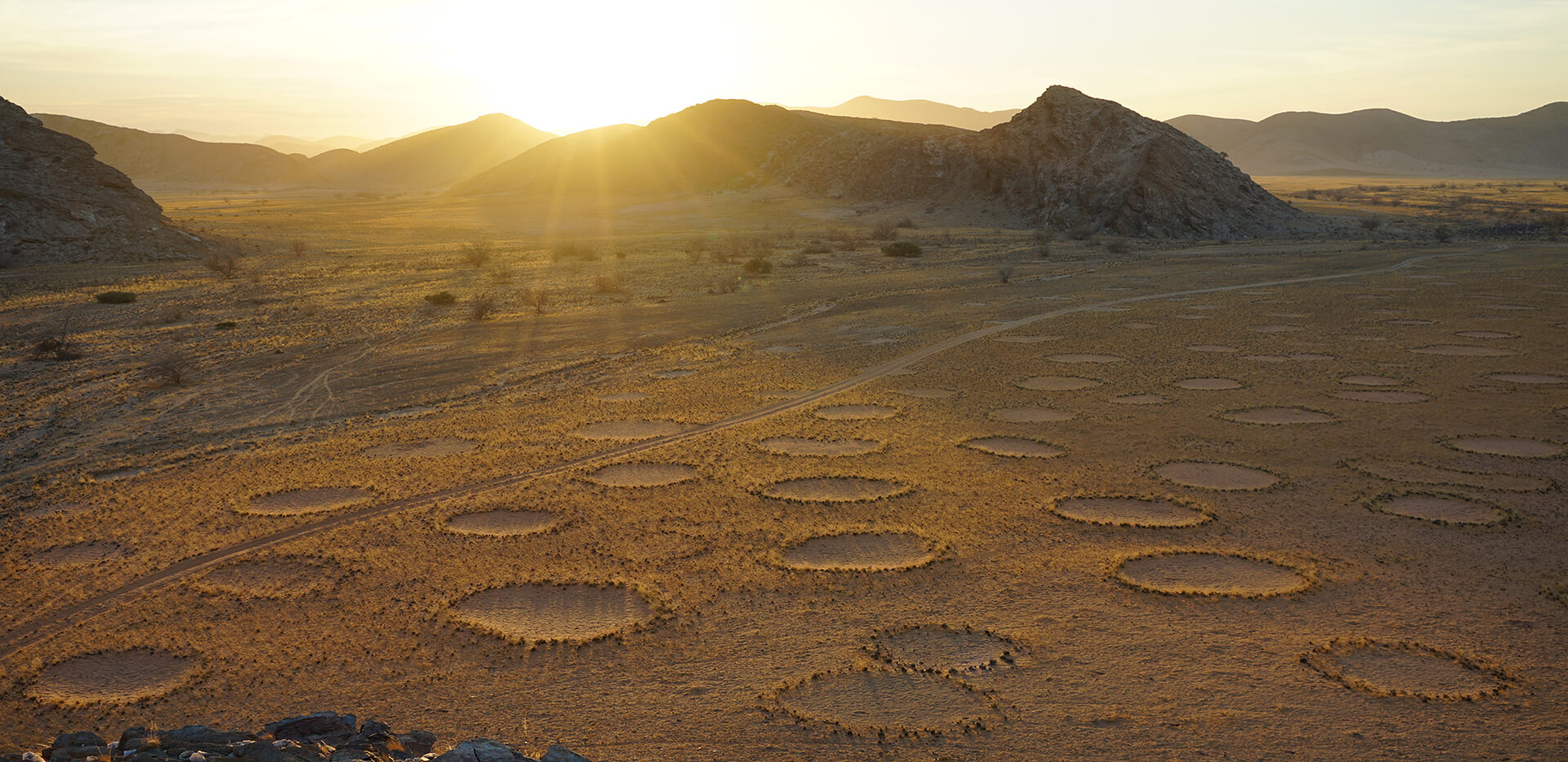
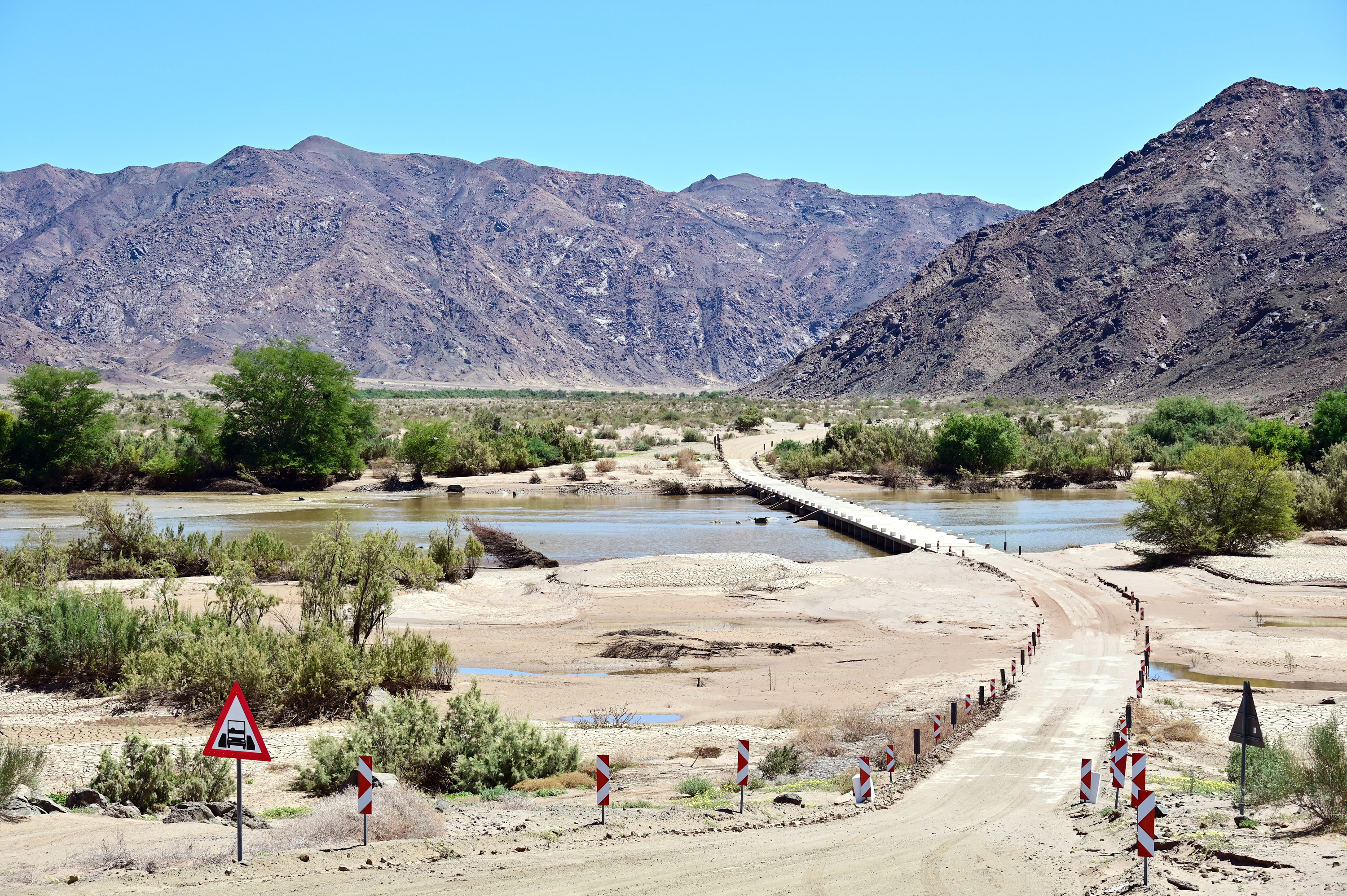
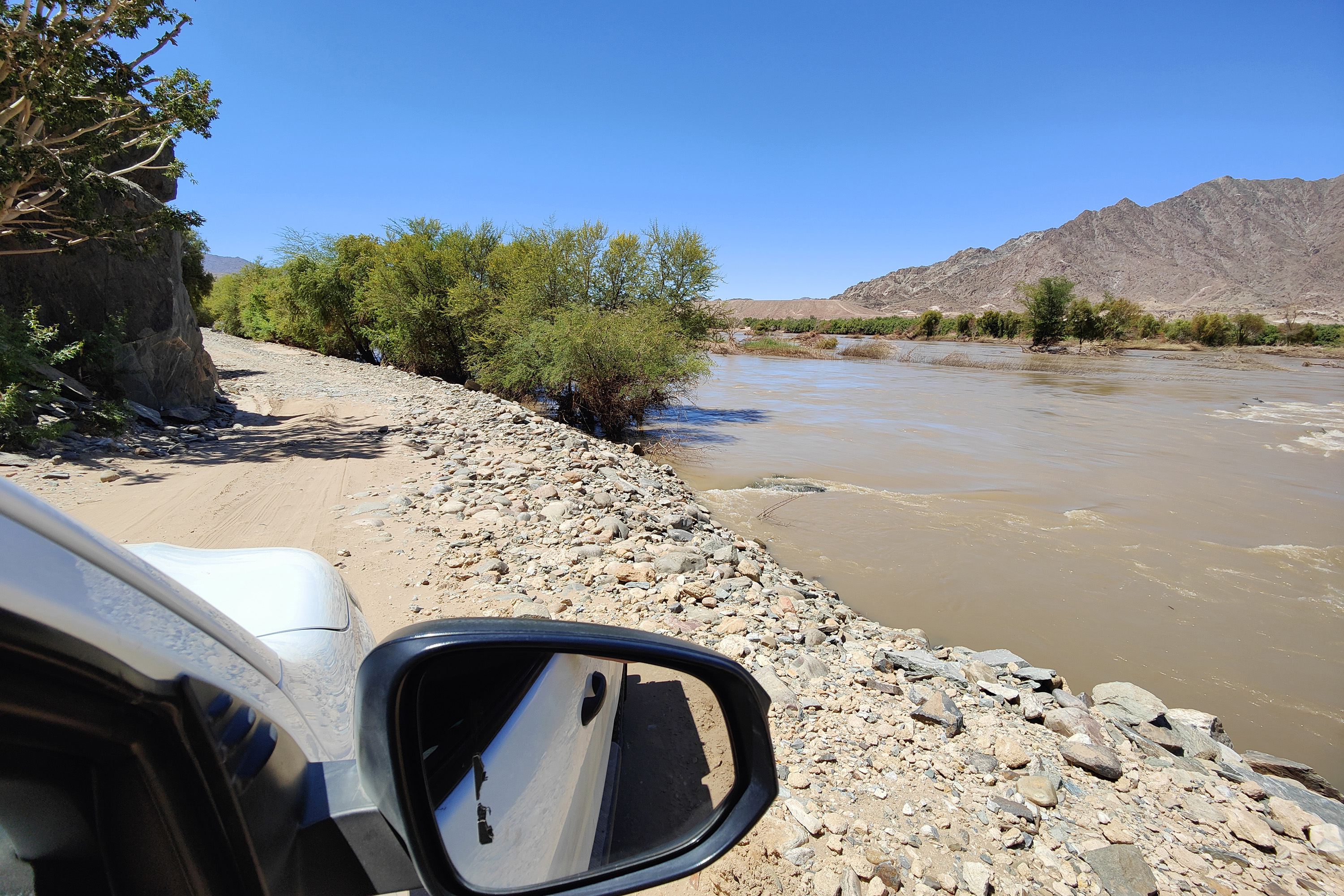
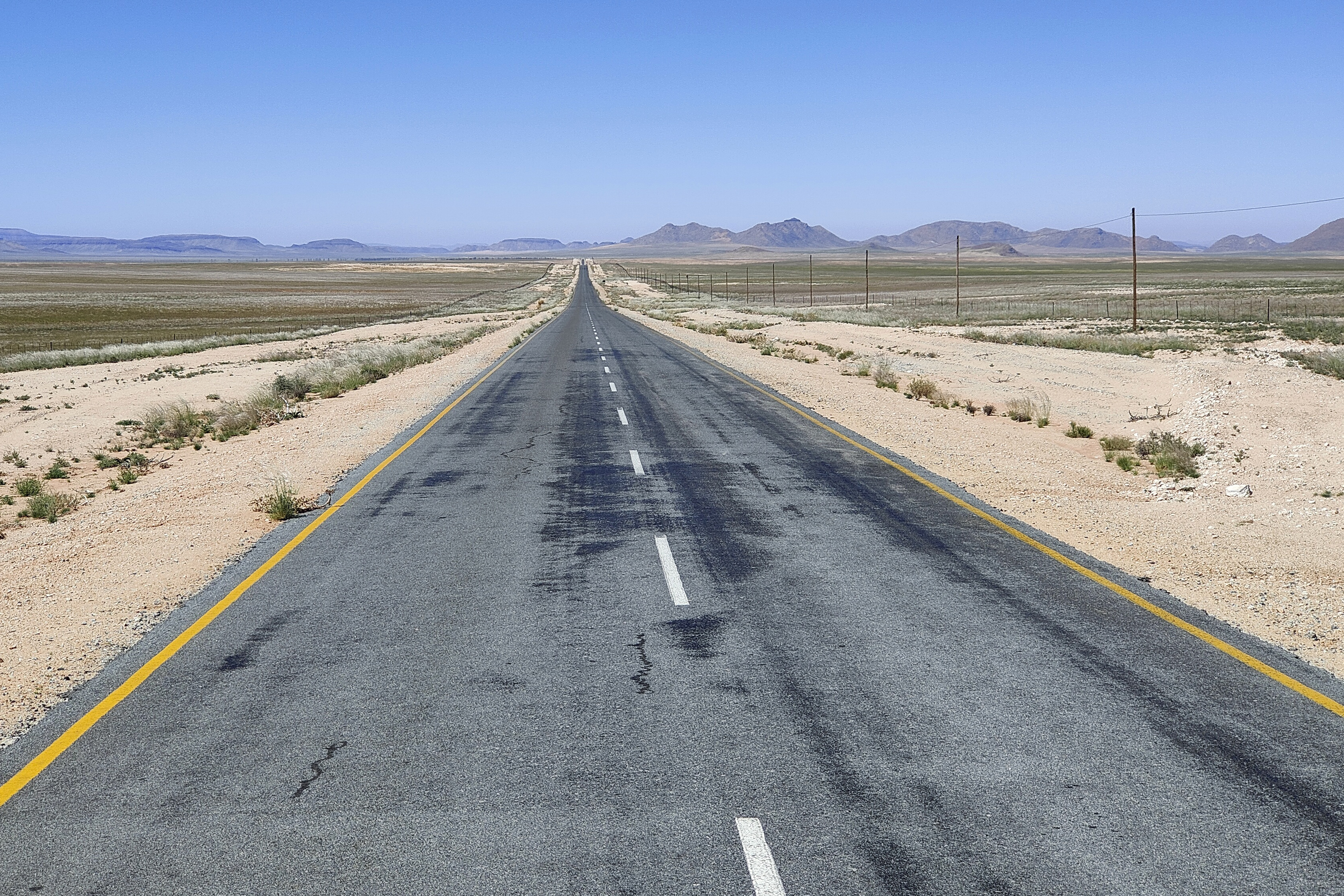
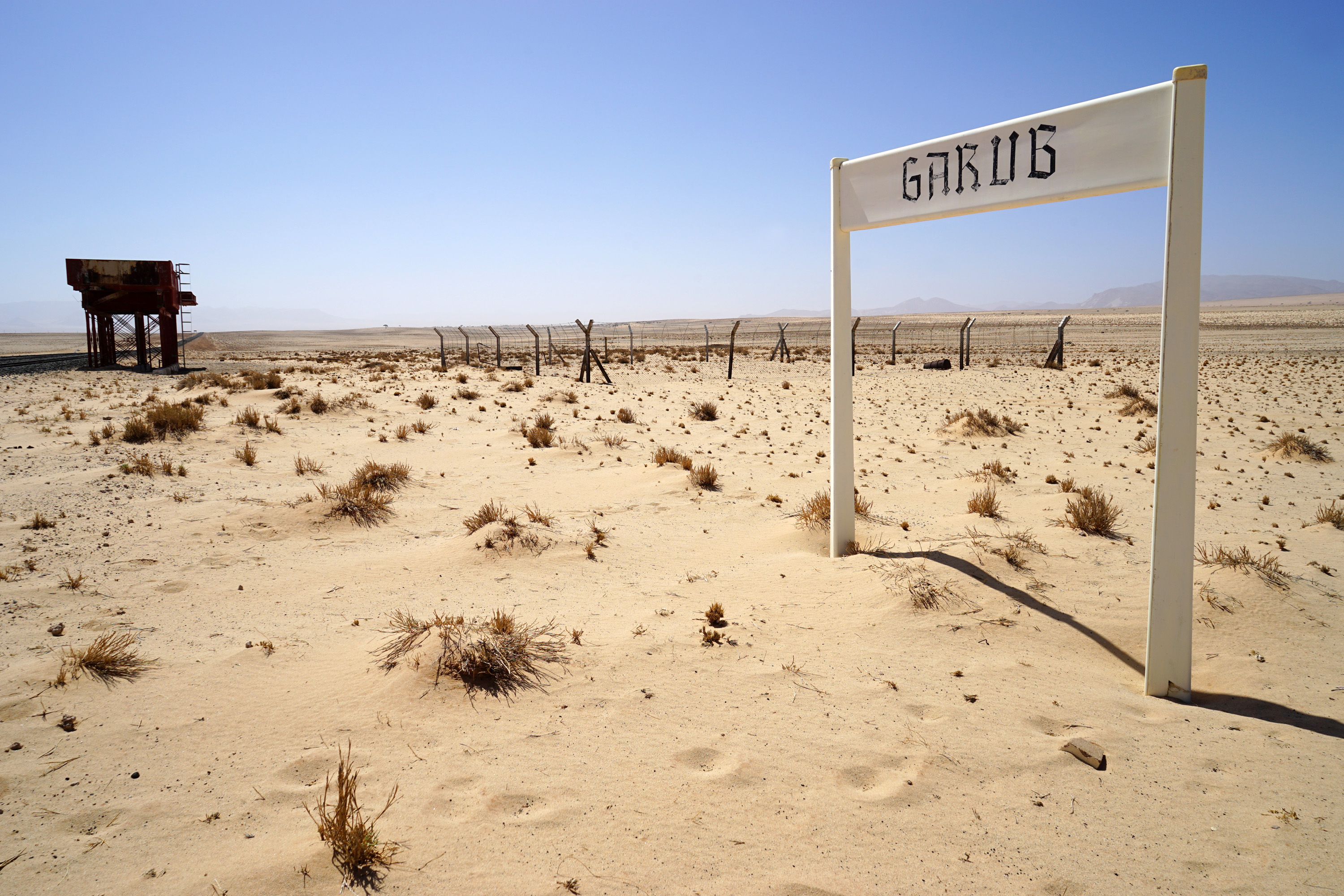
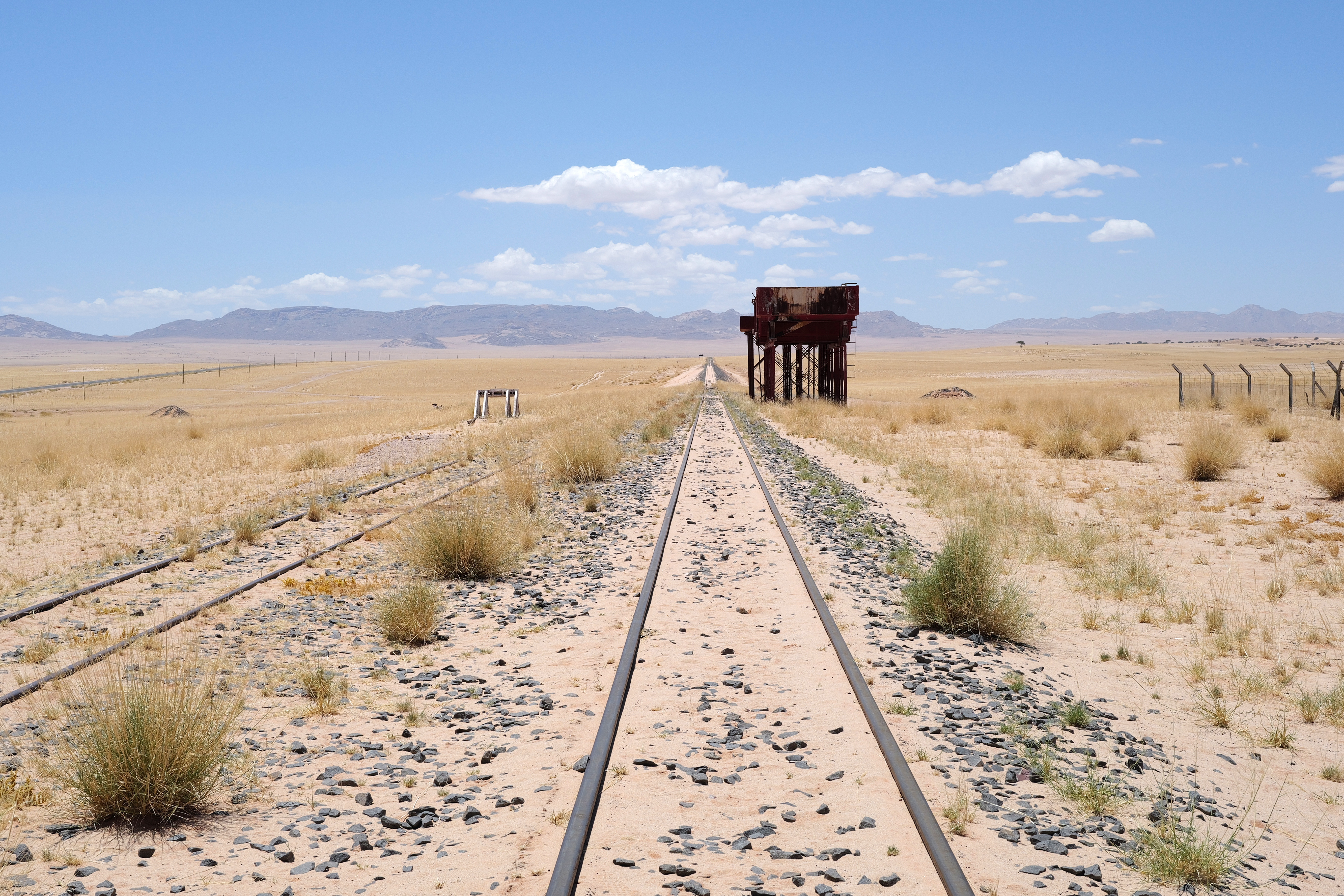
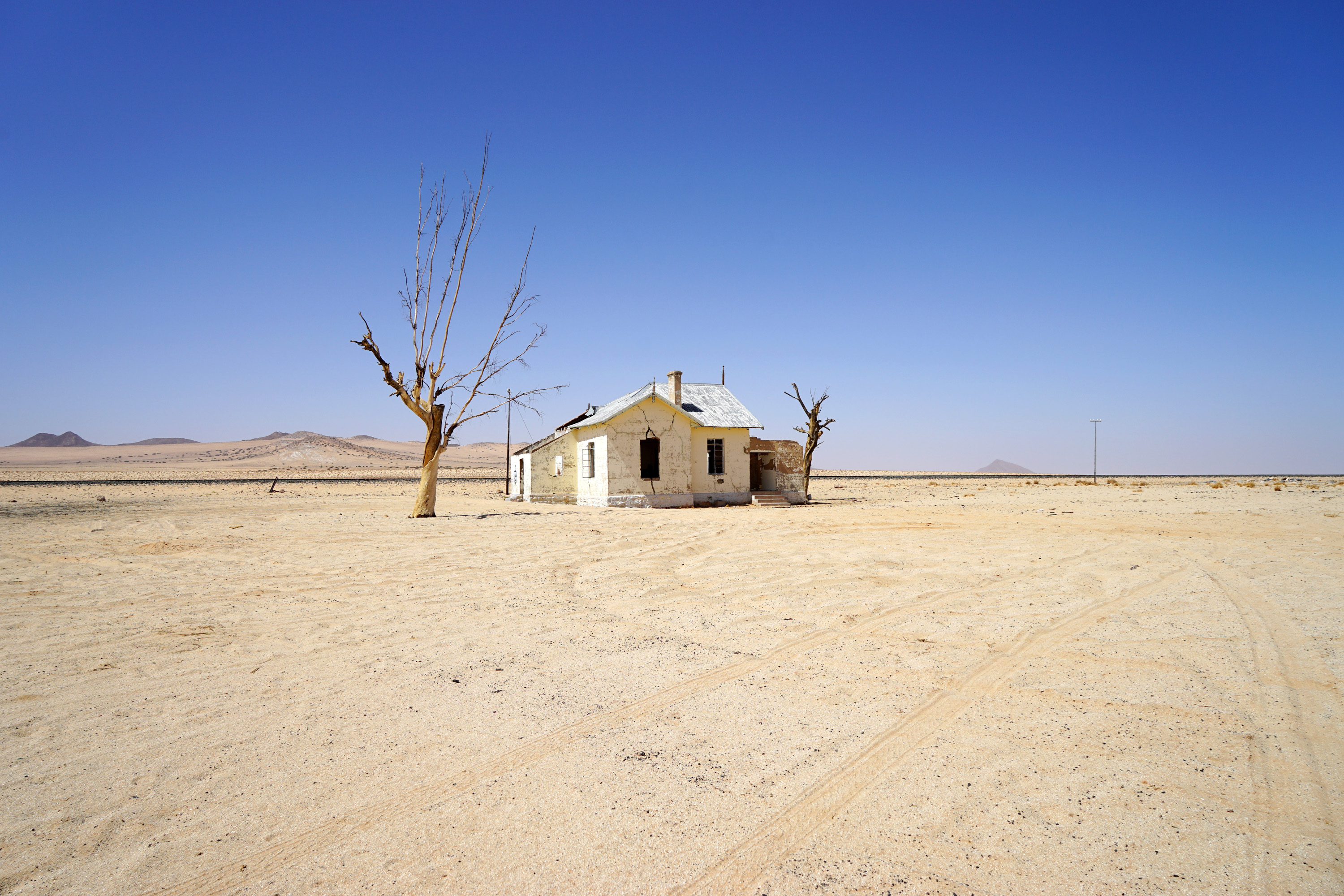
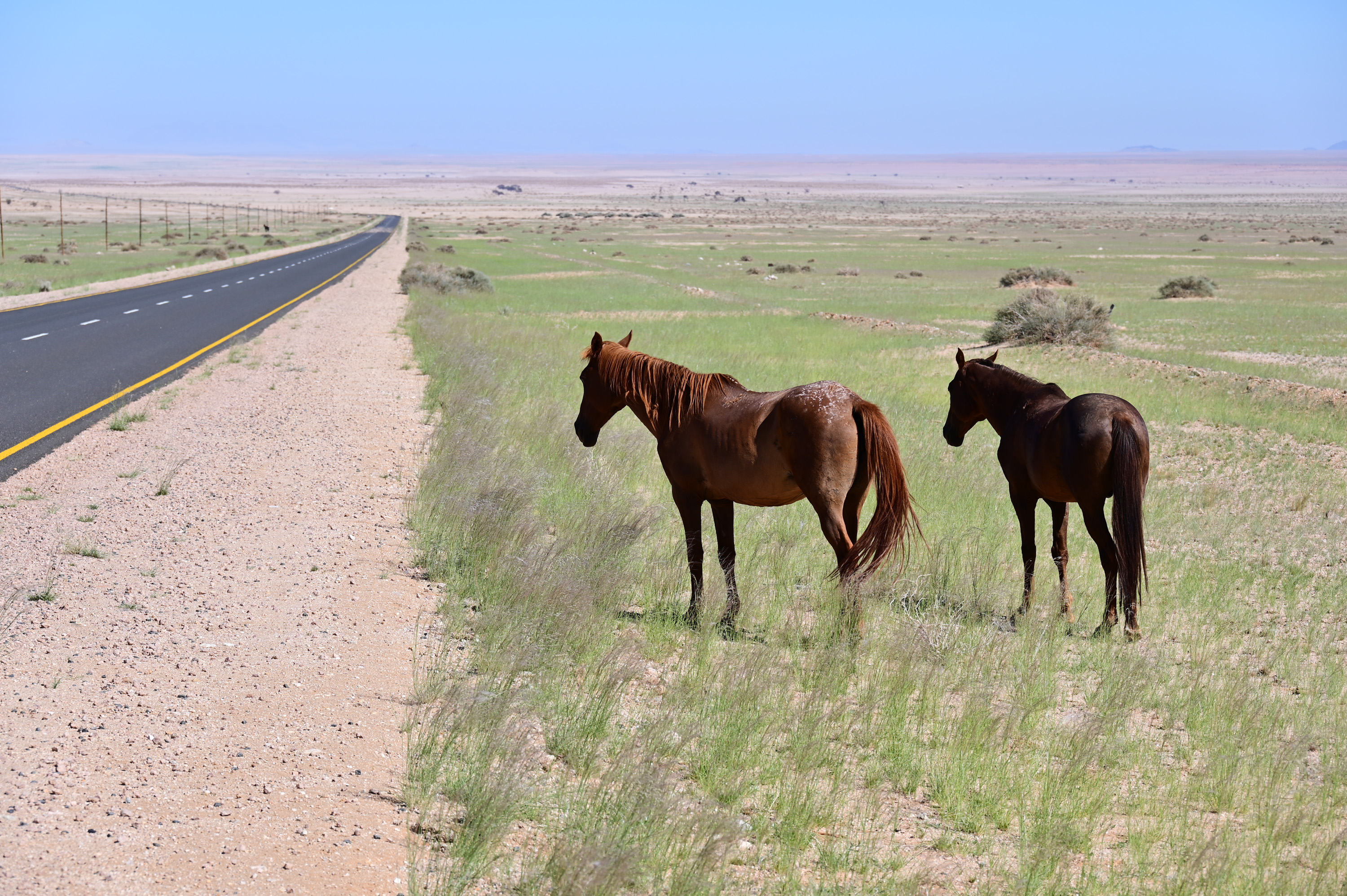
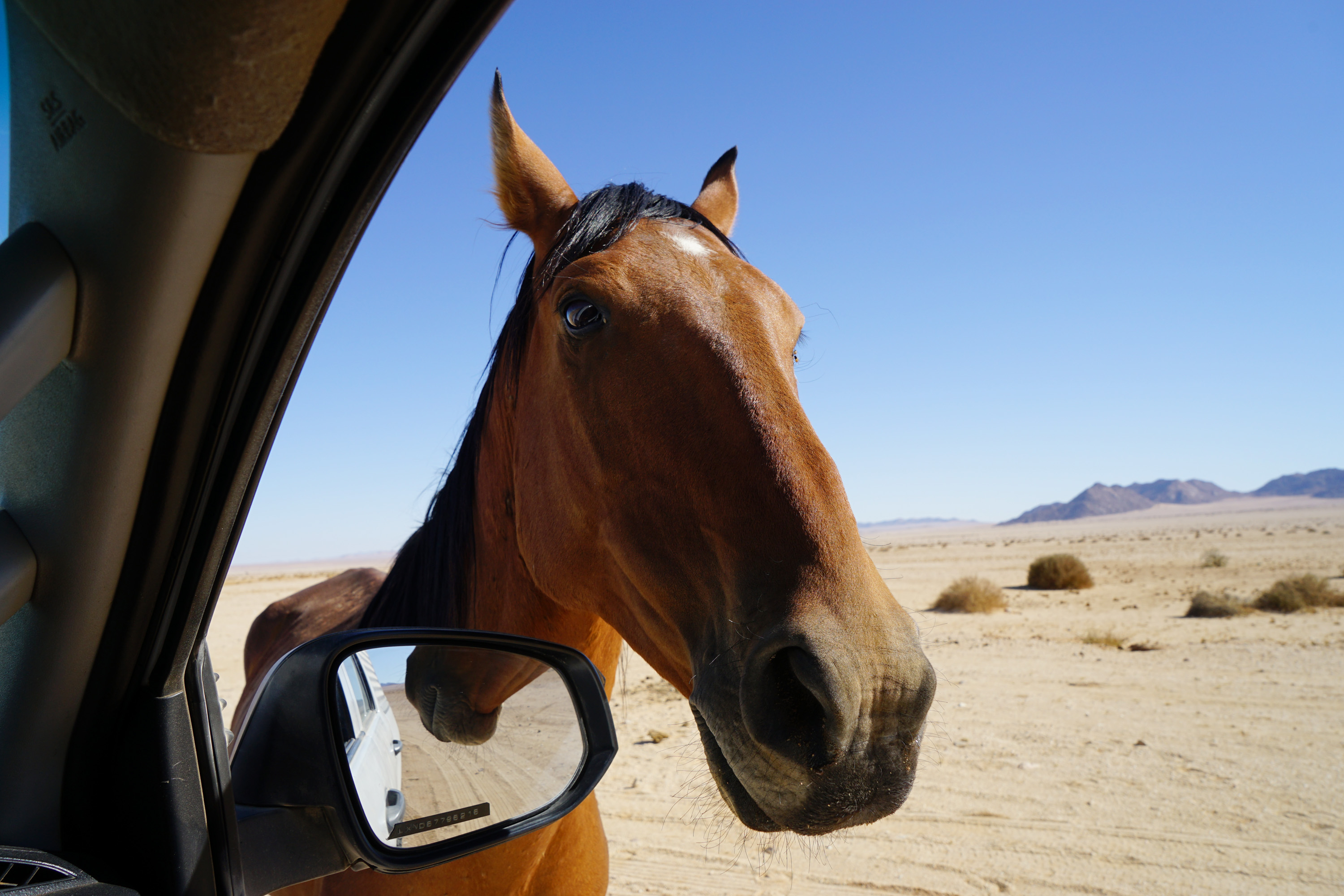
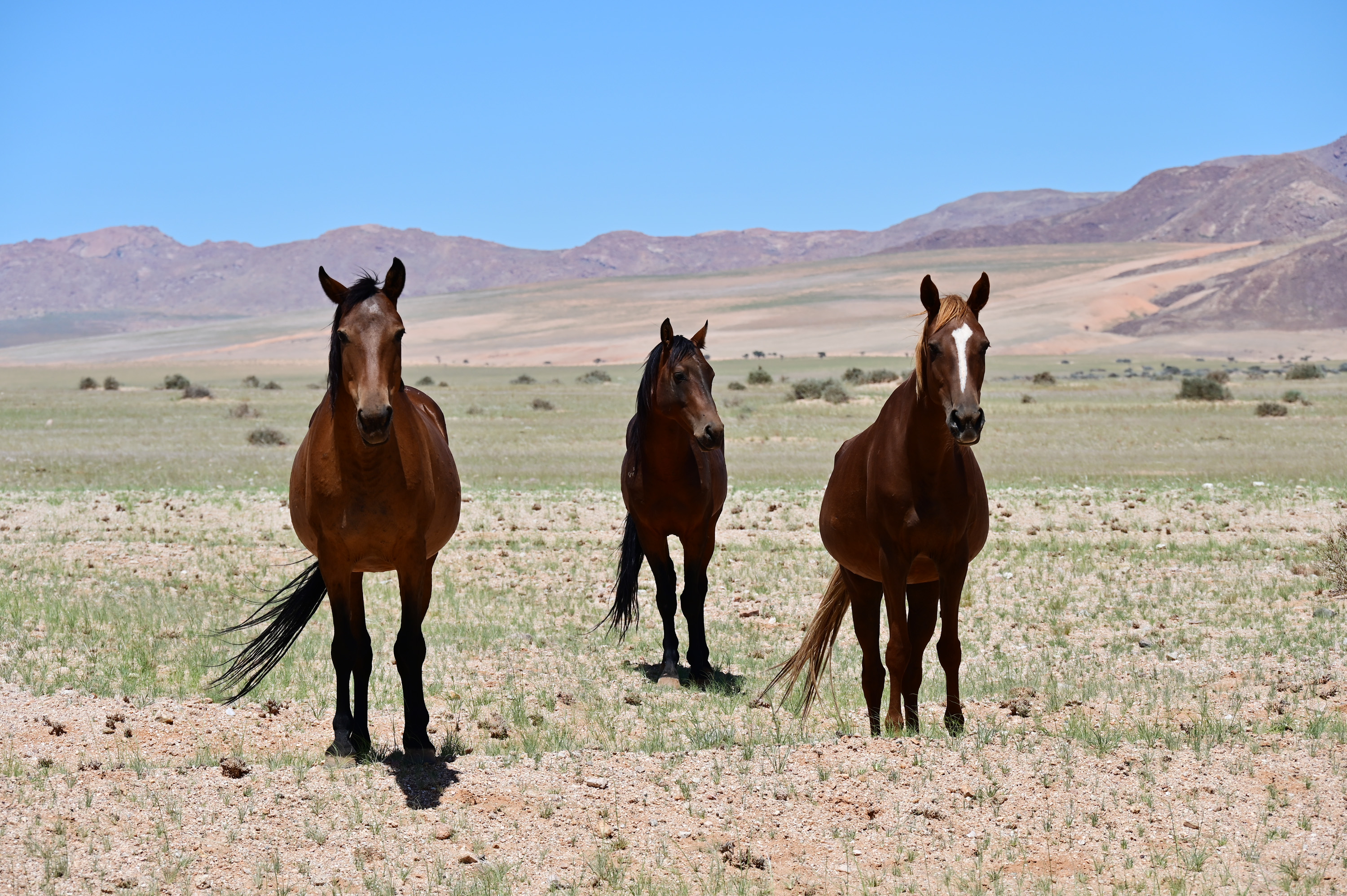
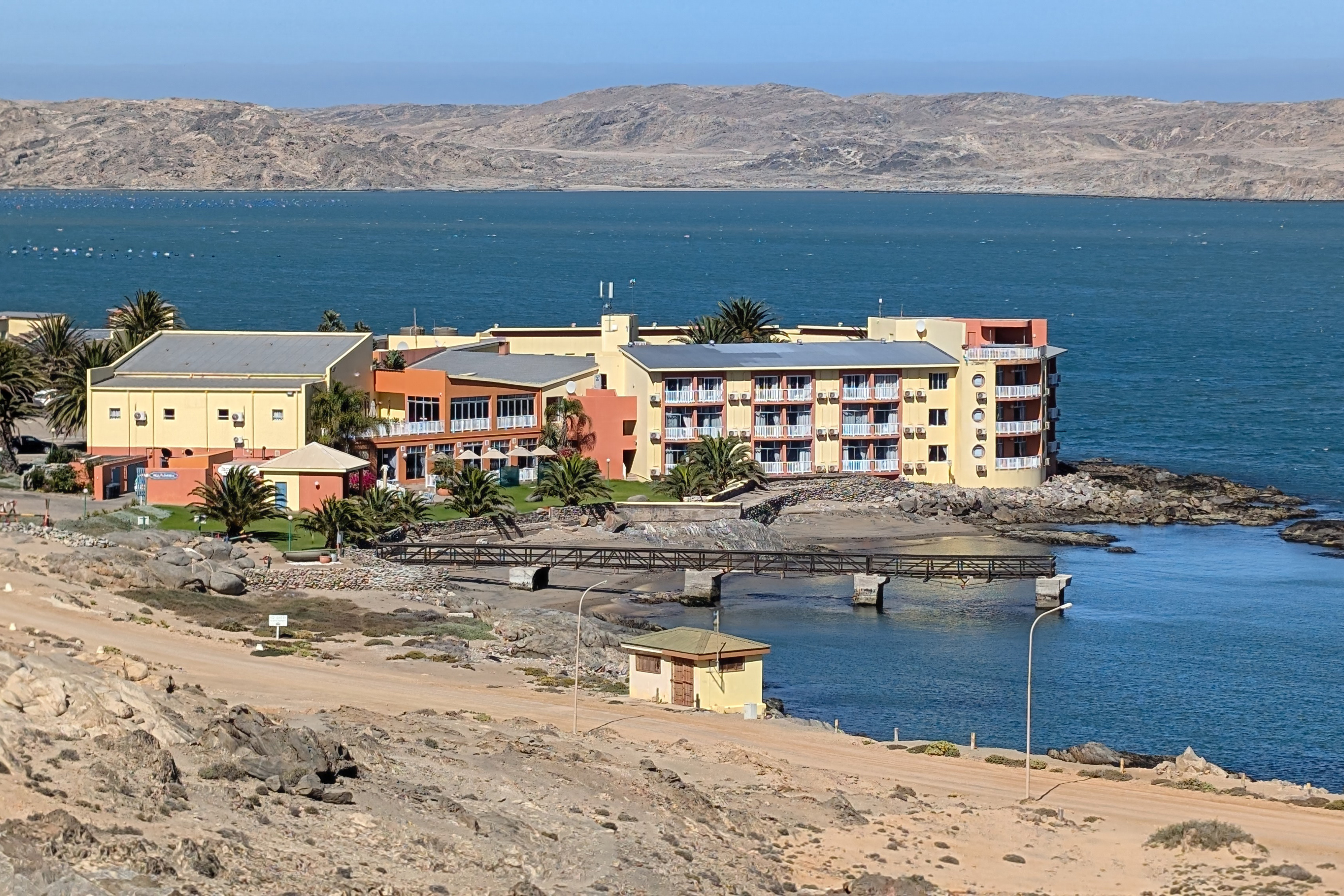
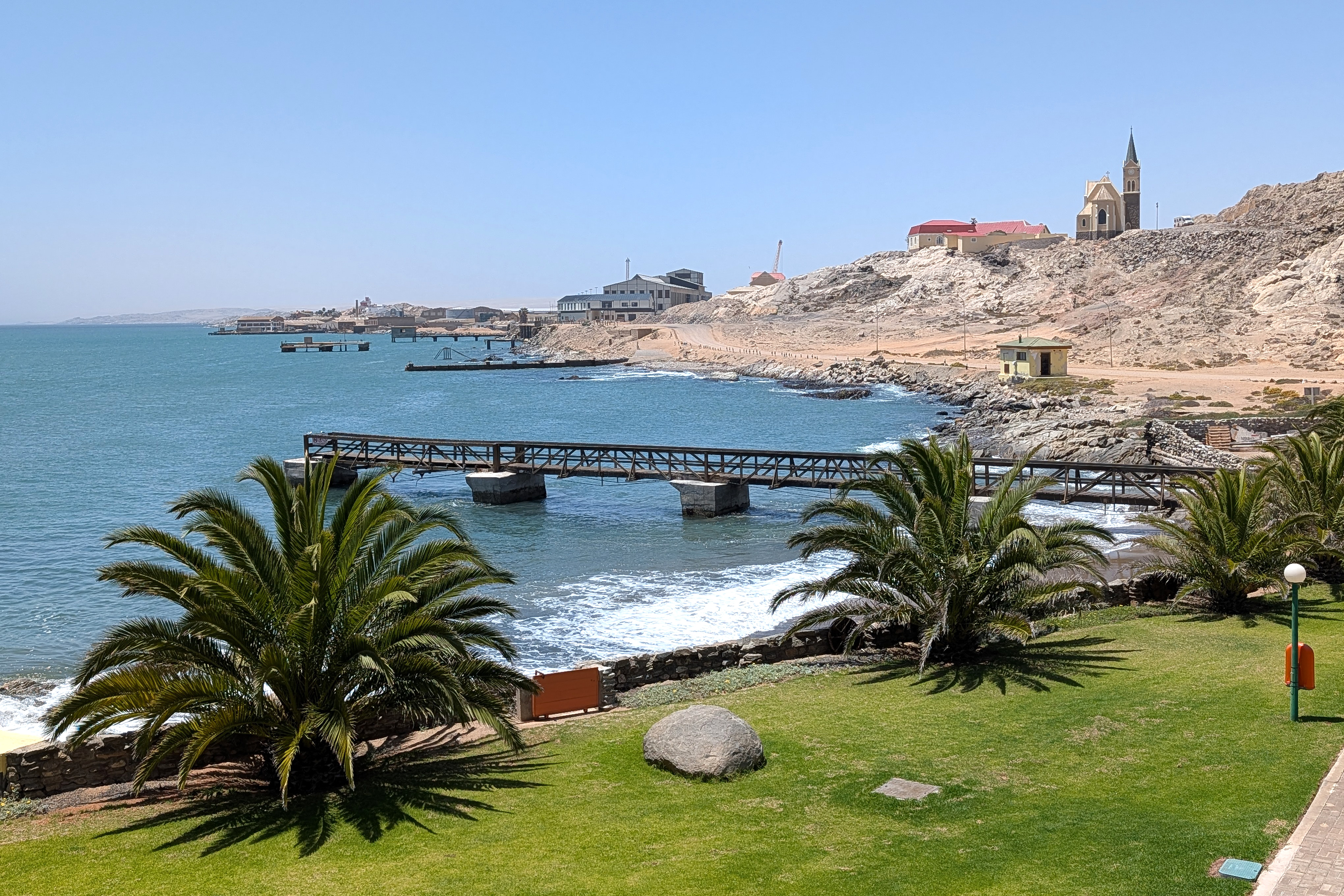
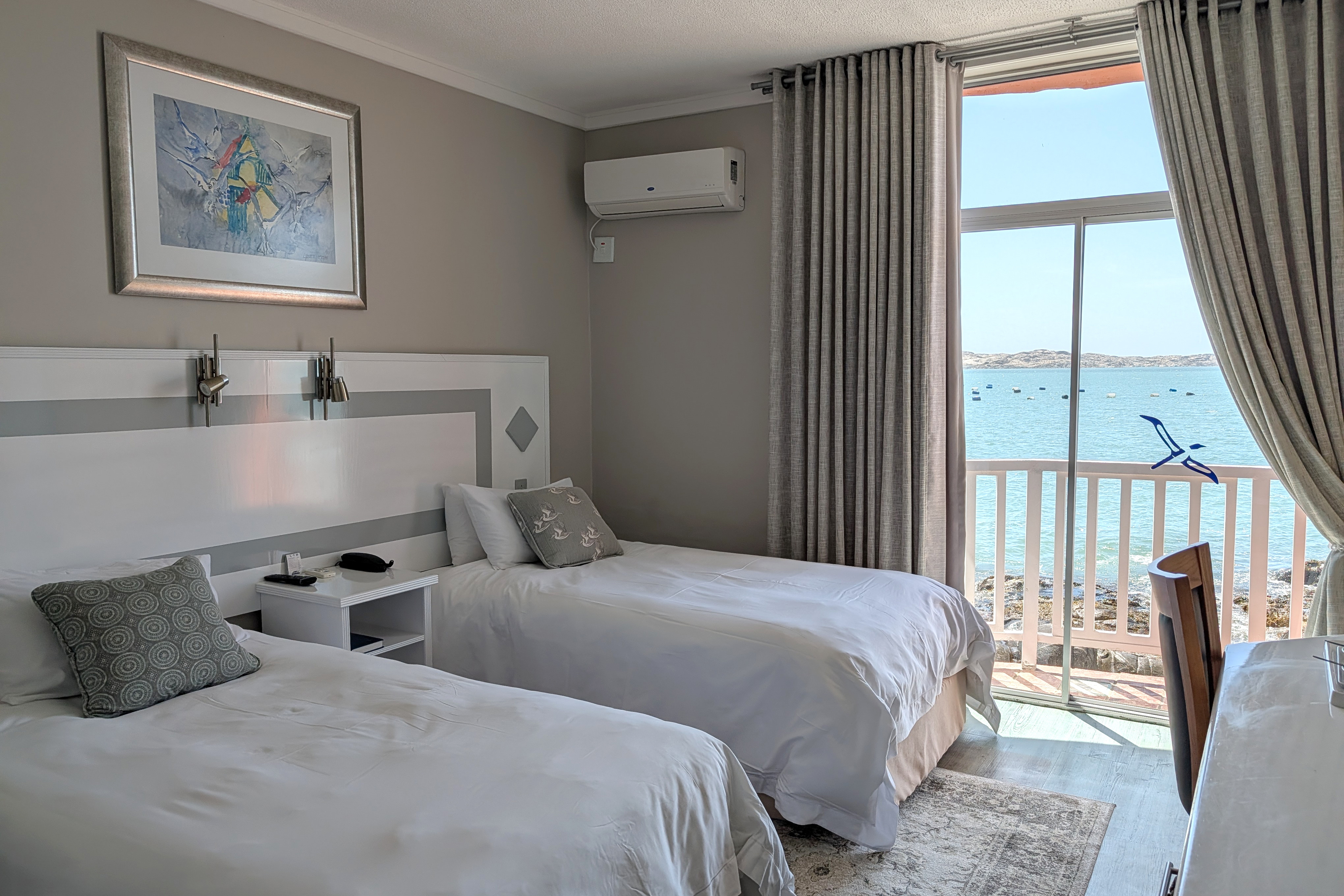
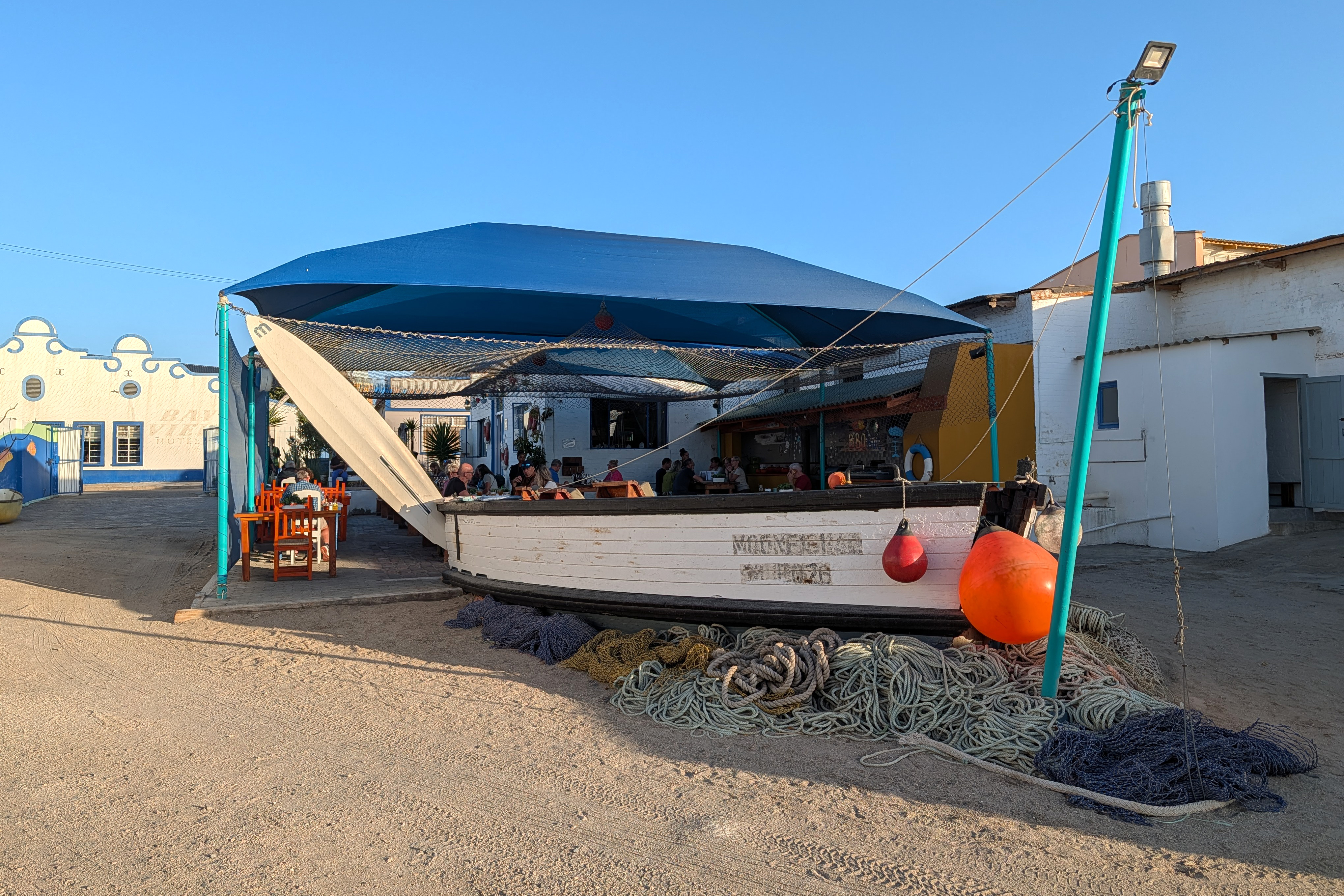
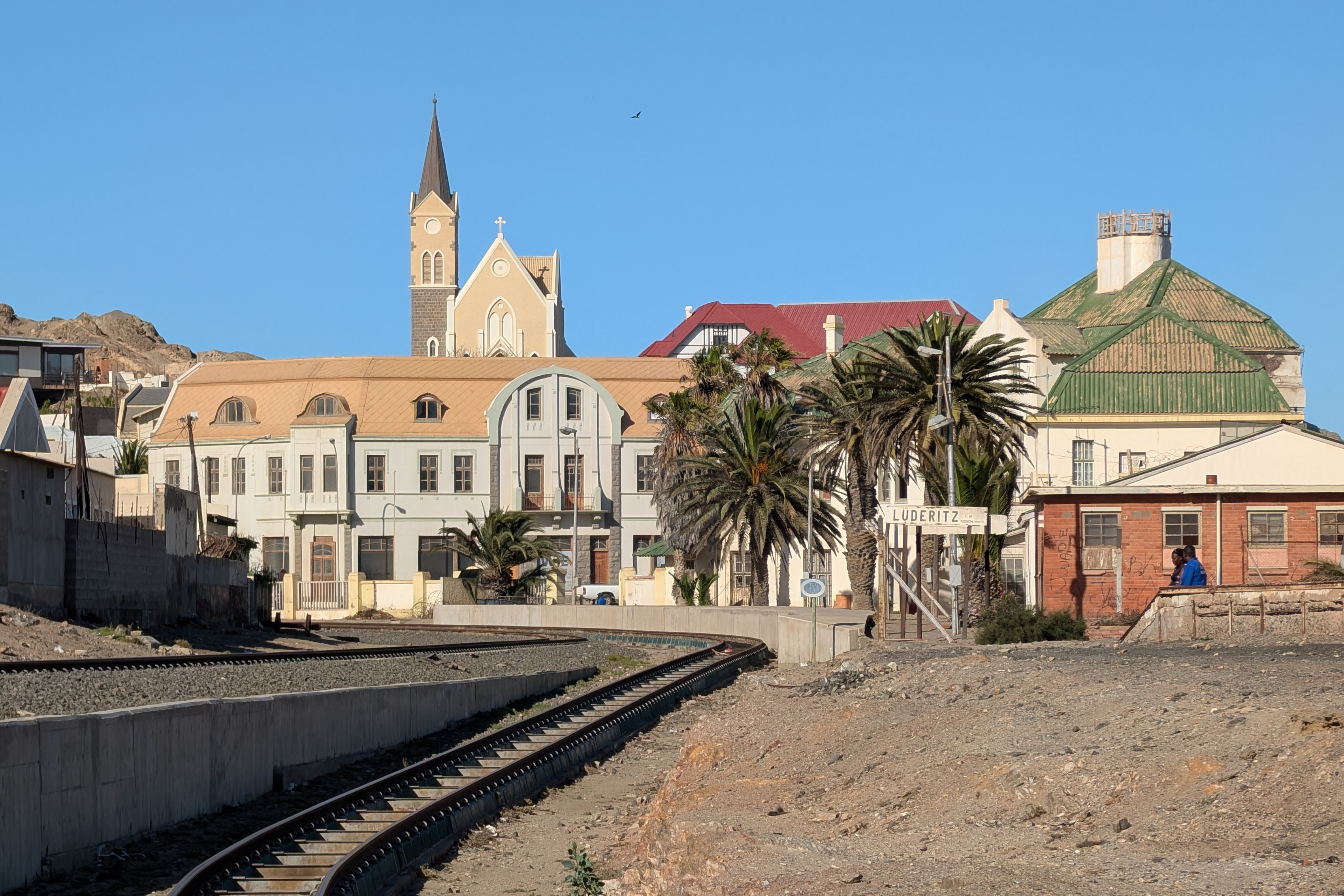
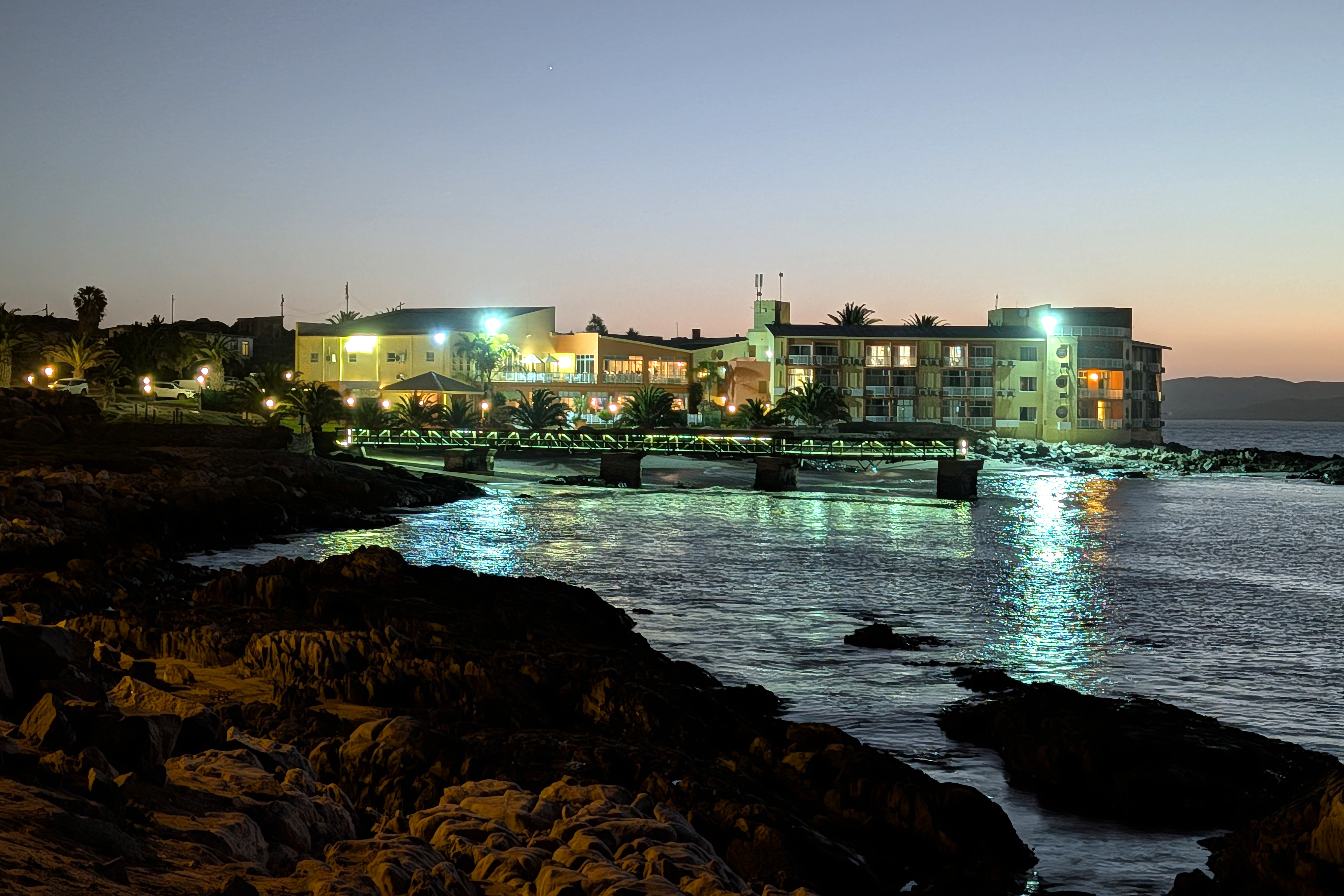
On the sixth day of the Grand North-South Tour, we head to Lüderitz. This stage of the journey takes a little longer, but it mostly takes place on deserted asphalt roads that are very comfortable to drive on. Only at the beginning do we wind our way along a narrow gravel road along the Orange River in our Land Cruiser. This road is beautifully situated and offers varied views of the wide river after every bend. At the end, we head uphill to the north and leave the deep valley of the Orange River. Soon we reach the small town of Rosh Pinah, which is characterized by mining, especially the extraction of zinc. From there, we continue towards Aus. This long asphalt road symbolizes the vastness of the south. There is hardly a more deserted place in Namibia, as the restricted diamond Sperrgebiet is on the left and huge lonely farms are on the right. After reaching Aus, we continue west to the old railway station of Garub. This abandoned railway station in Garub is a special place. I have visited this place repeatedly for research purposes, as there are fairy circles south of the railway line behind the longitudinal dunes, which occur together with euphorbias. I have been studying these fairy circles and spurge plants of the species Euphorbia gummifera since 2017, which has also led to publications in 2021 and in 2019. However, Garub is more famous for its wild horses. There is a borehole spring at Garub that was formerly used to refuel steam locomotives. This water source is also used by feral domestic horses, which have been known to exist since 1920 and date back to the German Schutztruppe era. The horses find it very difficult to survive in this extremely arid area, as rainfall is never reliable. The long-term average annual rainfall is only around 50 mm, which severely limits grass growth. The number of horses therefore fluctuates greatly and can range from 80 to 280 animals. Due to the lack of grass, the horses are often fed additional food. The horses are therefore usually very tame. They come right up to the car and often let themselves be petted. After Garub, the only way to go is west to the Atlantic coast. After an hour, we will reach Lüderitz, where we will stay for two days at the Nest Hotel right on the bay. Not far from the hotel is a traditional Portuguese fish restaurant where you can end the day watching the sunset.
Included services: Accommodation, breakfast
-
Day 7
Lüderitz
-
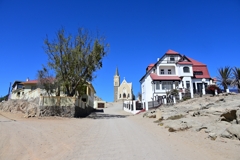
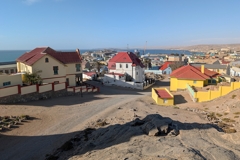
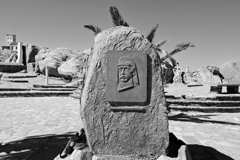
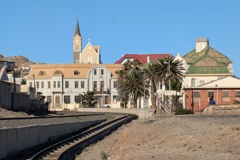
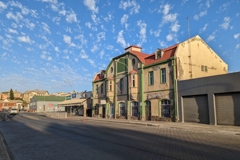
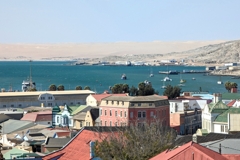
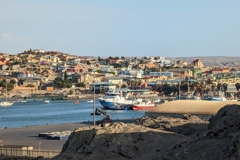
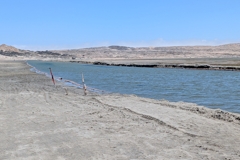
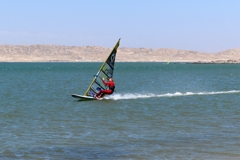
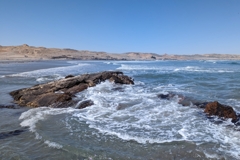
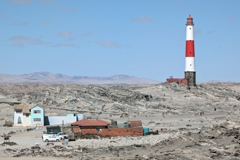
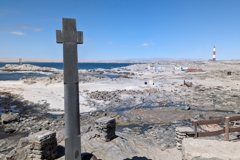
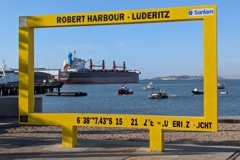
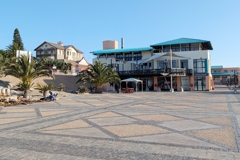
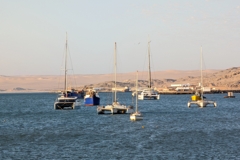
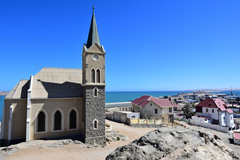
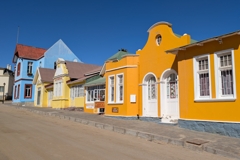
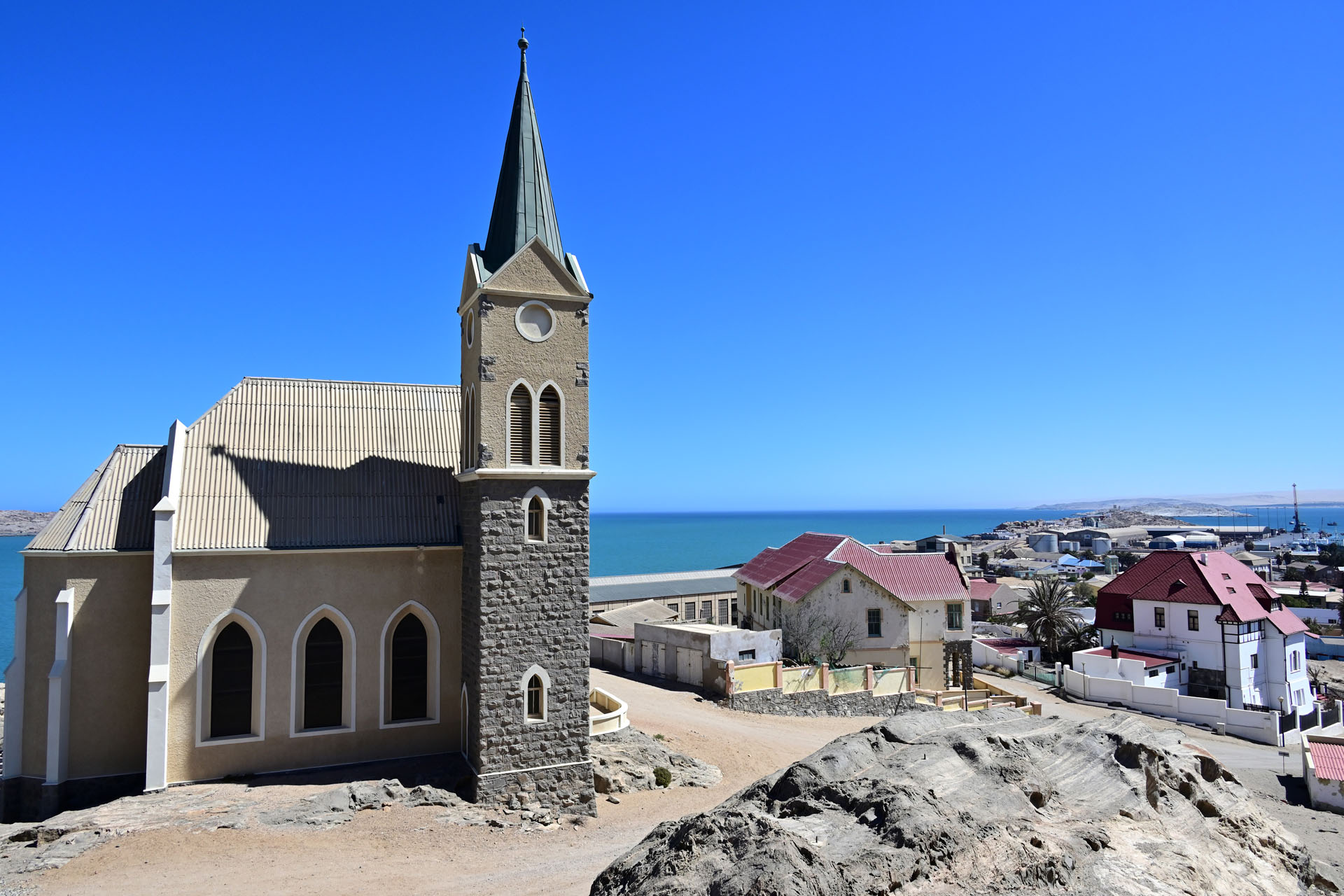
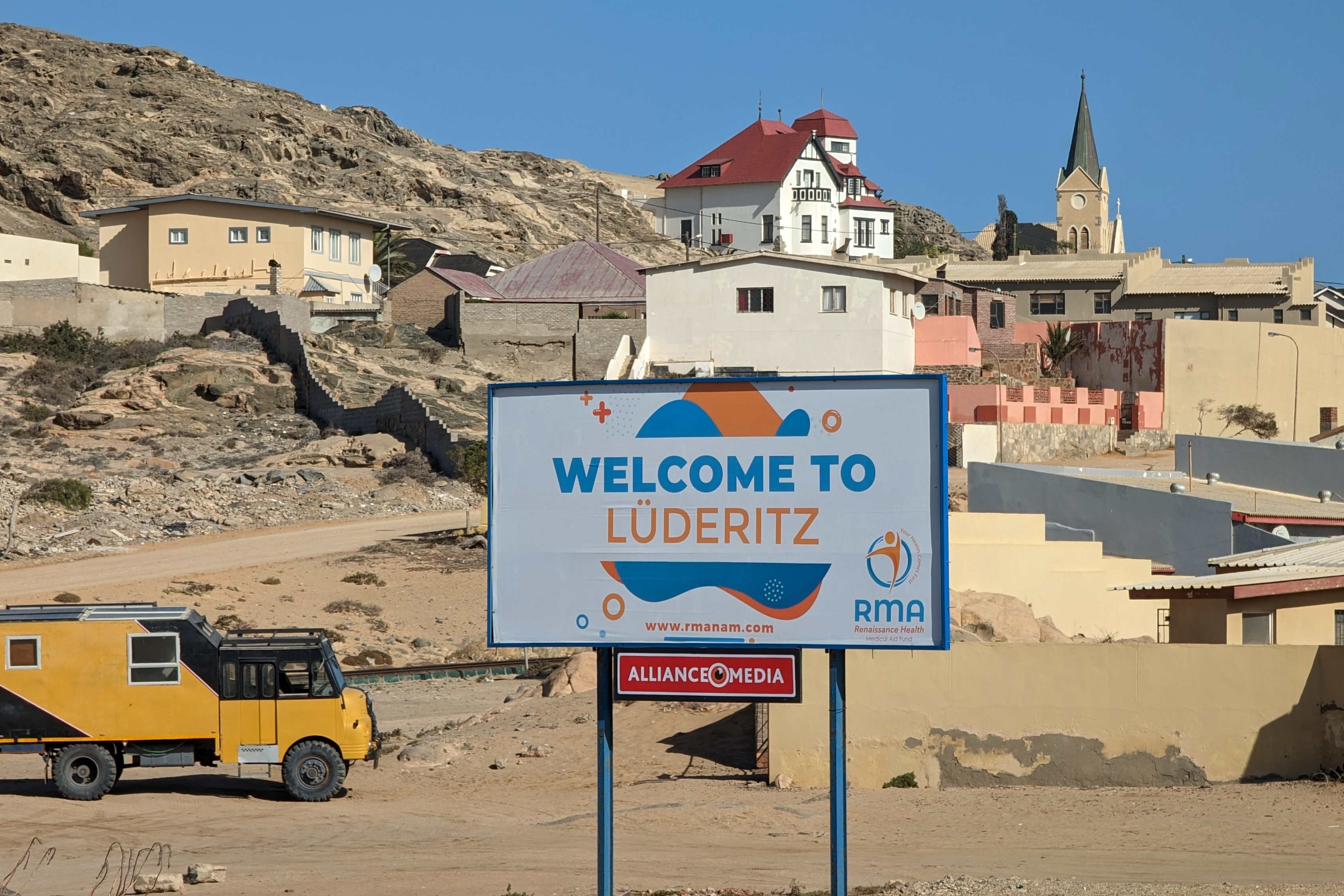
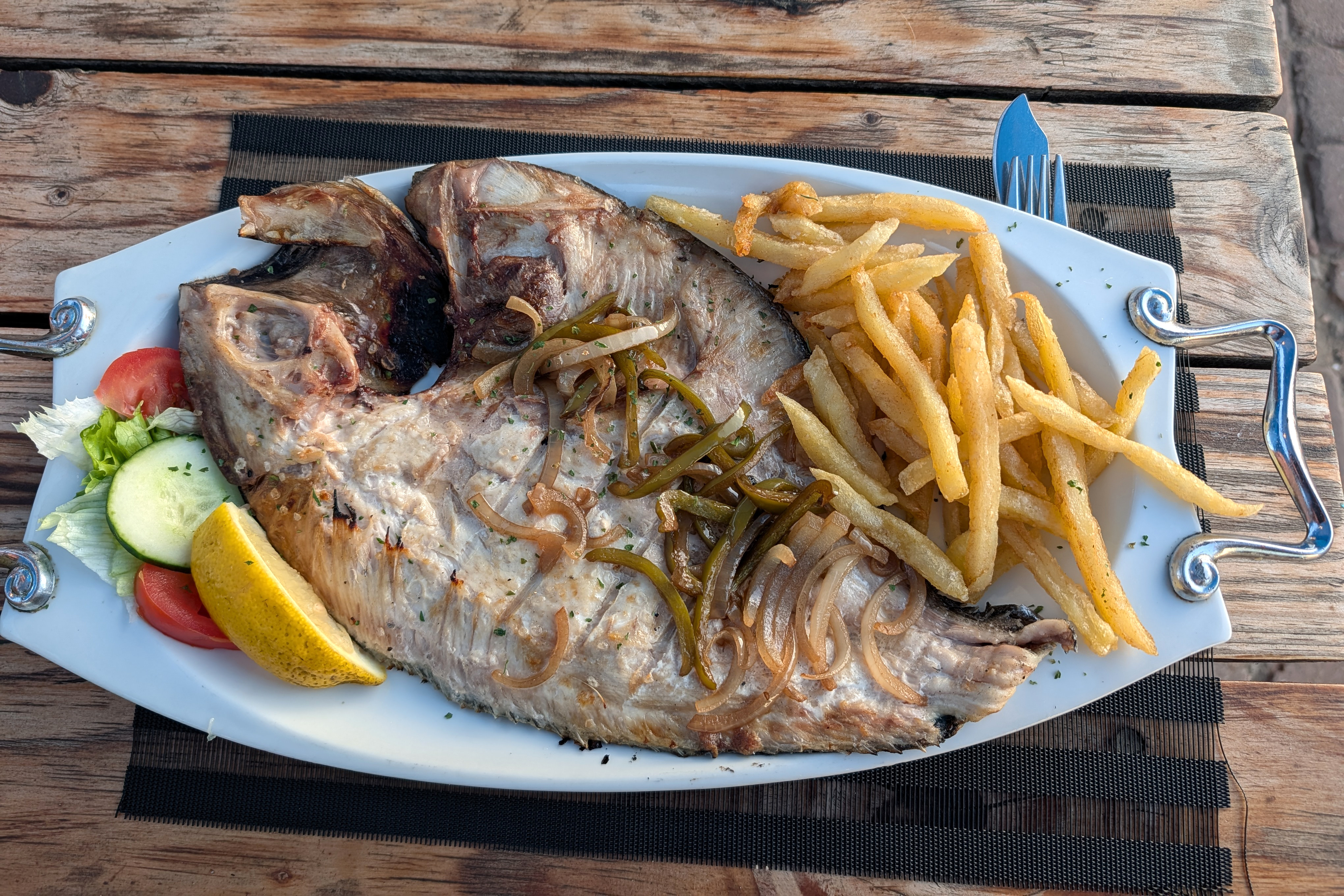
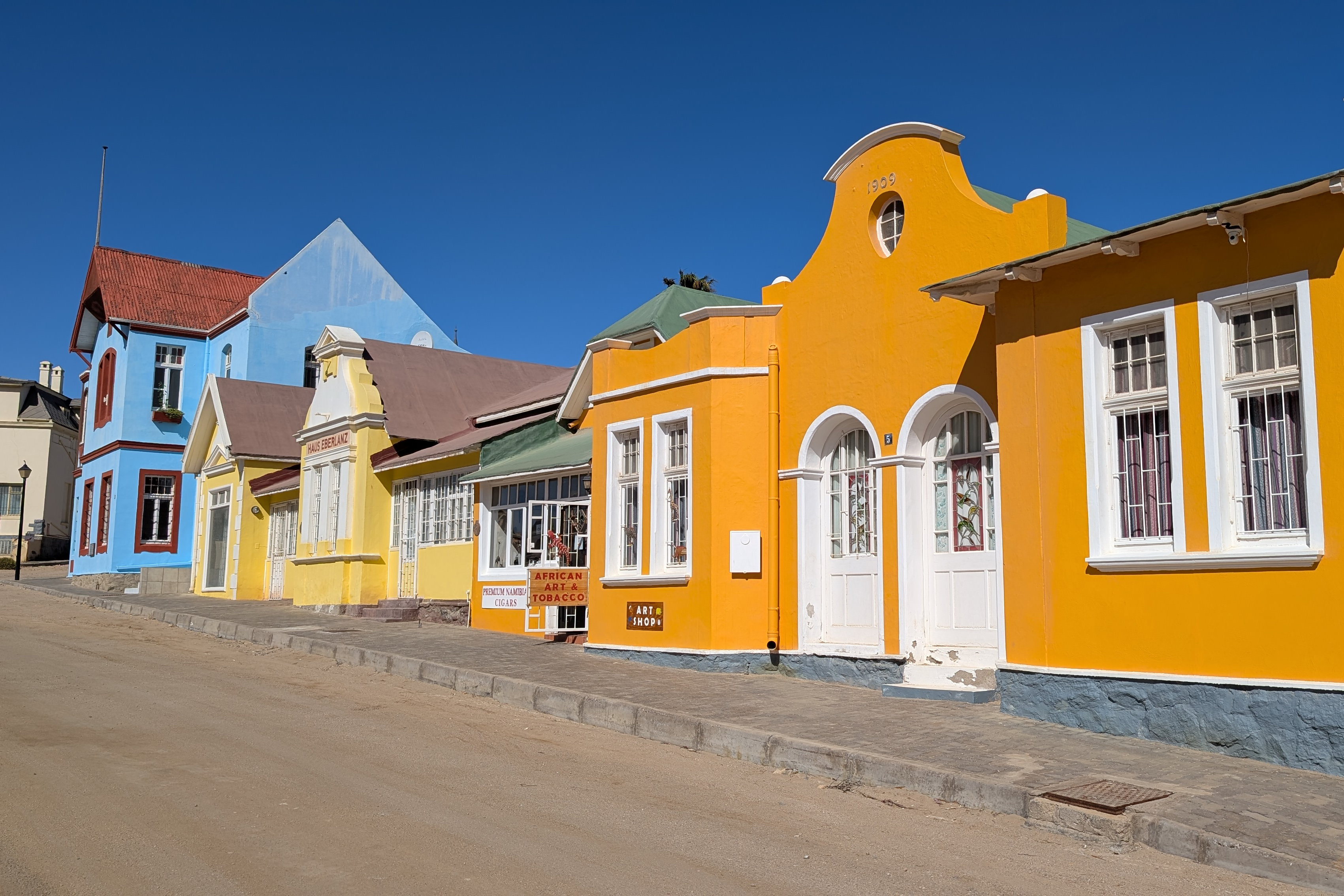
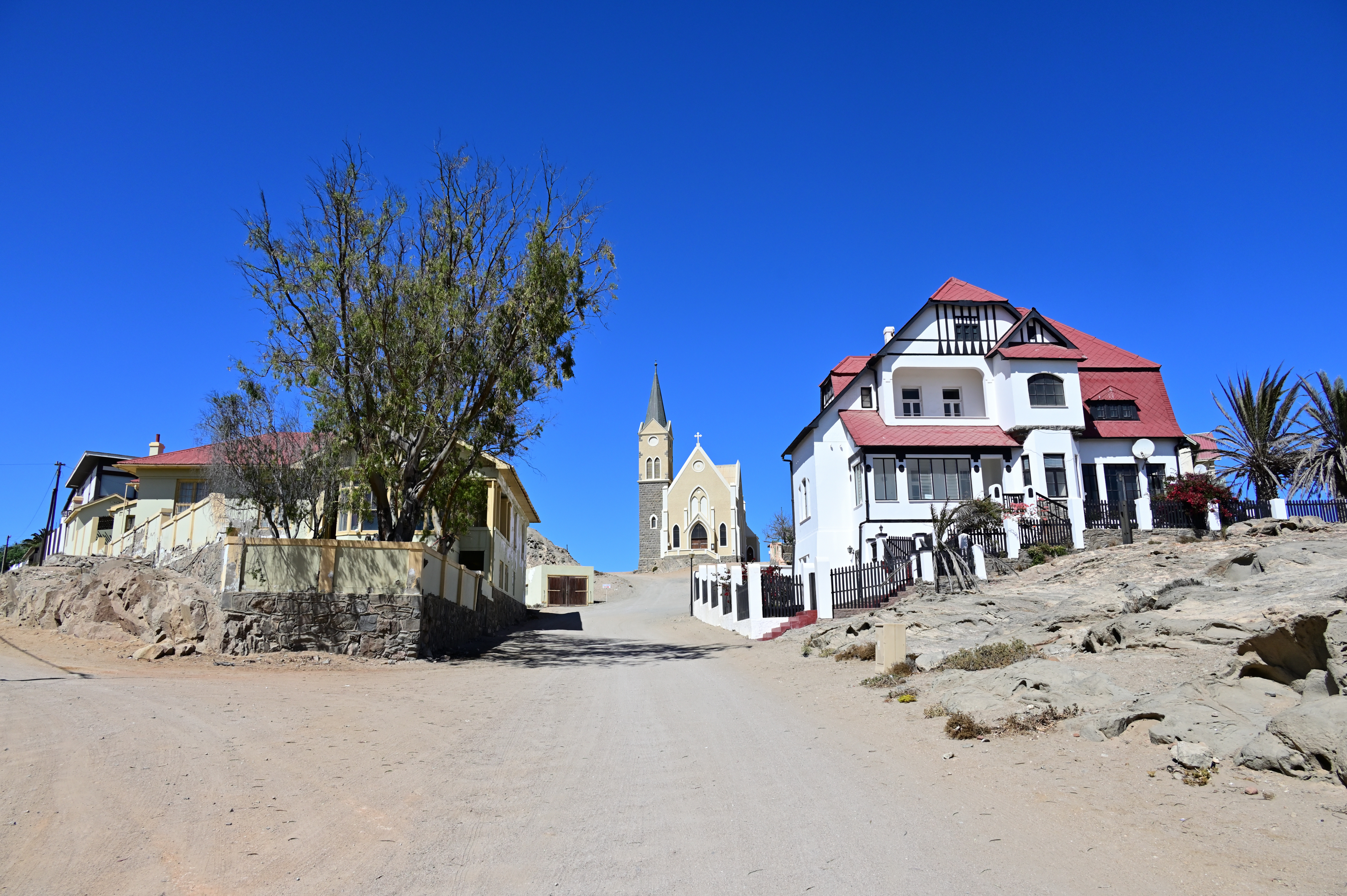
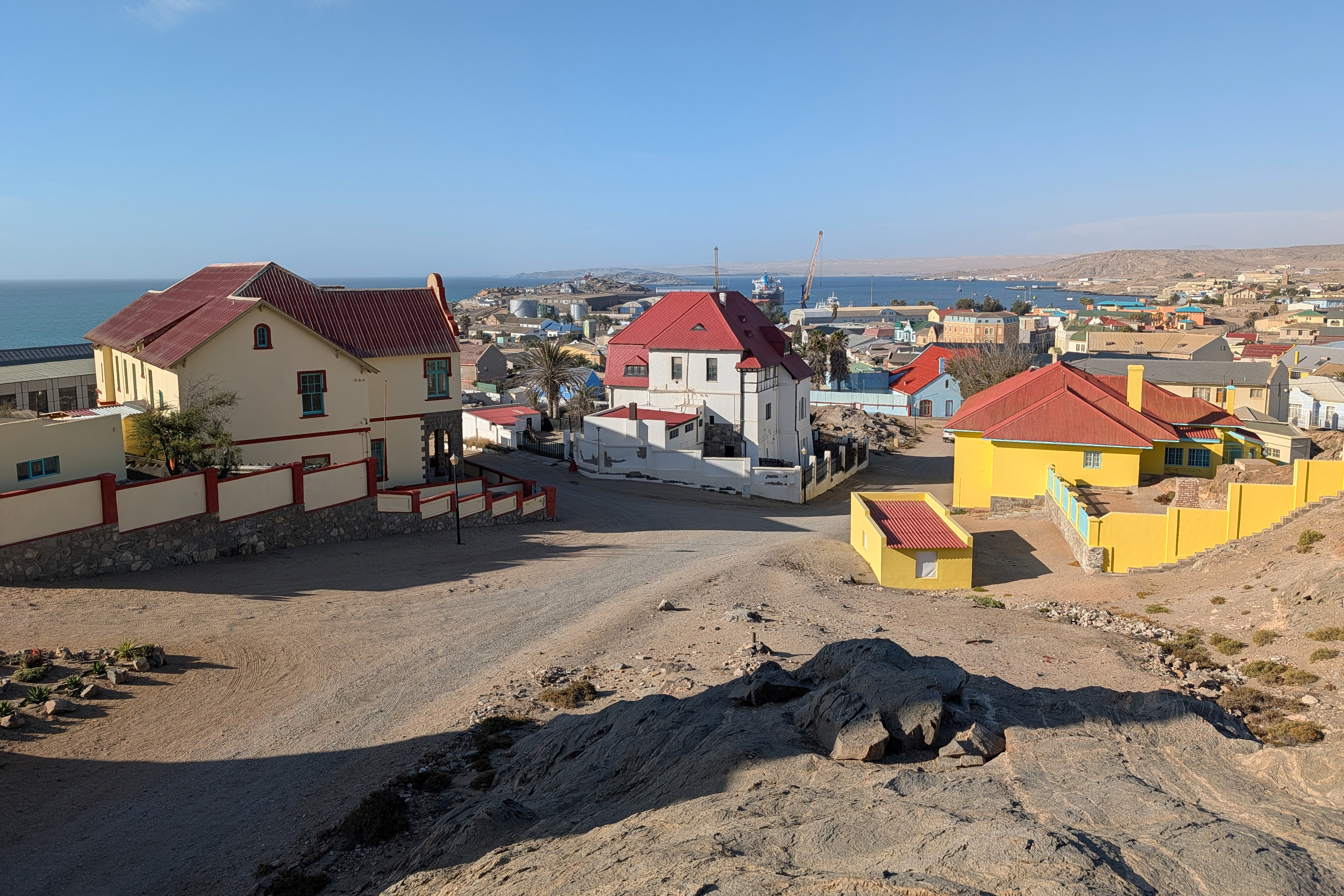
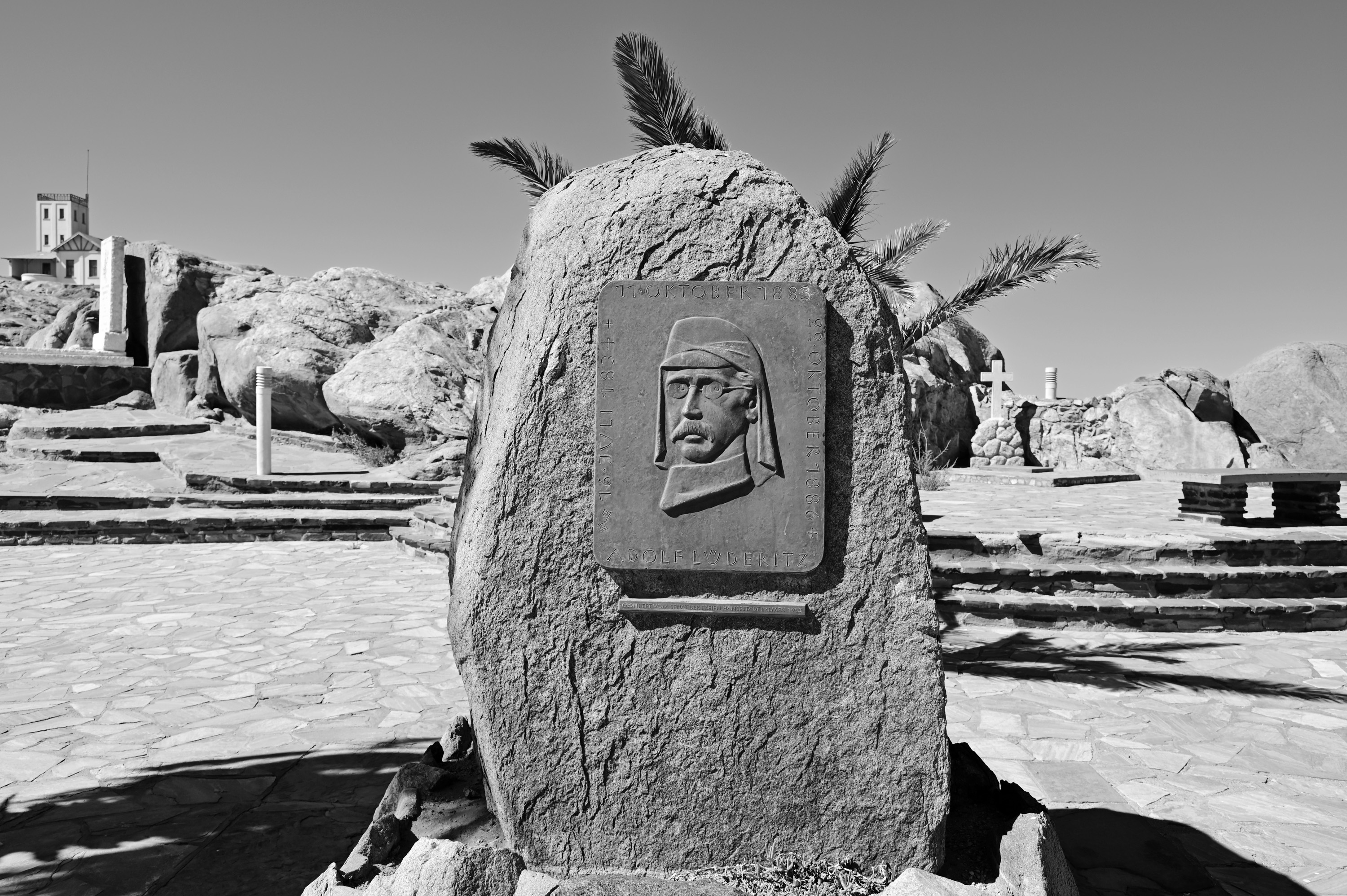
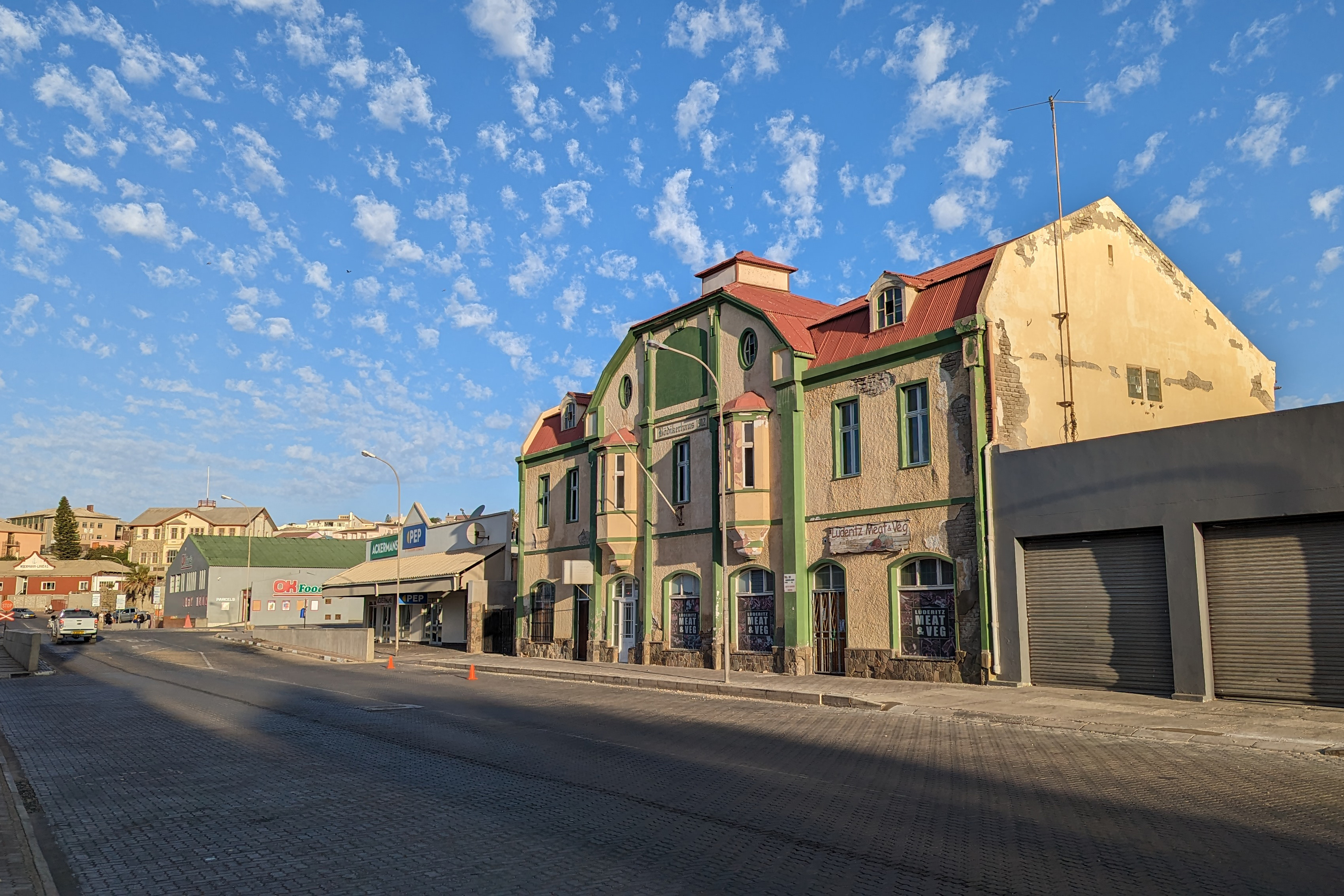
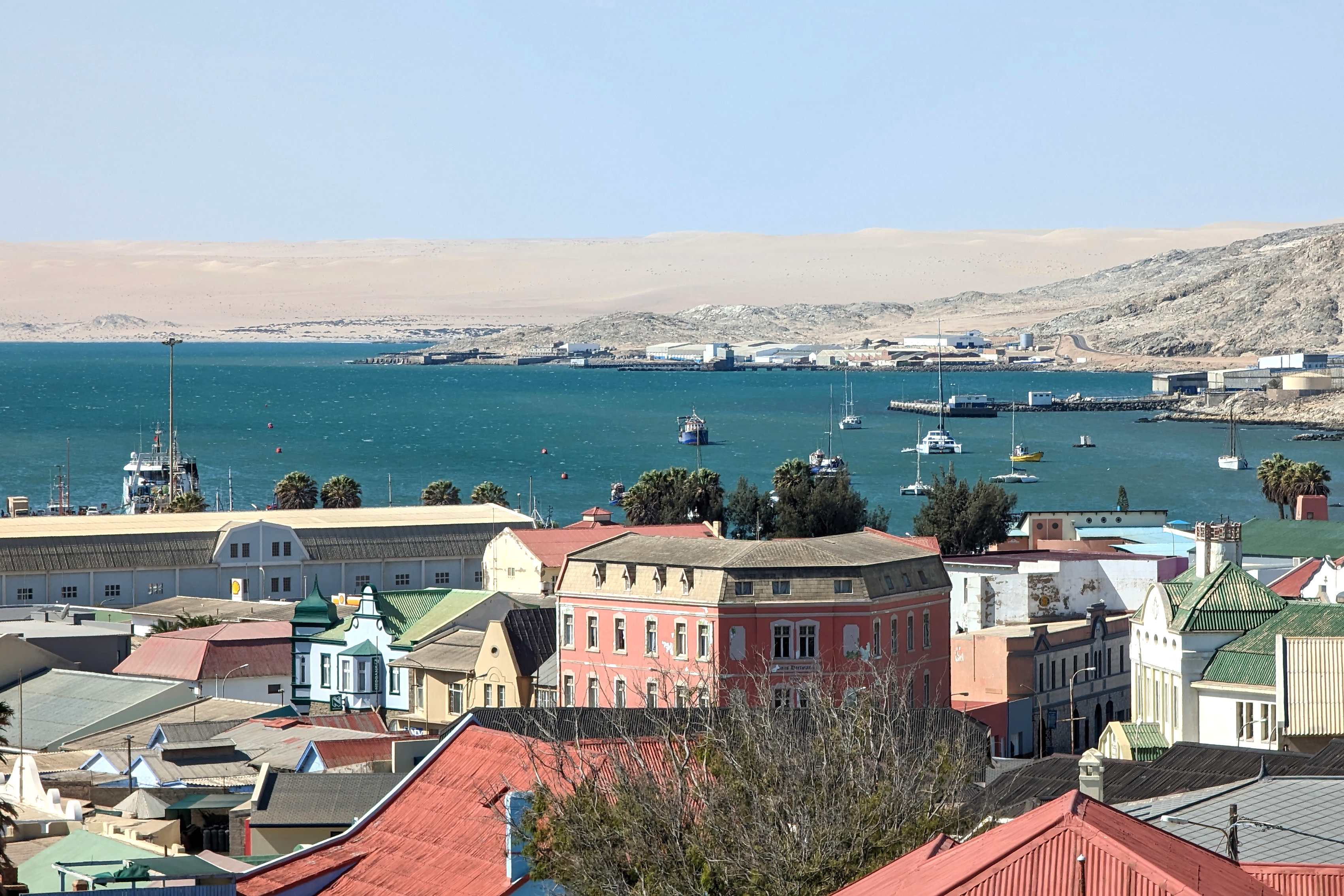
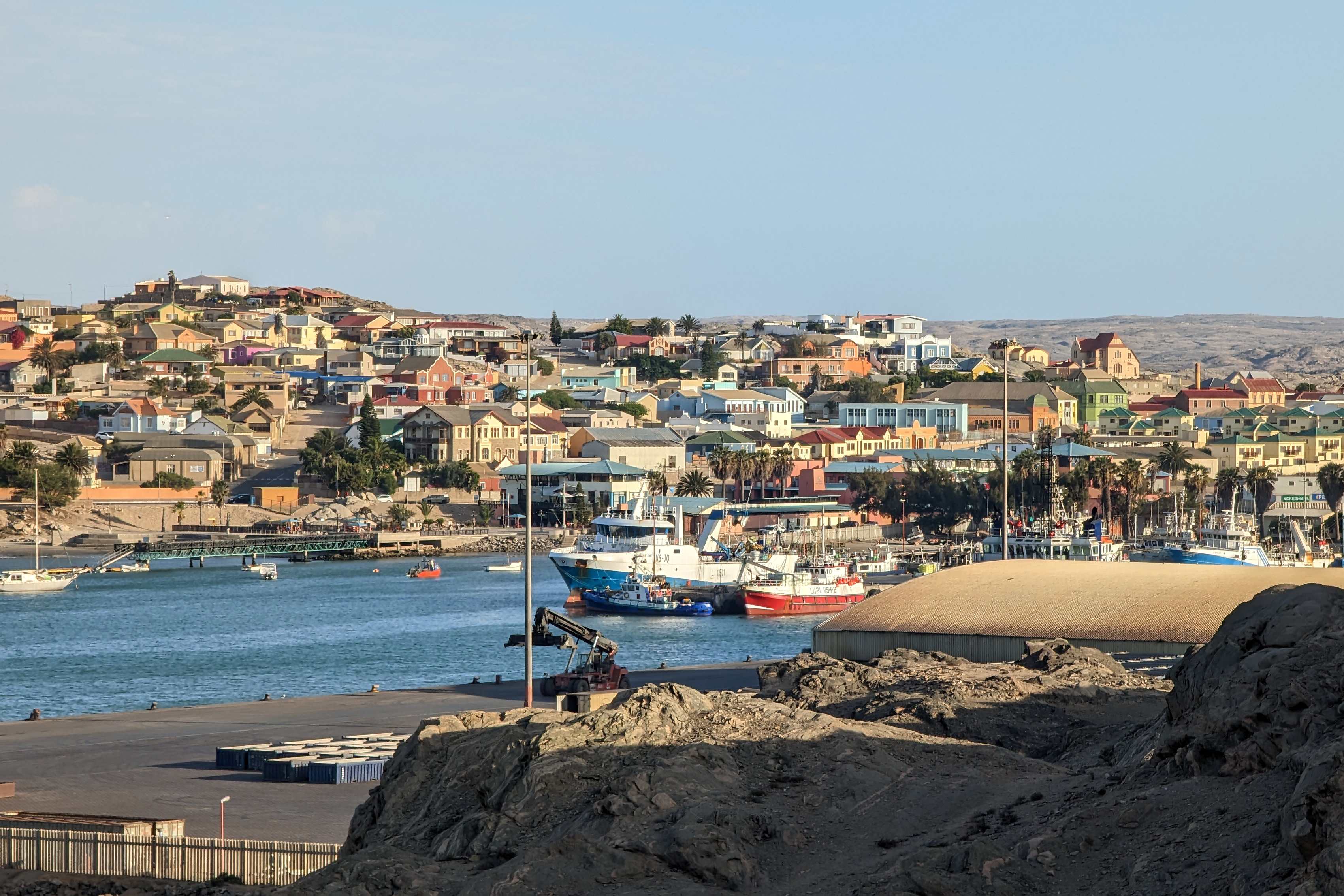
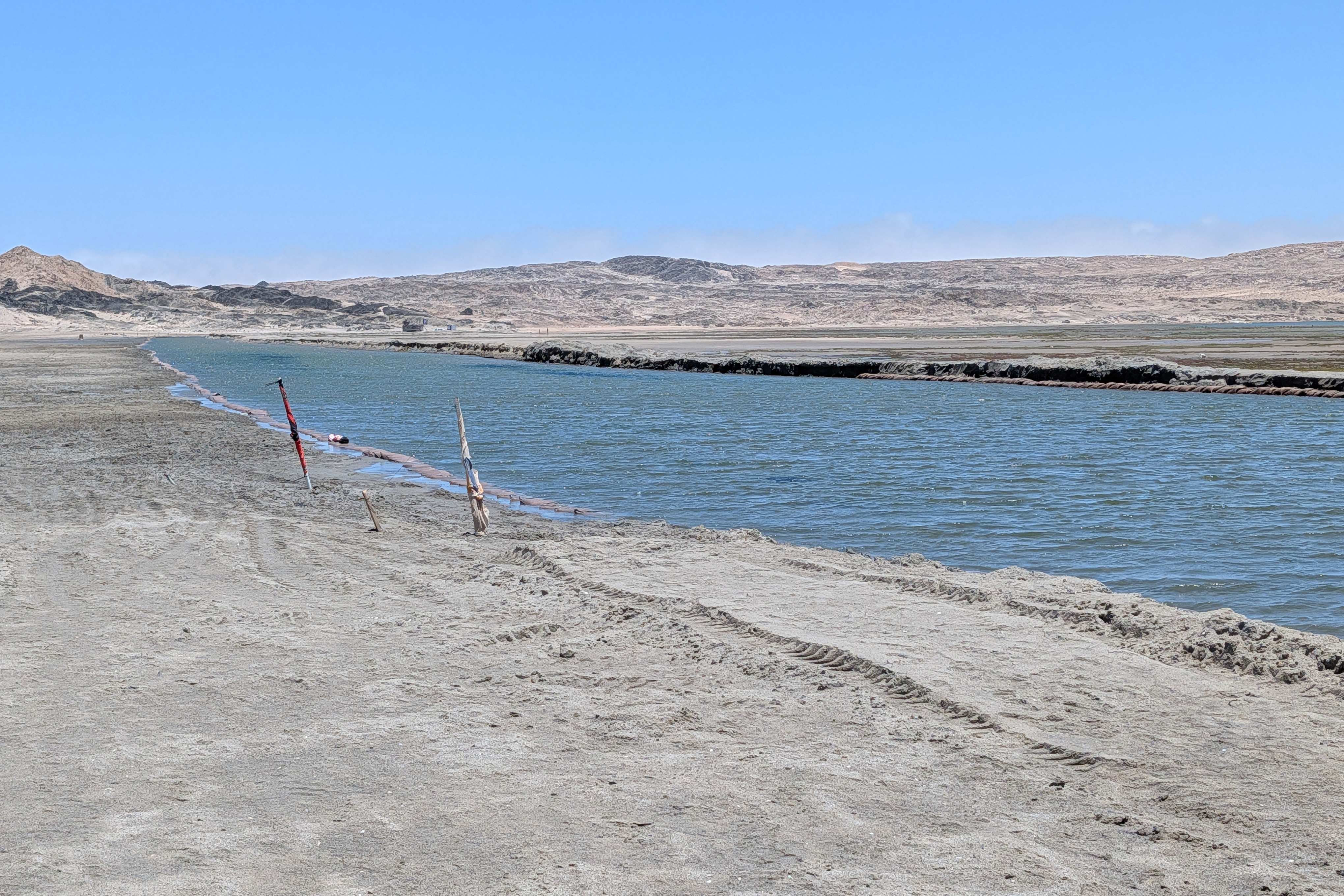
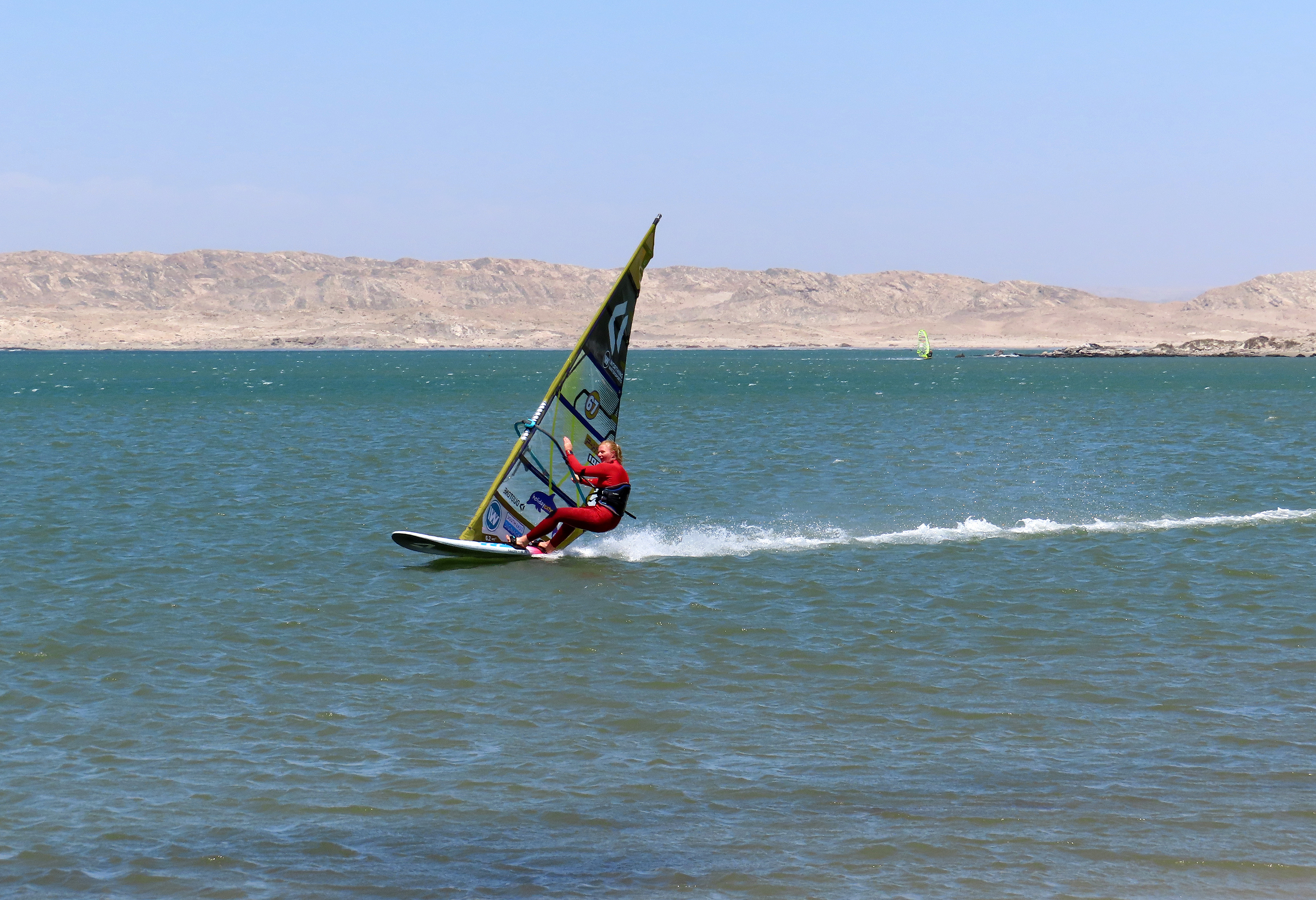
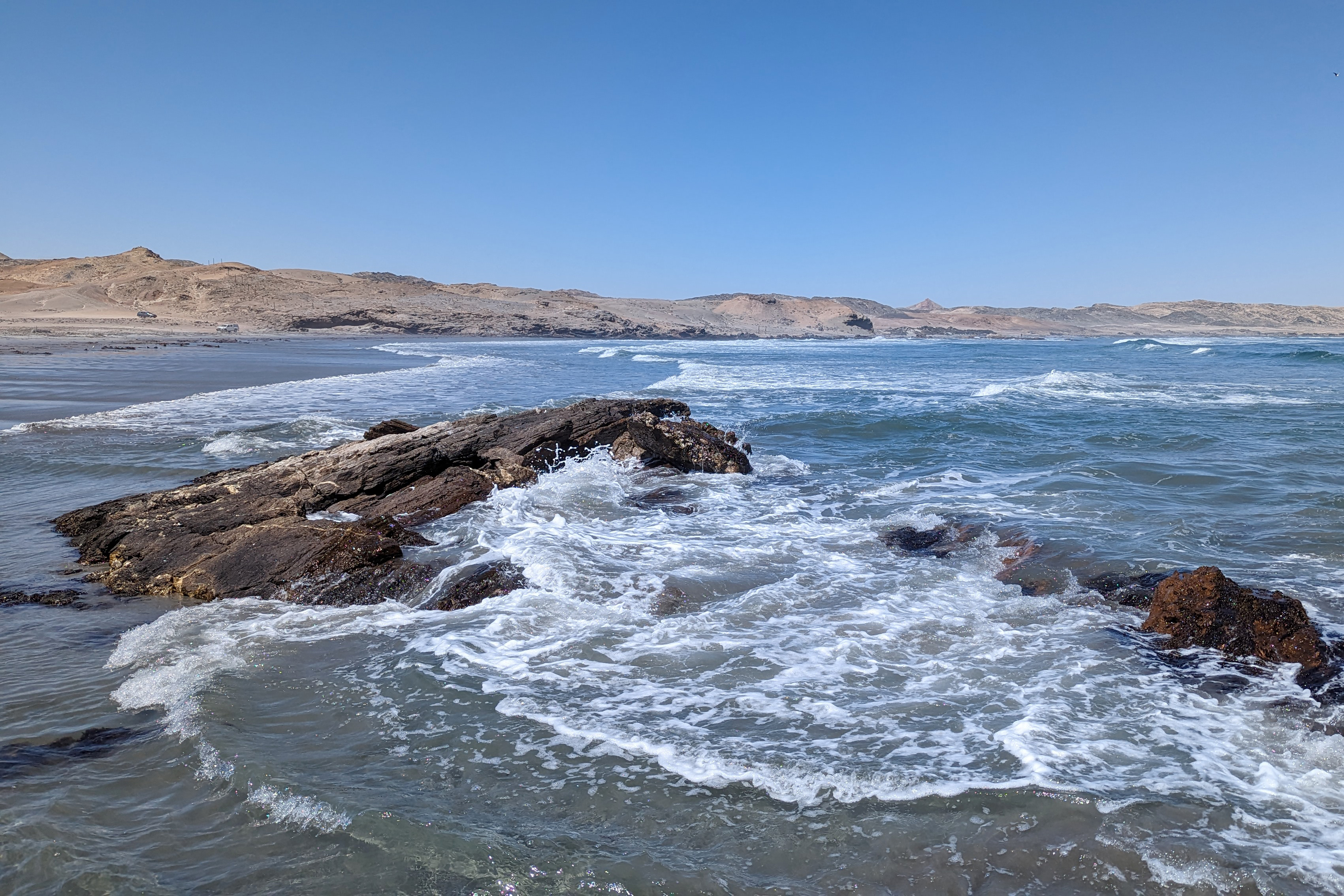
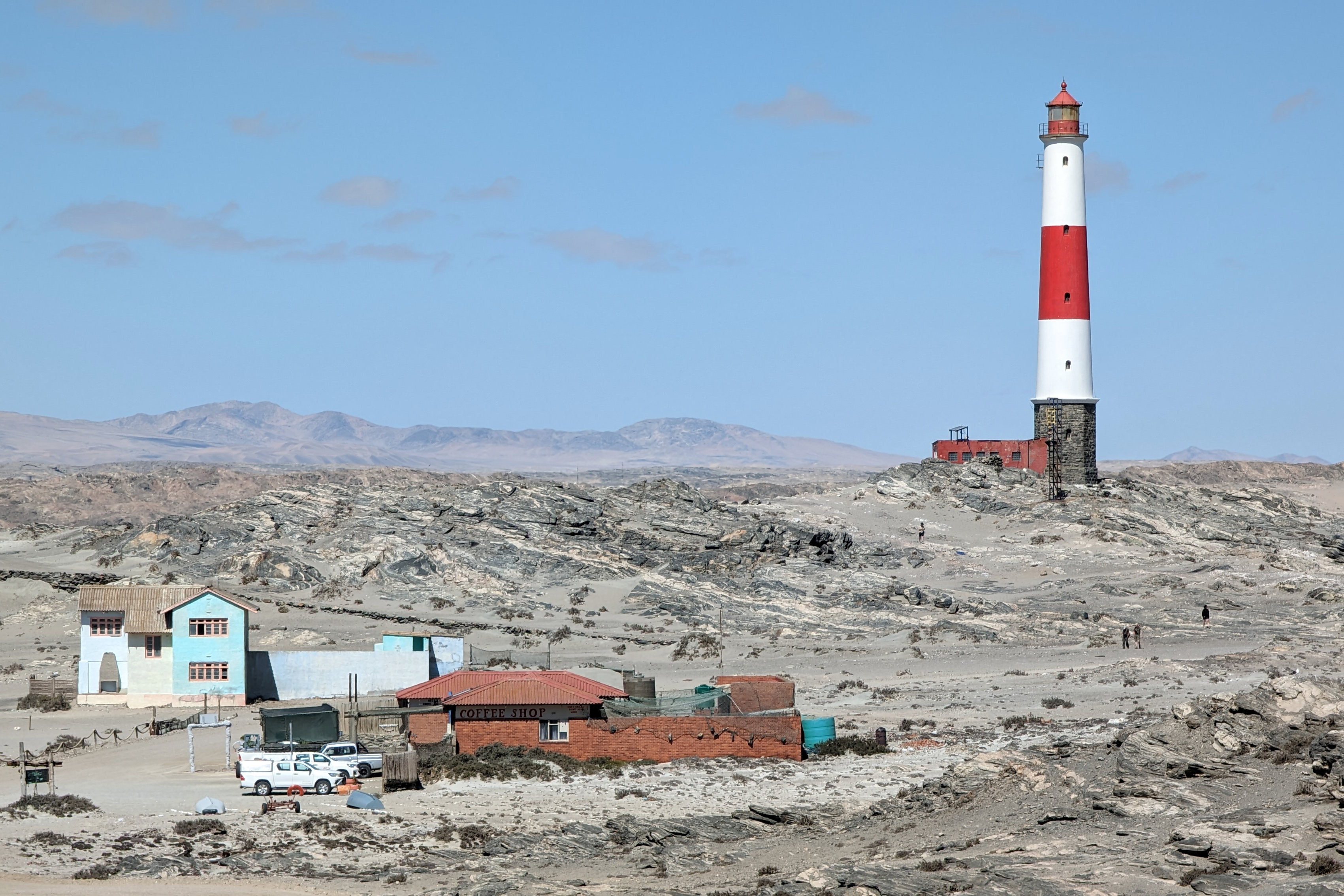
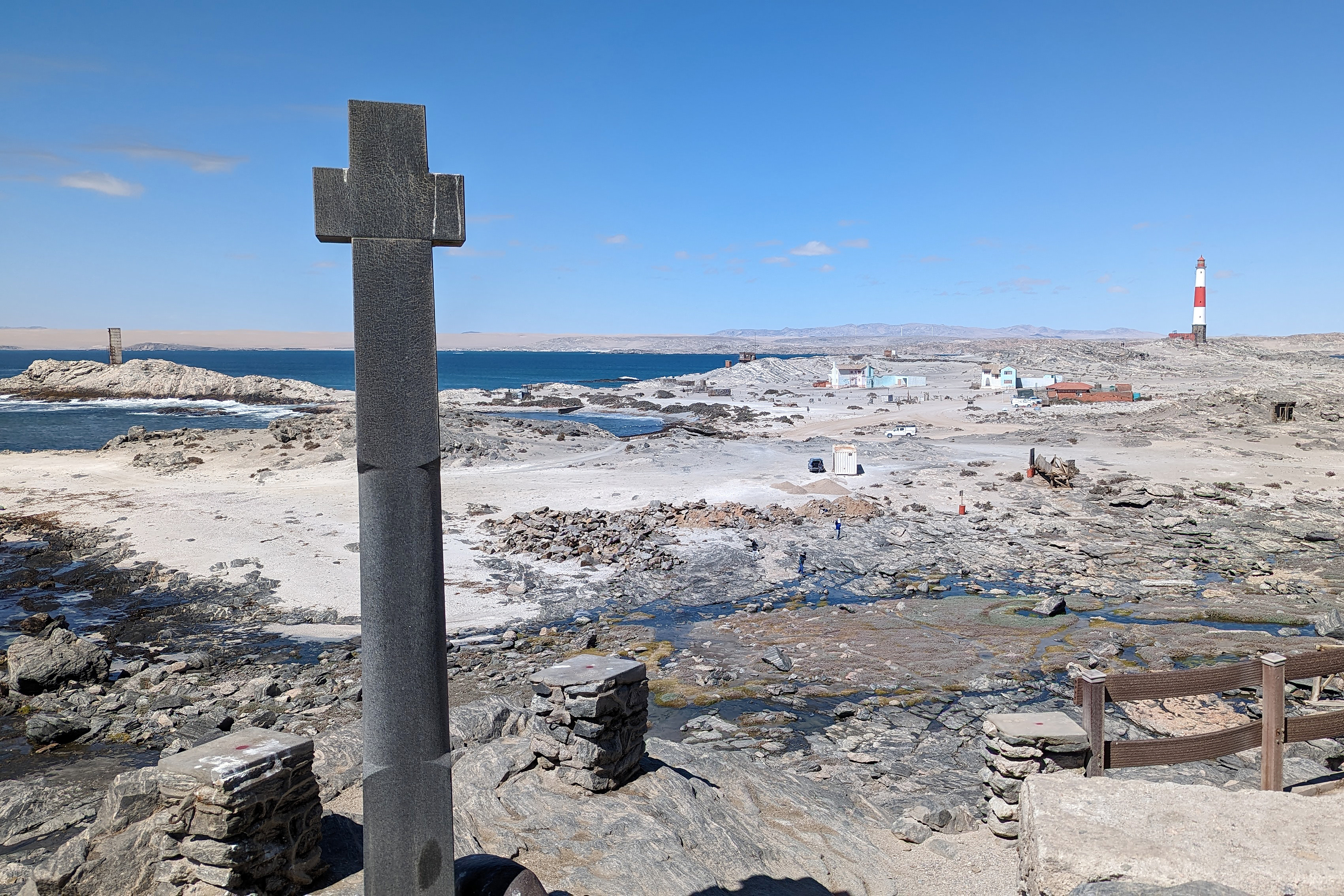
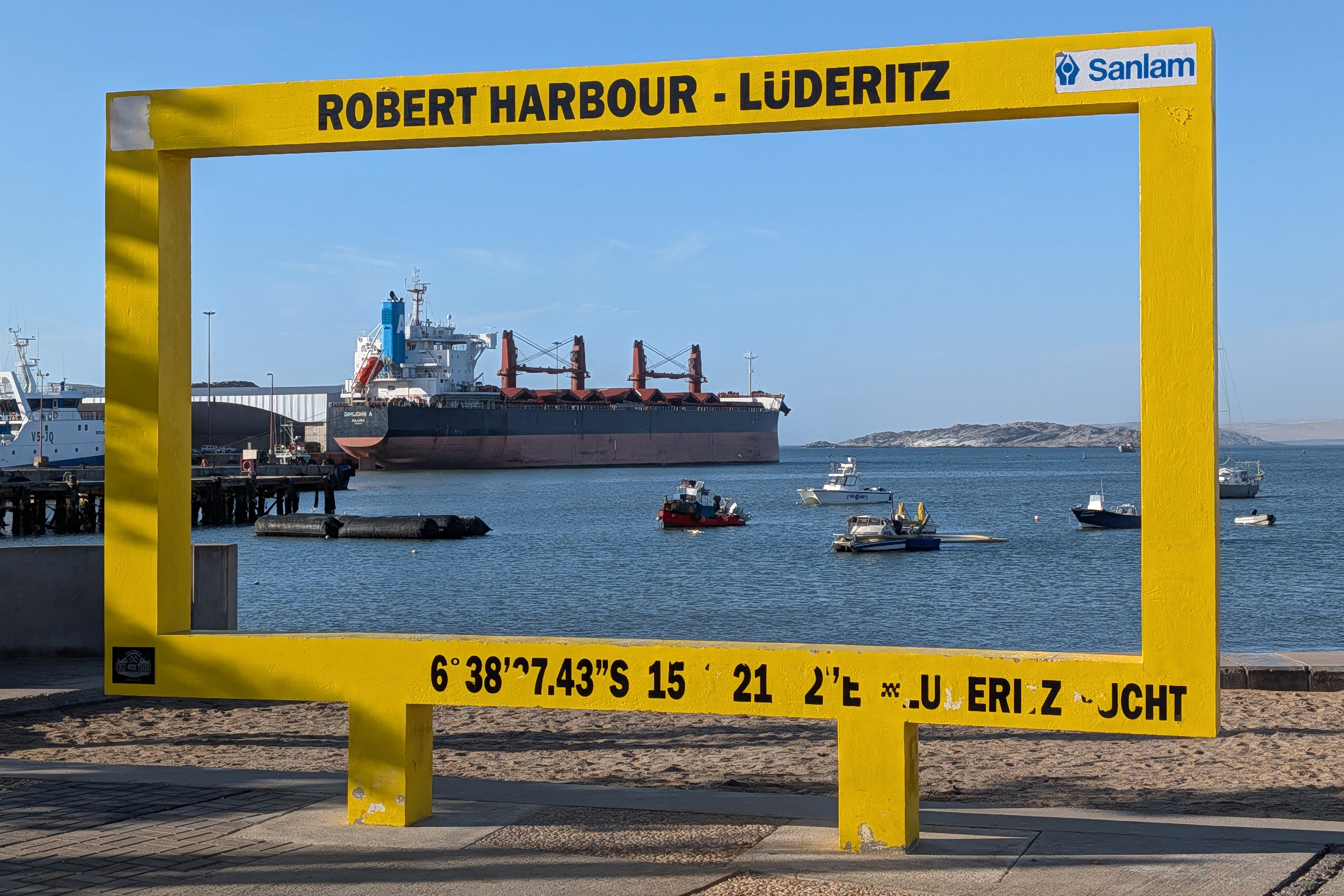
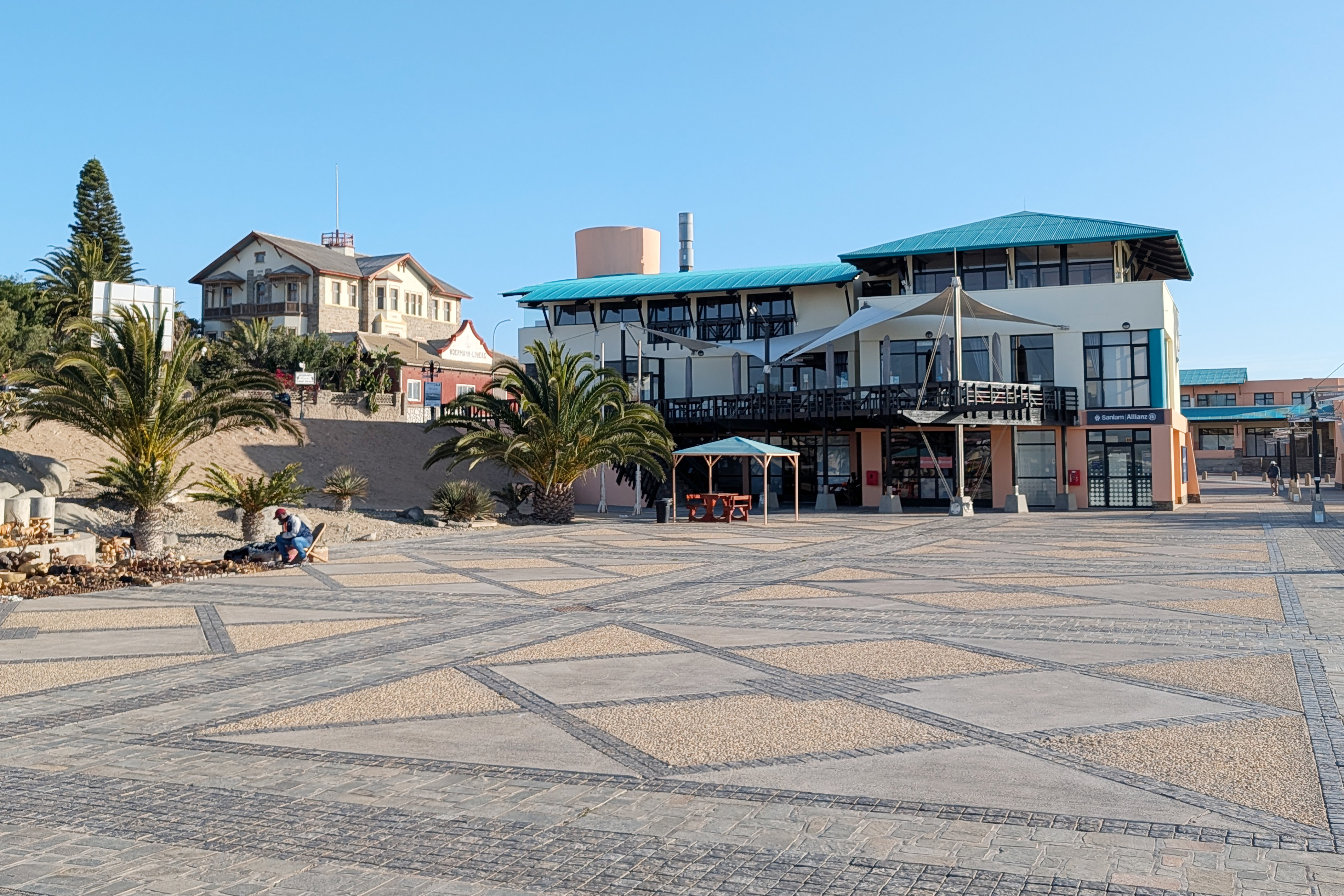
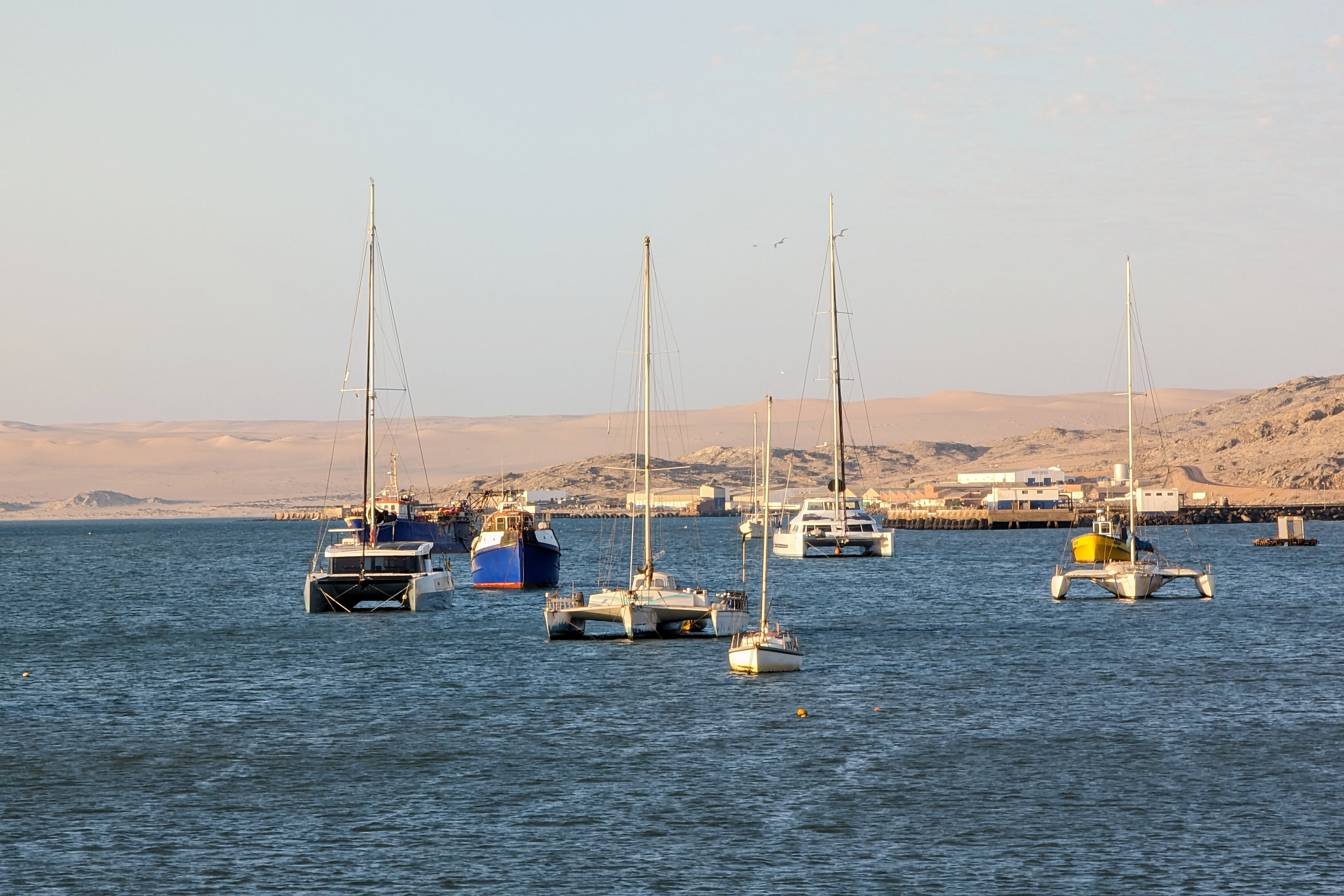
Today you will have time to get to know Lüderitz and its surroundings. On the way there, you will have already noticed how remote Lüderitz is on the Atlantic coast. The small town with its approximately 16,000 inhabitants is completely surrounded by barren desert and high sand dunes. This, combined with its historical flair, makes Lüderitz a very special place. Despite its remoteness in southwestern Namibia, Lüderitz has one decisive advantage – the town is located on a large bay, “Lüderitz Bay”, which is protected to the west by the Lüderitz Peninsula. The coastal town of Swakopmund, located more in the center of the country, does not have such a bay, so Lüderitz has been of strategic importance as a port from the very beginning. German tobacco merchant Adolf Lüderitz recognized the advantage of the bay and founded the town named after him there on May 12, 1883. He bought the surrounding land with the intention of finding mineral resources and establishing a trading post. Alfred Lüderitz immediately approached the German government with a request to protect the acquired land against possible claims by the British, who were not far away in South Africa. On April 24, 1884, Bismarck informed the German consul in Cape Town that the land acquired around Lüderitz was under the protection of the German Empire. This marked the founding of the colony of German South West Africa, which existed until it was ceded to the British-administered Union of South Africa in 1915. From 1915 to 1919, present-day Namibia was under the military administration of the Union of South Africa. From 1919 until independence on March 21, 1990, South West Africa (abbreviated S.W.A.) was administered by South Africa. The historical flair of Lüderitz can be explored on a city tour. Less than 500 meters from the Nest Hotel is the city's landmark, the Felsenkirche (Rock Church), built in 1912. The church's name comes from the rocky ground on which it stands. Below the church is the Goerke House, built in 1910 by a wealthy diamond dealer. On a tour of the city, you will see many colorful half-timbered houses and Art Nouveau buildings that give the impression that time has stood still. During our city tour, there is also the opportunity to visit the Namibia Maritime Museum or the Lüderitzbucht Museum. After our city tour, we will take a trip to the Lüderitz Peninsula. The “Grosse Bucht” (Great Bay) in the far south is very windy and popular with anglers. Here you can see giant kelp floating on the beach and in the water, which is typical of the cold Benguela Current. This brown algae can have a size up to over 40 meters high. The strong winds on the coast gave rise to the Lüderitz Speed Challenge on the peninsula in 2007. This is a surfing competition in which many world speed records have been set. The surfers reach speeds of well over 100 km/h. On our tour, we will stop at one or two bays along the way. The tour ends with a visit to Diaz Point, where there is a lighthouse and the Diaz Cross. This cross is a replica from 1929. The original cross was erected there in 1487 by the Portuguese navigator Bartolomeu Diaz. He was the first European to arrive on the peninsula while searching for the sea route to India. After the round trip across the peninsula, we drive back to the Nest Hotel. In the evening, we can walk to the waterfront and enjoy excellent fish and other seafood at the Essenzeit restaurant. The restaurant has an elevated outdoor area with a beautiful view of the harbor.
Included services: Accommodation, breakfast, entrance fees to museum
-
Day 8
Lüderitz – Aus
-
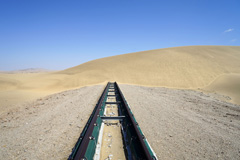
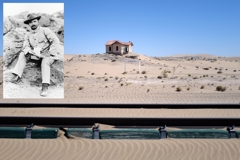
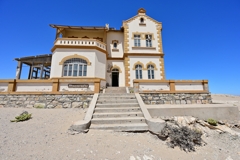

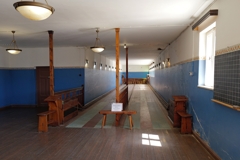
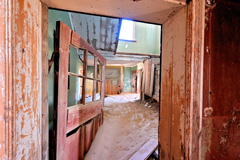
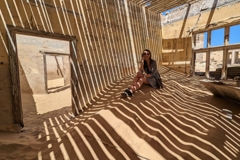
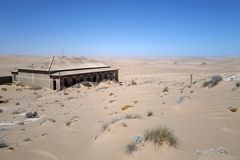
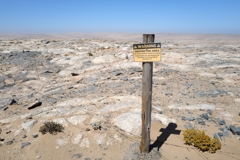
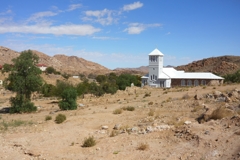
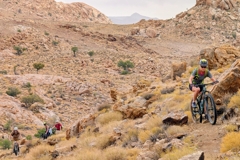
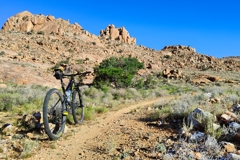
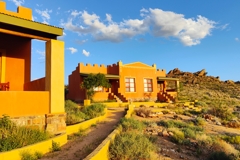
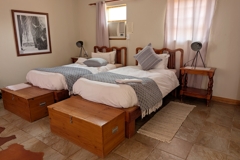
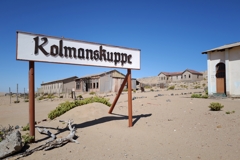
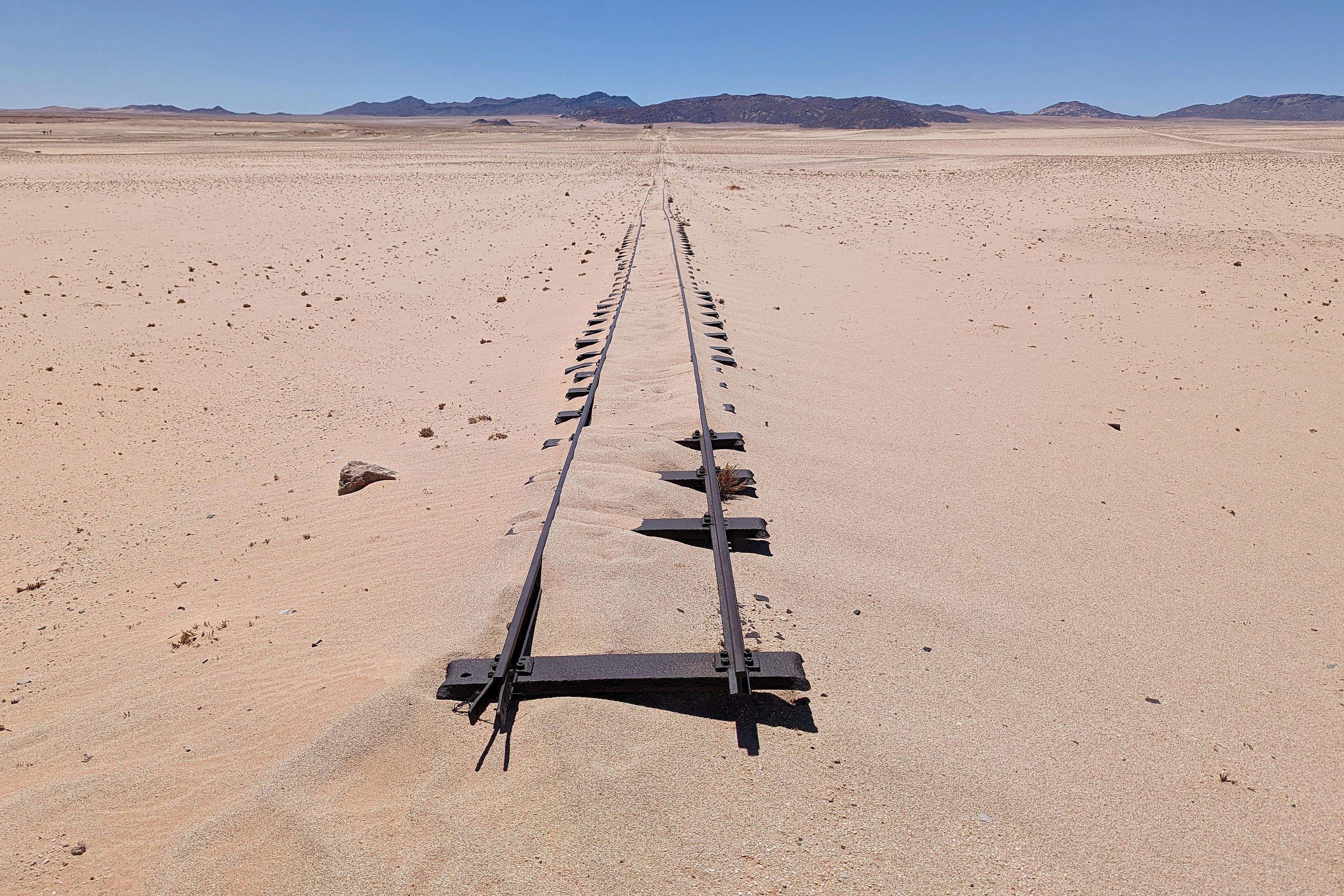
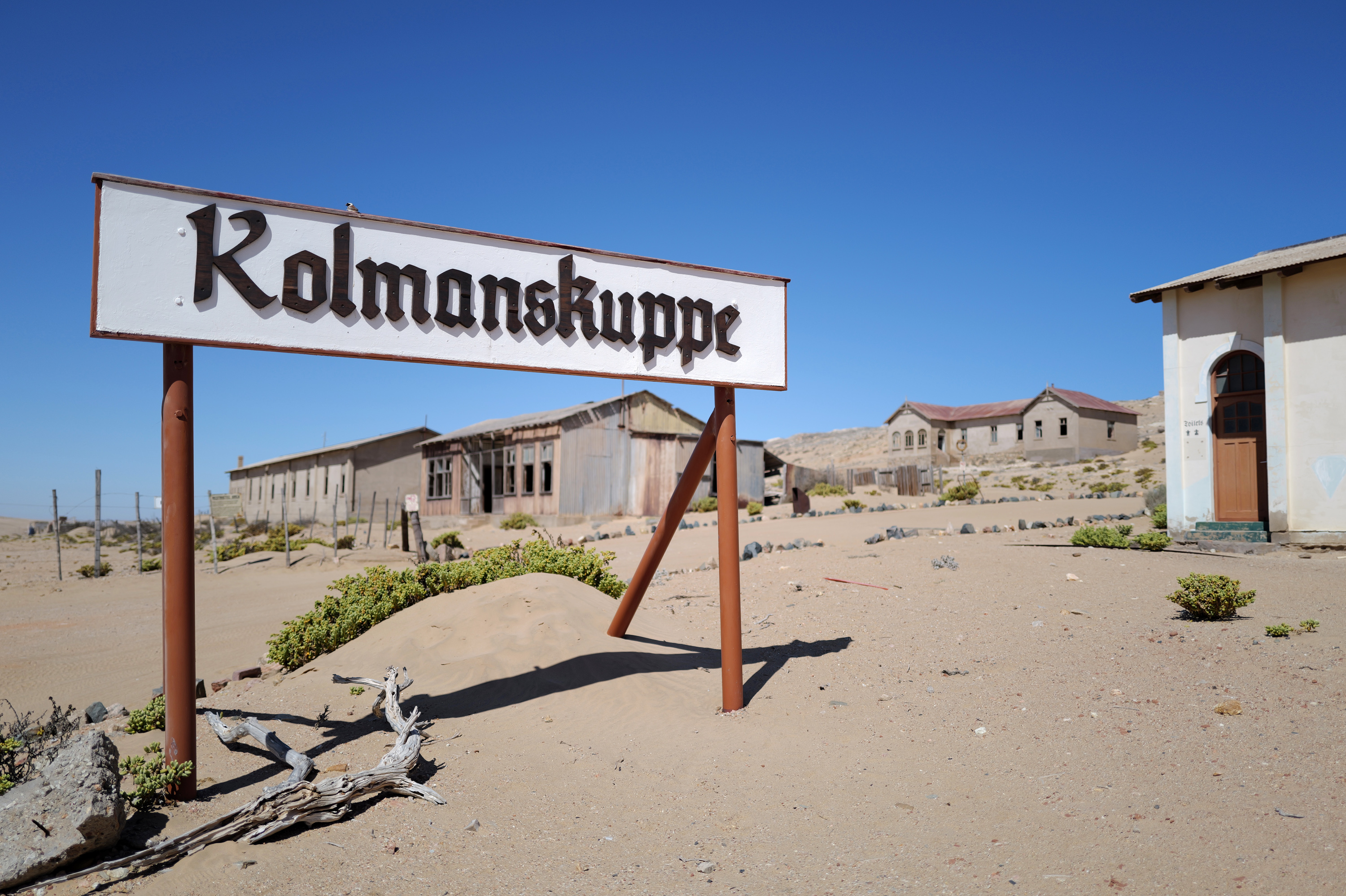
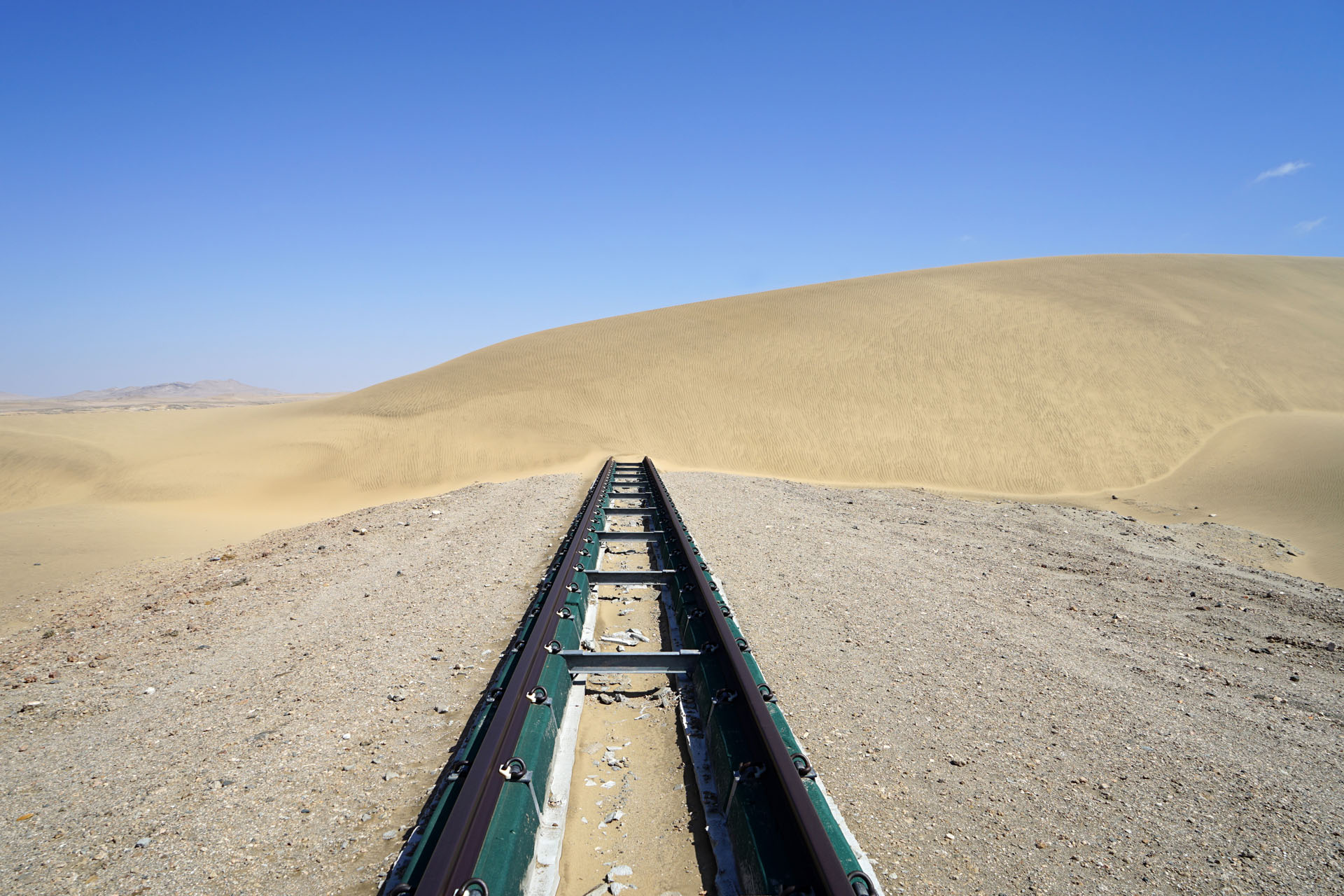
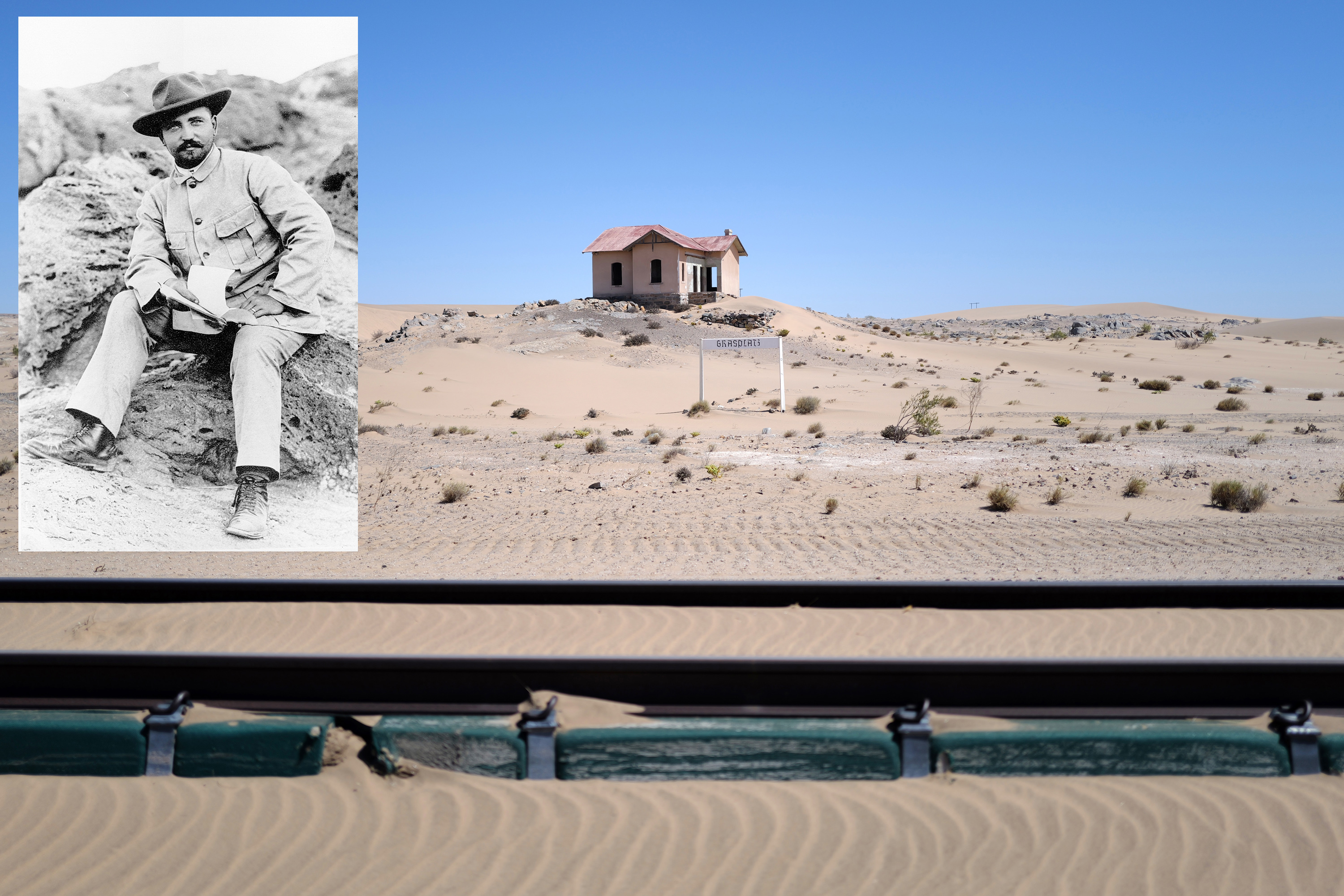
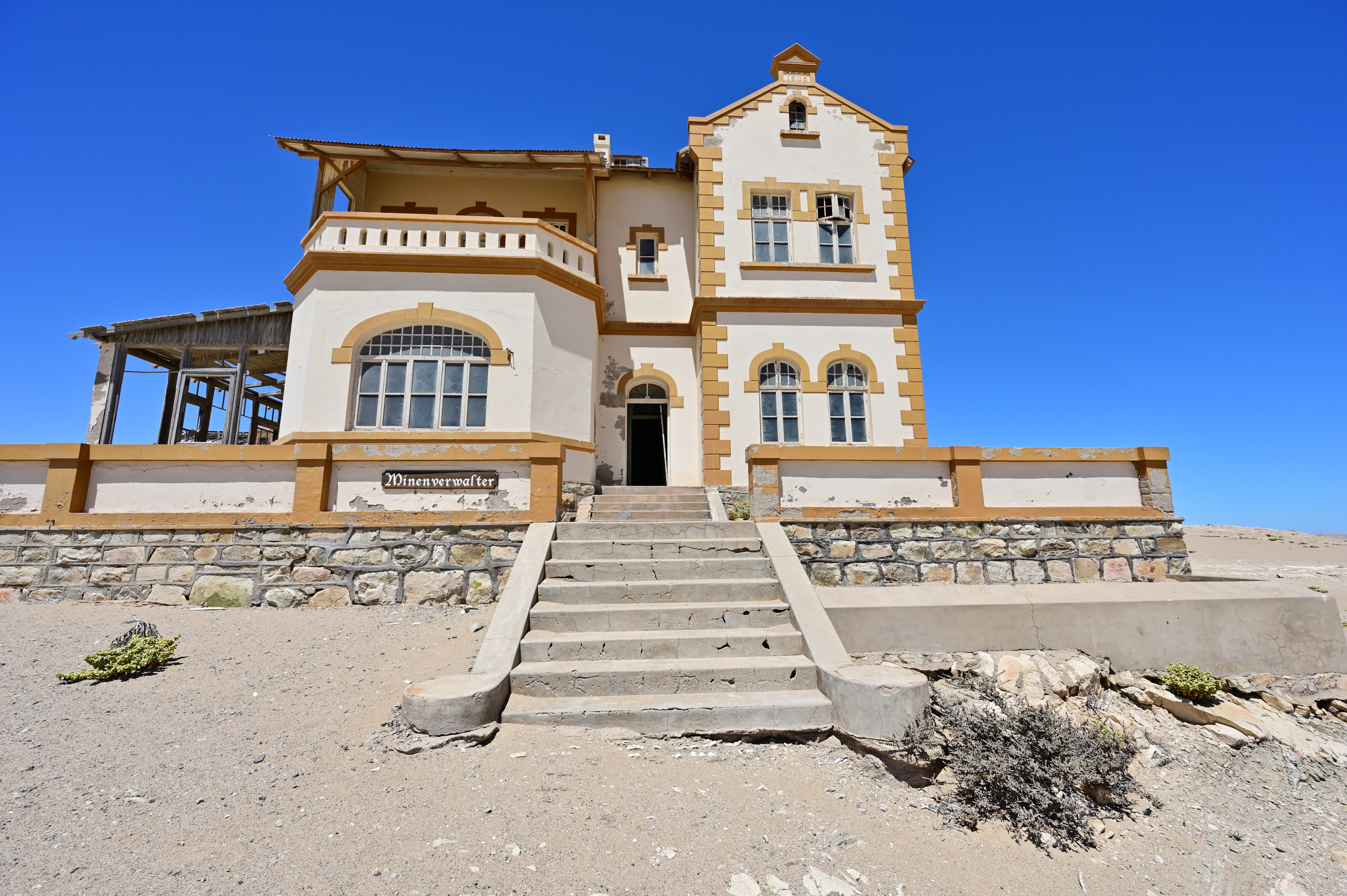
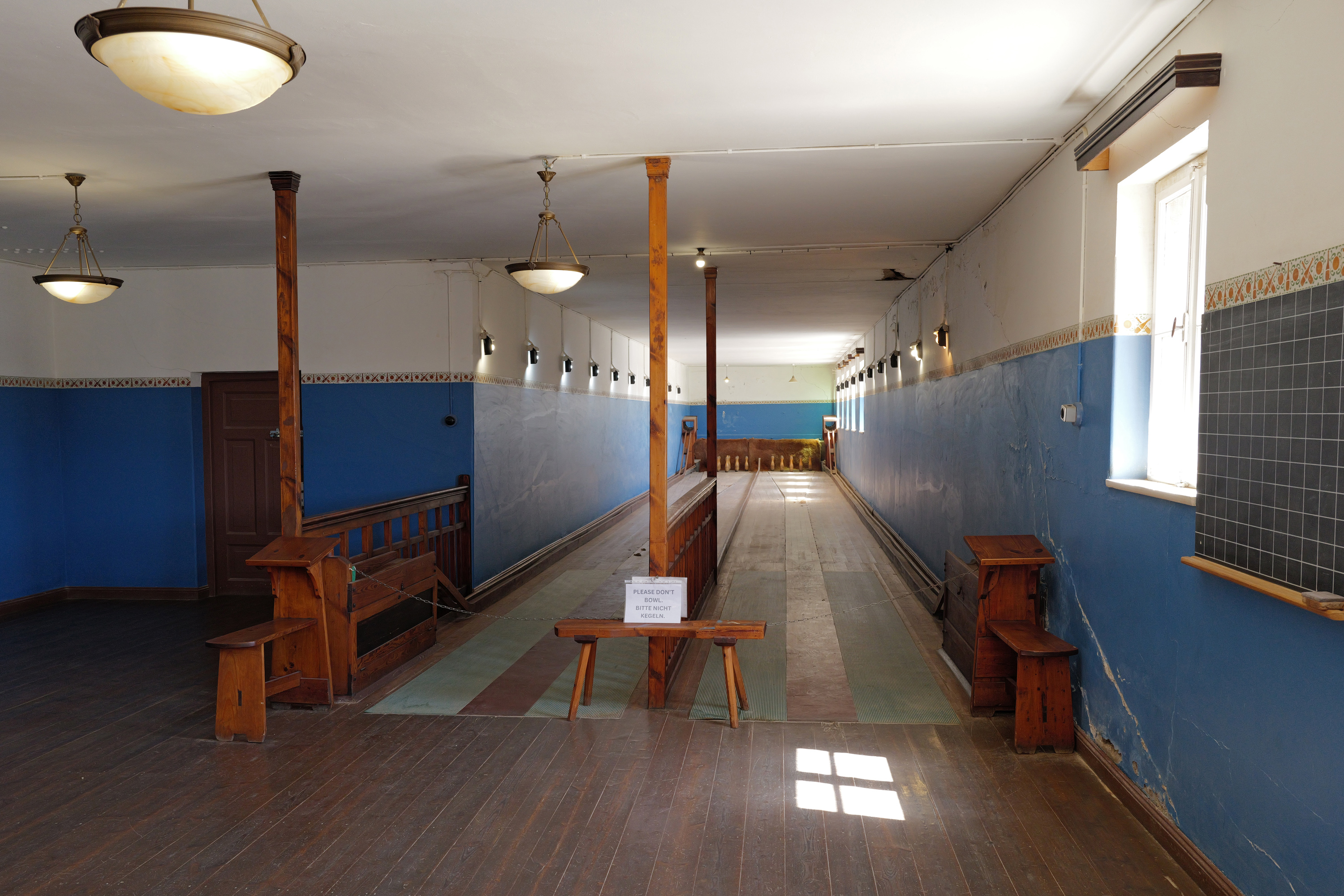
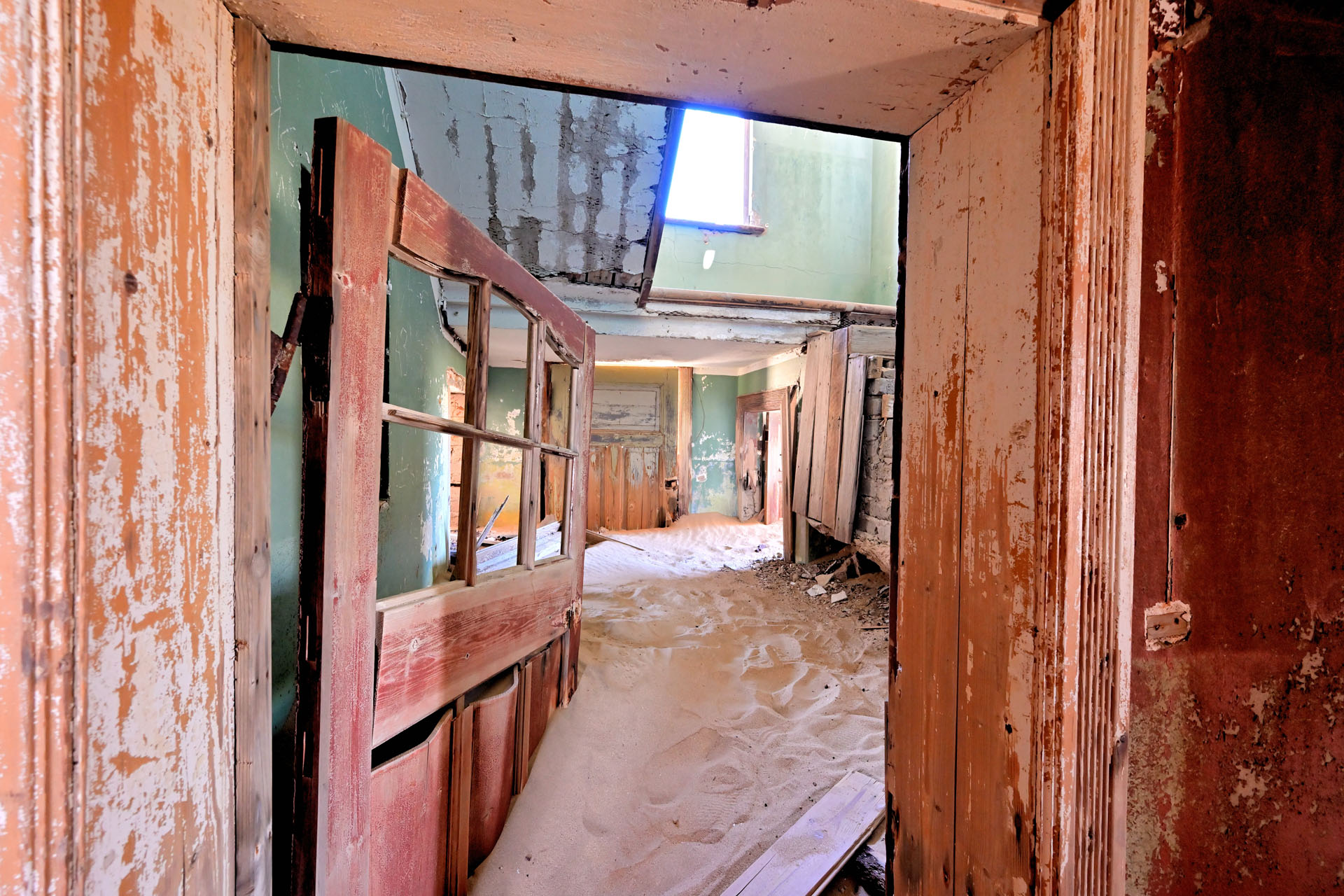
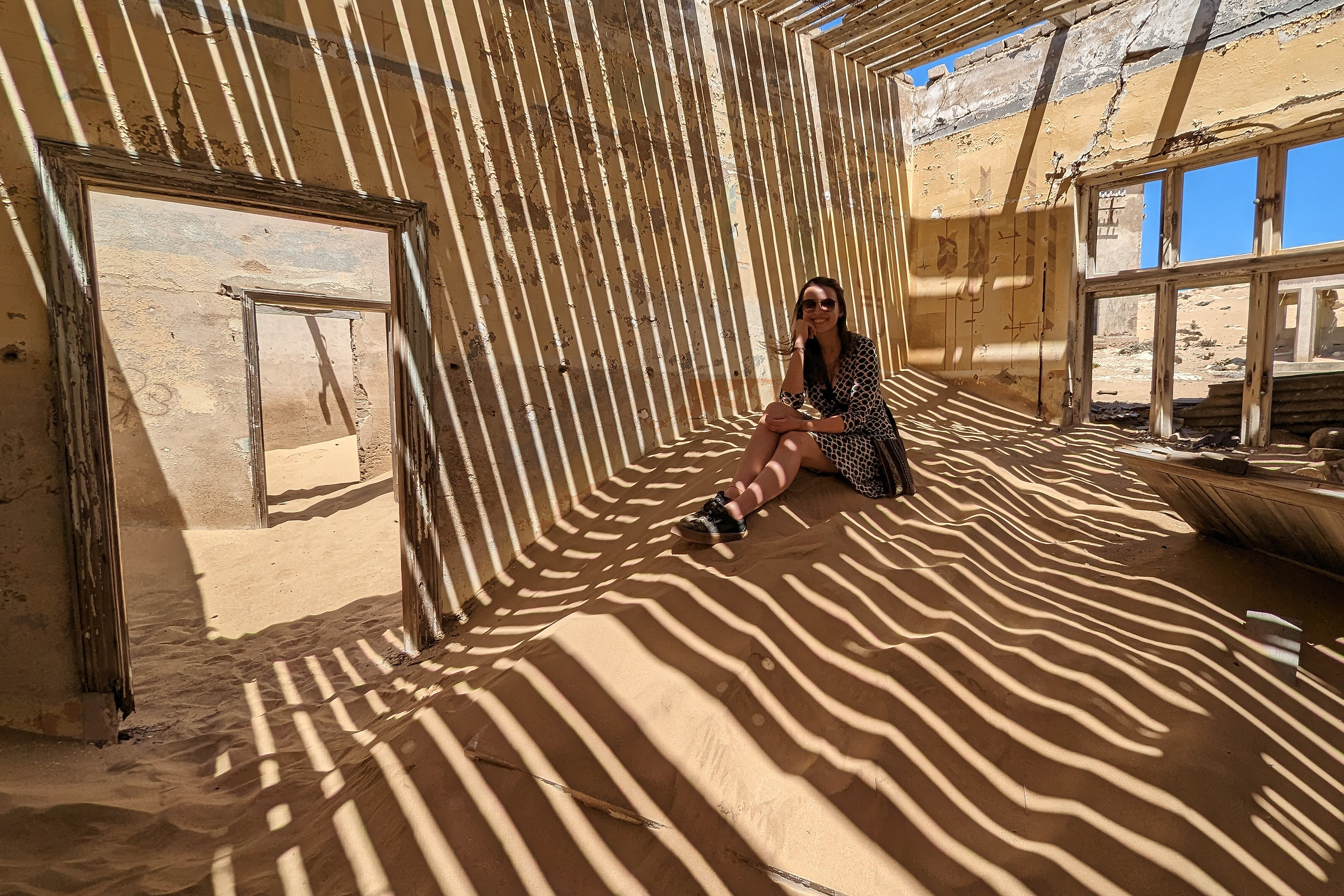
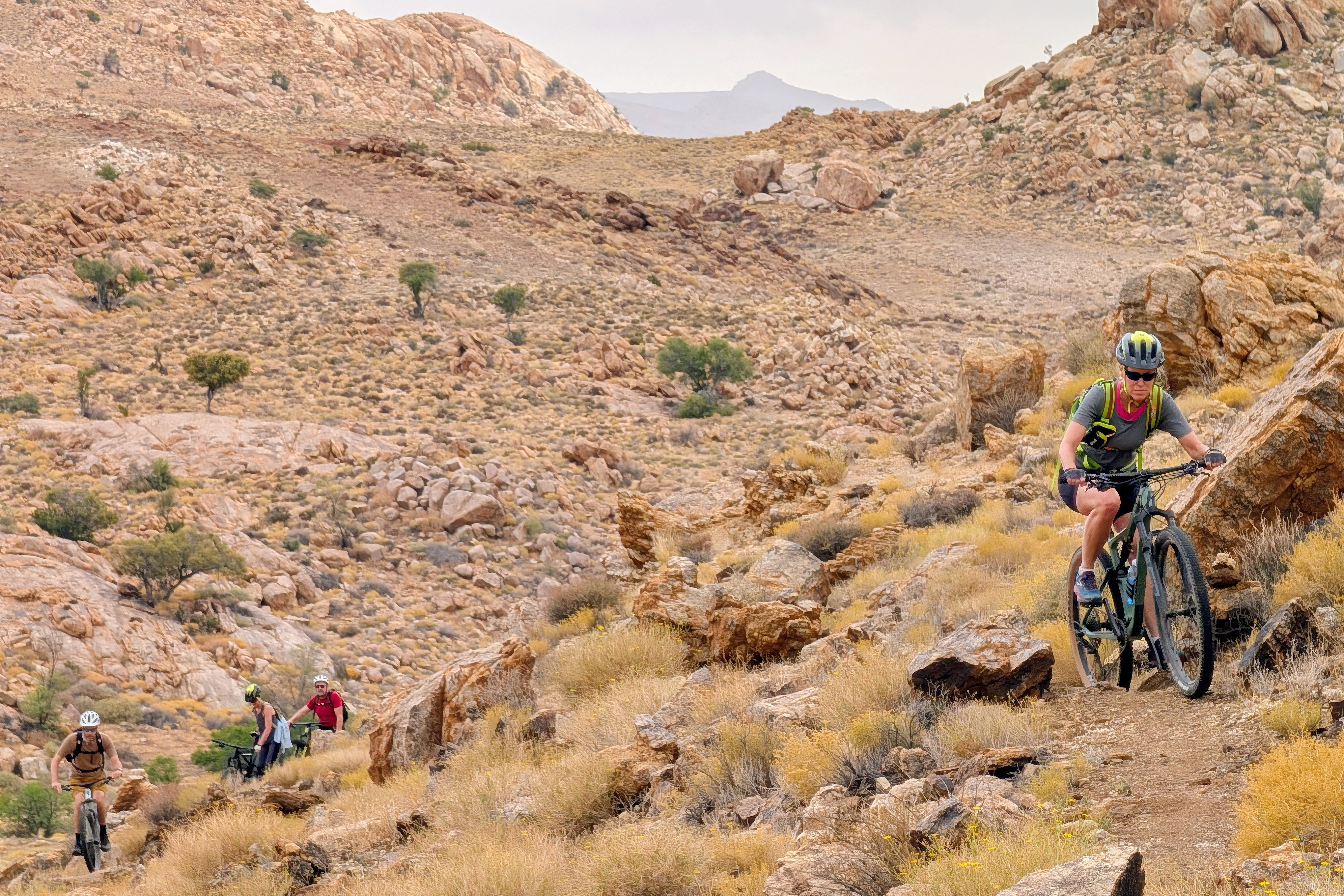
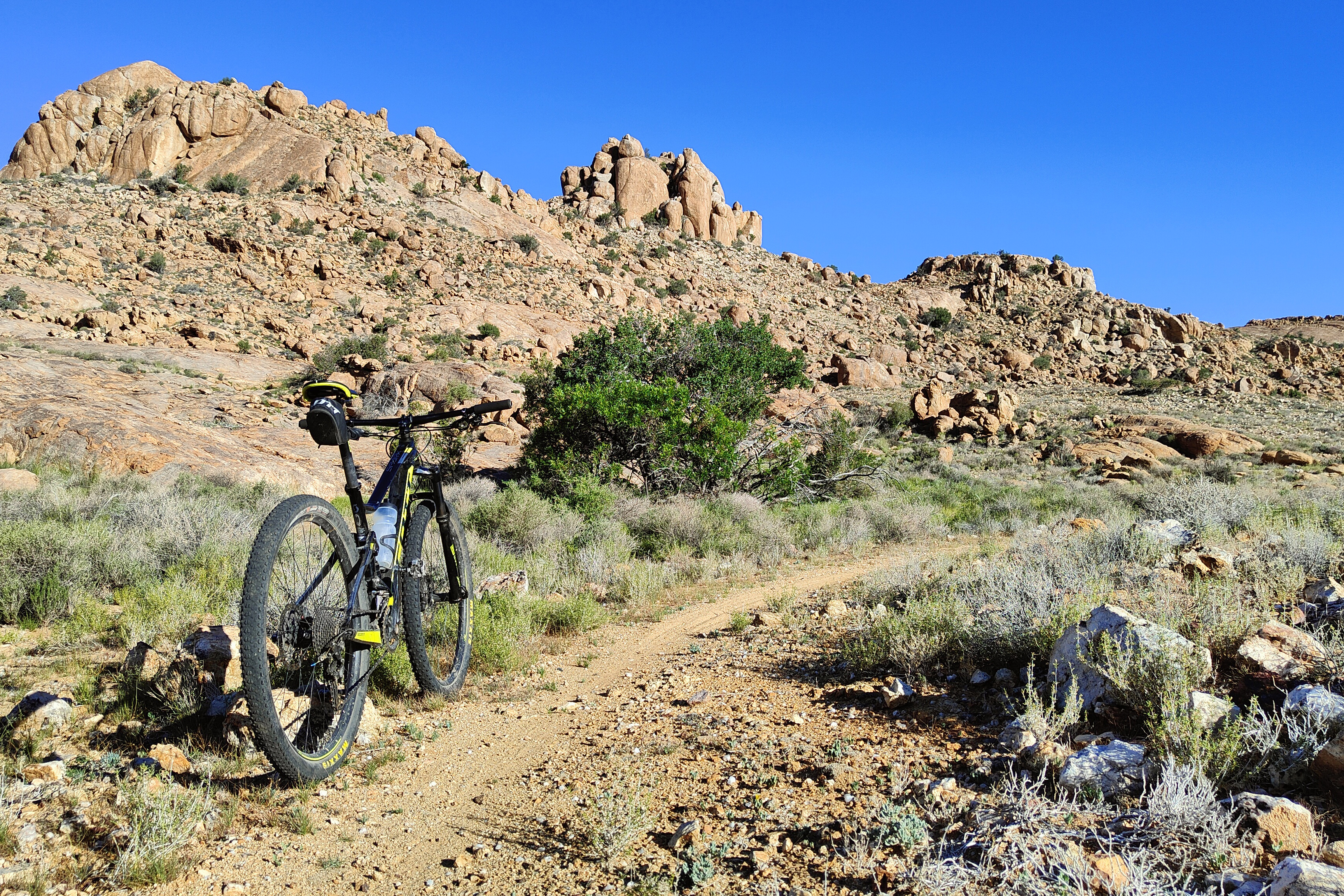
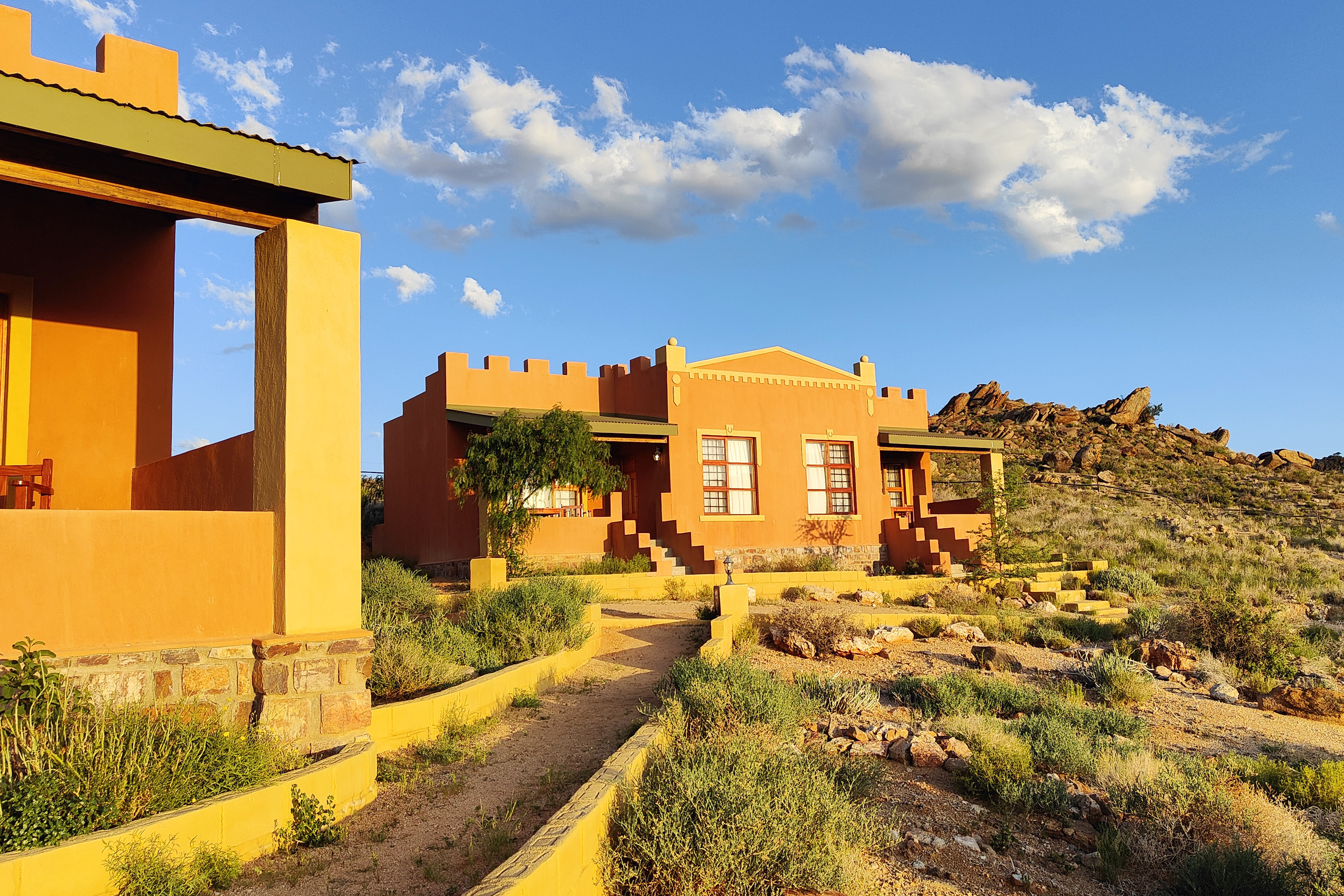
After two days of cooling off on the coast, we now head back inland. Another highlight of our tour follows, as in the morning we will visit the famous diamond ghost town of Kolmanskuppe, which is only 10 kilometers away from Lüderitz as the crow flies. The small town owes its existence to August Stauch, who was born in Ettenhausen, Thuringia. During the days of the narrow-gauge railway to Seeheim, strong southwesterly winds caused constant drifting of sand on the railway line just outside Lüderitz. Even 100 years later, this railway line is still affected by sand drifts, which meant that it was out of service for many years. Around 1908, August Stauch was tasked with keeping the tracks at Grasplatz station clear. He instructed his worker Zacharias Lewala to look out for special stones when clearing away the sand. On April 10, 1908, Zacharias Lewala came to August Stauch and presented him with several sparkling stones. Stauch had the stones examined, and they turned out to be rough diamonds. Stauch then secured a claim, and his diamond finds made him extremely wealthy. After word of Stauch's finds spread like wildfire, a major diamond boom ensued, leading to the declaration of the restricted area, the Sperrgebiet, and the emergence of Kolmanskuppe. The name Kolmanskuppe or Kolmanskop goes back to the Nama Johnny Coleman, who got stuck there with an ox cart in 1905 but was rescued. The restricted area stretches from Kolmanskuppe about 250 kilometers south to Oranjemund. The diamond boom quickly made Kolmanskuppe the richest town in Africa, but by 1930, diamond mining had completely ceased because new fields further south were being exploited. At its peak, up to 400 people lived in Kolmanskuppe, indulging in every luxury. There was a theater, a bowling alley, a swimming pool, a modern hospital with X-ray equipment, an ice factory, shops, bars, and much more. All these buildings can still be seen today. However, they have been falling into disrepair and silting up since 1930, when the inhabitants left the town. Infrastructure such as the bowling alley and gymnastics equipment was simply left behind and surrendered to the desert. In the entrance area of Kolmanskuppe, however, there are many museum-like rooms that have been preserved and are not covered in sand. Here, you can get a good sense of what life was like during the diamond boom. In all the other buildings, however, the desert is reclaiming the masonry. When visiting Kolmanskuppe, you can wander around freely and enter all the buildings at your leisure. It is a true paradise for photography. However, you should be careful, as some of the ceilings and floors in this “lost place” are no longer stable. At the end of the tour, we can have a snack in the bistro. Souvenirs can also be purchased there. In a separate room, you can also buy beautiful diamonds with certificates. After Kolmanskuppe, we will drive towards Aus, where we will spend the night in a beautiful lodge in Klein-Aus-Vista. In the afternoon, you can go hiking in the gorgeous granite mountains or go on a mountain bike tour. In the evening, you can sit on the balcony of the restaurant and watch the sunset while enjoying excellent à la carte food.
Included services: Accommodation, breakfast, entrance fees to Kolmanskop
-
Day 9
Aus - Greenfire
-
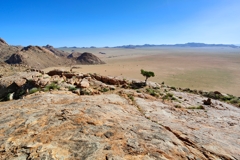
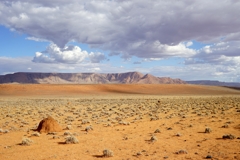
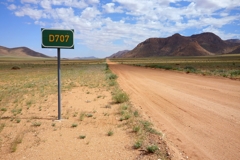
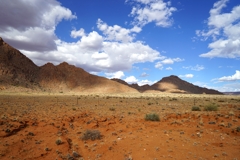
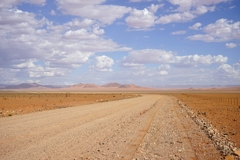
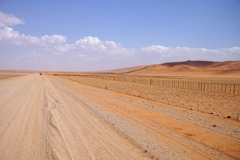

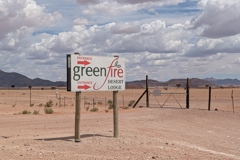
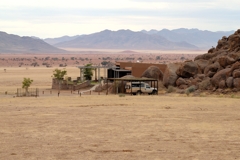
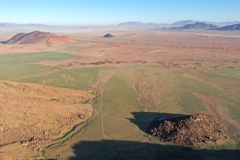
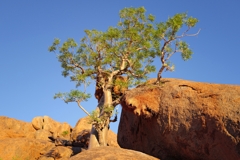
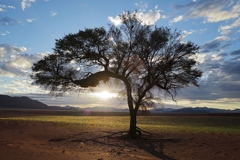
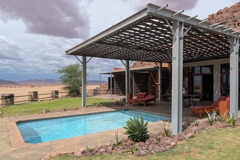
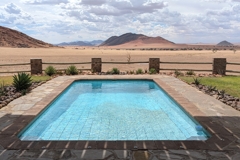
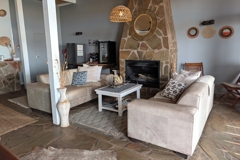
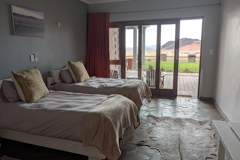
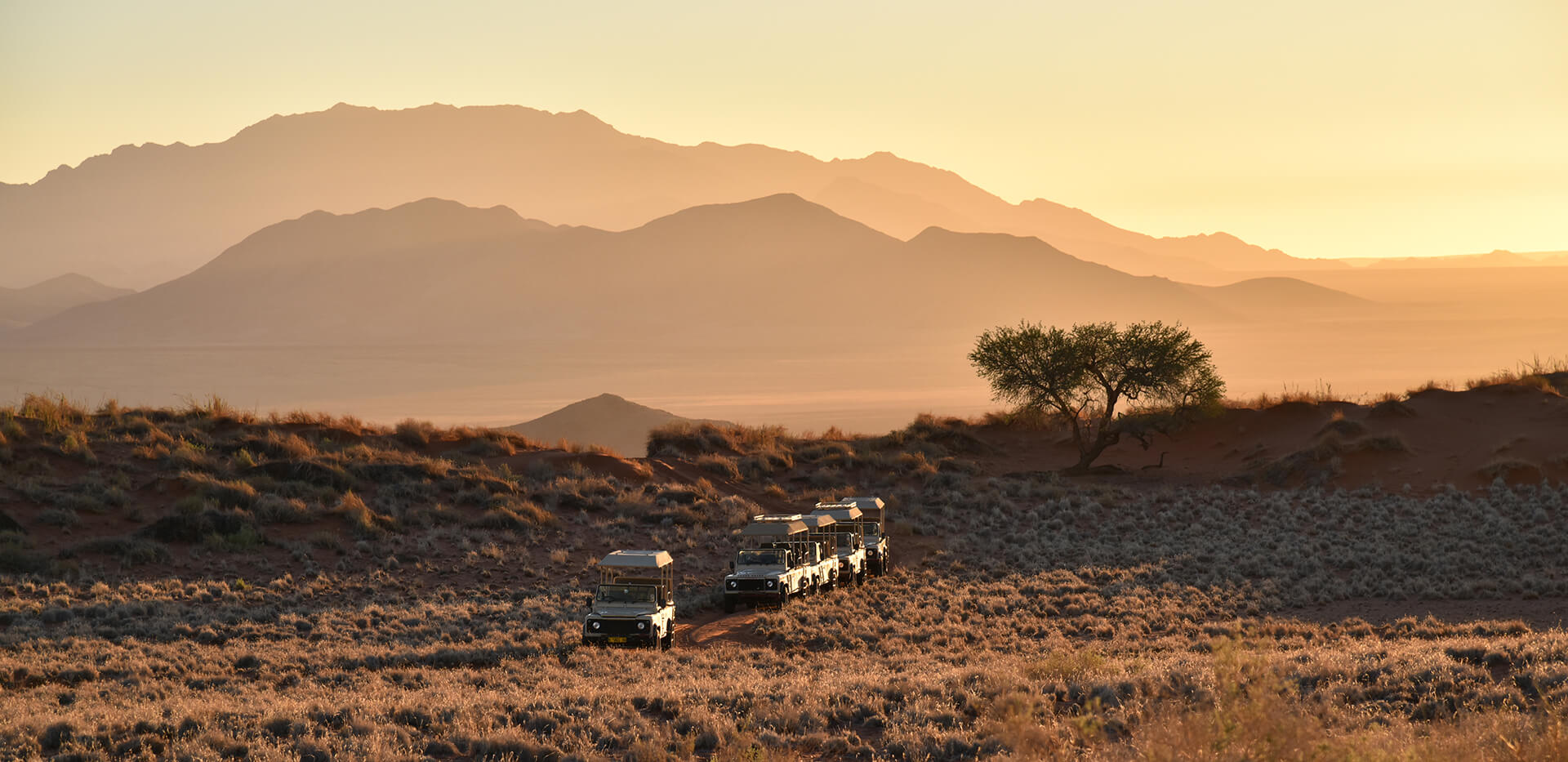
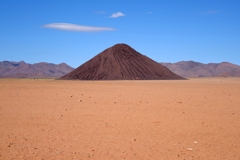
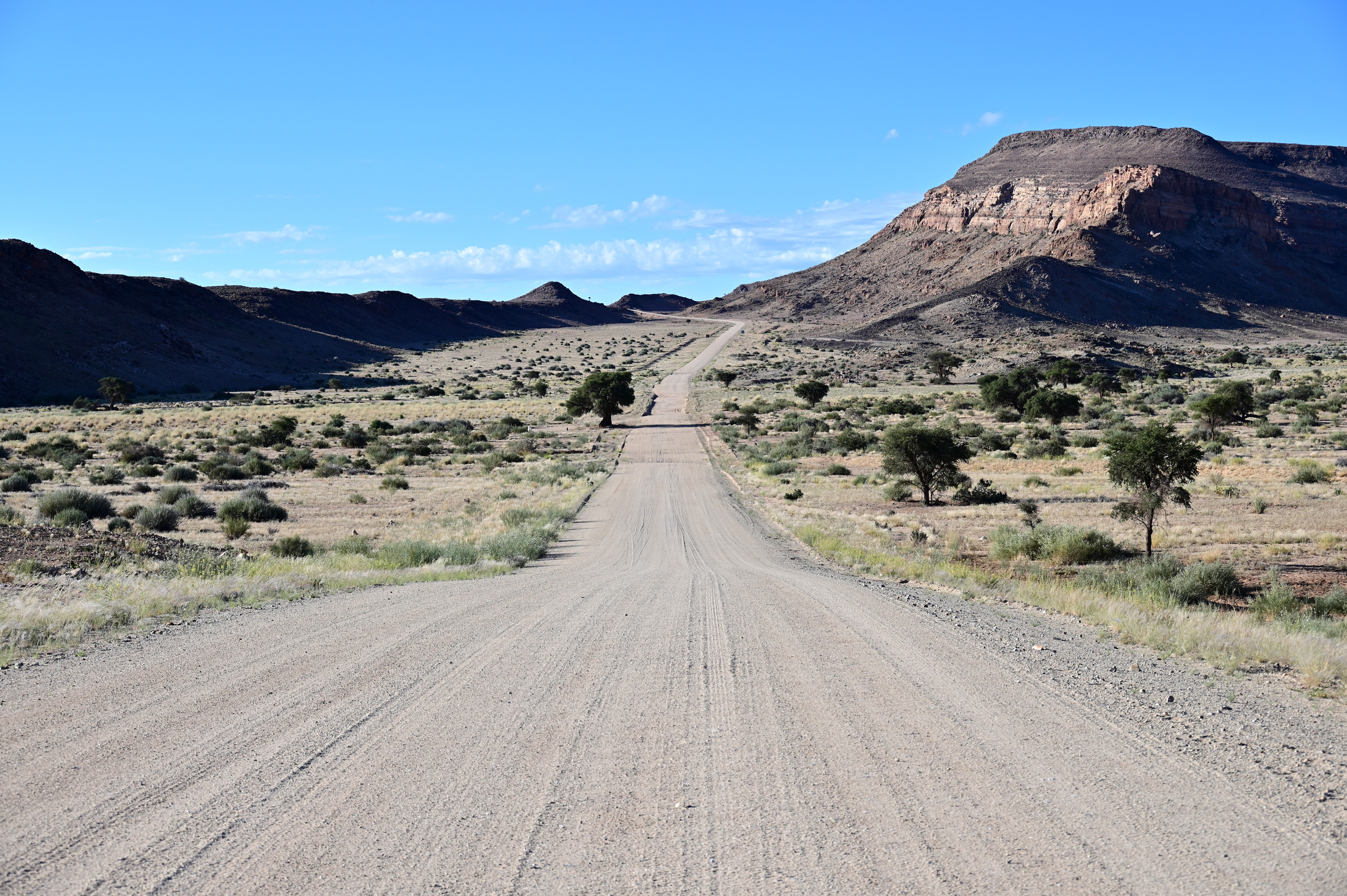
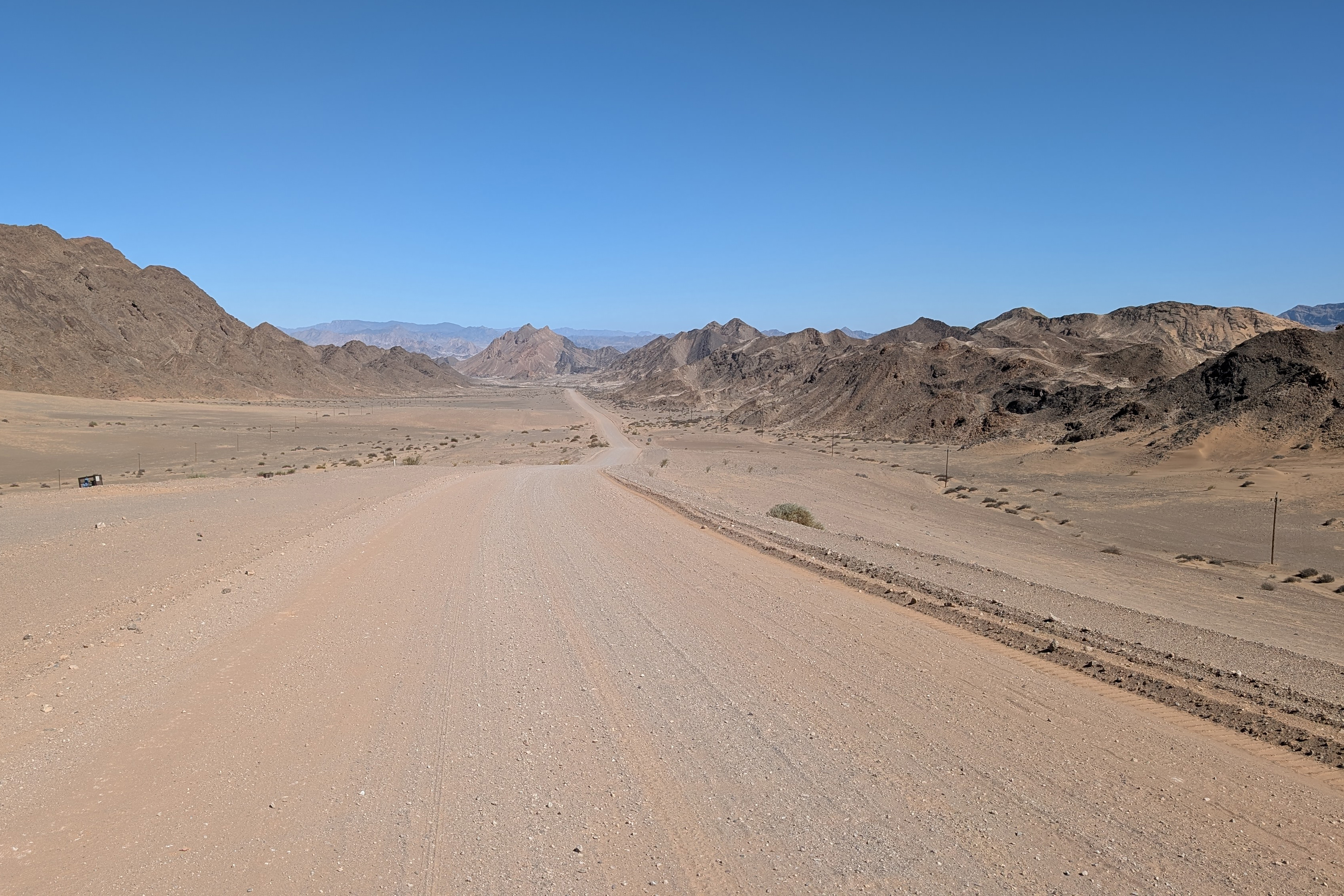
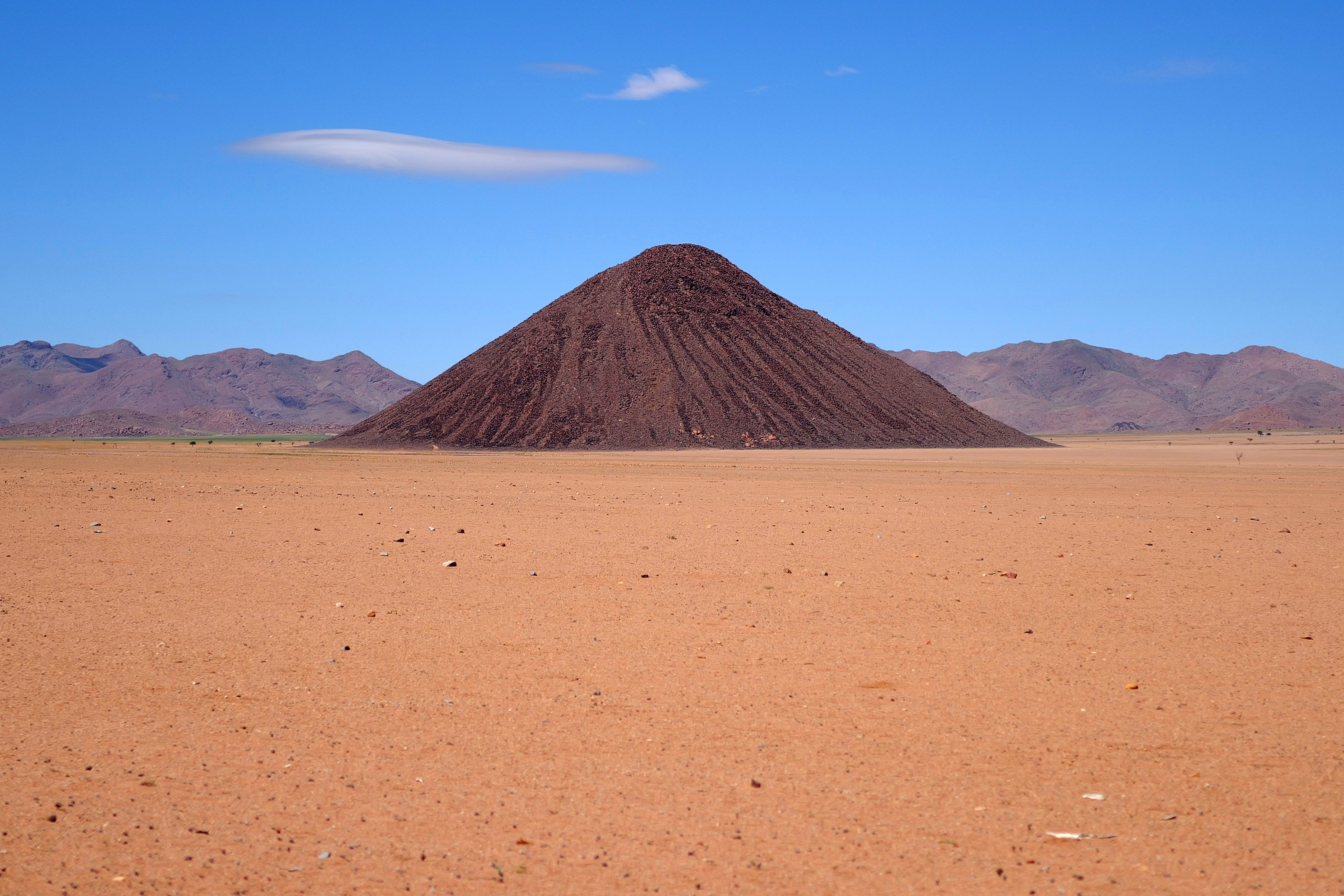
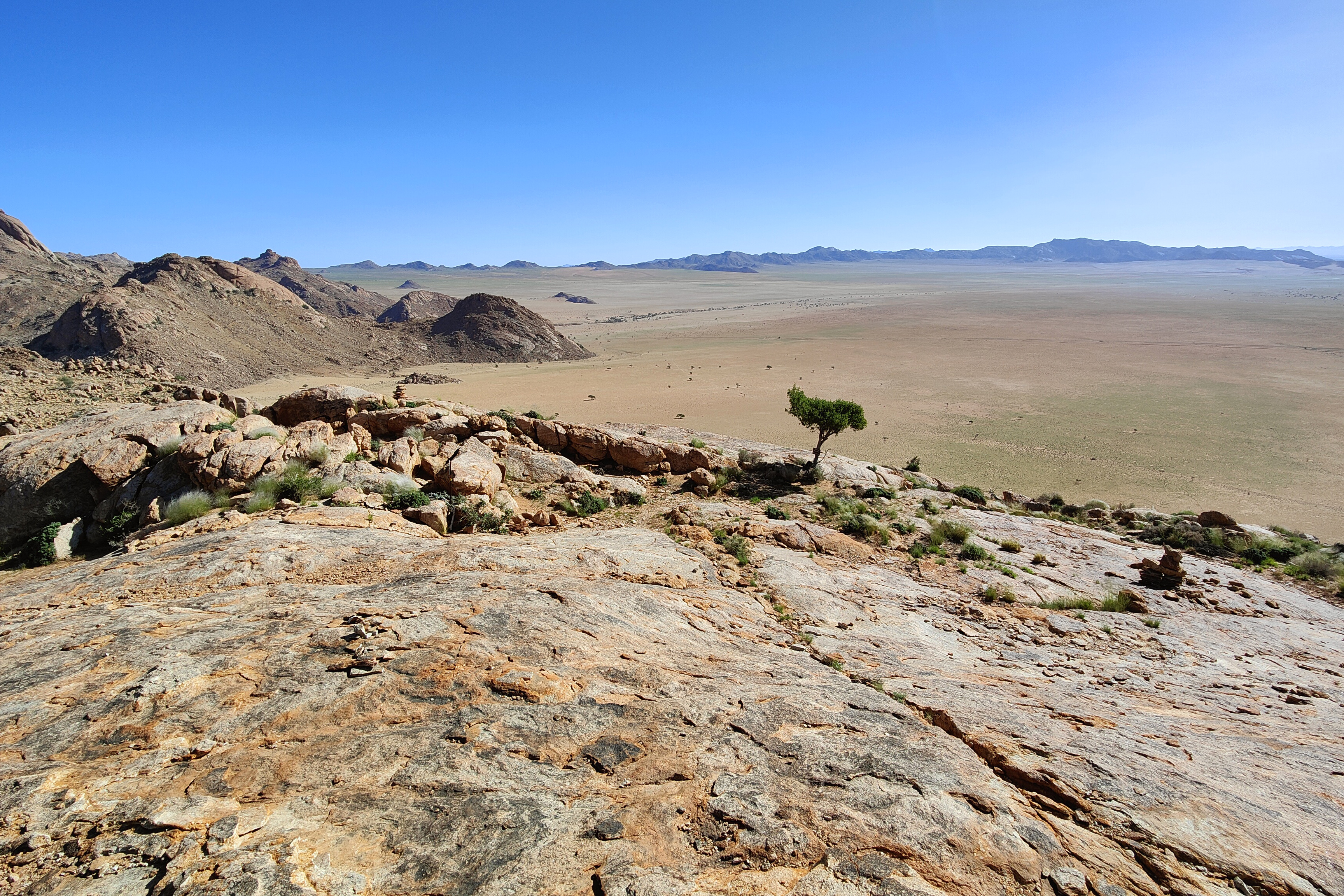
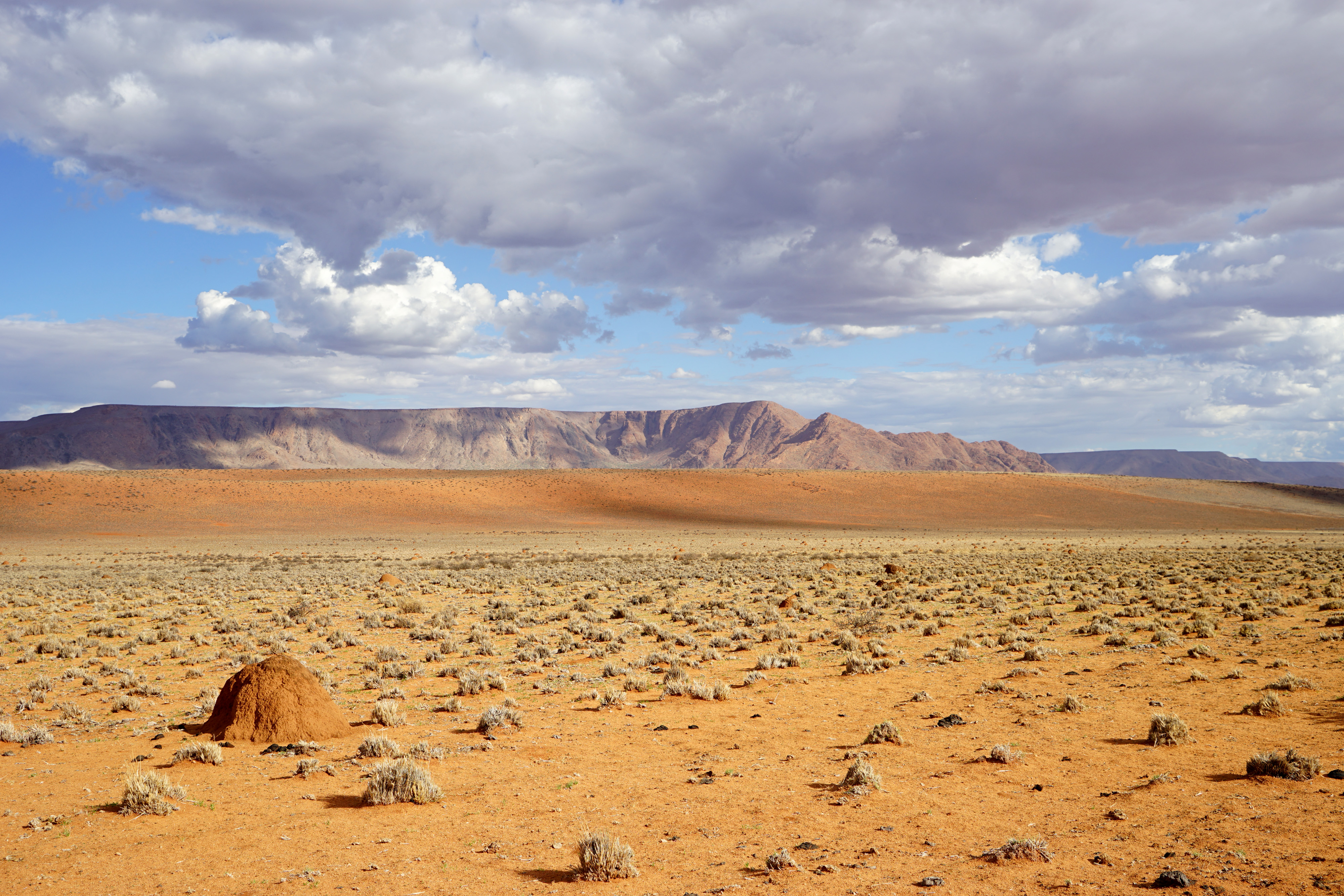
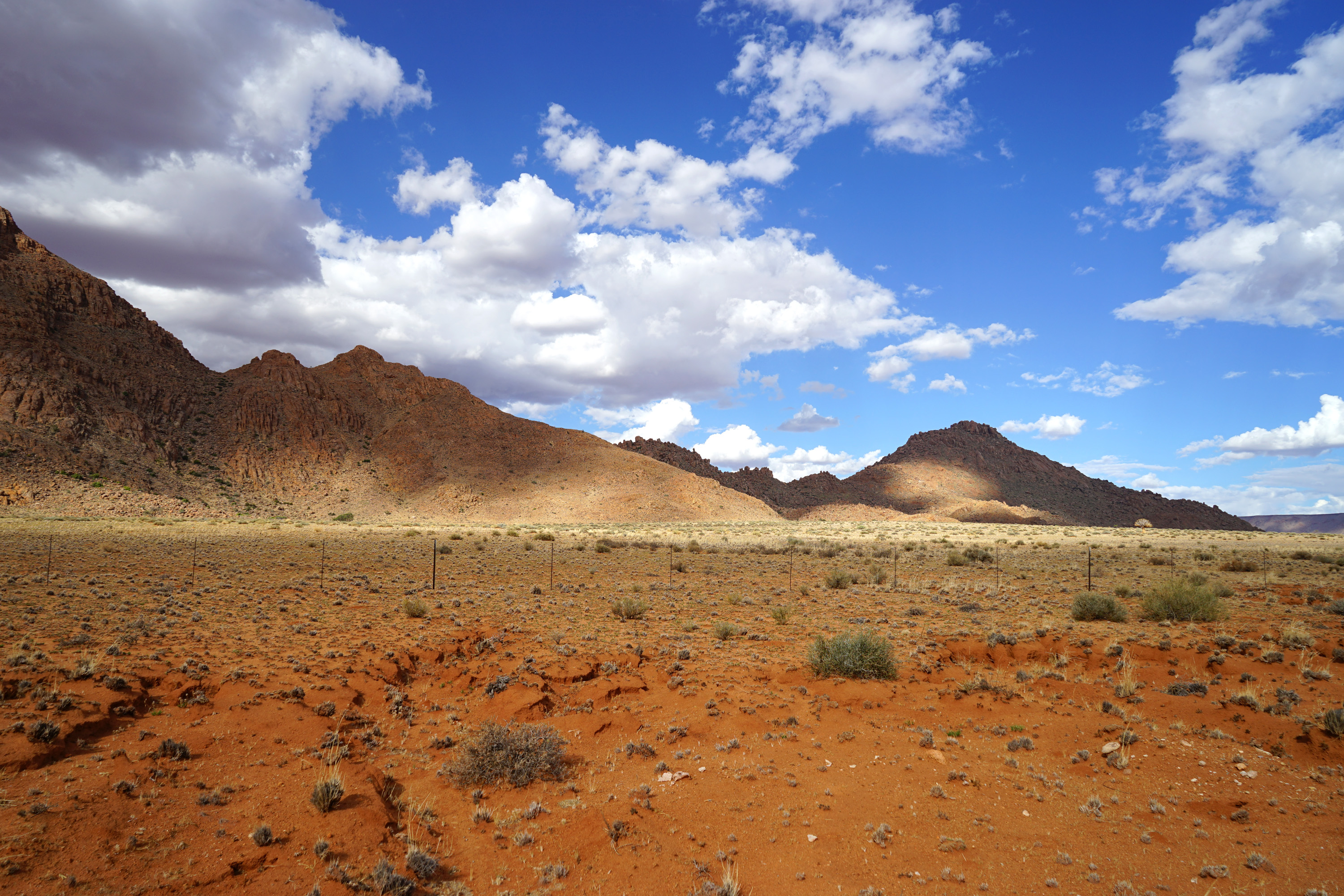
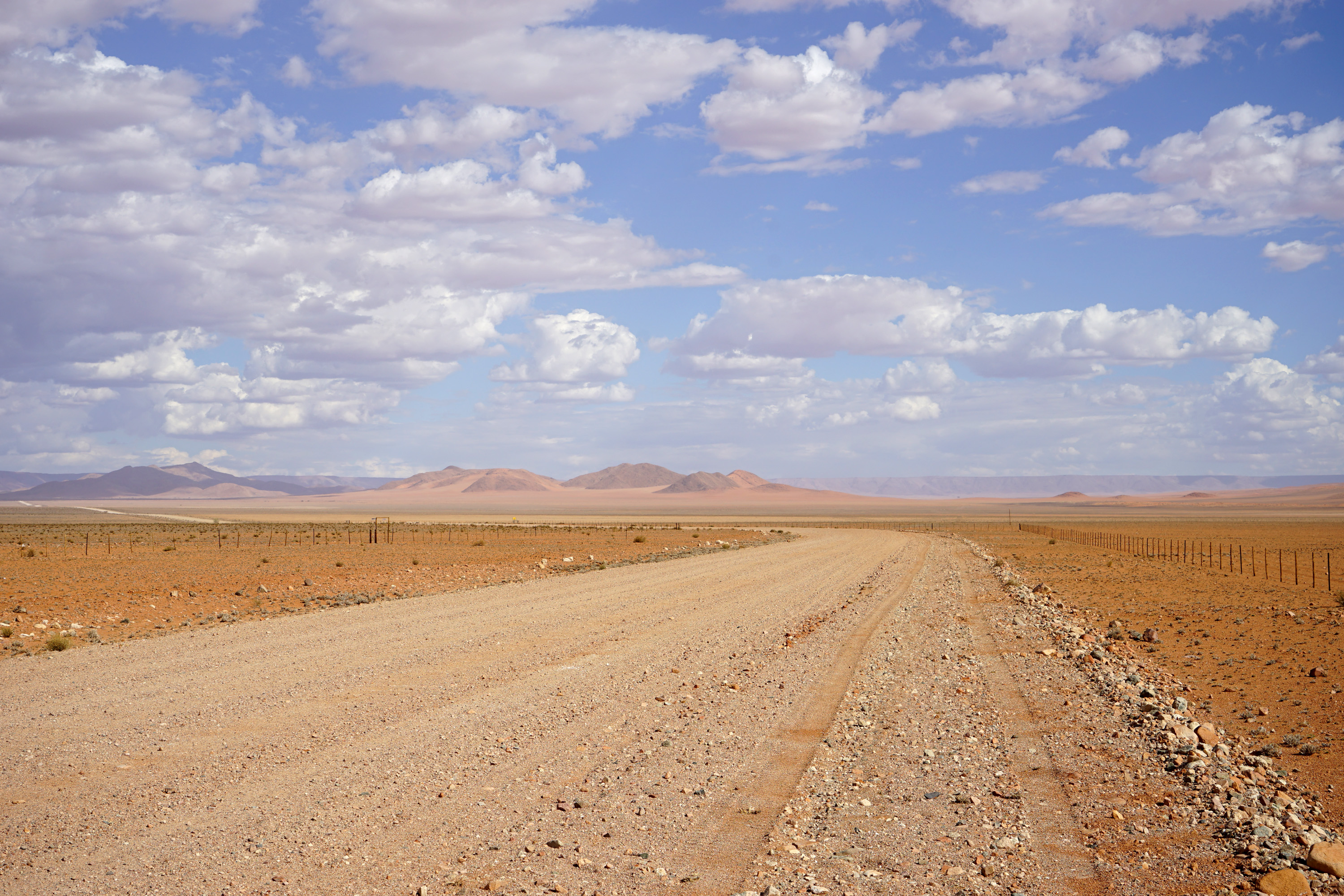
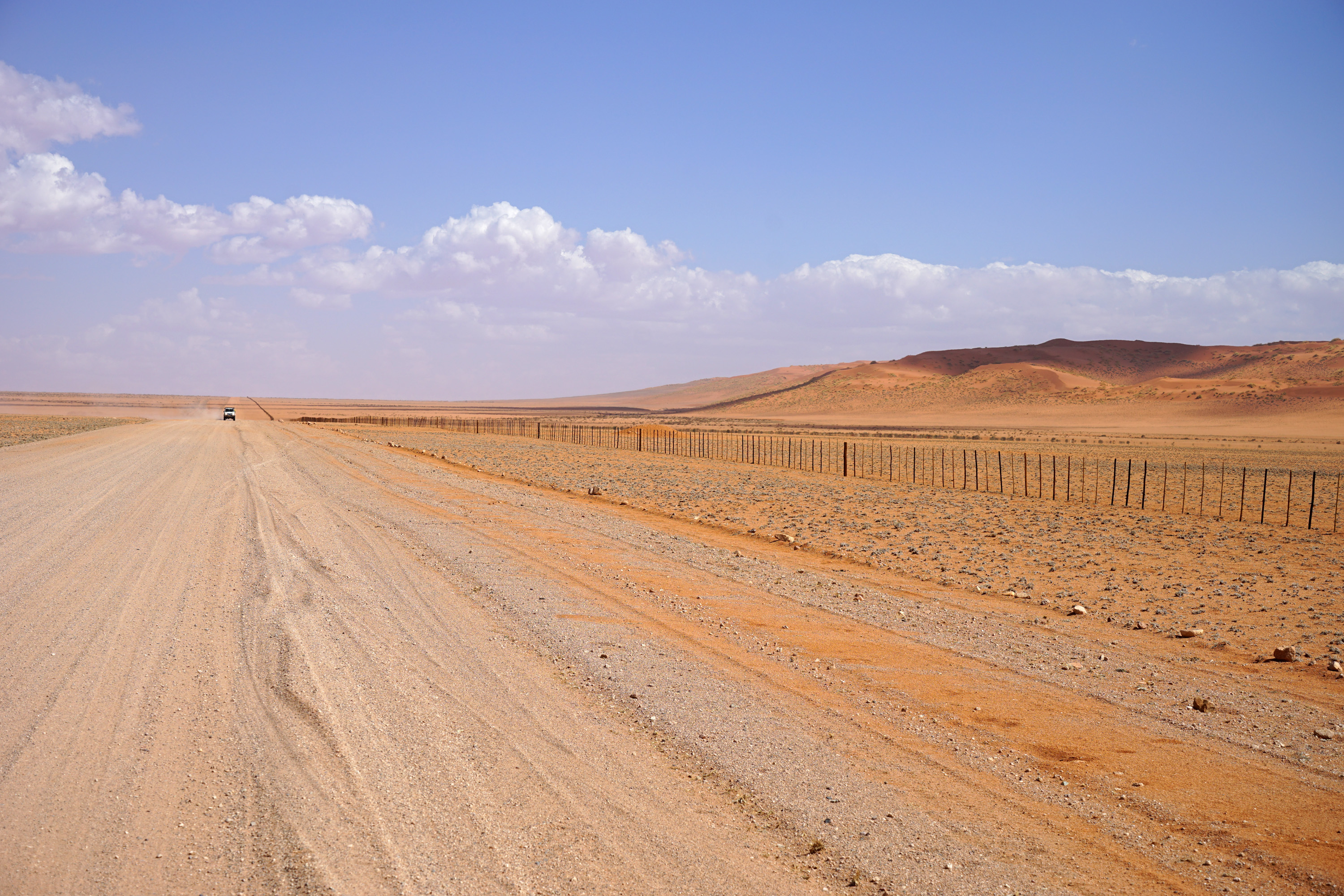
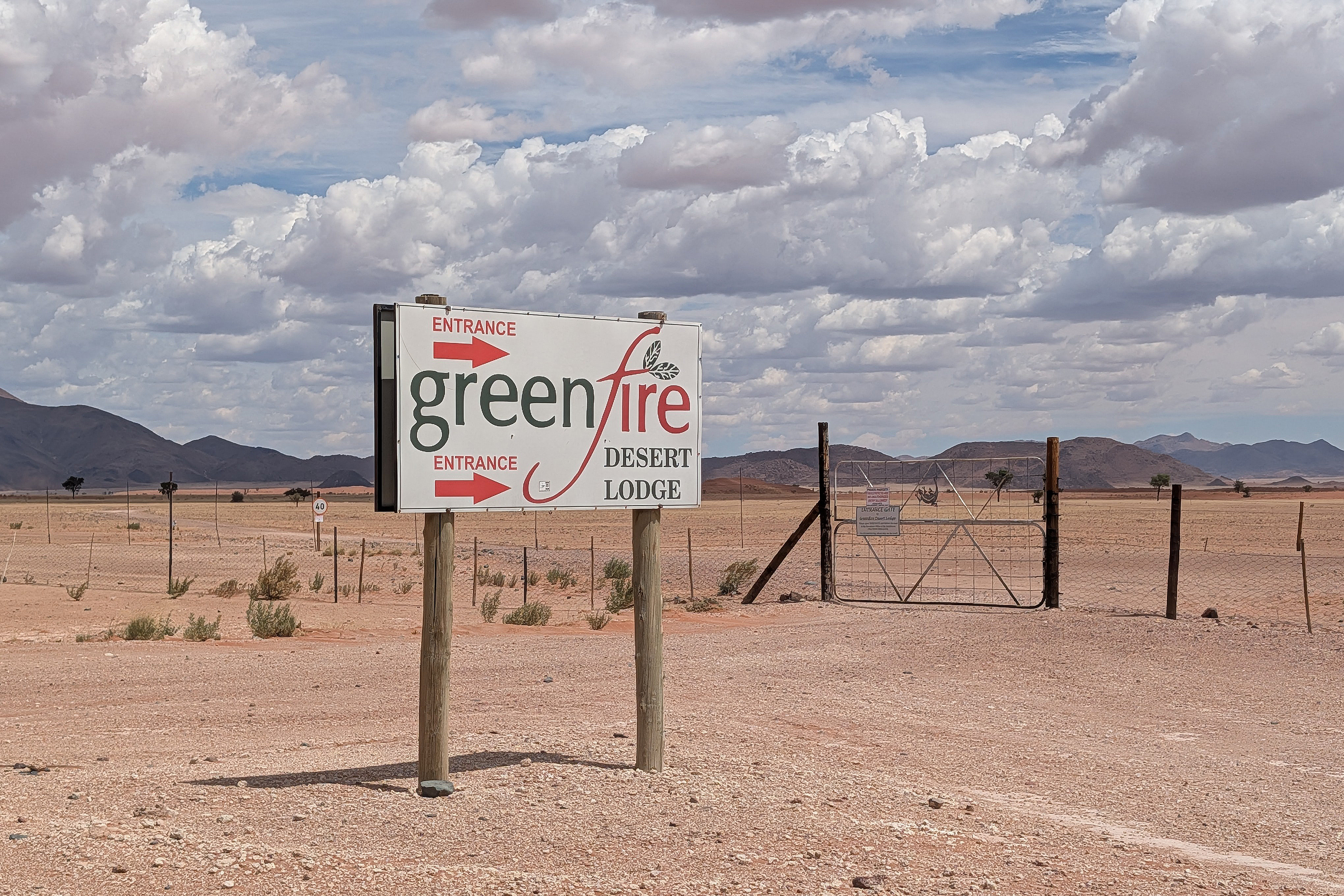
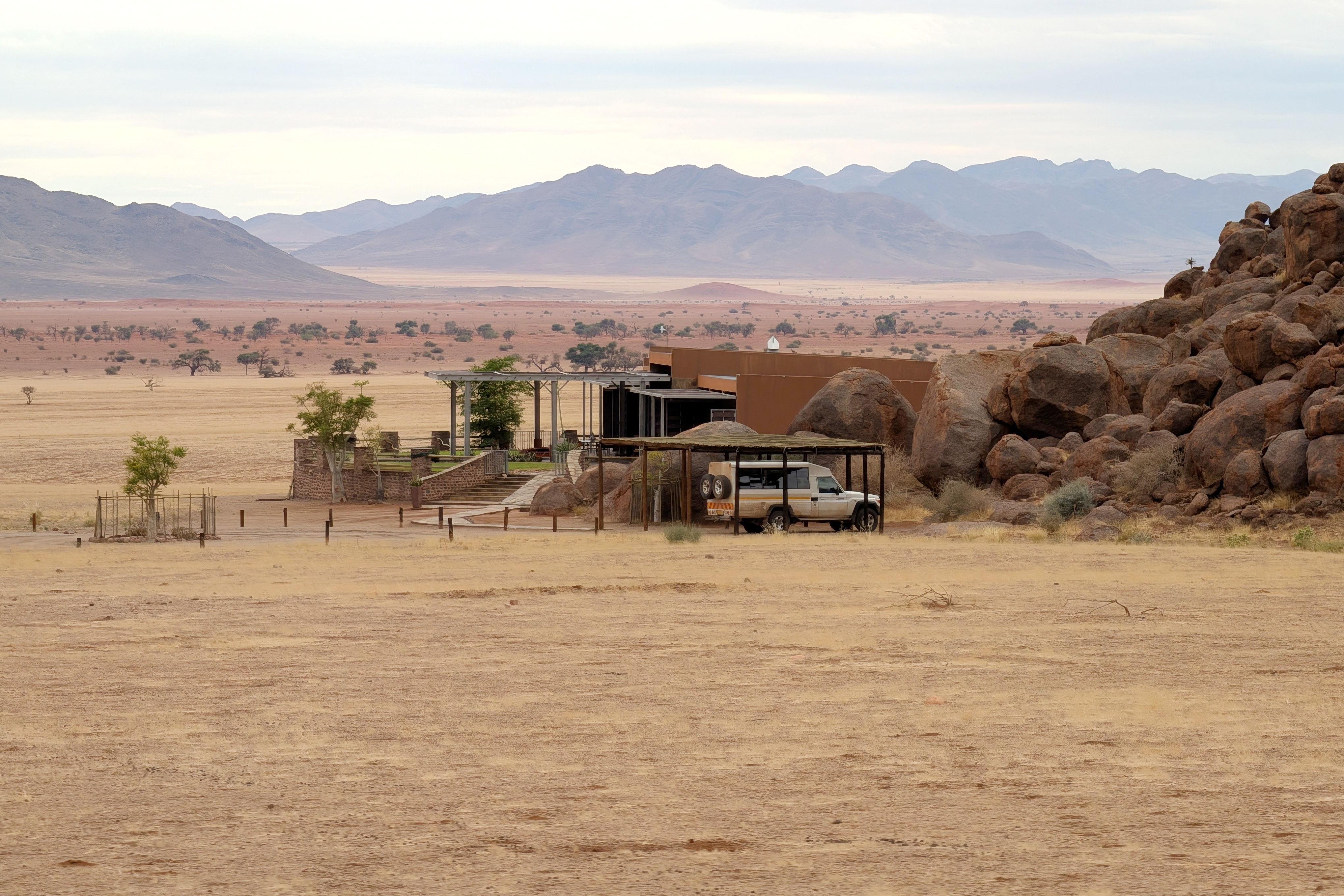
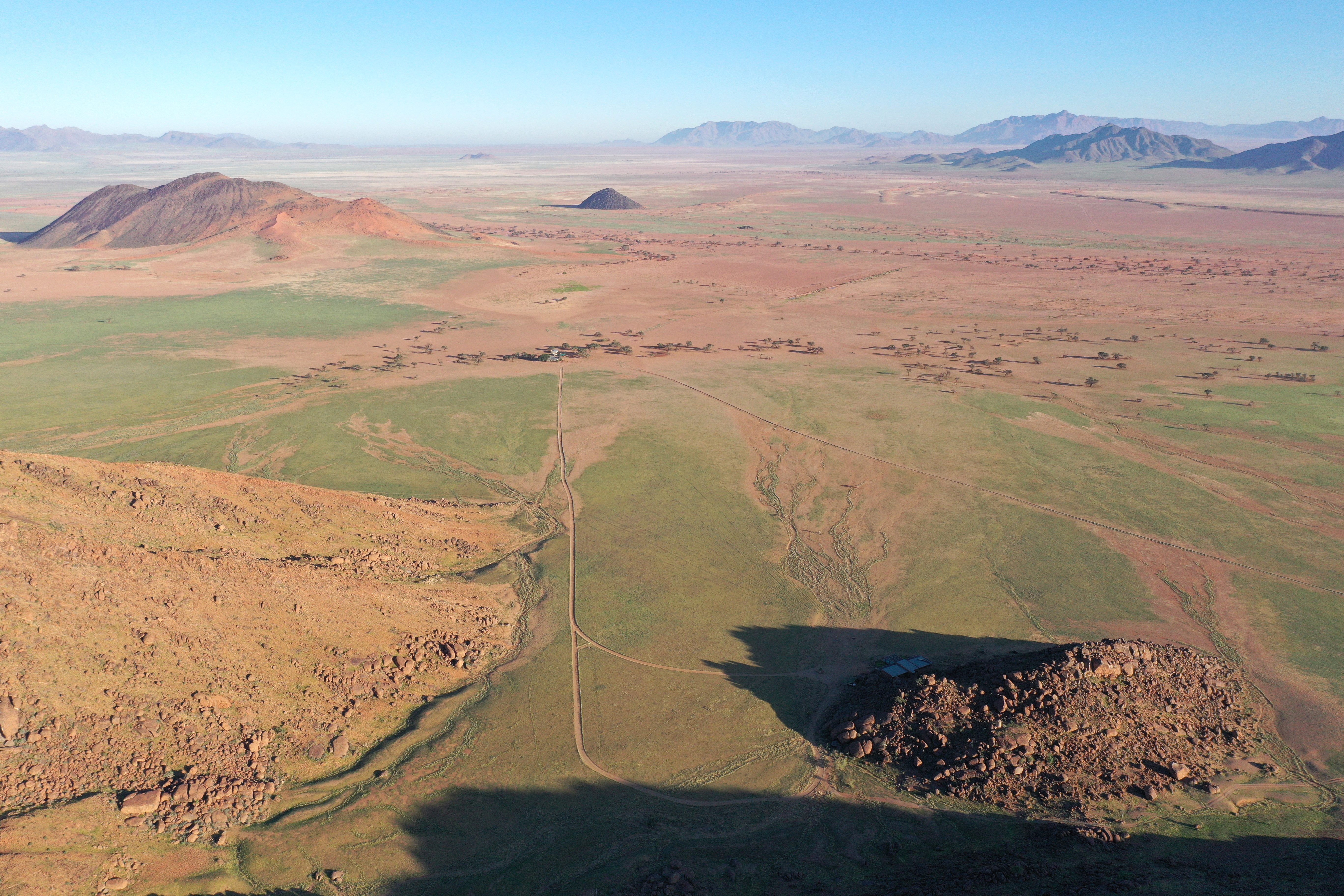
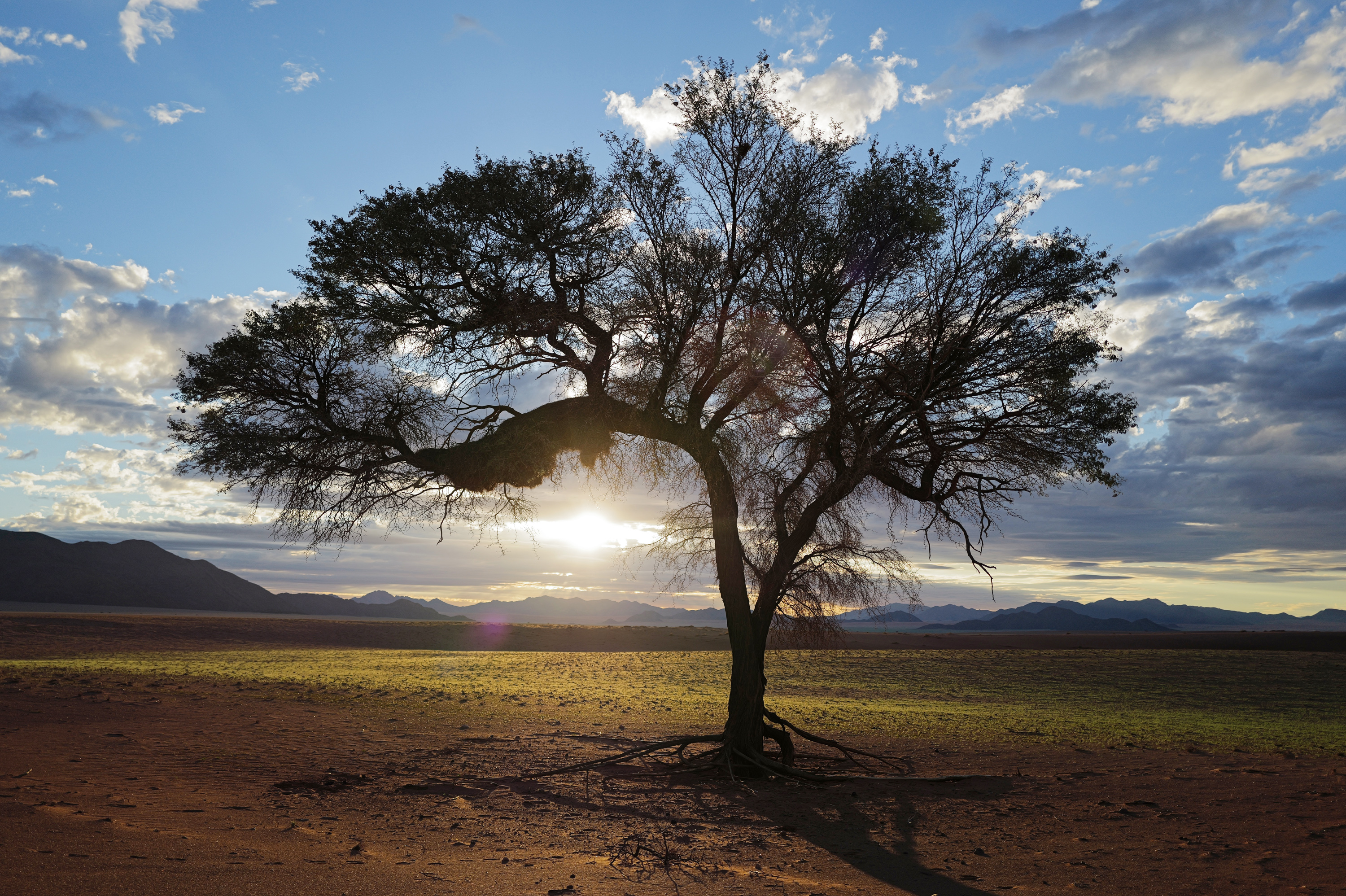
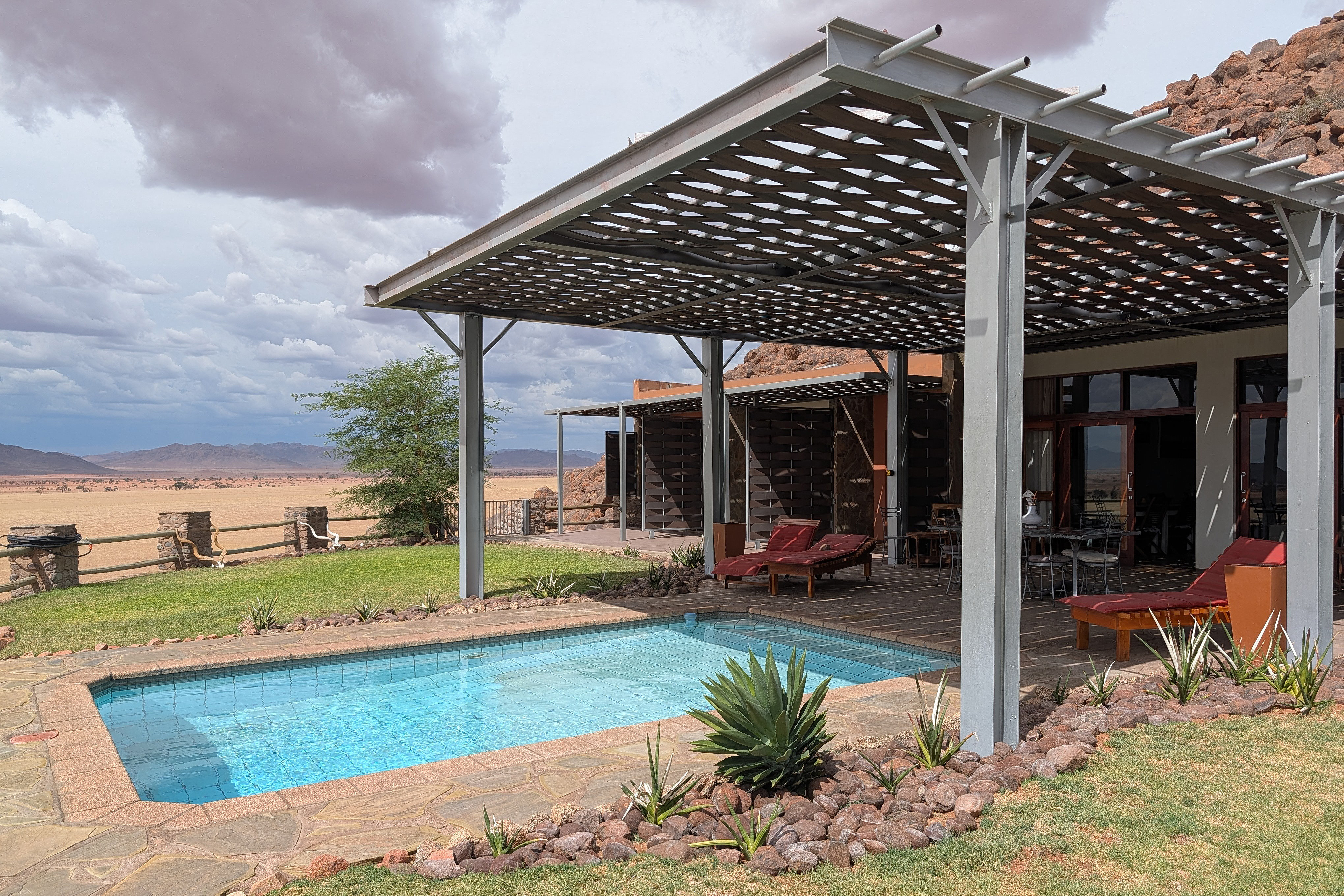
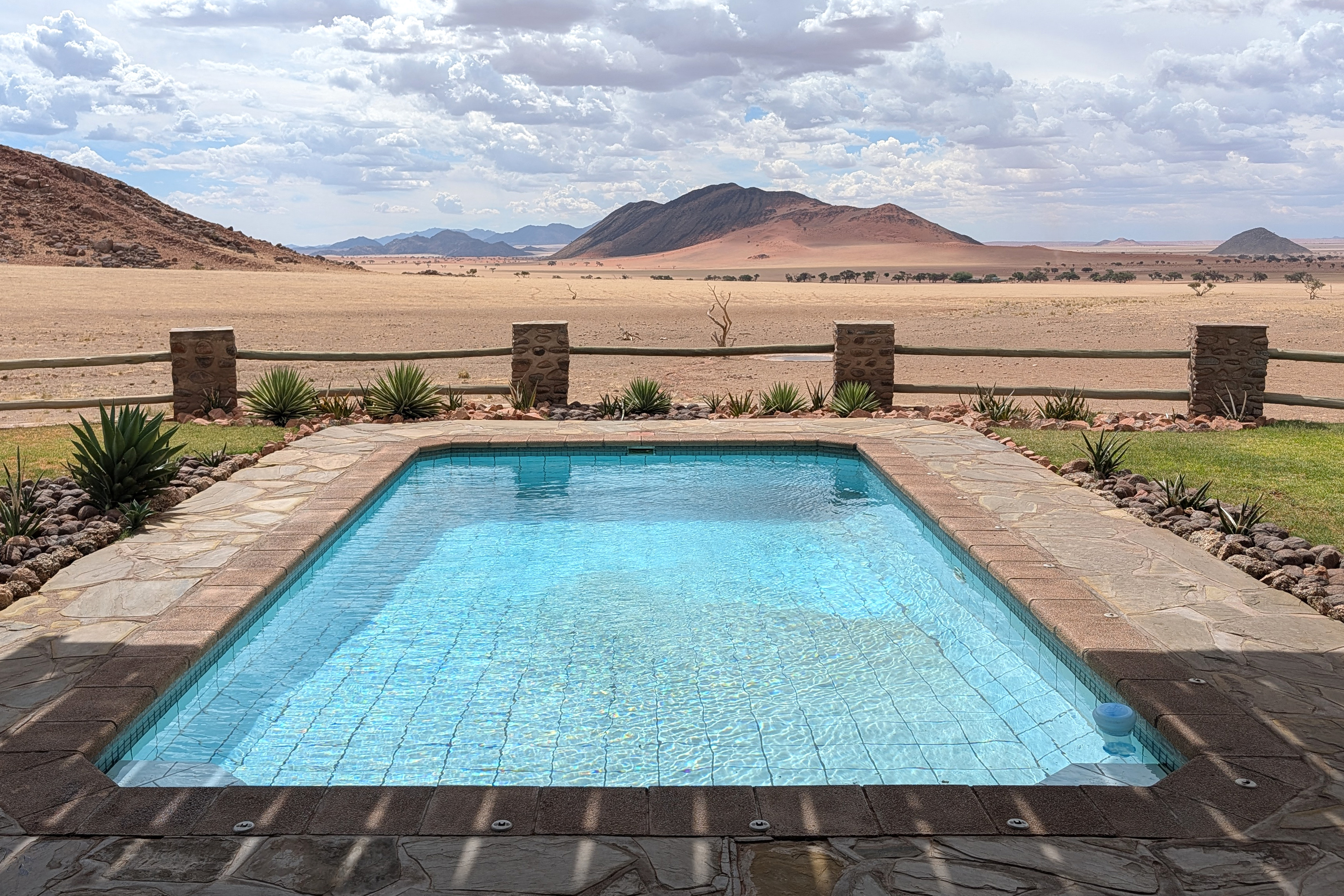
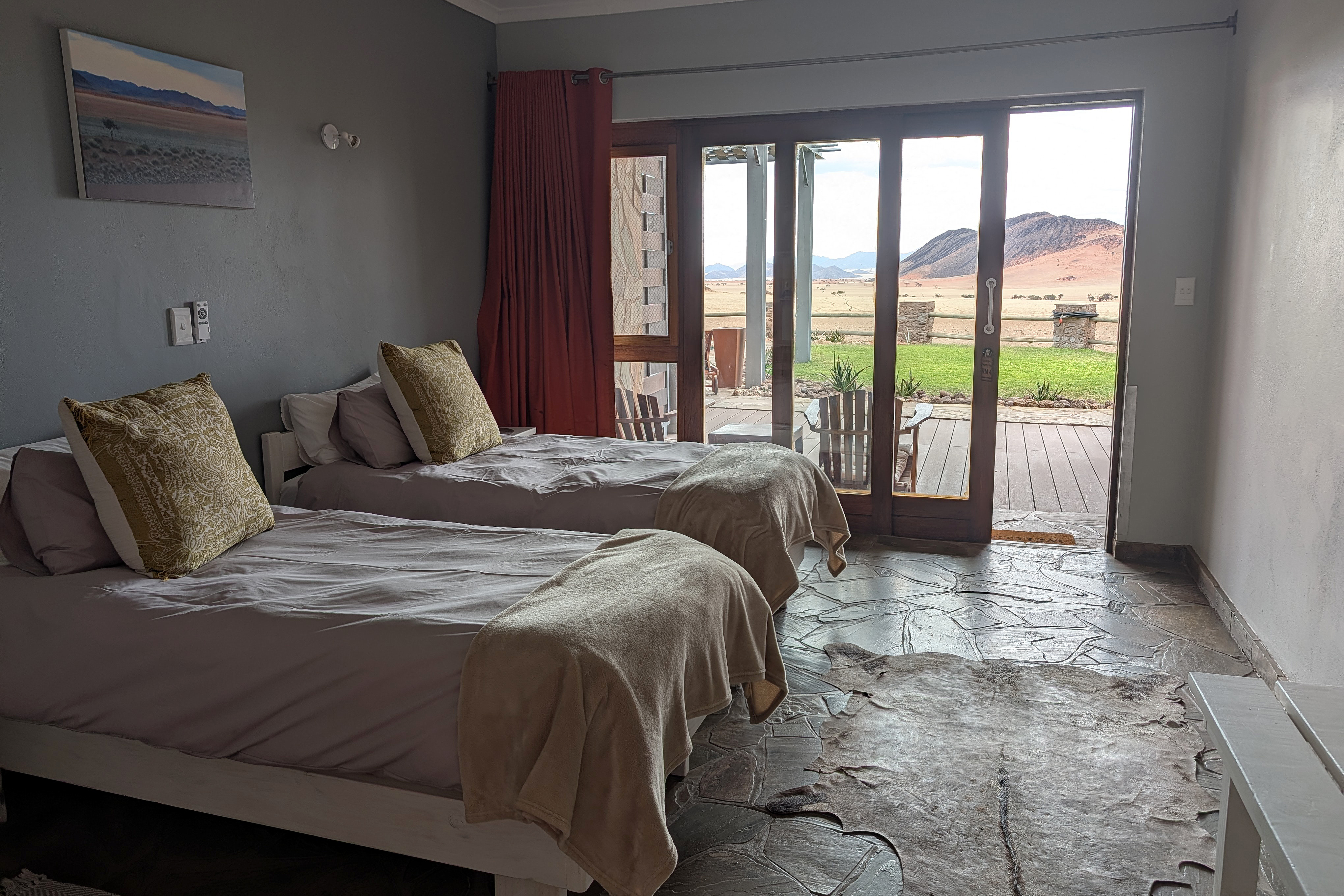
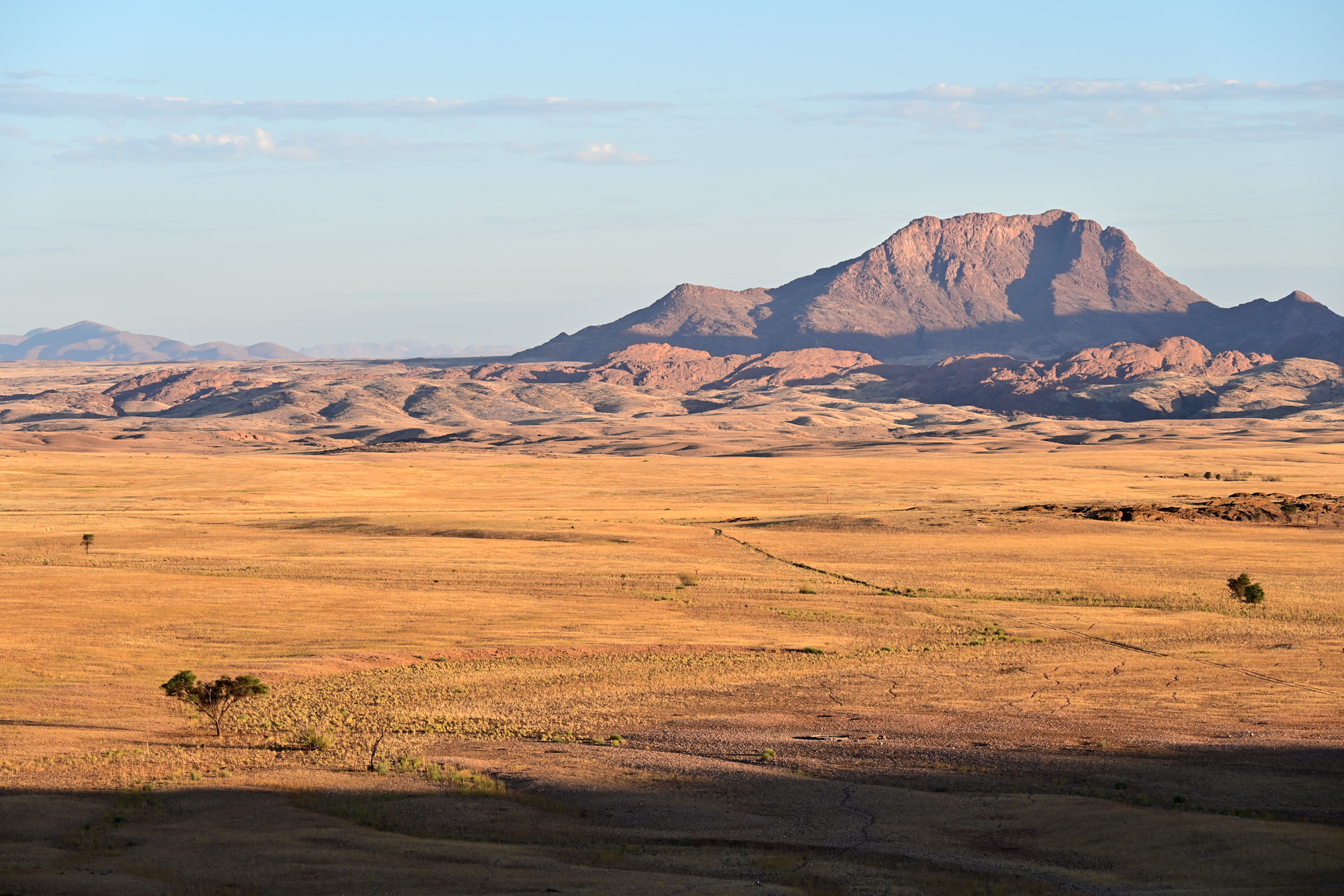
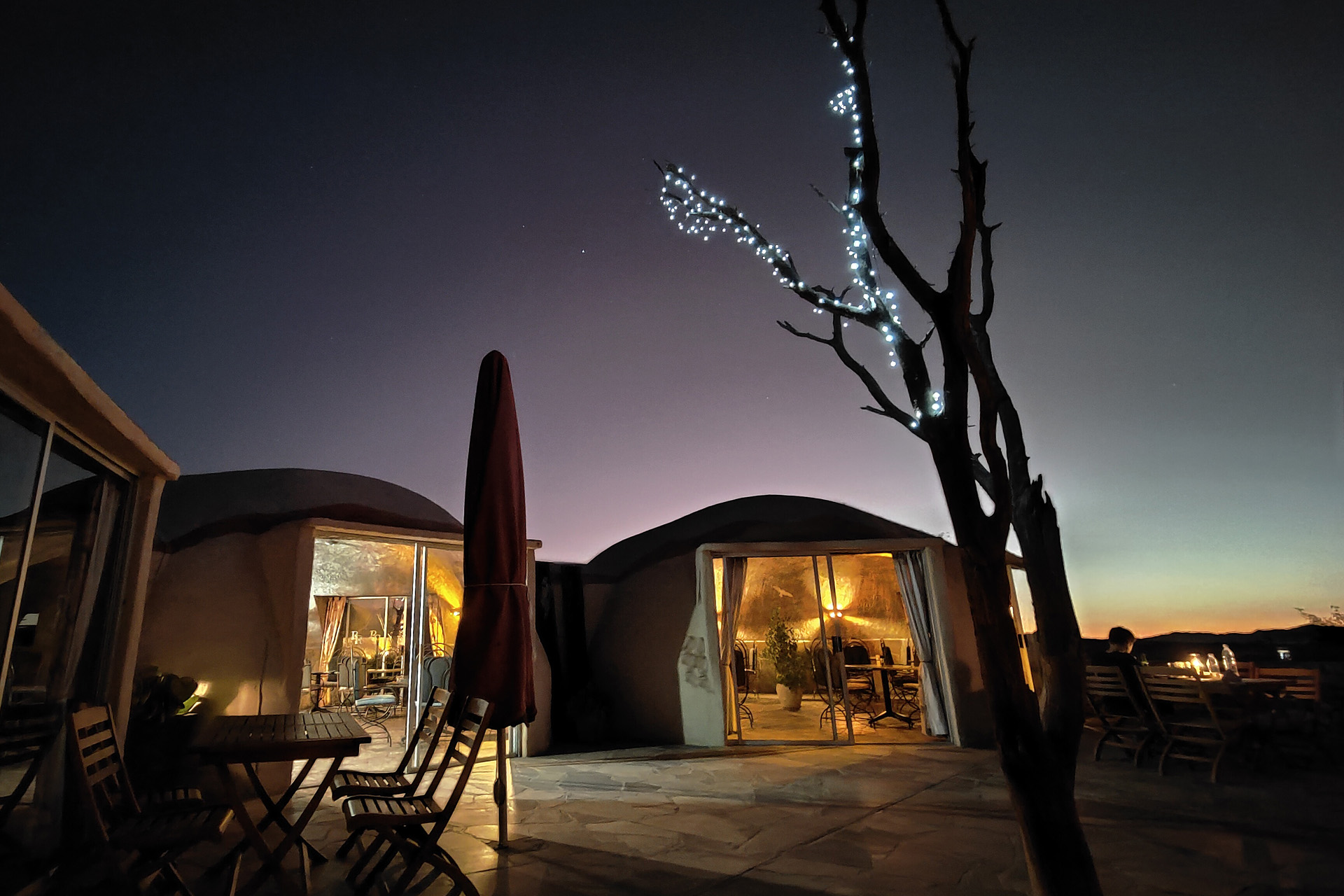
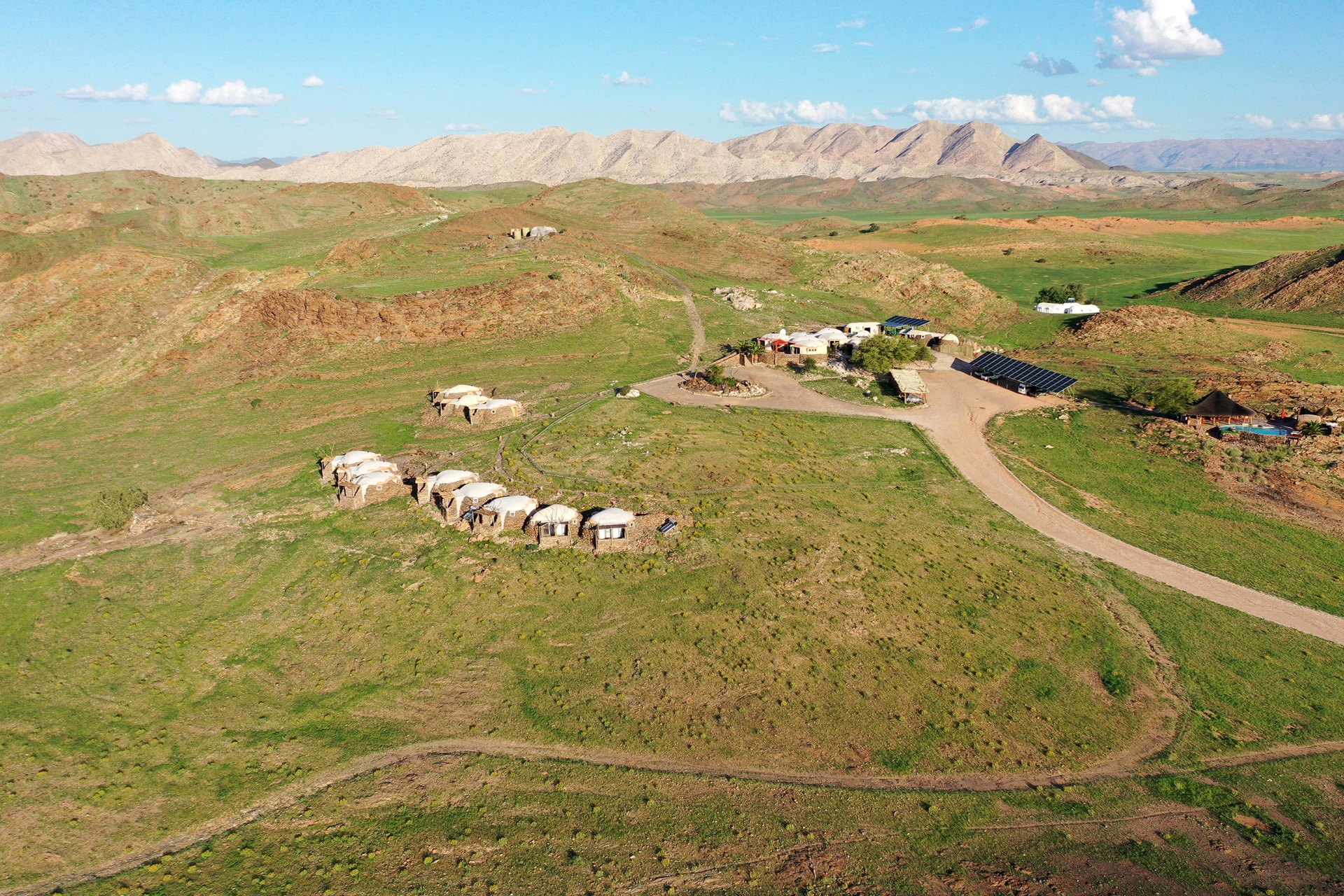
On the ninth day of the Grand-South-North-Tour, you will once again experience the vastness of the south. If you want to use the morning hours for a hike in the mountains, there is plenty of time for that. The granite rocks with their vantage points allow for far-reaching views of the deserted landscape. The view to the west towards Garub is particularly stunning. Afterwards, we will drive to Greenfire Desert Lodge, where we will spend the night. It will be our last night in southern Namibia, so enjoy the endless expanse of the region once again on this day. First, we will drive along the C13 gravel road, where you can see the foothills of the Rooirand Mountains on your right. These look like table mountains and are flat and smooth like a tablecloth. Right next to the road, you can also see many termite mounds. This road continues to Helmeringhausen, but we turn left at the Tiras Mountains. From now on, we are on what is probably the most beautiful road in Namibia – the D707. Everyone, whether tourist or local, raves about this gravel road because it leads in absolute solitude along the red sand dunes of the Namib. From some points on the track, you can see 20 or even 30 kilometers to the other end of the road. The D707 is undoubtedly a highlight of the great south-north tour. We then arrive in Betta, a tiny place on the way to Greenfire Lodge. Betta is a little like the better-known Solitaire further north, as Betta also consists mainly of a gas station, old vintage cars, and a shop with a café serving delicious cakes. In a desert country like Namibia, places like this are like little oases, as you can buy cold drinks, ice cream, or simply refill your water bottles. After leaving Betta, it takes less than an hour to reach Greenfire Desert Lodge. This lodge is located on the Excelsior Farm, which offers untouched desert nature in abundance. Here you will find red sand dunes, black cone-shaped mountains, and sunsets that are second to none. Greenfire is therefore the ideal place to relax and say goodbye to southern Namibia. In the late afternoon, we will take a scenic drive in an open off-road vehicle, which will take us to the most beautiful spots. Afterwards, dinner will be served at the lodge.
Included services: Accommodation, breakfast, dinner, scenic drive
-

Day 10
Greenfire - Sossusvlei
-
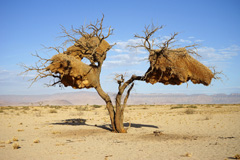


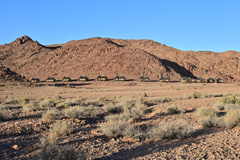
In the morning, Greenfire offers a short hike around the lodge. Here, in the shade of the granite hills, it is still cool. You can also climb the granite mountains and ascend to a hilltop. From such an inselberg, you have a beautiful view, especially in the morning. The light is still very soft and the first rays of sunshine pamper the soul. Enjoy the untouched vastness of southern Namibia once more, because the journey from Greenfire to Sossusvlei marks the end of the first part of the Grand-South-North-Tour. From now on, the tour moves more towards the western center of the country, where there are more lodges and visitors to see. After Greenfire, we will head towards Sesriem in the Sossusvlei area where we will reach the Sossus Dune Lodge around noon. Here, you will enjoy your lunch, find your accommodation and have a rest. In the afternoon, we will visit the Sesriem-Canyon which is situated nearby the lodge and provides cool shade from the sun. Over the last two million years, this up to 30 m deep canyon was eroded by the ephemeral Tsauchab River which flows 50 km westwards into the Sossusvlei. The canyon does have a permanent spot containing water which is used by animals – otherwise, the river only flows during the rainy season. If the river is flowing, we will walk to the point where the Tsauchab plunges into the deep canyon. Even a swim in the river is possible if there is enough water. After the canyon, we will pass the small village Sesriem and drive to the Elim Dune within the Namib-Naukluft National Park. This dune is easy to climb and offers at various heights a range of different viewing points. Here, you will also find beautiful photo motifs of the wave-like dune sand and Stipagrostis grasses. Even fairy circles you may see from the Elim Dune, however, under the prevailing arid conditions of just about 70 mm annual precipitation, the circles are only sparsely distributed. The dune is also ideal for a sundowner before we drive back for dinner to the Sossus Dune Lodge. Alternatively, we can drive to Dune 45 and climb this sand mountain. The trip there takes a little longer than to Elim Dune, but we are not pressed for time and can take our time for the sunset.
Included services: Accommodation, breakfast, dinner, park fees
-

Day 11
Sossusvlei - Rostock Ritz
-


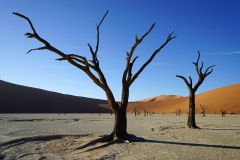
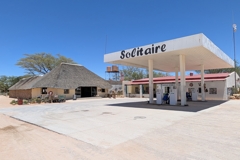
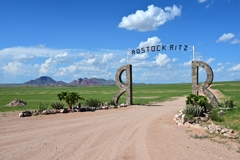
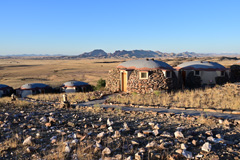
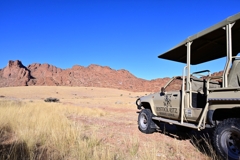
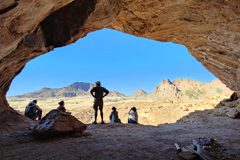
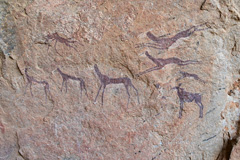
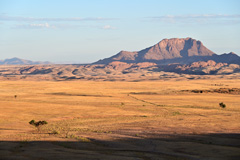
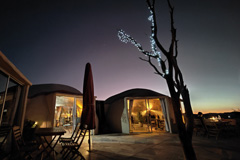
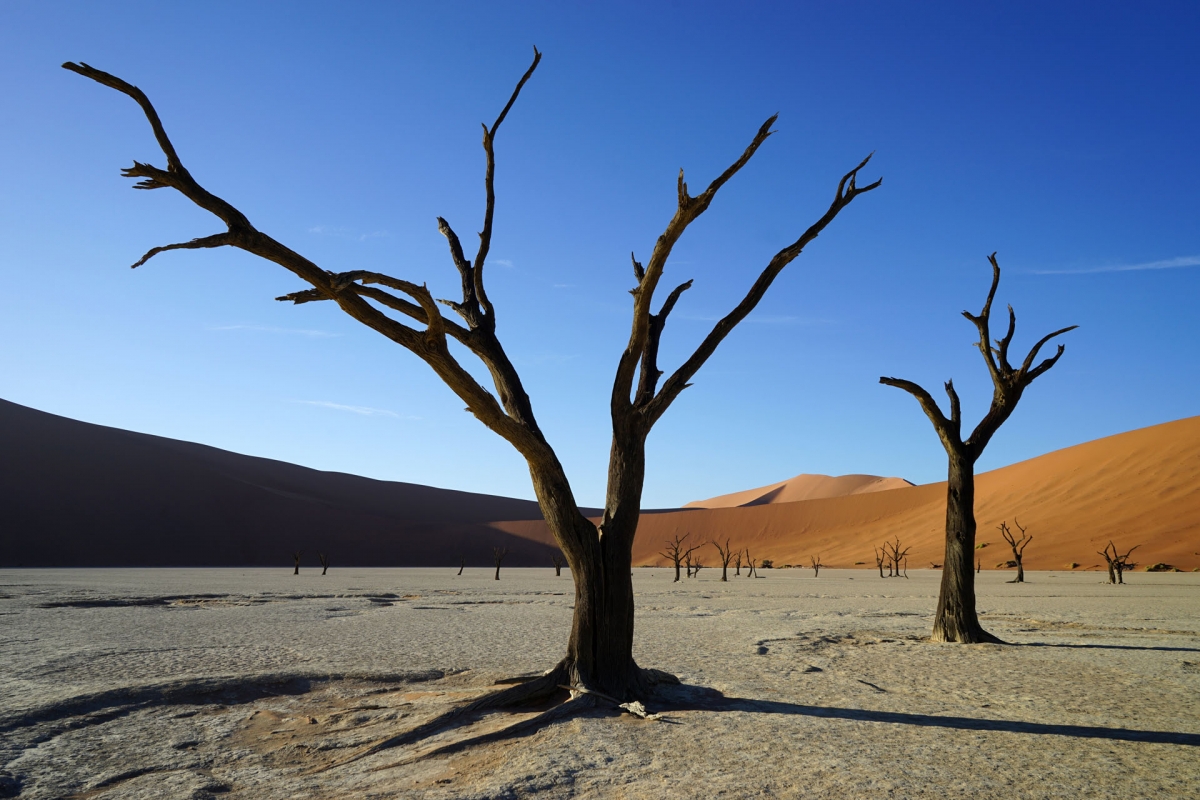
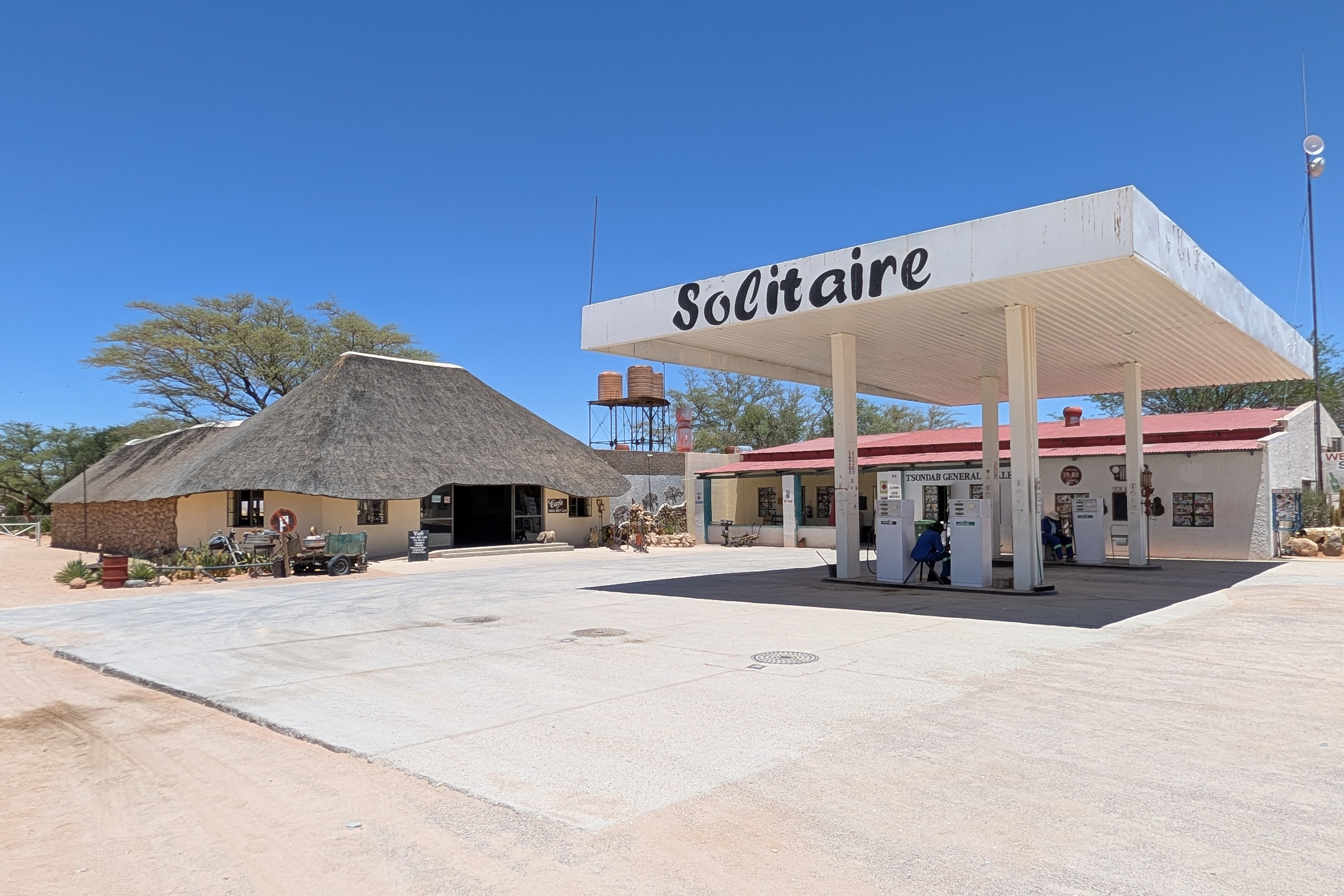
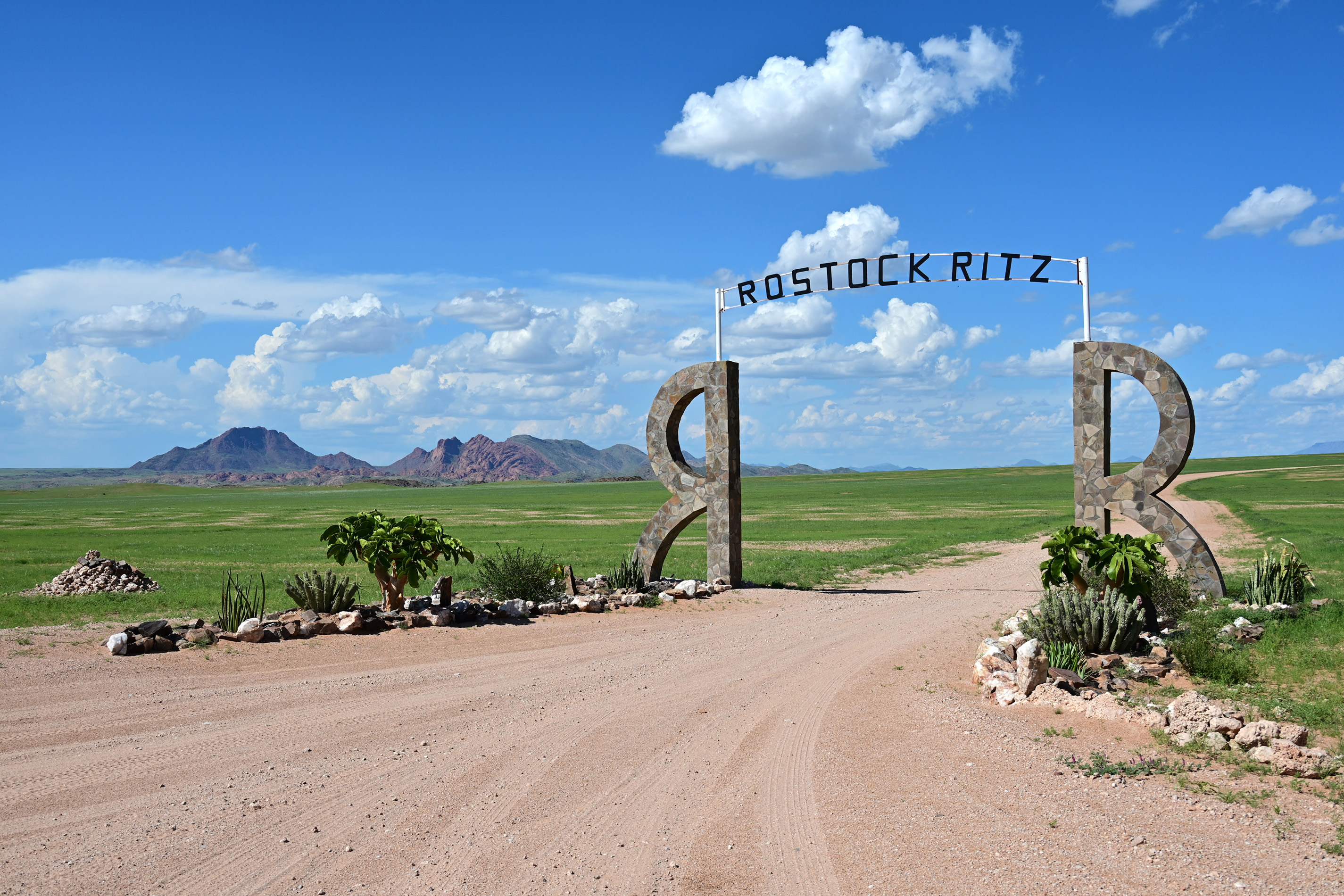
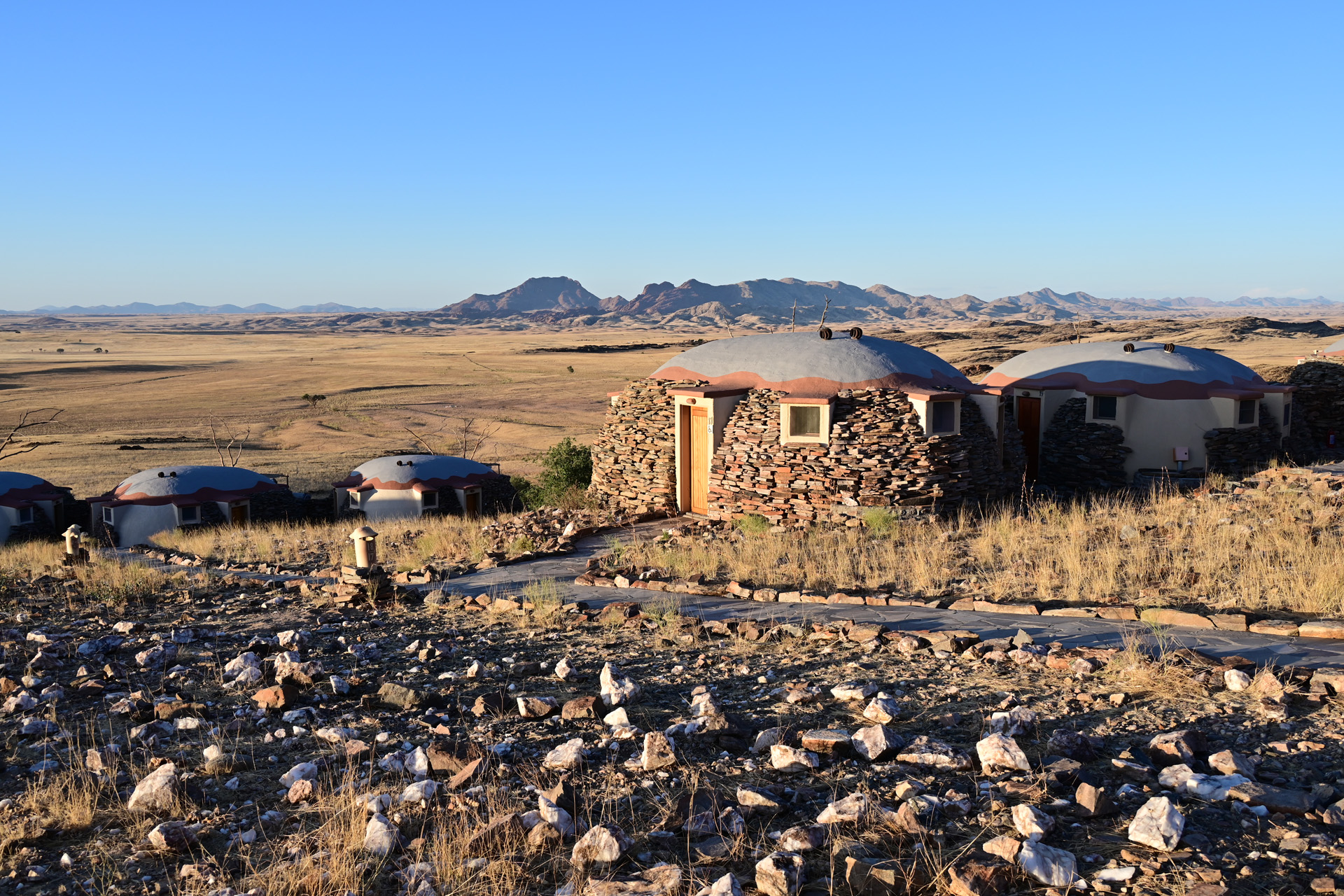
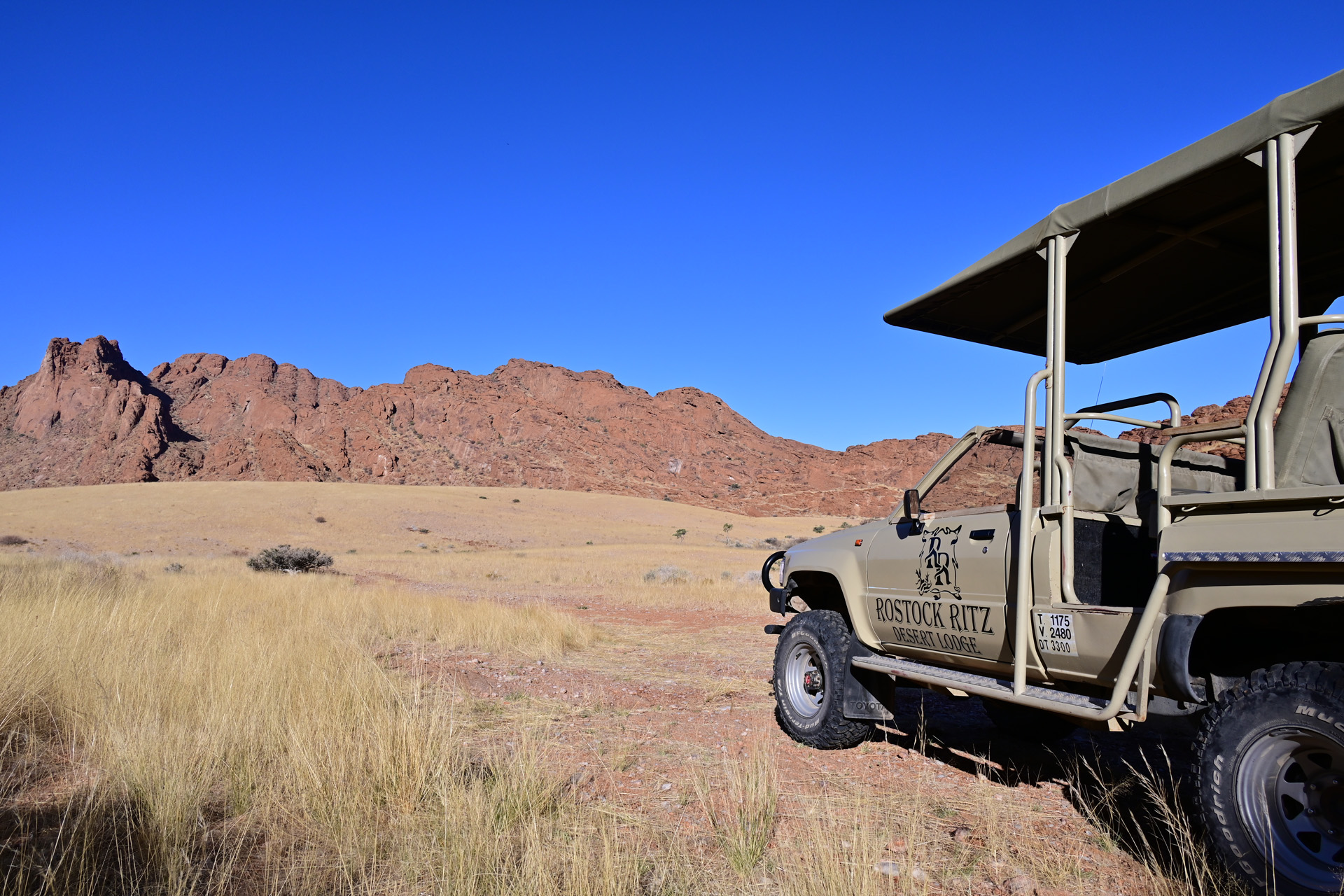
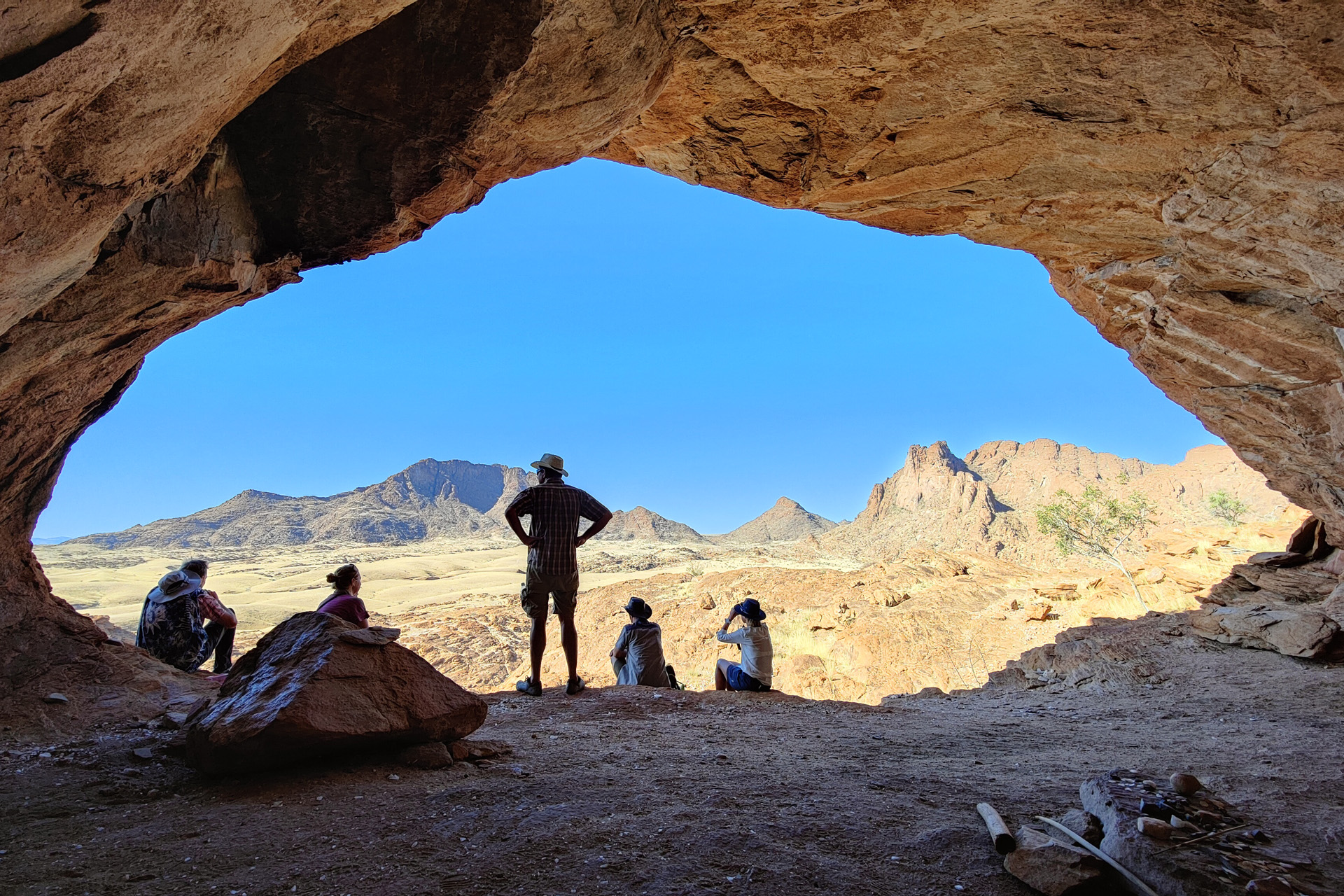
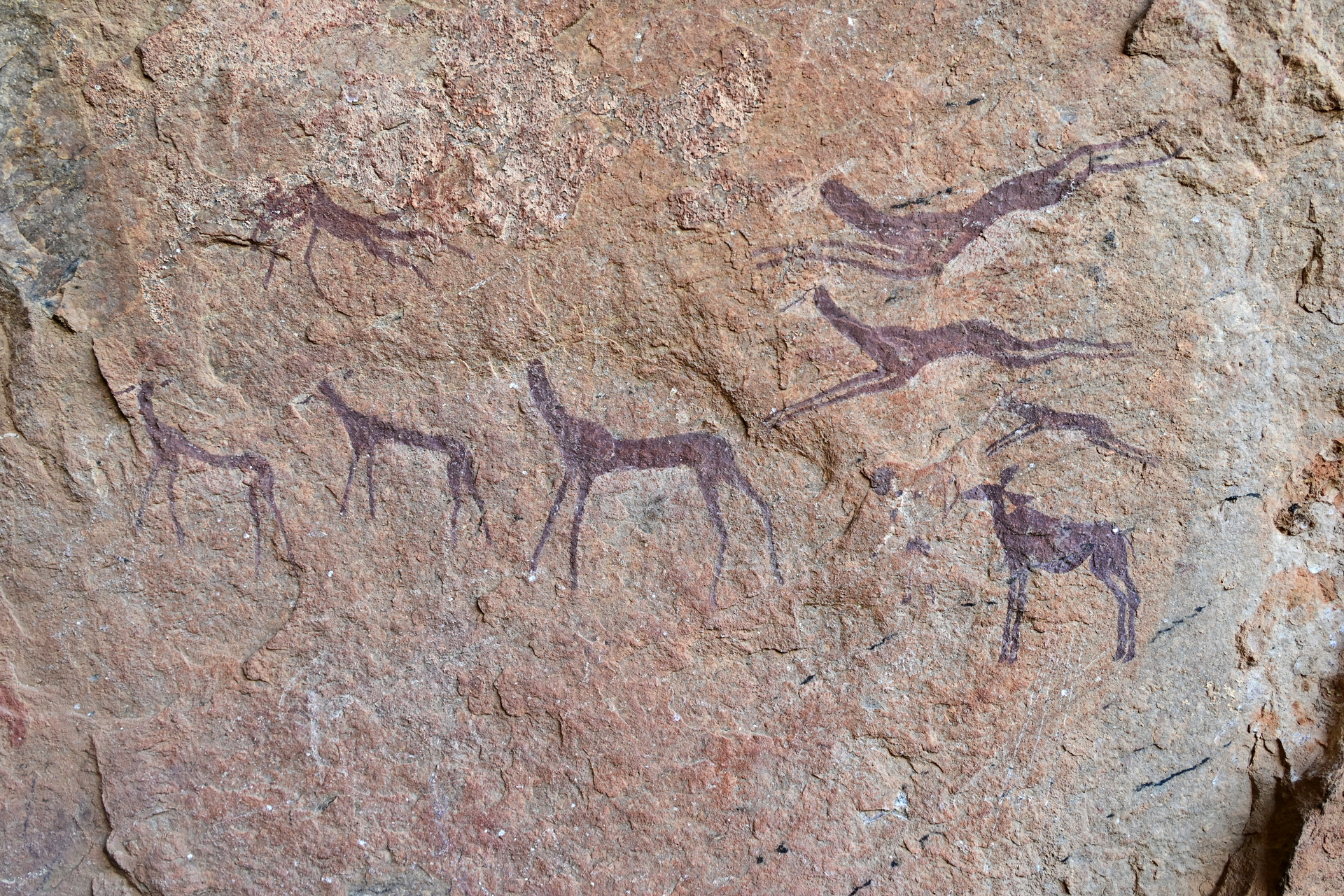
The Sossus Dune Lodge is located exclusively within the borders of the Namib-Naukluft National Park. In contrast to all other accommodations, we are therefore not dependent on the evening and morning closing times of the park gate and have more freedom. Hence we can drive to the famous Dune 45 in the early morning before sunrise. You will enjoy this fantastic highlight of the tour in the best light of the first rays of the sun. The dune is located 45 km from the entrance gate and offers a wonderful view over the whole valley of the Tsauchab River. But even if you don’t want to go up to the 85 m high top of the dune, there are beautiful photo motives of red shining sand and the individual gnarled trees around the dunes. The fine sand, which invites you to walk barefoot, is about 2 million years old. The petrified layer of sand underneath, also known as Tsondab sandstone, is even 12 to 20 million years old. This makes the Namib one of the oldest deserts in the world. After the Dune 45 we drive on to Deadvlei, 20 km west, which is another highlight of the tour. Before the Deadvlei, the Tsauchab River finally sands up in the Sossusvlei, although it reached once a long geological time ago the Atlantic Ocean. Even today the Tsauchab still flows underground along old flow paths to the Atlantic Ocean, where fresh water outlets can be found at the coast near Meob Bay. Also the Deadvlei was originally fed with water from the Tsauchab River until 500 to 600 years ago, when the climate changed, the water table dropped and new insurmountable dune elevations separated the Deadvlei from the Sossusvlei. The once many camel thorn trees could not be supplied with enough water anymore and since then the trees are preserved by the dry heat and are standing like statues in the vlei. The white clay pan, the almost black burned dead trees, the red shimmering sand of the dunes and the deep blue sky offer you unique photo scenes that will make your journey unforgettable. In the background of Deadvlei there is “Big Daddy” with a height of 325 m, which is the highest dune in Sossusvlei. After our tour to Sossusvlei we head back to the lodge, where we will also see a few isolated fairy circles along the way. Then we drive north to the Rostock Ritz Desert Lodge. On the way we will stop in Solitaire, which is famous for its decorative vintage cars at the entrance to the petrol station. There is also a small shop and a bakery where you can buy cool drinks or the famous apple pie. We will then reach Rostock Ritz in the early afternoon. Now you can lie comfortably at the pool and relax before we do a small excursion in the afternoon with the 4WD car. Here you will get to know the fascinating landscape around Rostock Ritz, you will see 2000 years old rock paintings and you will enjoy a sundowner drink with the best view of the surroundings. Dinner at the lodge is superb and you can end the day with an excellent à la carte menu. By the way, the name of the farm Rostock has nothing to do with the coastal town in Germany. Originally, the farm was called “Rotstock”, named after the prominent Rotstock Mountain, which you can see from the balcony of the lodge room. In the 1960s, however, the farm was divided and a “t” was accidentally lost.
Included services: Accommodation, breakfast, park fees, scenic drive
-
Day 12
Rostock Ritz - Swakopmund
-

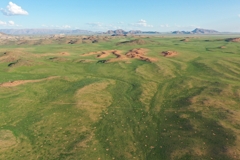


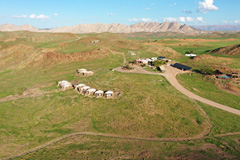
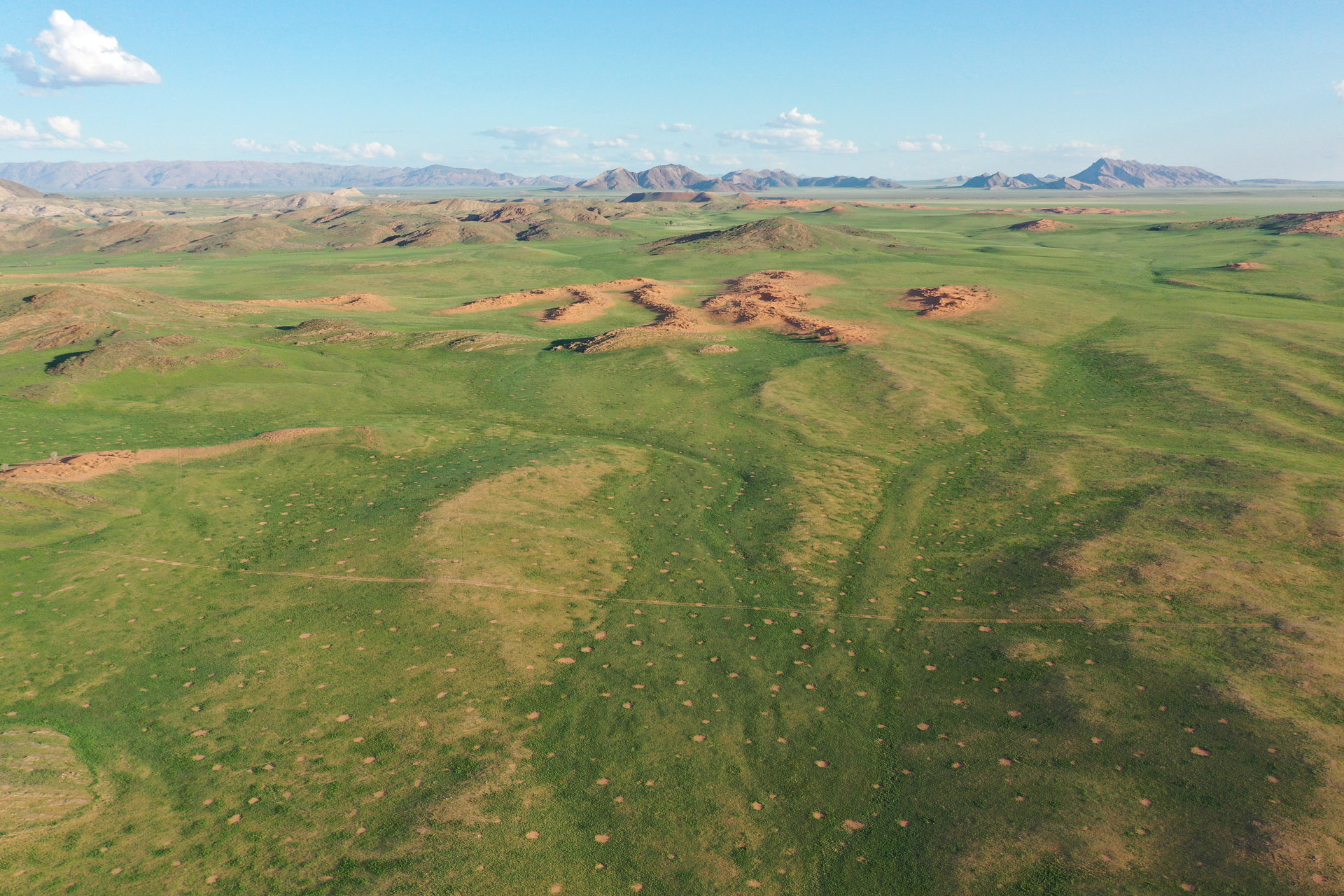
The Rostock Ritz Desert Lodge is beautifully situated amidst an unspoiled landscape, where there is no road disturbing your view. After breakfast I would like to offer you a short hike in the local area of the lodge. In the morning light the surrounding mountains like the Rotstock, the stony hills and the sand dunes shimmer most beautifully and it is the best time of the day to watch springboks, zebras, ostriches or oryx. Just nearby the lodge we can also find fairy circles, which are quite numerous here. Afterwards we drive towards Swakopmund. We will first drive through the spectacular Kuiseb Canyon. The Kuiseb River is like all other Namibian rivers, which do not form the southern or northern border of the country, an ephemeral river which flows only sporadically during the rainy season. However, the Kuiseb is a very special river, because of its large catchment area in the Khomas Highlands and its large width of several hundred meters, it has a great influence on the appearance of the Namib Desert. The Kuiseb forms a sharp border, bisecting the Namib with the Great Sand Sea and its high dunes in the south and the gravel plains without fine sand in the north of the river. Although the permanent southwesterly winds blow the sand of the dunes to the north, the strong floods during the rainy season cause the sand to be washed out of the river bed again and again, so that it never reaches the northern gravel plains. The Kuiseb is also an important linear oasis, as it enables the growth of large trees that run through the barren Namib as a green belt. This belt thus helps many wildlife and bird species to survive even in the most arid conditions. The Kuiseb, with its partly long-lasting watering holes, which stay in the shade of the high canyon rocks, has also secured a survival for two German geologists at the beginning of the Second World War. In order to avoid their own imprisonment, Henno Martin and Hermann Korn hid in the Kuiseb gorges in 1940, where they lived for two and a half years a primitive life as hunters, constantly driven by hunger. Henno Martin’s book “The Sheltering Desert” impressively describes the Robinsonade of that time and the book is regarded as a homage to the sparse, but nevertheless enchanting beauty of the Namib Desert. On our tour we will visit the so-called Carp Cliff, the first “flat” of the geologists, also known as Henno Martin & Hermann Korn Shelter. Afterwards we drive further west through the Namib-Naukluft National Park, where we will arrive in the late afternoon at the Hansa Hotel in Swakopmund. In the early evening, we will explore the town and look for a nice restaurant. Swakop is a great place to eat fish, calamari rings and other seafood.
Included services: Accommodation, breakfast
-

Day 13
Swakopmund
-


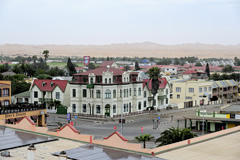


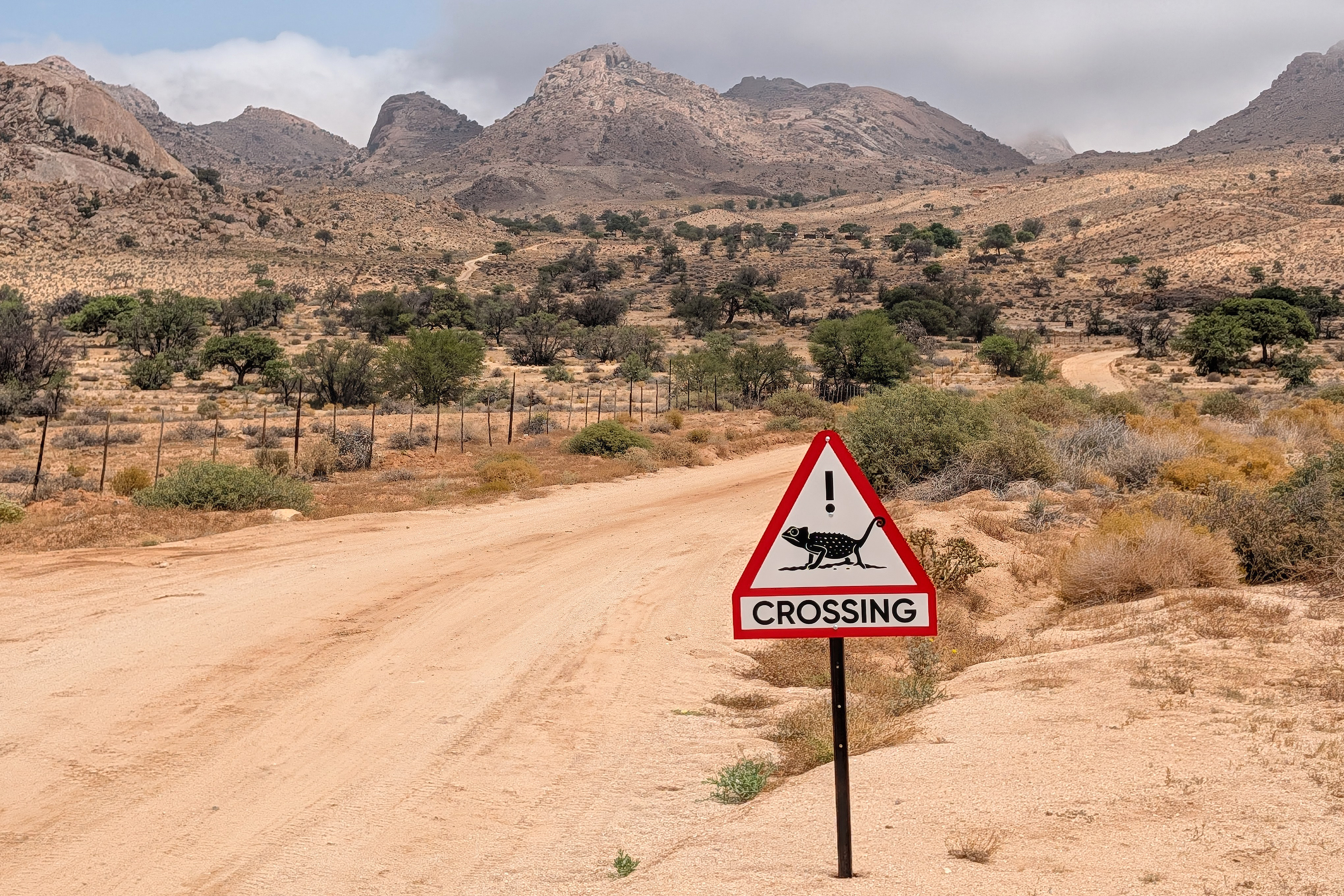
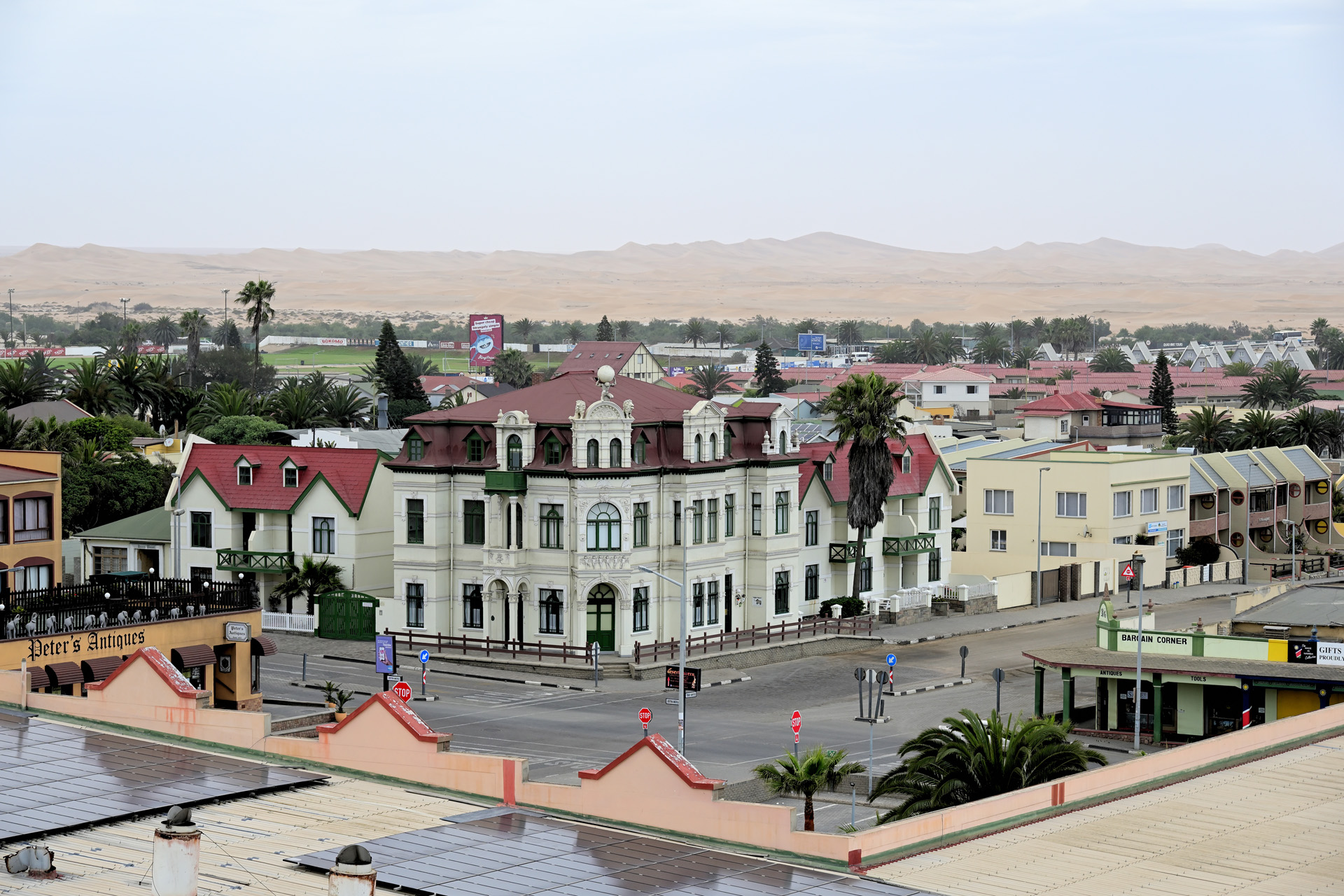
Today you will experience a day of relaxation, as we will not travel much or at all by car, depending on your needs. Instead, you will have plenty of time to discover Swakopmund and its coast. Perhaps in the morning there will still be the typical coastal fog in the town caused by the cold Benguela current from Antarctic waters. The cool air masses hit the hot air of the Namib Desert on the coast, the heavier cold air pushes itself under the hot air and condenses to fog – which makes Swakopmund at least 120 days per year to a climatically very pleasant residence. For this reason, the town is very popular among the local people of Namibia, who like to “escape” from Windhoek in the centre of Namibia to the coast, especially during the hot Christmas season. But also the life of the plants and animals is strongly influenced by the coastal fog, as the sparse rainfall of only about 20 mm per year is extremely low. Many insects and even shallow-rooted grasses are thus dependent on condensing water droplets or on the wetting of the soil surface with dew. If you don't want to experience a pure day in town, after breakfast we drive not far east into the Namib Desert. Here you can see the famous Moon Landscape and the wondrous Welwitschia plants. If you are lucky, we can discover one or another desert dweller like the Namaqua Chameleon, which is one of the largest chameleons in southern Africa with a length of up to 25 cm. Just like the large Kuiseb River, the Swakop has a huge catchment area, too, which originates in the Khomas Highlands. 30 km east of its estuary is the largely vegetation-free Moon Landscape, which the Swakop has cut into the landscape over several hundred million years by river erosion. You could really make a film about the moon landing here. Not far away you can admire the bizarre Welwitschia plants (Welwitschia mirabilis), which consist of only two permanently growing leaves that are never shed and which over the years more and more fray. Particularly old specimens can thus reach a height of more than one meter. These plants are dioecious, hence there are male and female plants. They are very special because they only occur along the Namib, their age can often be 500-1000 years and they belong to the gymnosperms and thus have naked seeds like the conifers. After our half-day trip into the desert you will have the opportunity to explore Swakopmund. The town has many souvenir shops, clothing and book stores, coffee shops, a long jetty and of course a lot of beach and sea. Take your time and explore the old buildings, some of which are more than one hundred years old. For example, there is the tower of the Woermannhaus, from where you can see the jetty and the high sand dunes behind Swakopmund. The beautiful Swakopmund Museum offers many insights into the history, culture and nature of Namibia. A visit to the National Marine Aquarium of Namibia is also highly recommended. Most of the attractions are only a few hundred meters away from the Hansa Hotel, so that you can comfortably reach any place. But maybe you don’t want to do anything at all and just want to send a few photos via the internet. This will also be possible on this relaxing day before we will go to the Damaraland the next day.
Included services: Accommodation, breakfast, park fees
-

Day 14
Swakop - Spitzkoppe - Brandberg
-

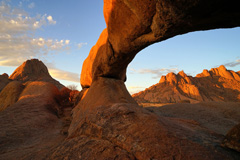


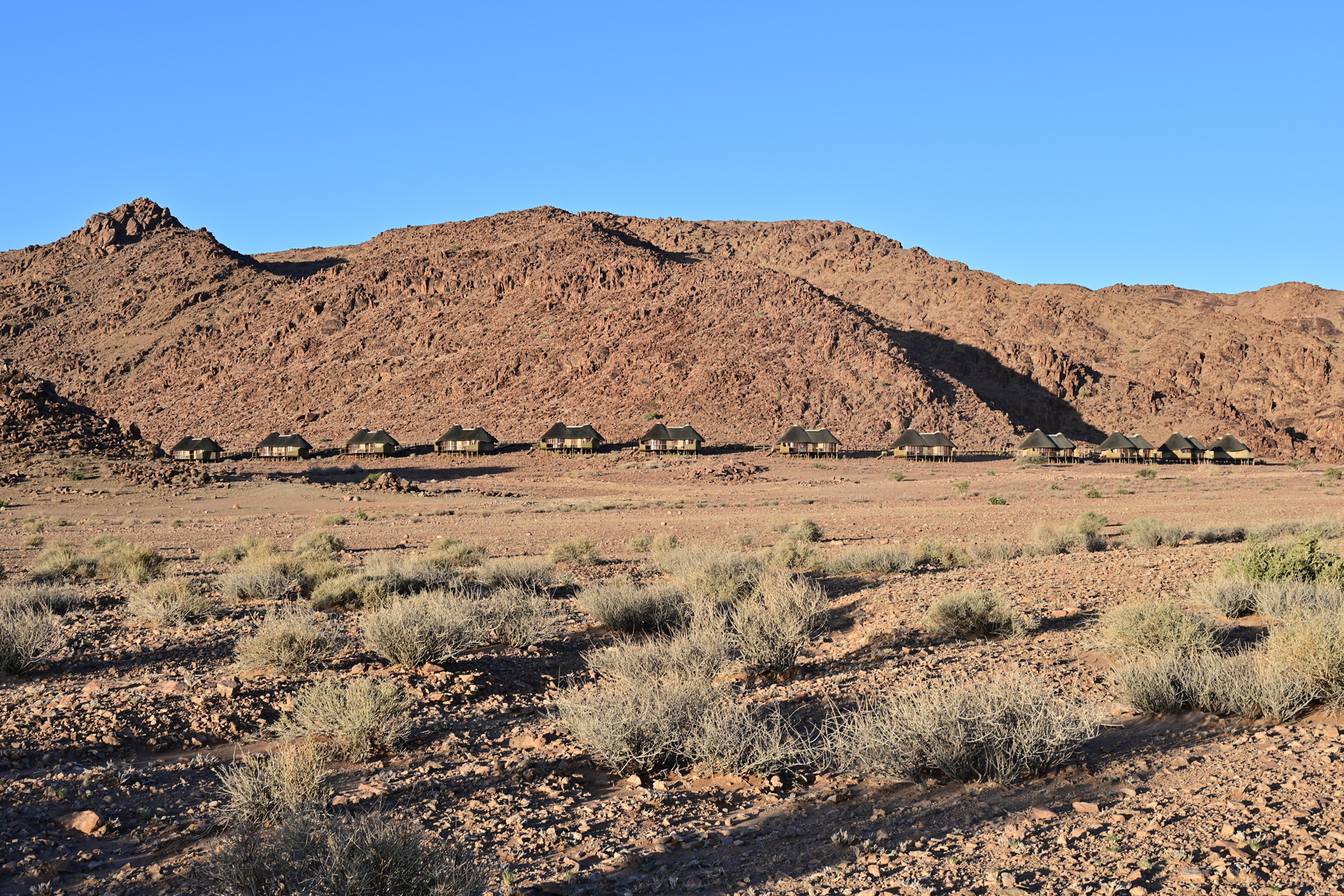
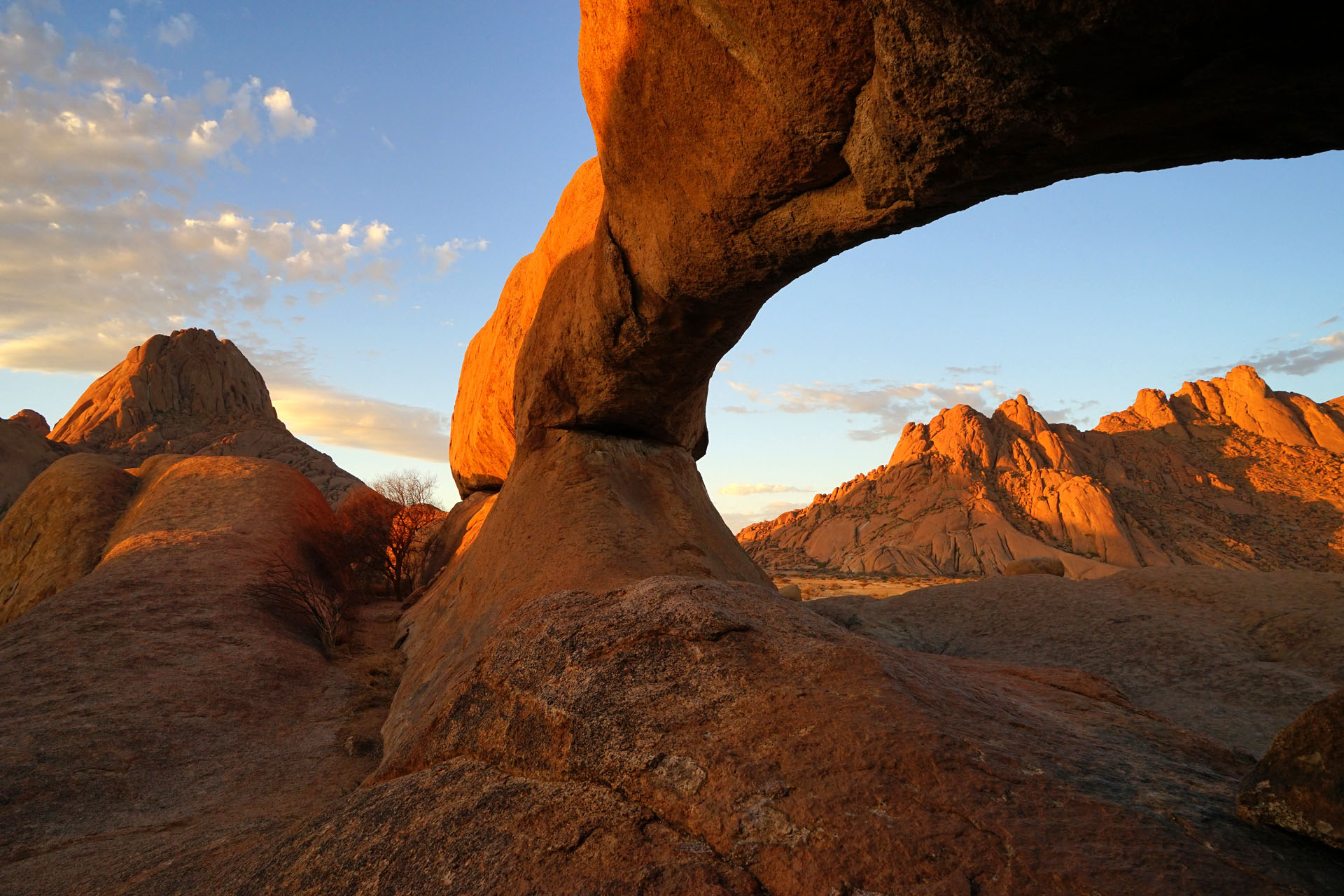
Today we go to the Damaraland. Instead of wide flat plains or sand dunes, you will now experience a more hilly and rocky landscape. On our tour we will see striking elevations such as the Spitzkoppe or Namibia’s highest mountain, the Brandberg. First we will drive to the Spitzkoppe, where we will arrive after about two hours and have lunch. The 1728 m high Spitzkoppe is an extraordinary mountain – it is also called the Matterhorn of Namibia. The granite rock rises about 670 m above the surrounding plains. Throughout the whole area there are smaller rounded rock formations, most of which can be easily climbed due to the flat slopes and porous granite surface. Often one can hear the echo of the calls of flying pale-winged starlings in the rocky gorges, which are easy to recognize with their white wings and black bodies. The Spitzkoppe is a paradise for nature lovers. Photographers get their money’s worth and we will therefore take a longer break on site. After lunch we continue northwards to the small settlement of Uis, where we will also stop. Uis is known for its tin mine, which was closed for many years but is now back in operation. Nowadays, some Namibians are retiring here, because the place is so tranquil and has little in common with the more hectic Windhoek. After leaving Uis behind us, we can see to the west the highest mountain of Namibia which is the Brandberg with 2573 m rising above sea level. Here near the Brandberg there is also another hotspot with fairy circles, which in that high concentration occur only further north, for example, in the Giribes Plains or the Marienfluss Valley. Directly next to the Brandberg is the Ugab River which can only flow during the rainy season.The Brandberg White Lady Lodge, where we will spend the night, is also located on the Ugab. This lodge is a truly green oasis on the very dry Brandberg. It offers a beautiful pool, a well-groomed garden, an elevated sundowner spot and perhaps the best milkshakes in Namibia. In the lodge's popular safari tents, you get a wonderful impression of African nature. You can hear the nocturnal birds and cicadas through the tent walls, which is an incomparable experience. With a bit of luck, the next morning you can also marvel at elephants that regularly wander up and down the Ugab.
Included services: Accommodation, breakfast, dinner, park fees
-

Day 15
Brandberg - Twyfelfontein
-


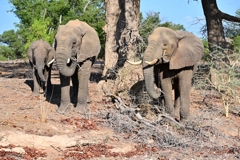
If there are desert elephants in the vicinity of the lodge, we can go on a game drive in an open safari truck after breakfast. Here you can get to know the elephants up close. Desert-adapted elephants are not a subspecies of their own, but compared to savanna elephants they have physical adaptations, which make it easier for them to survive in the dryland areas. Their feet are a little wider, so that they can walk better through deep sand. Desert-adapted elephants often have to travel very long distances of up to 70 km to get from one dry river bed to the next. This is because the dry rivers with their dense, year-round green trees and bushes are the main source of food for elephants in the northwest of Namibia. If the elephants are not there, we can take a hike to visit the rock carvings of the Brandberg, such as the “White Lady”. We then leave the Brandberg and cross the Ugab River. From the Ugab towards the north, you can now see more and more of the wild animals typical of the Damaraland such as zebras, springboks, giraffes, kudus and, with exceptionally good luck, even a black rhinoceros. This is because in the Damaraland north of the Ugab, the huge area begins, where the local nature conservation project IRDNC has been working so successfully in the last decades. It was also here in the Damaraland that the establishment of the Save The Rhino Trust (SRT) in the early 1980s was a major contribution to protecting the black rhinoceros. An important SRT field station is still operating at the Ugab on the west side of the Brandberg, from where regular patrols are carried out to protect the rhinos. In the late afternoon we will arrive in the Twyfelfontein area, which is characterized by its bizarre landscape of many small granite outcrops. You will spend the night in the very comfortable Twyfelfontein Country Lodge. The lodge is beautifully integrated into the mountain landscape of Twyfelfontein and offers the best relaxation.
Included services: Accommodation, breakfast, dinner, game drive or visit to the rock paintings
-
Day 16
Twyfelfontein - Grootberg
-


In the morning, you will get to know all the beauty of Damaraland and the region around Twyfelfontein on a four-hour drive in an open offroad vehicle. After breakfast we will explore the surroundings in the best photo light and look again for desert-adapted elephants. Very likely, we will find elephants in the Huab River bed this morning. Other wild animals such as ostriches and giraffes can also be observed in the Huab. After our safari into the bush we can drive to the blackish Burnt Mountain and the Organ Pipes at Twyfelfontein. The Organ Pipes made of dolorite, a form of basalt, are of volcanic origin and were created by cooling down molten material. They form polygonal stone columns that look like organ pipes. If you wish, we can also visit the Twyfelfontein rock engravings, of which there are more than 2500 pieces and which can be several thousand years old. There is also the opportunity to visit the Living Museum of the Damara. Here you can get to know the culture of the Damara people. This sortiment of activities is merely an offer - you can decide which you prefer. Then we drive north to the Grootberg Lodge. Here you will get to know a new type of landscape of the Damaraland – instead of granite outcrops, from now on large table mountains with a flat plateau dominate the surroundings. The barren but beautiful landscape is dotted with a carpet of stones everywhere, which is only loosened up by dry river courses or by individual Euphorbia bushes, Mopane trees or other shrubs. We will probably see some wildlife along the way on our trip through the Torra Conservancy, as almost all mammals – from lions to rhinos – are native to this communal area. Even wild leopards can be found with great luck right next to the road. The attraction of the Damaraland is probably exactly this: You are outside a national park in an area where humans with their sheep and goats are at home and yet you can see all kinds of free-roaming animals in the wild. In the afternoon we will reach the lodge on the Grootberg from where you have a wonderful view over the wide valley.
Included services: Accommodation, breakfast, dinner, game drive or visit to the rock engravings
-

Day 17
Grootberg - Etosha National Park
-
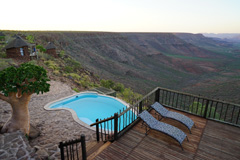


On the last day in the Damaraland you will be able to enjoy the magnificent views of the picturesque table mountains once again. The more than 20 km wide view of the Klip-River Valley below the lodge is extremely spectacular – but a hike on the plateau of the Grootberg is even more breathtaking. Before we start the drive to the Etosha National Park on this day, a small hike along the Grootberg is thus a welcome change after breakfast. Here you will get to know new views of the table mountains which belong to the so-called Etendeka Plateau. The mountains of the Etendeka Plateau are of volcanic origin and were formed over 130 million years ago. They are basically solidified huge lava fields, which once reached the surface as magma from the earth’s interior and flooded the landscape. To this day, erosion has not been able to eliminate these hard lava fields, so that some of the basalt layers are still up to 900 m thick. In the northwest of Namibia, these gigantic Etendeka volcanic fields occupy an area of 78,000 square kilometers, which is why they are so characteristic of the landscape of the Damaraland. However, on our hike from the lodge you will not only encounter lifeless stones – the chances of seeing colorful life in the morning from flying birds to grazing zebras, are very high. Also rock hyrax, a steenbok or one or the other lizard can be observed on the hike. Binoculars are therefore highly recommended, because where else can one observe such a variety of animals absolutely free-roaming in the wild without any fences! With the end of the hike we return to the lodge where you can relax and recover before the departure. Afterwards, we will have a drive to the western entrance gate of Etosha National Park. Our overnight accommodation for the next two days, the Dolomite Camp, is only an hour away. However, we will need considerably longer, as there are several waterholes on the way where we can observe the numerous game. Our tent-like chalets are elevated on a mountain ridge and offer a wonderful view of the vast savannah.
Included services: Accommodation, breakfast, dinner, hiking tour, park fees
-
Day 18
Etosha National Park
-


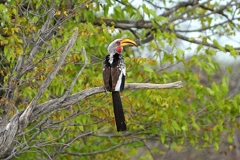
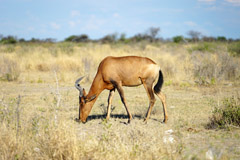


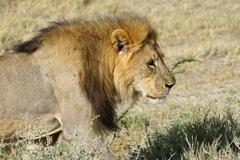
Founded in 1964, the Etosha National Park is one of the largest parks in Africa with over 22,000 square kilometers. It is even bigger than the famous Serengeti NP in Tanzania or the Kruger NP in South Africa. The reserve around the Etosha pan had been even larger in the middle of the last century, but it was reduced to its present size by 1970 and completely fenced in 1973. Etosha means “great white place” in the local Ovambo language, which of course refers to the white salt pan, which is the remnant of a former inland lake. The Etosha pan itself is enormously large with more than 4,700 square kilometers and therefore easy to see from the airplane when you fly from Angola towards Windhoek. During the rainy season, the salt pan is well filled with water because it has no outflow – but during the dry season, when the water has evaporated, the typical white salt lake remains. Then the wild animals are mainly to be found around the individual water holes along the salt pan. Etosha is a paradise for animal lovers. The park is home to 114 small and large mammal species, 340 resident and migratory bird species, 110 species of reptiles and 16 species of amphibians. Apart from wild dogs, buffaloes, hippos and crocodiles, the Etosha NP is home to almost all wildlife species found in southern Africa. Among them are the quite rare black-faced impalas. This subspecies occurs with less than 4000 individuals only in the northwest of Namibia to southern Angola, of which almost half of the population lives in the Etosha National Park. Etosha is also known for its large elephant population of over 2500 animals. So you will have the best opportunities to experience these big animals in close proximity. We’ll be in the park all day long, driving along the paths. Charge the batteries of your camera on the eve of the safari day, so that you can capture this special animal diversity forever in your photos. In the early evening we return to the Dolomite Camp, where you can relax by the pool.
Included services: Accommodation, breakfast, dinner, game drive, park fees
-

Day 19
Etosha National Park - Windhoek
-
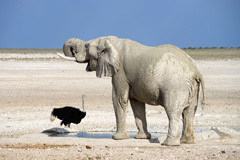

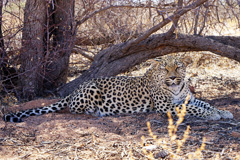

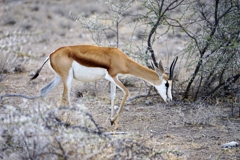


Today, unfortunately, already begins the return journey to Windhoek. But once again, you will have the opportunity to experience up close the African wildlife. In the morning we will once more drive along the park's waterholes and look for wildlife. If you didn’t find one or the other species in Etosha National Park the day before, you will now have a new opportunity to spot them on a game drive. Leopards, cheetahs, spotted hyenas, lions, rhinoceroses, warthogs, baboons, porcupines, ground squirrels, large eland antelopes or tiny Damara Dik-Diks – all of these species can be found this morning with a bit of luck. Of course, the birds are also especially active in the morning. From ostriches and parrots to secretary birds, you can see the entire colorful life of bird diversity. After the morning safari we will start our drive back to Windhoek. You will have the opportunity to buy some souvenirs for your home at the big souvenir market in Okahandja. The wood market is known for its wide range of craft work. Afterwards we drive back to the Hotel Thule in Windhoek, where you have already spent the first night. At the end of your tour we will eat dinner at Joe’s Beerhouse and let the days of the tour pass in review.
Included services: Accommodation, breakfast, game drive in 4WD, park fees
-
Day 20
Departure day from Windhoek
-
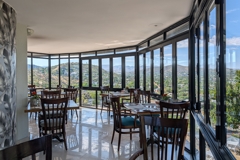
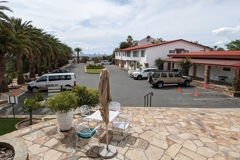
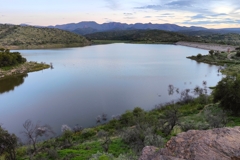
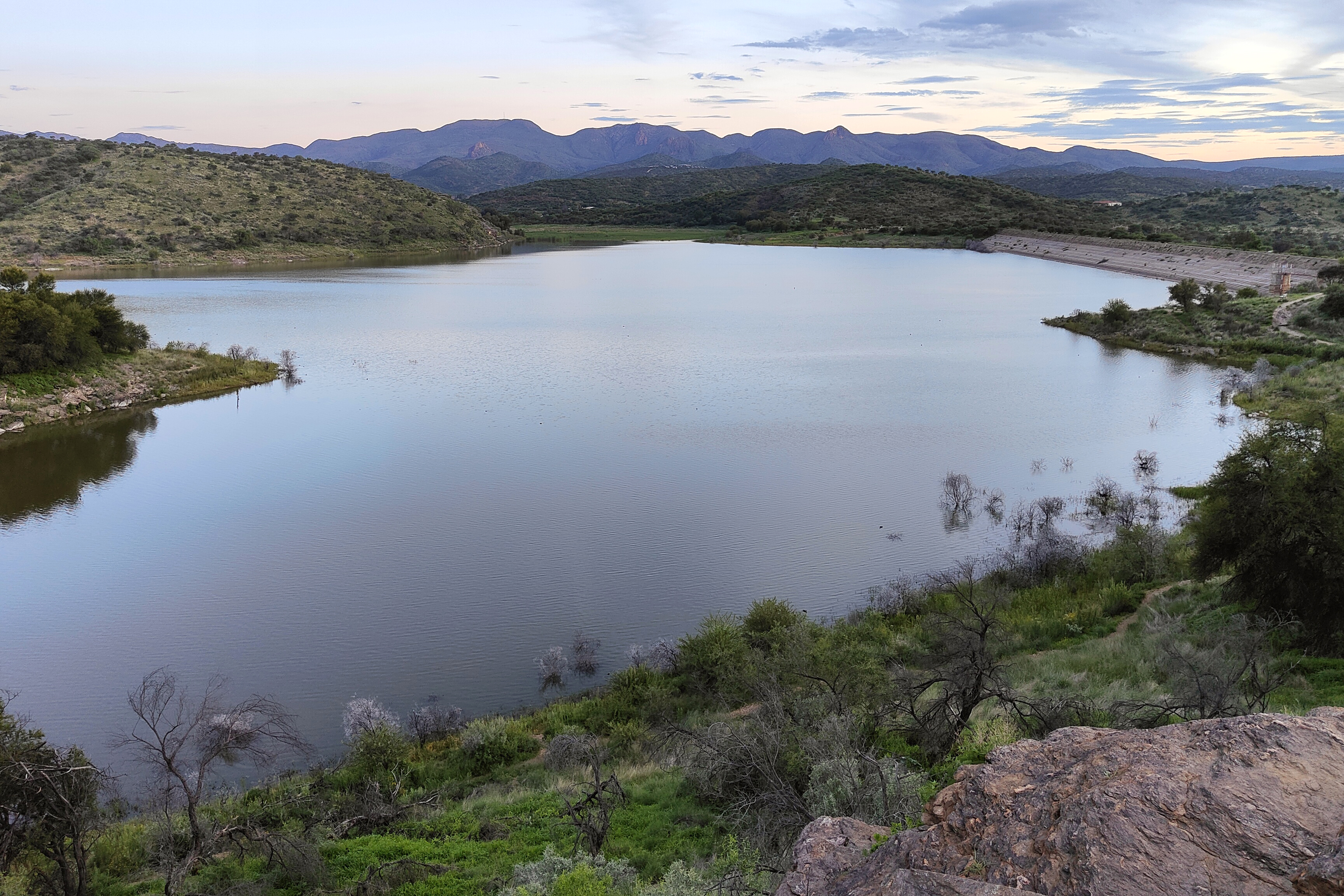
Since most return flights only start in the evening, the last day can be spent relaxing. Before you are brought to the airport, there are thus still one or the other opportunity to shop or simply relax. Depending on your preferences, you can buy souvenirs at the Windhoek Craft Centre or visit the Avis Dam before heading to the airport.


















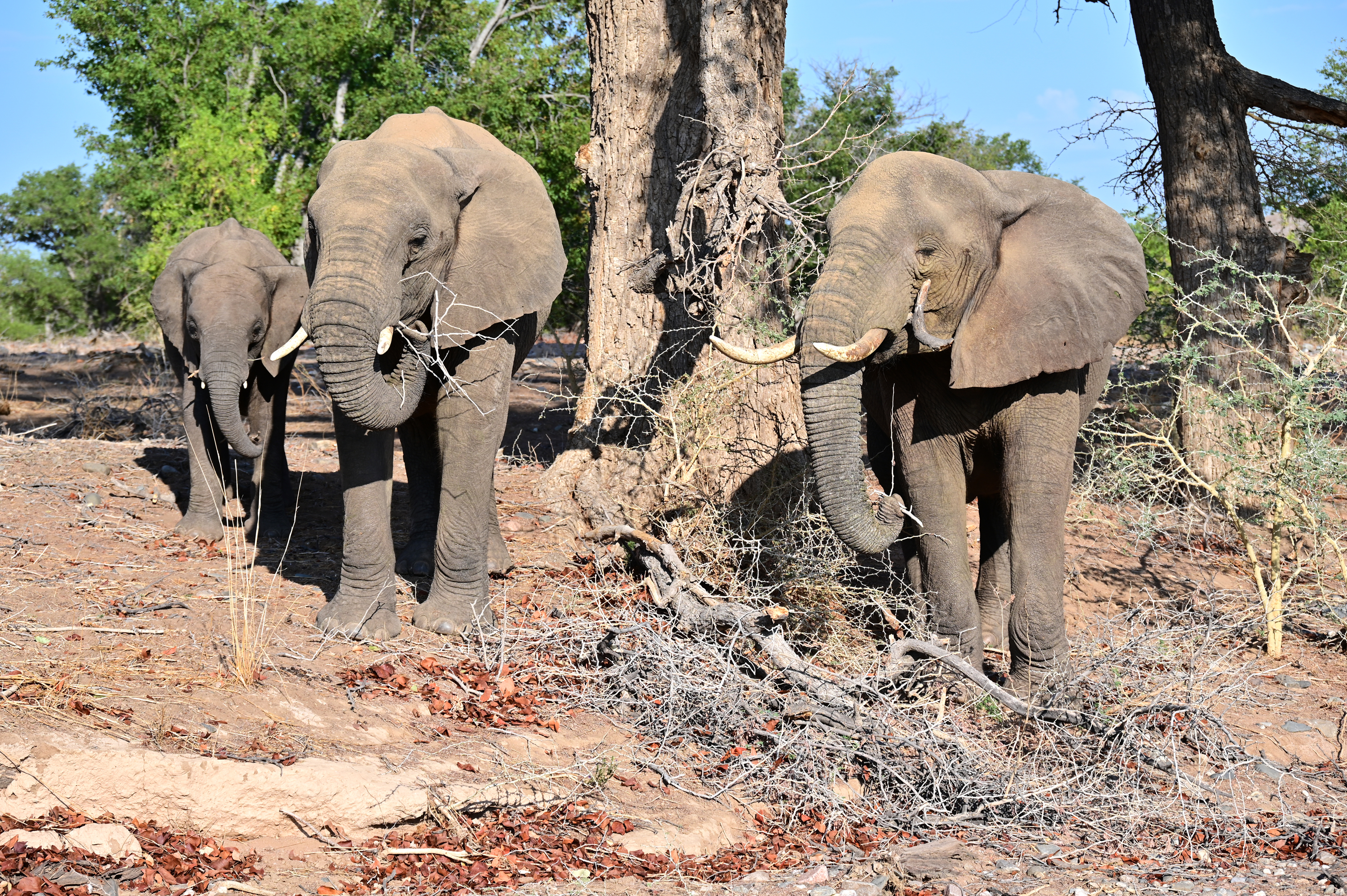


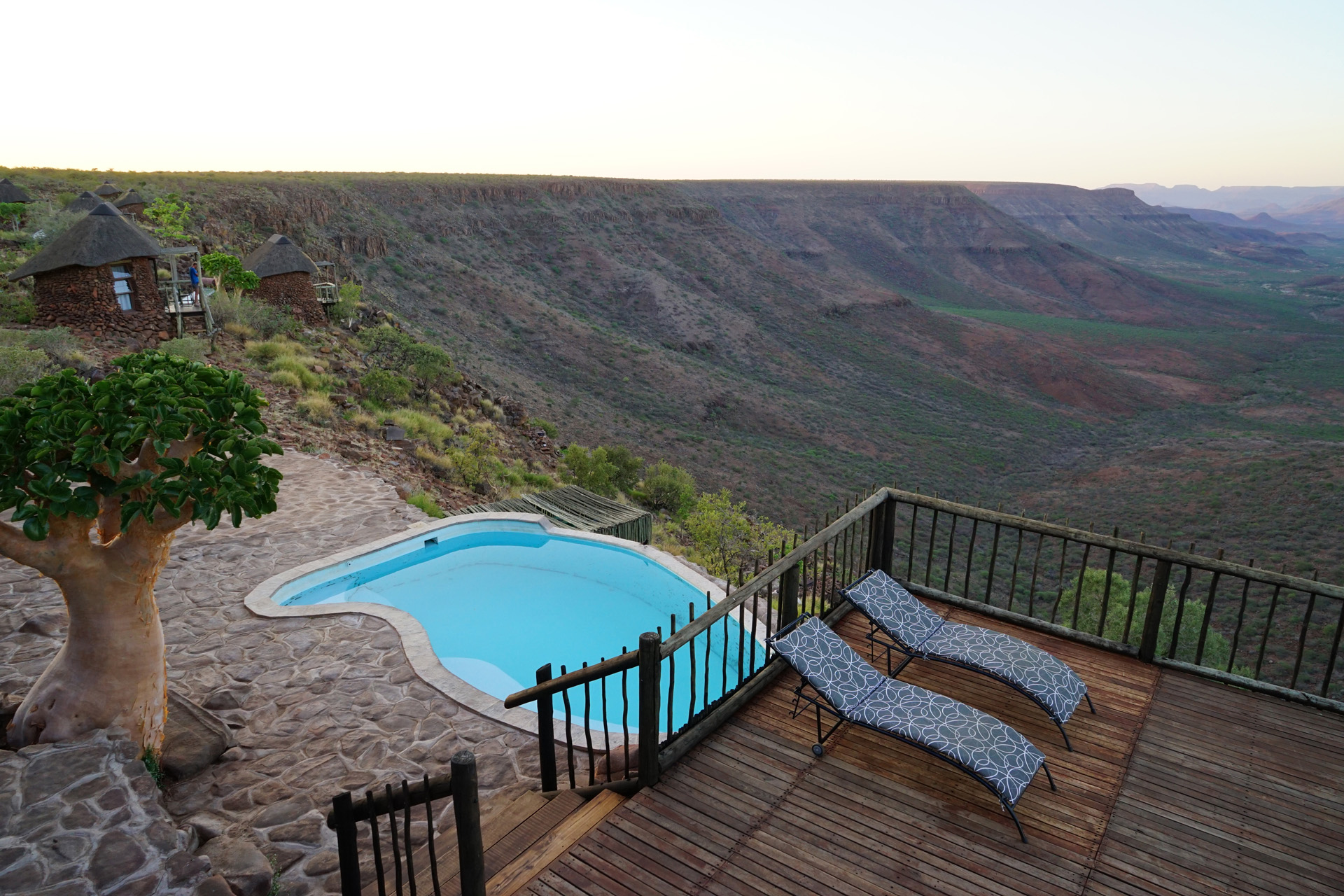


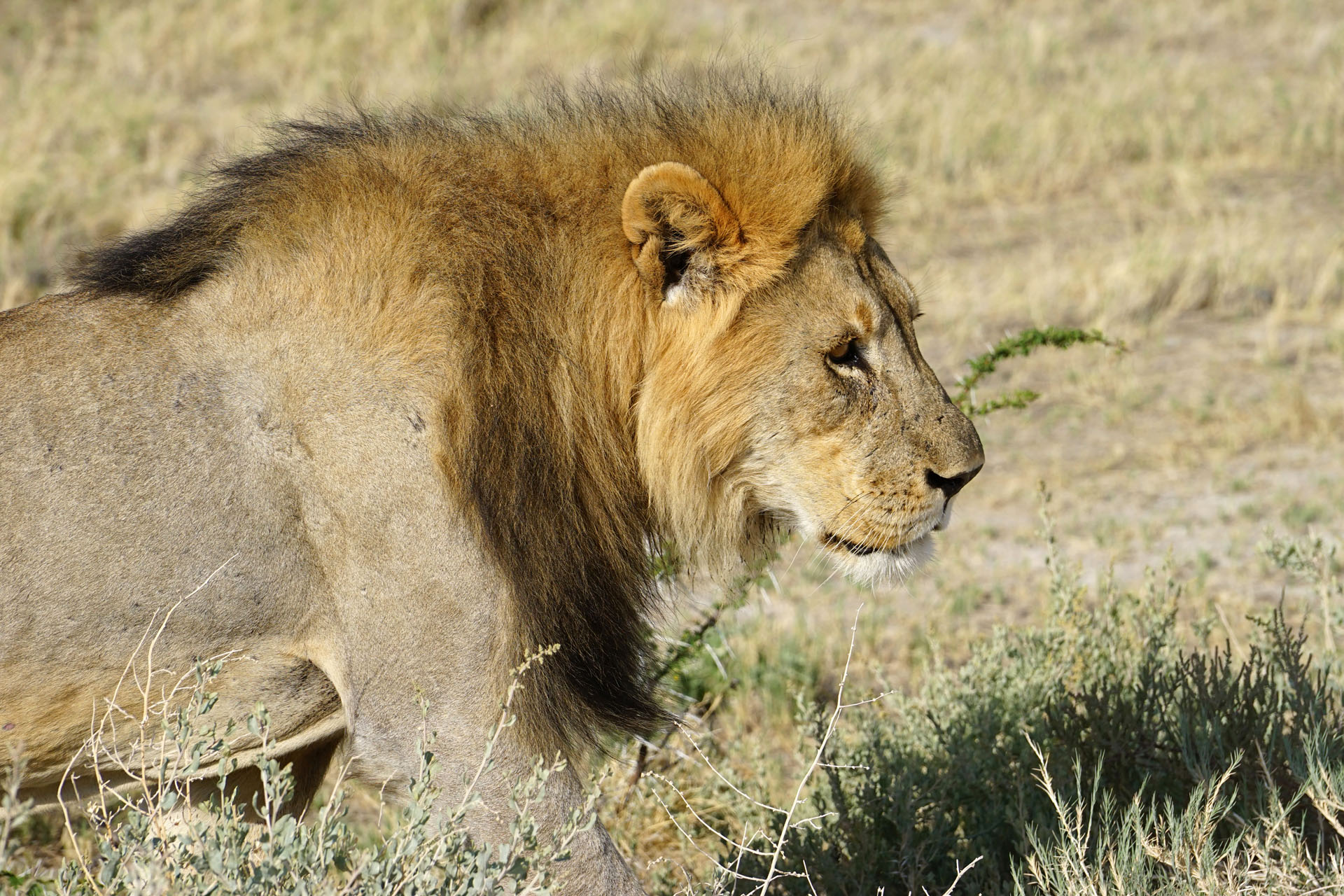


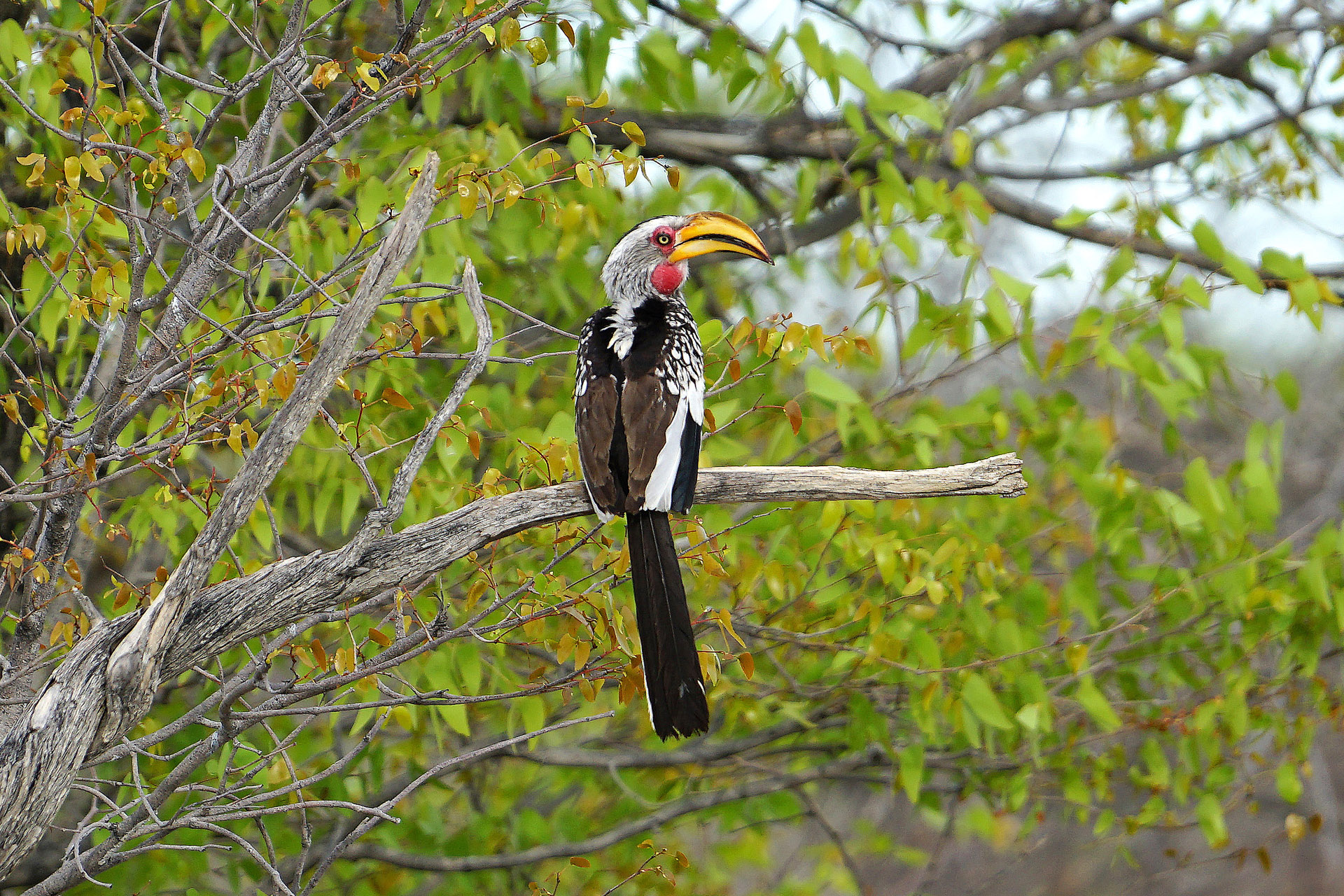
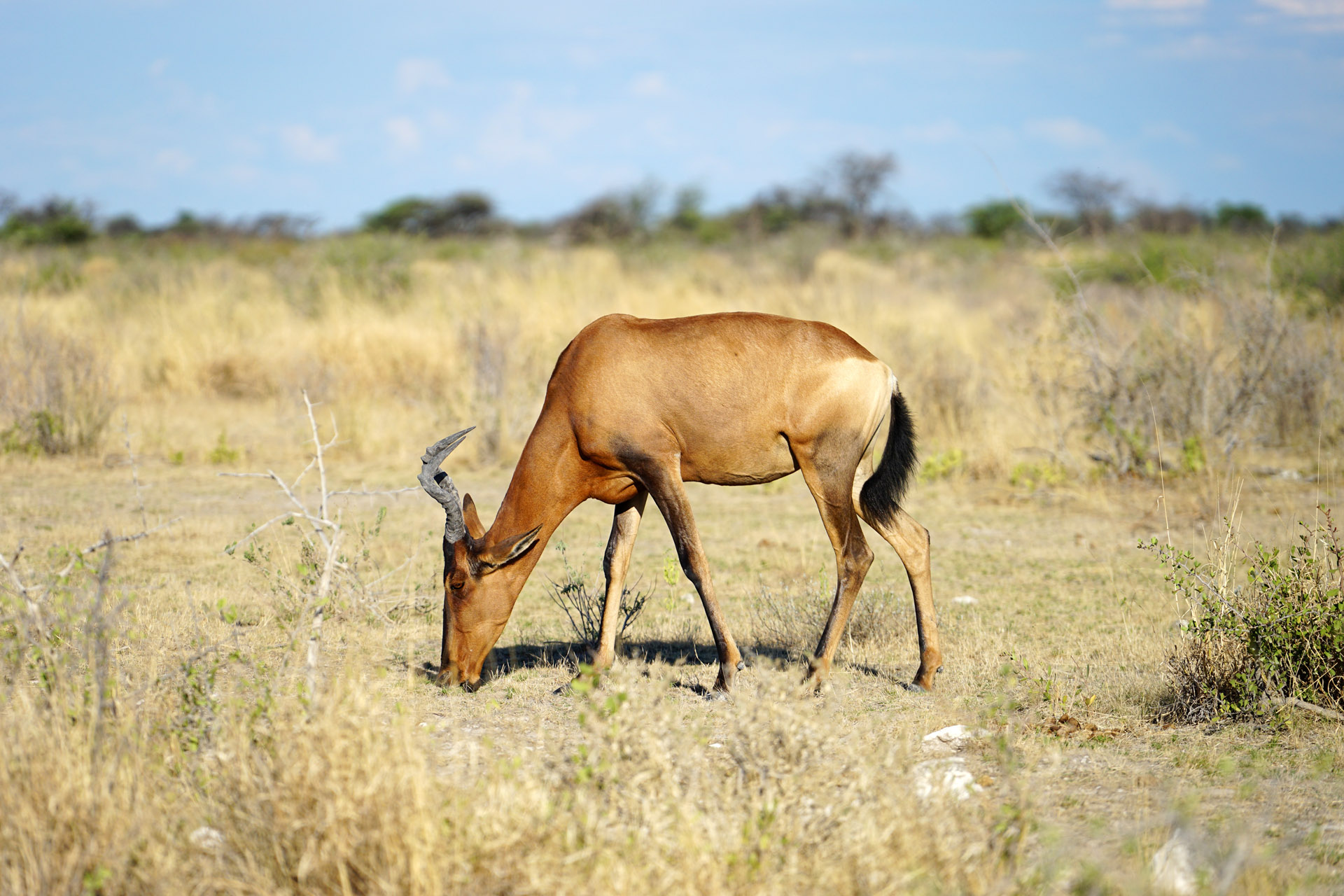


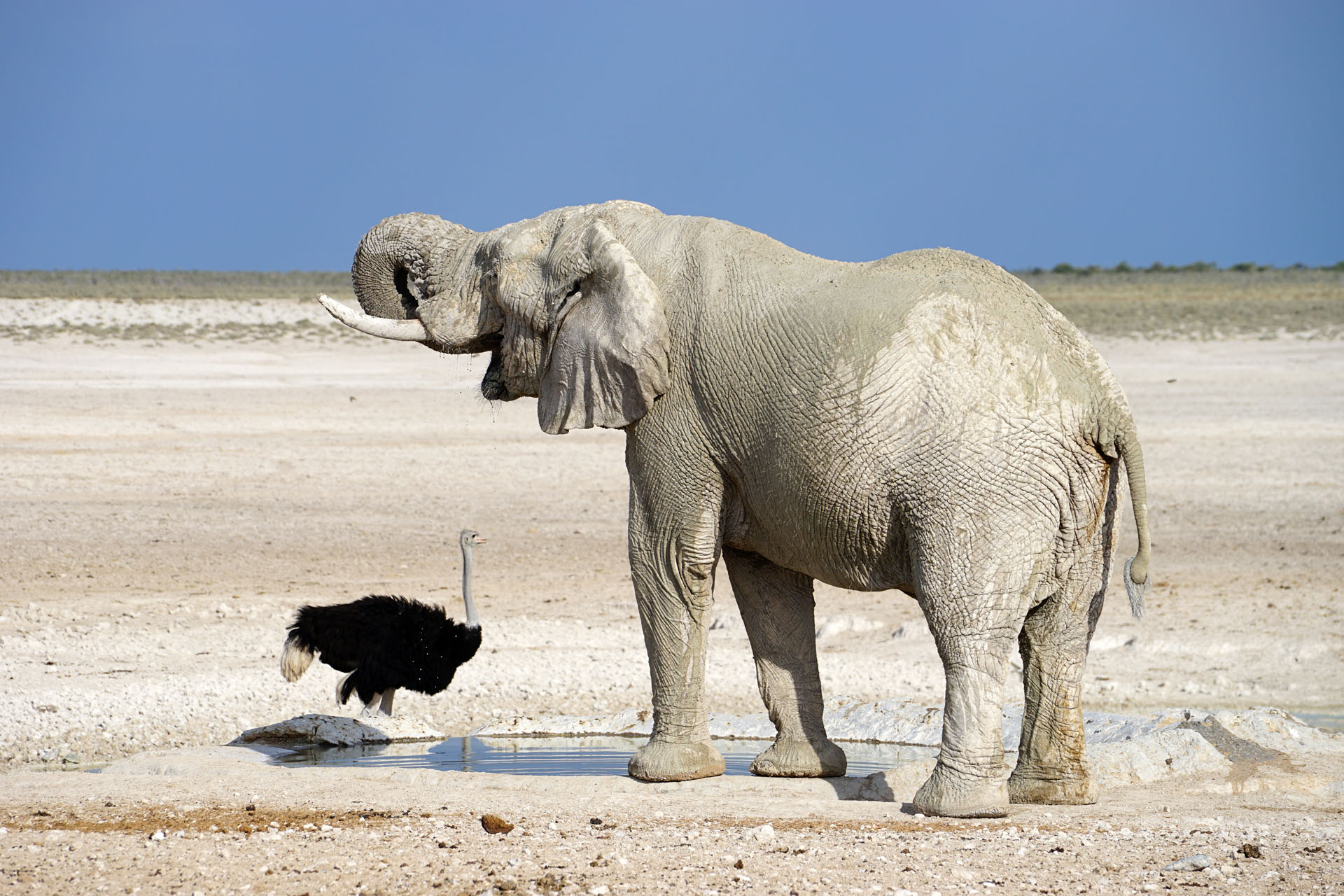

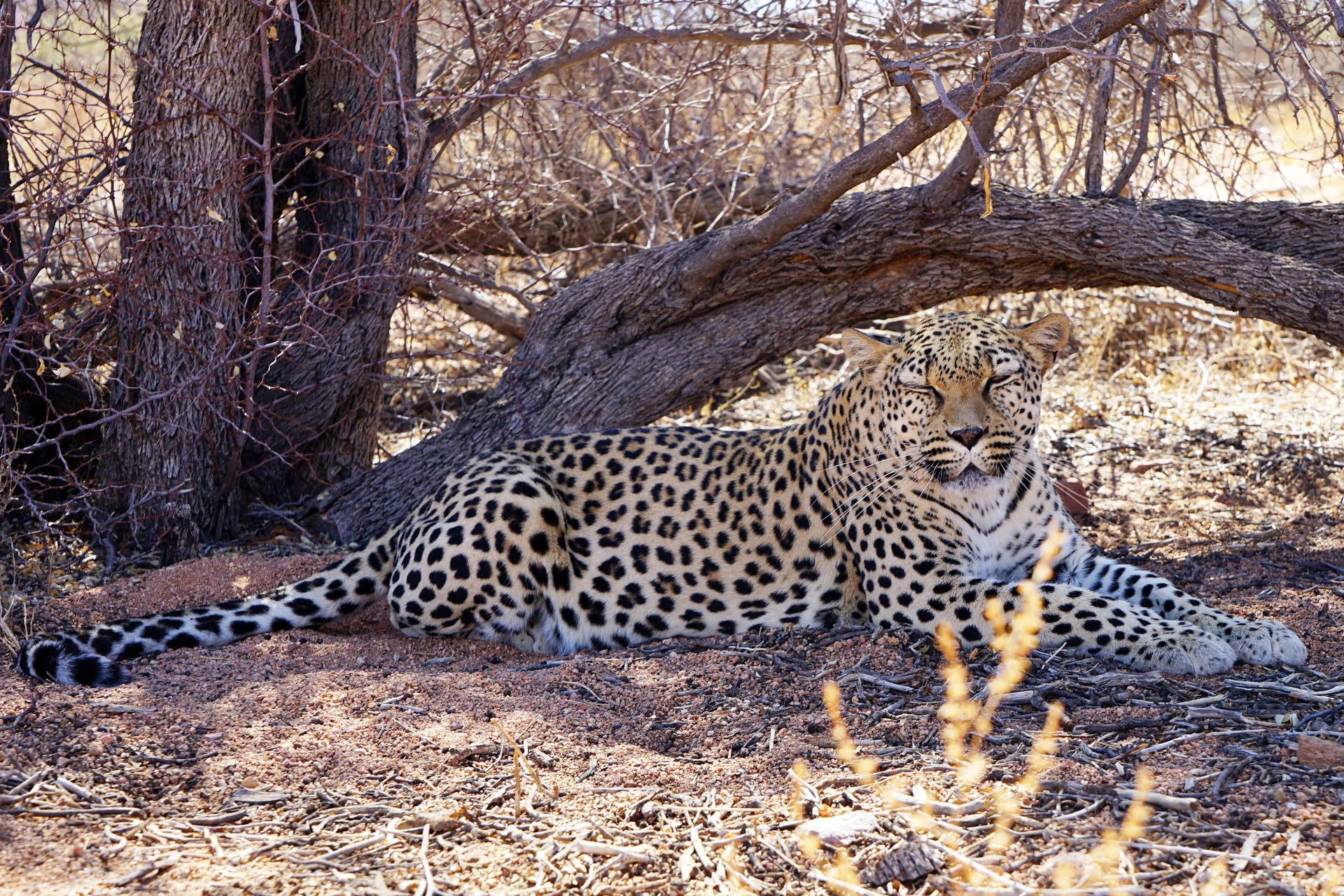

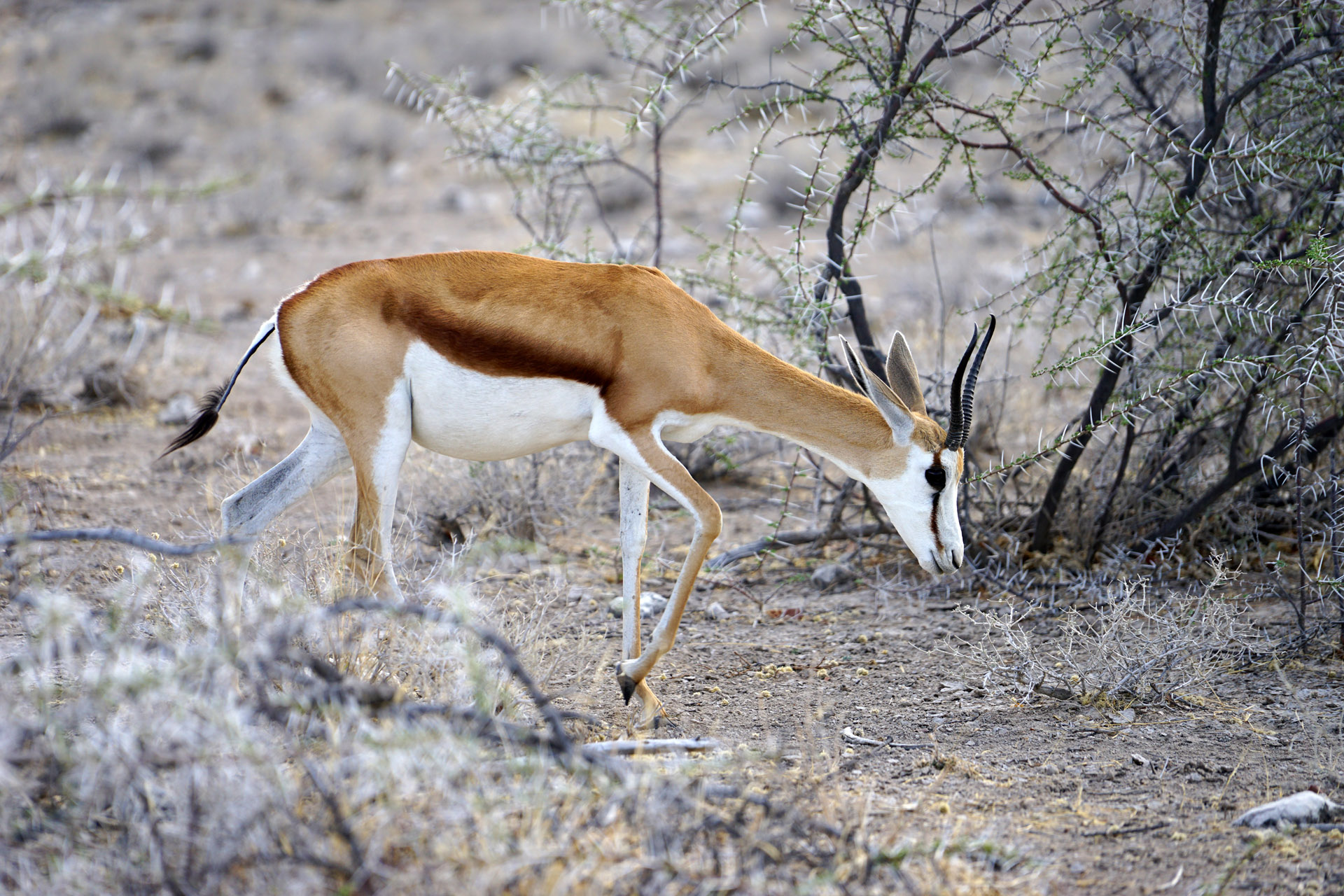


The Grand-South-North-Tour offers you:
- Magnificent expanses in the deserted south
- The red sand dunes of the Kalahari
- A spiritual retreat at the mighty Fish River Canyon
- The diamond ghost town of Kolmanskop
- Sossusvlei and Deadvlei in the Namib
- Wild desert elephants and the wildlife of Etosha Park
Welcome to NAMIBIA-ECO-TOURS – your specialist for privately guided individual tours through Namibia. On our exclusive tour, you will benefit from my 25 years of experience as a desert researcher and ecologist in the Namib.

